


Why Insurance Companies Hire Forensic Engineers
Ever filed a claim after a roof collapse or a foundation that suddenly started cracking, and noticed the insurance company sent out an engineer instead of just an adjuster? Not a contractor, not someone with a clipboard checking boxes — an actual engineer. Most people find this strange the first time it happens. A cracked wall or a leaky basement doesn’t exactly scream “call in the scientists.
But it makes more sense than it looks like at first.
Insurance claims aren’t really about the damage itself. They’re about the cause behind it. And that one distinction changes everything about how a claim gets handled.
Take a flooded basement. Was it a pipe that burst without warning — usually covered — or was it water slowly seeping in through a foundation crack that’s been there for years, which a lot of policies won’t touch? From the outside, both look almost identical. Same soggy carpet, same water line on the drywall. But the cause is what decides whether the homeowner gets a check or a denial letter.
That’s the gap forensic engineering consultants are brought in to close. They’re not there to eyeball the mess and move on. Their job is figuring out how something failed and why, using physical evidence, code requirements, material behavior, sometimes even weather records pulled from the exact date of an alleged storm. It’s a lot closer to detective work than most people expect. The crime scene just happens to be a collapsed deck or a cracked slab instead of, well, an actual crime scene.
I’ve heard adjusters admit, pretty bluntly, that without an engineer’s report, they’d basically be guessing on big claims. And nobody wants to guess when six figures are riding on the outcome — especially with the very real chance the case ends up in a courtroom later.
It’s Not About Denying Claims
Here’s a misconception worth clearing up early: people assume forensic engineers exist to help insurers wriggle out of paying. That’s not really how it works, and honestly, it’s a pretty flat way of looking at the job.
A decent forensic engineer isn’t chasing a predetermined answer. Their whole function depends on going wherever the evidence leads. Sometimes that confirms exactly what the policyholder said happened. Other times it turns up something messier — pre-existing damage nobody mentioned, years of deferred maintenance, or a construction defect that has nothing to do with the storm being claimed at all.
Insurance investigations lean on this kind of neutral, evidence-driven work specifically because a biased or sloppy report falls apart the second a lawyer starts poking at it. Insurers know this. They don’t just need a report that satisfies an internal file — they need one that survives being challenged in front of a judge.
What the Job Actually Looks Like
People picture forensic engineering as very technical, lab-coat stuff. Sure, some of it is. But a lot of it is closer to old-school investigation, just with better tools.
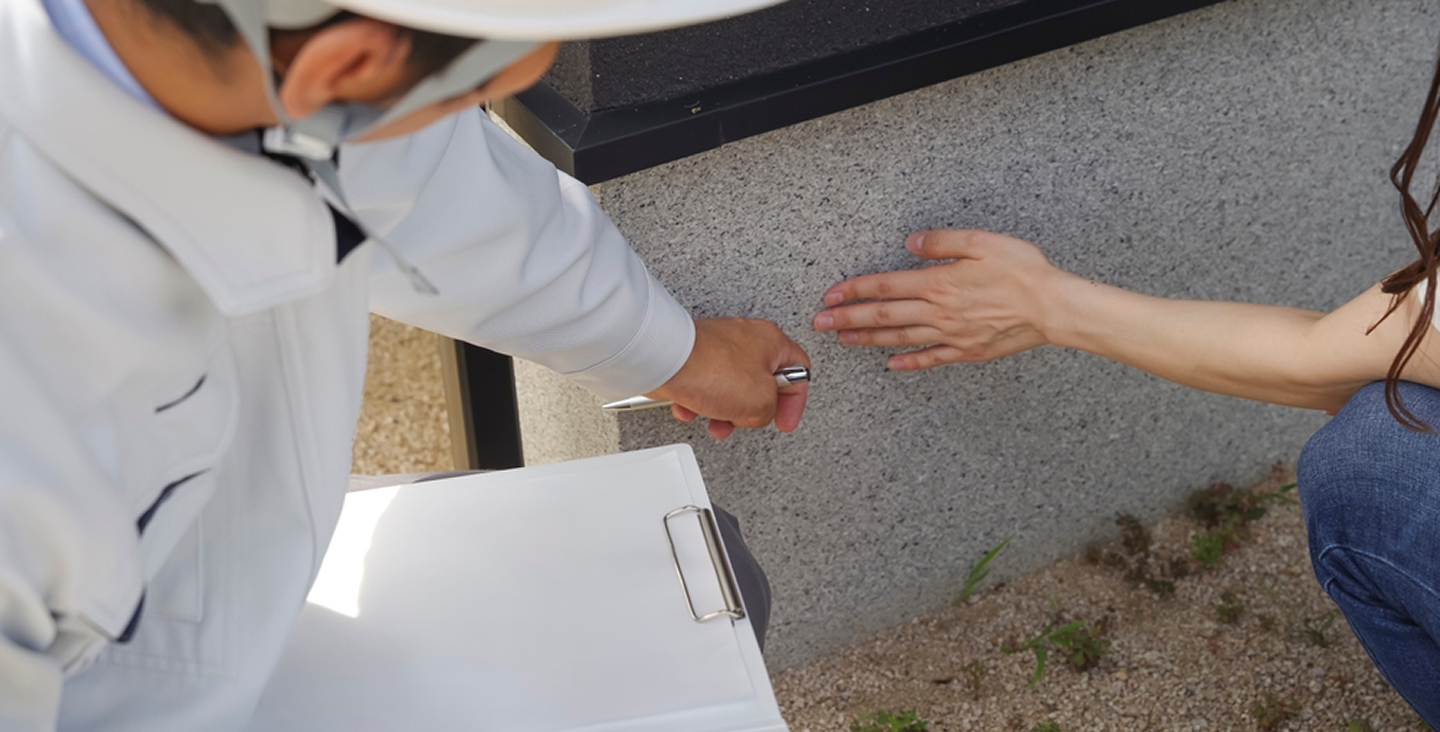
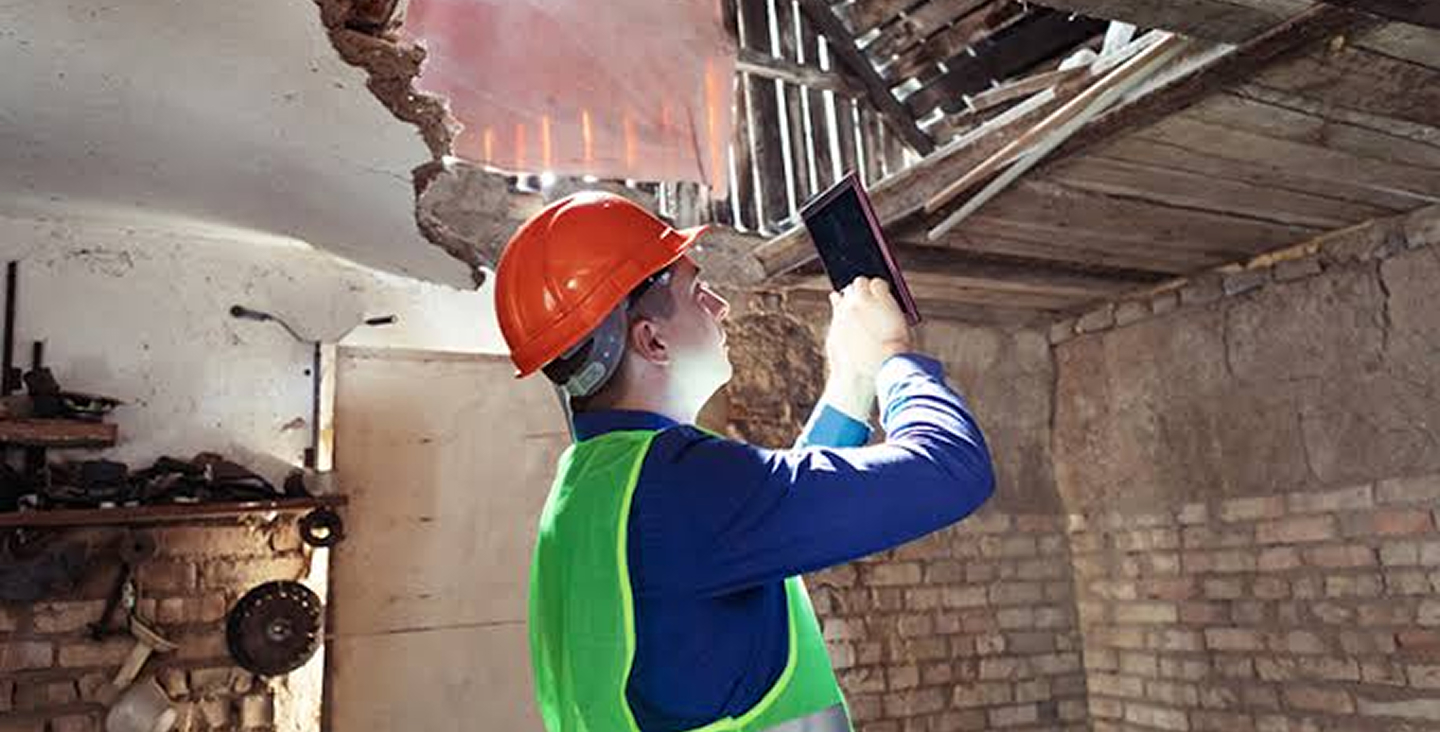
It usually starts with a site visit. The engineer walks the property in person — photos alone rarely tell the full story, especially with cracks or water staining that need to be seen at an angle, or felt, to understand what’s really going on.
Then comes the paperwork side: building permits, past repair records, maintenance history, and sometimes historical weather data pulled for the exact location and date in question. If someone’s claiming wind damage from a specific storm, an engineer might go check recorded wind speeds for that address on that day, down to the hour.
Material testing comes up a lot too. A section of burst pipe might get pulled and examined under magnification — did it fail suddenly, or had it been corroding for years before it finally gave out? That single detail alone can flip a claim from covered to denied.
Code compliance matters as well. Was the structure built to the standards in place at the time? Have those codes changed since? Did the original build cut corners that quietly contributed to the failure years later? A surprising number of construction defect disputes get settled right here, once someone actually checks.
Once all that’s done, the engineer writes it up — findings, causation, conclusions, everything documented. If the claim goes to litigation, that same person might end up testifying as an expert witness, walking a jury through what they found and why it matters.
None of this happens fast. A real investigation can take weeks, longer for anything structurally complicated. Insurance companies are fine waiting, though, because getting it wrong costs a lot more than getting it right slowly.
Where This Really Matters
Not every claim needs this level of scrutiny. A window cracked by a stray baseball isn’t exactly an unsolved mystery. But once the dollar amounts climb, or the damage touches something structural, or there’s any hint of a dispute brewing, engineering expertise stops being optional.
Picture a commercial building with roof damage after a hailstorm — millions of dollars potentially on the line. The owner says storm damage. The insurer’s first look says it’s more likely age and wear. Who’s right? Without someone stepping in with actual measurements and structural analysis, that disagreement just turns into a standoff, or worse, a lawsuit that drags on for years while both sides dig in.
This is really the core value forensic engineering consultants bring. Their conclusions aren’t shaped by who argues louder or hires the better lawyer. They’re grounded in physical evidence and engineering principles that don’t shift depending on who’s in the room. Insurance disputes get heated fast — someone’s home or business is usually on the line — and having a neutral technical opinion in the mix tends to cool things down, or at least gives both sides something solid to actually work from.
When Insurers Typically Call One In
A handful of situations come up again and again in this line of work. Storm damage is probably the biggest one — hurricanes, tornadoes, hail, anything where roof and structural damage need to be tied back to a specific weather event. Water intrusion is another, especially when the source of the moisture isn’t obvious and needs tracing. Foundation problems — settling, heaving, cracking — show up constantly too, along with fire damage claims where cause and origin need to be nailed down precisely.
Construction defect disputes are common on newer buildings that start showing problems earlier than they should. Partial collapses — decks, balconies, sometimes larger structural failures — almost always bring in an engineer. And mold claims nearly always require figuring out the underlying moisture source before anyone even starts talking about remediation costs.
Every single one of these boils down to the same question: what actually caused this, and does that cause fall inside what the policy covers? Without a solid answer, the claim just sits in limbo, and that helps absolutely nobody — not the insurer, not the homeowner, not the contractor waiting on a check to start repairs.
If Your Claim Gets an Engineer Assigned
If your insurer brings in a forensic engineer for your claim, try not to read it as a bad sign right away. Most of the time it just means the claim is big enough or complicated enough to warrant a proper look instead of a quick estimate scribbled on a clipboard.
It also means you’ll probably need to answer some questions, give access to the property, and maybe dig up old maintenance records or past repair invoices. The more upfront everyone is, the faster and more accurate the whole thing tends to go. Engineers aren’t trying to catch anyone in a lie — they’re just trying to build an accurate picture of what actually happened.
And if the damage really was caused by something the policy covers, a solid engineering report usually ends up working in the homeowner’s favor. It gives the claim a kind of credibility that’s hard to argue against later — whether that’s during the initial review, or, if it comes to that, in front of a judge.
Final Thoughts
Forensic engineering isn’t there to make claims harder to win. It’s there to make them accurate. When there’s real money and real structural damage on the line, guesswork just doesn’t cut it for anyone involved.
Insurance investigations depend on forensic engineering consultants because they bring something neither adjusters nor attorneys can offer on their own — a technical, evidence-based explanation for why something failed the way it did. That explanation ends up mattering more than most people expect, whether it confirms a claim deserves full payment or uncovers a cause nobody had even considered.
At the end of the day, insurers and policyholders actually want the same thing here. They want to know what really happened. Forensic engineers are the ones equipped to answer that properly, and that’s exactly why insurance companies keep calling them in, case after case.
It also cuts both ways over time, worth remembering. Insurers rely on forensic findings to keep claims accurate and defensible. But policyholders benefit from that same rigor whenever their claim genuinely deserves to be paid — a well-documented, engineering-backed conclusion tends to move through review faster than a claim built on opinion alone, and it holds up far better if things ever end up in front of a judge. So while getting a forensic engineer assigned to your claim might feel like an extra hurdle in the moment, it’s usually the thing that gets a messy, complicated situation resolved fairly for everyone involved.



Our Related Services
Need Expert Forensic Engineering & Building Assessment Insights?
Get our accurate, evidence-based analysis to identify root causes, assess structural integrity, and make confident decisions.
Get in Touch →