

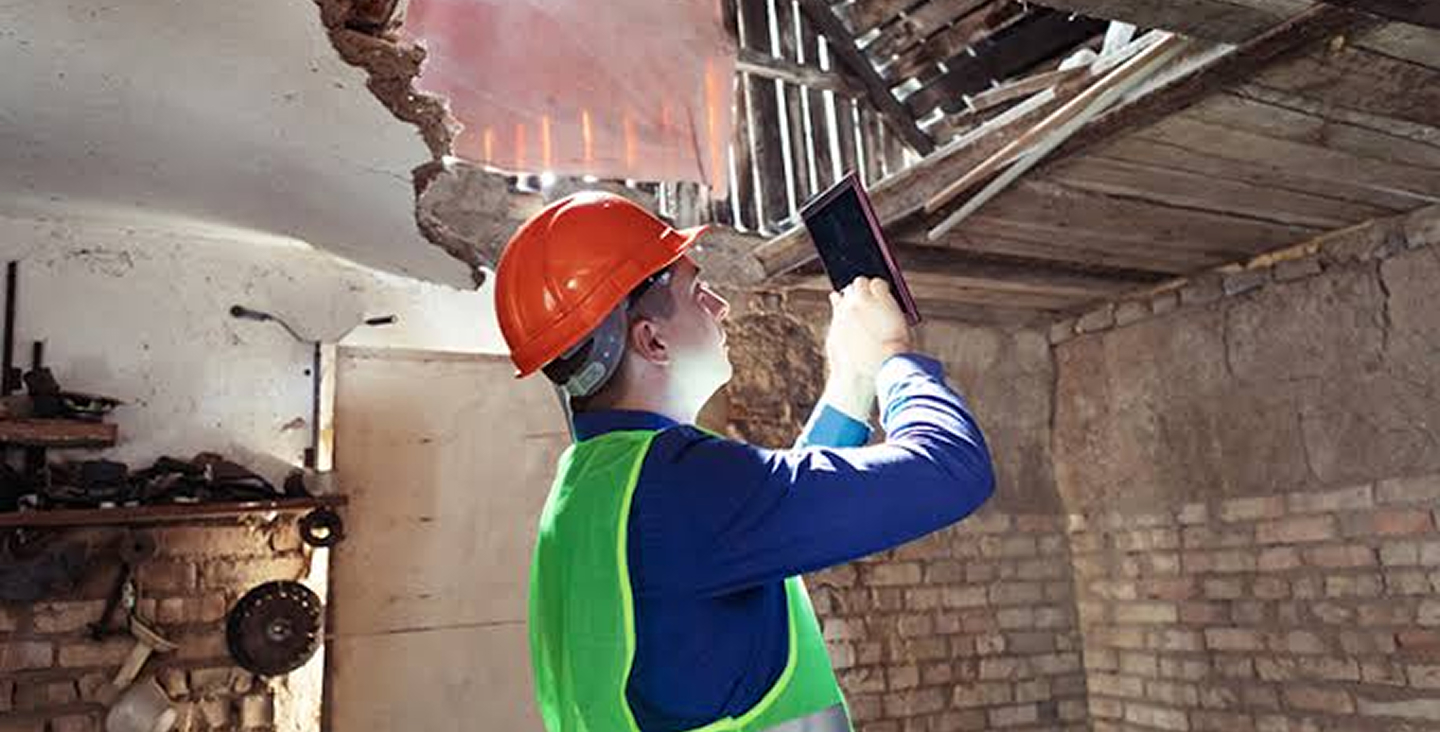
Fire Origin and Cause Investigations Explained
There’s a particular kind of chaos left behind after a structure fire. Blackened walls, warped metal, the smell that seems to soak into everything and never quite leave. Standing in the middle of it, most people can’t tell you much beyond “it started somewhere in there and it got bad fast.” And that’s fair. Fire doesn’t leave a tidy trail. It eats the evidence as it goes.
Which is exactly why fire origin and cause investigations exist as their own specialty, and why insurance companies, attorneys, and sometimes fire departments themselves bring in forensic experts to sort through the wreckage before anyone draws conclusions.
Why “Where It Started” Is Harder to Answer Than It Sounds
You’d think finding where a fire started would be simple — just look for the worst damage, right? That’s actually one of the most common misunderstandings in this field, and it trips up a lot of people who haven’t done this kind of work before.
Fire does not always cause the damage where it actually starts. You see heat rises up. The way air moves around can totally change. A small fire in one room can end up doing a lot of damage in another room. This is because the fire found something to burn or the air was moving in a way that helped the fire. So when someone comes to look at the fire they might point to the room that’s the most damaged and say that is where the fire started.. They could be wrong about the fire. The fire might have started in a different room altogether. The fire is, like that. It can be really tricky to figure out where the fire really began.
This is where actual training and experience separate a real fire investigation from a guess. Forensic experts read burn patterns the way a doctor reads an X-ray — the depth of char on wood, the direction soot traveled across a ceiling, how glass fractured, which way metal warped. None of that is random. It all points somewhere, if you know how to read it.
The Process, Roughly
Every investigation is a little different depending on the size of the structure and how much of it survived, but there’s a general shape to how these things unfold.
Securing the scene is the step. This is something that people might think is not that important. It really is. When firefighters and insurance people go into the scene they can mess up the clues that the investigator needs to figure out what happened. Even people who own the property can accidentally get rid of clues when they are trying to clean up. So the investigator has to be careful. The investigator will then go through the scene carefully usually starting with the areas that are not as damaged and then moving to the areas that are more damaged. The investigator does this because the fire probably spread from the damaged areas to the more damaged areas. The fire scene is, like a puzzle. The investigator has to put the pieces together to understand what happened at the fire scene.
Photographs get taken constantly throughout this process, and not just for documentation’s sake — comparing photos side by side later often reveals patterns that aren’t obvious standing in the room itself. Samples get collected too, sometimes for lab testing. If accelerants are suspected, debris gets bagged and sent off to be tested for ignitable liquid residue, which is a fancy way of saying they’re checking whether gasoline or some other flammable liquid was used to help the fire along.
Witness statements are really important. They are more important than people think. What the neighbors and the first responders and even the person who owns the property saw or smelled or heard before and during the fire can help figure out what happened. This can help make a timeline of the fire. The physical evidence might not be able to explain everything.
For example, a neighbor might say they smelled something twenty minutes before they saw flames. This could mean that there was a smoldering fire. A smoldering fire is different from a fire that is caused by a problem with the electricity. Witness statements like this can be very helpful. The fire investigators will listen to what the witnesses have to say about the fire. They will use this information to try to determine what caused the fire.
Eventually all of this gets pulled together into a report that identifies the area of origin, and ideally the specific cause. Was it electrical? A gas appliance malfunction? Something left too close to a space heater? Arson? Each of these leaves a distinct signature, assuming enough of the structure survived for that signature to still be readable.
Origin vs. Cause — Not the Same Thing
People use these two words interchangeably, but they’re actually separate questions, and both need answering before a claim or a court case can really move forward.
Origin is where the fire started — which room, which piece of furniture, which wall outlet. Cause is why it started there — a short circuit, a dropped cigarette, a gas leak, deliberate ignition. You genuinely cannot determine cause without first nailing down origin, because the cause almost always lives right at the origin point, buried under everything that burned on top of it later.
This is part of why fire investigations take real time. Rushing to a conclusion about cause before origin is fully established is how investigations go wrong, and it’s also exactly the kind of shortcut that falls apart under cross-examination if a case ends up in court.
When Insurance Gets Involved
Insurance companies care enormously about this distinction, for reasons that go beyond just curiosity. A fire caused by faulty wiring is typically covered. A fire deliberately set by the policyholder is fraud, and definitely isn’t covered. A fire caused by a contractor’s negligent electrical work might open up a completely separate claim against that contractor’s insurance instead of the homeowner’s policy.
So the stakes of getting origin and cause right are pretty enormous, both financially and sometimes legally. Nobody wants to pay out a fraudulent claim. Nobody wants to wrongly deny a legitimate one either, especially when a family just lost their home. And when there’s any hint that arson might be involved, law enforcement gets pulled into the picture too, which raises the stakes even higher.
This is why insurers lean so heavily on forensic experts rather than making these calls in-house. A properly documented, scientifically grounded investigation holds up. A guess doesn’t, and if a denied claim goes to litigation, that guess gets exposed fast.
What Can Go Wrong Without a Proper Investigation
When you do not do an investigation or when you rush through it this causes a lot of problems with the investigation. These problems usually come up later, and that is always at the worst time for the investigation. The investigation is what gets affected by this.
Claims get denied incorrectly because someone assumed arson without solid evidence. Or the opposite happens — a fraudulent claim gets paid because nobody dug deep enough to catch inconsistencies in the story. Sometimes a case goes to court years later and the original investigation turns out to have been so thin that it can’t survive expert scrutiny from the other side, which basically unravels the whole case regardless of what actually happened.
I’ve come across situations where an initial report blamed an electrical fault, only for a deeper investigation months later — usually prompted by a lawsuit — to reveal a completely different cause entirely. That kind of reversal is expensive, embarrassing, and honestly avoidable if a thorough investigation happens the first time around instead of a quick once-over.
Why This Isn’t a DIY Job
It’s tempting to think anyone with basic fire safety knowledge could walk through a burned building and figure out what happened. In practice, that’s rarely true. Reading burn patterns correctly takes years of training and, frankly, a lot of hands-on experience across different types of structures and fire behaviors. Wood burns differently than synthetic insulation. A kitchen fire behaves nothing like a fire that started in an attic. Electrical fires leave clues that are easy to misread if you don’t know precisely what you’re looking for.
This is exactly the gap forensic experts fill. They bring lab access, code knowledge, courtroom experience, and — maybe most importantly — the ability to stay neutral and follow evidence wherever it actually leads, rather than wherever seems most convenient for whoever hired them.
A Quick Note on Timing
People usually do not think about how important timing’s when it comes to investigating something. The timing of a fire investigation really matters. If a fire investigator can get to the scene right after a fire has been put out, the evidence they find is usually a lot better. This is because things at a fire scene can change quickly. For example, if it rains, water can get into a roof that is already damaged and missing a lot of shingles from the fire. The wind can also blow around pieces of debris from the fire, which can make it hard to figure out what happened at the fire. Sometimes people who are trying to help will clean up the fire scene before the fire investigator even gets there. They might throw away things that the fire investigator really needs to see, like pieces of evidence from the fire. The fire investigator needs to look at these things from the fire to do an investigation of the fire.
This is part of why insurers move fast to get someone qualified on site, often within days of the fire being reported. Waiting weeks isn’t just inconvenient — it can genuinely compromise the investigation to the point where certain questions become impossible to answer with confidence. A char pattern that would’ve been perfectly readable a week earlier might be gone entirely by the time someone finally shows up with a camera and a notepad.
It’s also worth mentioning that fire investigations don’t always end with a clean, definitive answer. Sometimes, despite every effort, the damage is simply too extensive, or too much evidence was lost before an investigator arrived, and the conclusion ends up being “undetermined.” That’s not a failure on the investigator’s part. It’s an honest outcome, and frankly a more useful one than forcing a shaky conclusion just to have something to write in the report. Insurance companies and courts generally respect that honesty far more than a confident guess that later falls apart.
Wrapping Up
Fire investigations aren’t about assigning blame quickly. They’re about figuring out the truth carefully, even when the physical evidence is charred, waterlogged, or half collapsed. That takes real expertise, patience, and a willingness to slow down when everyone around you wants a fast answer.
Whether it’s an insurance claim, a lawsuit, or a criminal investigation, getting the origin and cause right matters more than most people realize until they’re the ones waiting on that answer. And that’s really the whole reason this field exists — because fire destroys evidence as efficiently as it destroys everything else, and someone still has to figure out what really happened underneath all of it.
Our Related Services
Need Expert Forensic Engineering & Building Assessment Insights?
Get our accurate, evidence-based analysis to identify root causes, assess structural integrity, and make confident decisions.
Get in Touch →