

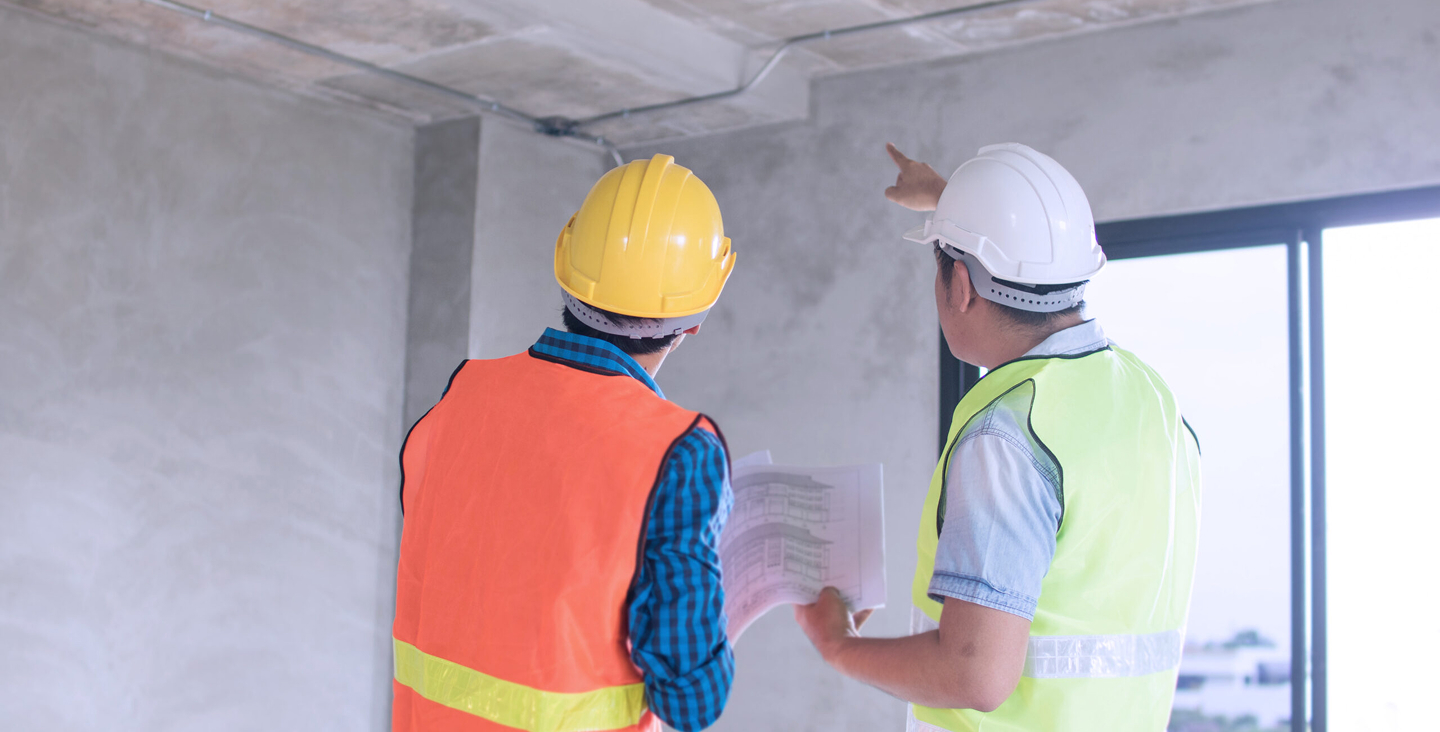
The Role of Remediation Design Services in Building Safety
Any building has a story to tell about its structure. Things like weather and old materials can affect a building. When more people use a building, this can also cause problems. The environment around the building and not taking care of it properly can also be bad for the building. Some problems with a building are about how it looks but other problems with a building are serious and need to be fixed by an engineer right away. This is so the people in the building are safe, and the building does not lose its value. The building’s structure and the problems with the building can be very important to think about.
This is where the need for remediation design services becomes critical. Remediation design is not simply about fixing the visible problems; it is about identifying the root causes of deterioration and engineering solutions to restore long-term performance.
Prema Consulting Group’s approach to remediation projects is holistic and includes investigation, technical analysis, and practical engineering recommendations that promote long-term structural safety.
Whether it’s an office building, a healthcare facility, an educational institution, an industrial plant, a parking structure, or a residential complex, remediation engineering is critical to extending service life and reducing future risks.
Remediation Design Services: What they are
Remediation design services cover everything needed to maintain the integrity of a building, from developing engineering plans to address structural deficiencies and deterioration of materials to delivering effective solutions to construction problems.
Remediation differs from routine maintenance in that it begins by asking why the damage occurred. Engineers will examine the present condition of the building, identify the cause of the issue, and recommend repairs that address not only the symptoms but the underlying causes as well.
Examples of remediation projects are:
- Design of concrete repairs
- Recommendations for structural strengthening
- Improvements in waterproofing
- Rehabilitation of brickwork
- Corrosion protection
- Foundation stabilization
- Restoration of the balcony and parking garage
- Building envelope repair
The engineering solutions are specific to each building and are not based on the ‘one size fits all’ principle in repair works.
The Importance of Good Engineering Practices to Building Safety
Buildings are subjected to continuous loading and various impacts during their lifetime. The performance and safety of buildings are gradually affected by environmental exposure, changing loads, moisture intrusion, thermal movement, and aging of materials.
Small defects, if left unattended, can become more serious structural problems, leading to financial loss and safety hazards.
Owners learn from professional engineering consulting:
- Observed damage affecting structural performance
- Which repairs should be prioritized?
- The course of degeneration
- The safest way to repair
- Both immediate and long-term maintenance needs
Engineering analysis also reduces uncertainty in making decisions on repairs and avoids unnecessary costs.
Common Structural Problems to be Repaired
Many structural problems begin with small red flags that seem innocuous at first.
Some of these common indicators are:
Concrete Deterioration
Concrete can crack because of different things. It can happen when it shrinks, when water gets in or when the metal inside the concrete starts to corrode, or when it is overloaded. The engineers will look at these cracks to figure out if they are on the surface or if they are a bigger problem with the structure of the concrete. They will do an evaluation to see if the cracks in the concrete are just cosmetic or if they are structural. The engineers have to check the concrete to see if the cracks are bad or not. Concrete cracks can be caused by shrinkage or by water getting into the concrete or by corrosion of the reinforcement or by overloading the concrete.
Water Leakage
Water is a problem when it comes to buildings in Florida and other parts of the United States. When water gets into the walls or roofs or balconies or foundations of buildings it makes them deteriorate faster. It also causes corrosion of the building materials. Water is the issue here because it can get into buildings and cause a lot of damage. The water that gets into buildings, in Florida and other parts of the United States accelerates the deterioration of the building materials. Causes corrosion.
Reinforcement Corroded
Steel reinforcement in concrete is prone to corrosion due to the ingress of moisture and chlorides through protective layers. Corrosion advances and the concrete cracks and spalls.
Foundation Movement
Settlement or shifting soil conditions can cause uneven floors, wall cracks, and structural misalignment. This calls for special engineering solutions.
Building Envelope Failures
Often, the exterior walls, sealants, windows, and roofing systems need remediation to prevent moisture ingress and maintain structural performance.
How Design for Remediation Enhances Structural Safety
The key goal for remediation engineering is to improve the safety of the structure and to prolong the life of existing buildings.
The typical engineering process, performed by experienced experts, has multiple stages.
1. Condition Assessment
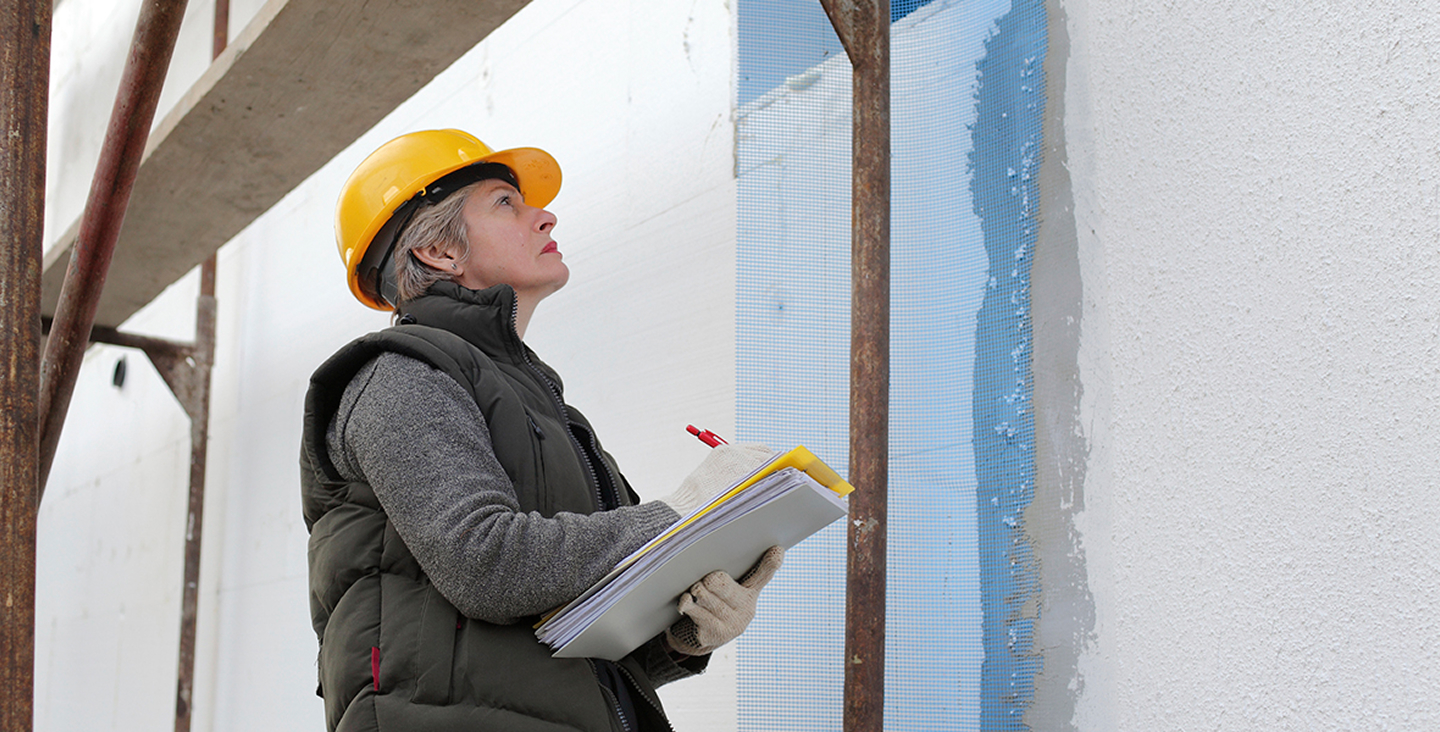
Engineers look for visible deterioration and review construction documents, maintenance records, and prior repairs.
If necessary, they may conduct further testing, which will likely include:
- Sampling of Material
- Moisture Assessment
- Nondestructive testing
- Structural analysis
- Corrosion Study
After all, accurate data from the site is crucial to making better repair decisions.
2. Discovering Root Causes
When routine inspection only involves repairing visible damage, remediation engineers will assess the damage and, using their knowledge and skills, determine why the deterioration occurred.
Possible causes of building deterioration:
- Water percolation
- Design mistakes
- Building mistakes
- Aging of materials
- Environmental exposure
- Overload problem
By addressing these factors, property owners, project managers, and property stakeholders can mitigate the risks of repeated failures.
3. Creation of Repair Designs
After remediation engineers learn the causes, they prepare drawings for repairs, technical specifications, and construction recommendations.
Repair plans are tailored, customized, and designed to:
- Reinstate the buildings’ structural capacity
- Make them more durable
- Reduce ongoing maintenance tasks
- Comply with applicable building codes and standards
- Minimize the risks of construction disruption
4. Construction Support
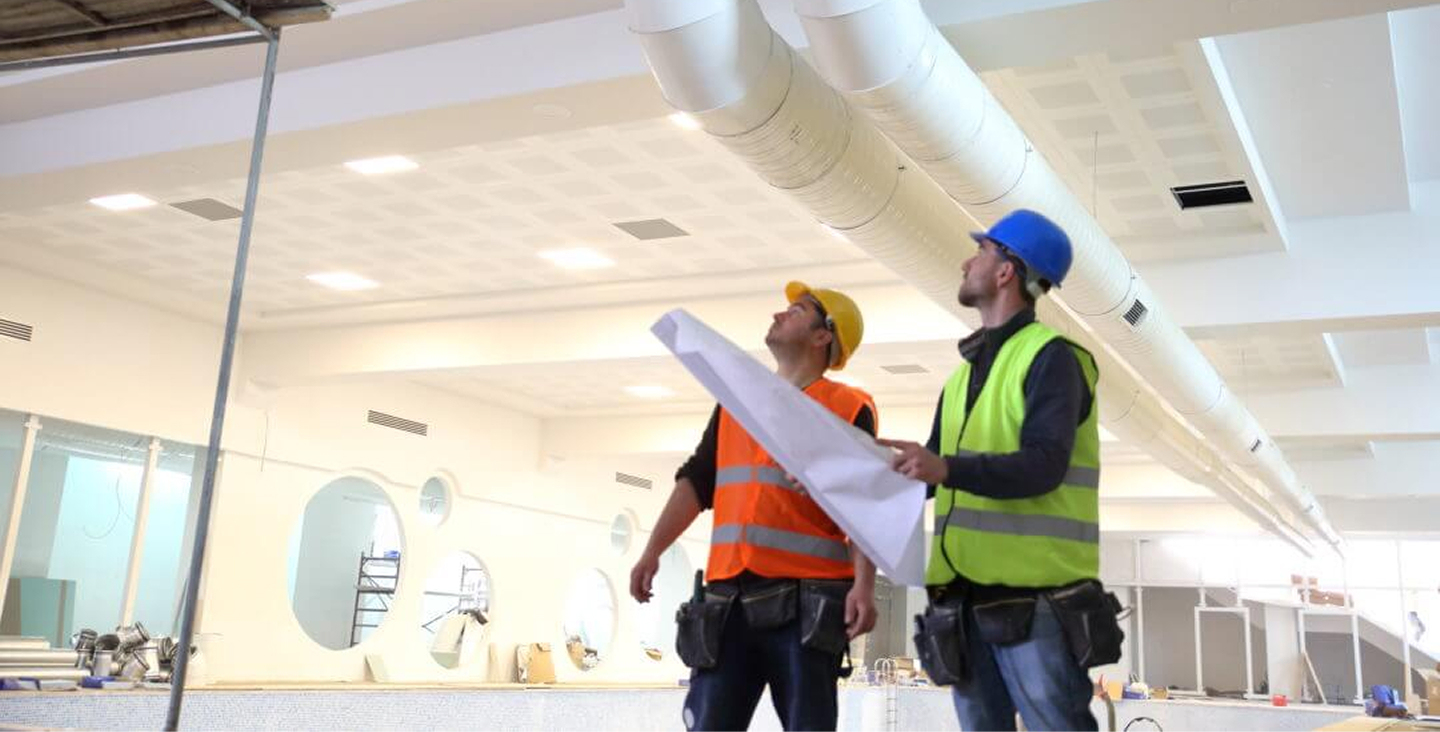
Prominent engineering firms continue to oversee projects during construction, reviewing work by contractors, answering technical questions, and checking the quality of repairs.
This added level of inspection helps ensure repairs are made to design standards.
Key Benefits of Hiring Engineering Consulting Services
Enhanced Occupant Safety:
Well-designed remediation reduces risks from structural deterioration and allows safer operation of the building.
Increased Building Service Life:
Dealing with root problems can prolong the life of valuable assets and push back major reconstruction.
Improved Investment Protection:
Commercial buildings are a significant financial commitment. Engineering-guided repairs help maintain property value.
Reduce Long-Term Maintenance Costs:
Proper remediation stops recurring repair cycles by addressing the root causes of deterioration.
Regulatory Compliance:
Engineering documentation helps to ensure compliance with applicable building codes, inspection requirements, and owner responsibilities.
Industries that Use Remediation Design Services
Properties of all types require structural remediation from time to time during their life. Some such types of property are:
- Office buildings (commercial)
- health care facilities
- School campus
- Industrial plants
- Manufacturing plants;
- Car parking
- Residential multi-family buildings
- Government buildings;
- Hospitality assets
- Public Works
Points to Consider when Choosing the Right Engineering Partner
Not every repair job requires the same level of engineering expertise. So, it is important to choose a competent engineering consultant who will give recommendations based on technical evidence and not on assumptions.
If you are a property developer, building owner, or asset manager, when evaluating an engineering firm, you should consider:
- Experience with comparable building types
- Structural Evaluation Capabilities
- Strong expertise in repair design
- Updated knowledge of applicable US building codes
- Background in construction administration
- Good technical communication.
- Long-term perspective on asset management
A seasoned consultant can assist owners in prioritizing repairs based on safety, urgency, and budgetary concerns.
Why Building Owners Should Get Ahead of the Game
Waiting for remediation can often lead to further damage, more complicated repairs, and higher overall project costs.
Early engineering assessments are helpful to owners:
- Uncover hidden structural issues
- Efficient maintenance budget planning
- Emergency cuts repair
- Raise the confidence of occupants
- Enhance building performance
Generally, it is cheaper to plan ahead than to wait until there has been major structural damage.
Conclusion
Building safety can never be assured by routine inspection and minor maintenance. With structures aging and taking many impacts, engineering expertise is crucial to identify latent signs of deterioration, to understand the causes of deterioration, and to design repairs that restore long-term performance and safety of the building.
Building owners will get effective solutions to make their buildings safer, reduce the need for future repairs, and protect their valuable assets with professional remediation design services.
Building owners can make decisions that keep people safe and help their property last longer with professional remediation design services.
Through checks and good engineering advice, organizations can make informed decisions that support the safety of the people inside and the long-term value of the property, which is the building.
Building owners can trust professional remediation design services to help them with this.
The Prema Consulting Group works with people who own kinds of buildings. They help these people figure out how to fix their buildings. The Prema Consulting Group makes a plan that’s just right for each building. They look closely at the building and they use engineering to understand what is going on. Then they come up with a plan to fix the problems. This helps the people who own the buildings fix the issues they are having now and get their buildings ready for a time of working well. The Prema Consulting Group does this so that the buildings will be good, for years.
Frequently Asked Questions on Design Services for Remediation
It is a range of services that includes assessment of structural problems and understanding of the causes, and developing appropriate engineering solutions to restore building performance and durability in a safe way.
Structural safety protects the occupants, preserves the value of the property, reduces liability, and helps buildings continue to function as intended during their service life.
Owners should seek engineering consulting at the first sign of structural cracks, water intrusion, concrete deterioration, foundation movement, corrosion, or recurring maintenance problems.
Remediation design is not a band-aid; it is a way to attack the root causes of deterioration. It reduces ongoing repairs, increases building longevity, and enhances maintenance planning.
Recent Blogs
Our Related Services
Need Expert Forensic Engineering & Building Assessment Insights?
Get our accurate, evidence-based analysis to identify root causes, assess structural integrity, and make confident decisions.
Get in Touch →