

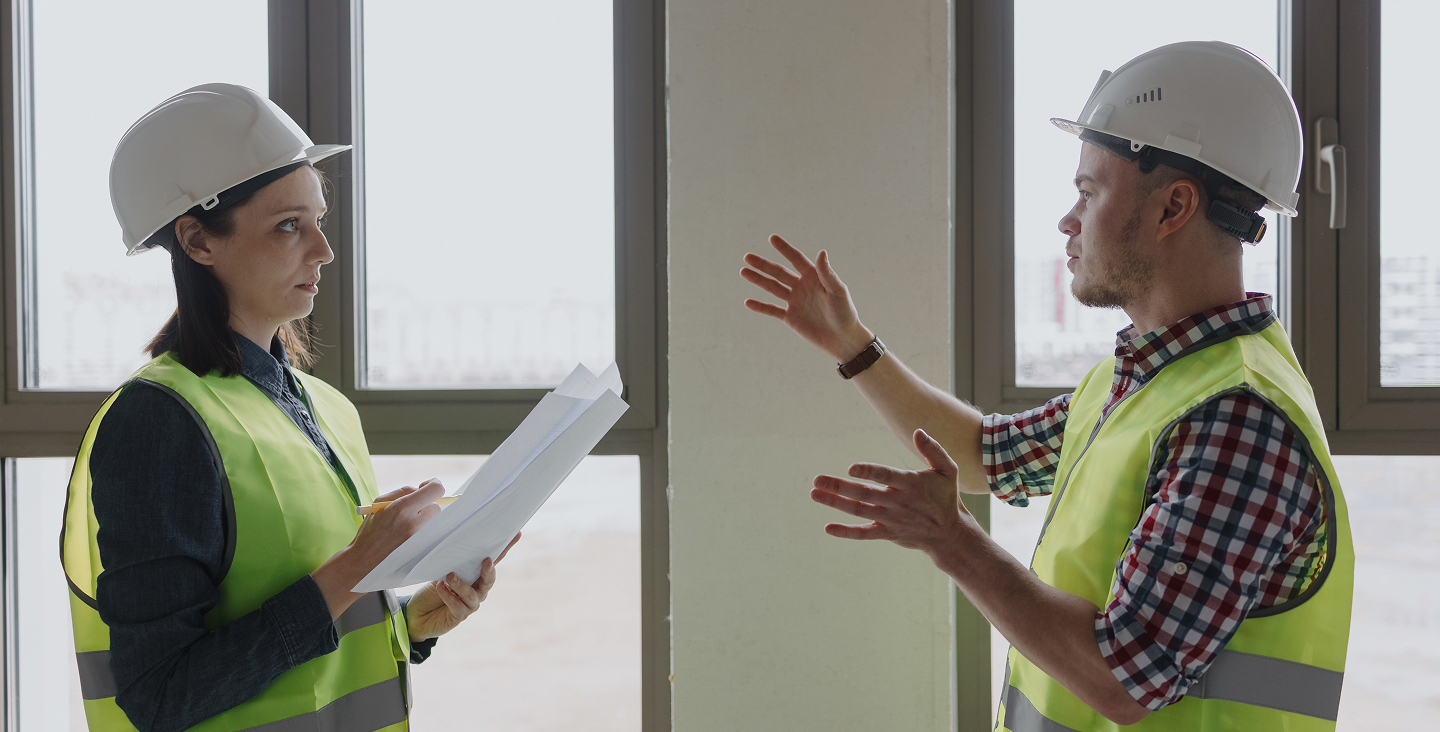
Building Remediation vs. Structural Repair Explained
When a building is damaged by water intrusion, hurricanes, foundation settlement, fire, or aging infrastructure, two common terms that property owners are often faced with are building remediation and structural repair. The services are related, but do different things in a restoration project.
Knowing the difference can help property owners make wise decisions, avoid unnecessary expenses, and keep their buildings safe and up to code. If you are involved in commercial property or residential building restoration, you should get an experienced professional like Prema Consulting Group involved. We design every step of the project.
In this guide, we’ll go over the differences between remediation services Florida, repair engineering, and modern restoration techniques so you know exactly what service you need when.
The Meaning of Remediation of Buildings
Remediation is the process of finding and removing the source of the damage BEFORE any repairs are done. Remediation is not simply fixing the obvious problems, but fixing the underlying causes that threaten the long-term health of the building.
Remediation services can be common, such as:
- Water damage restoration
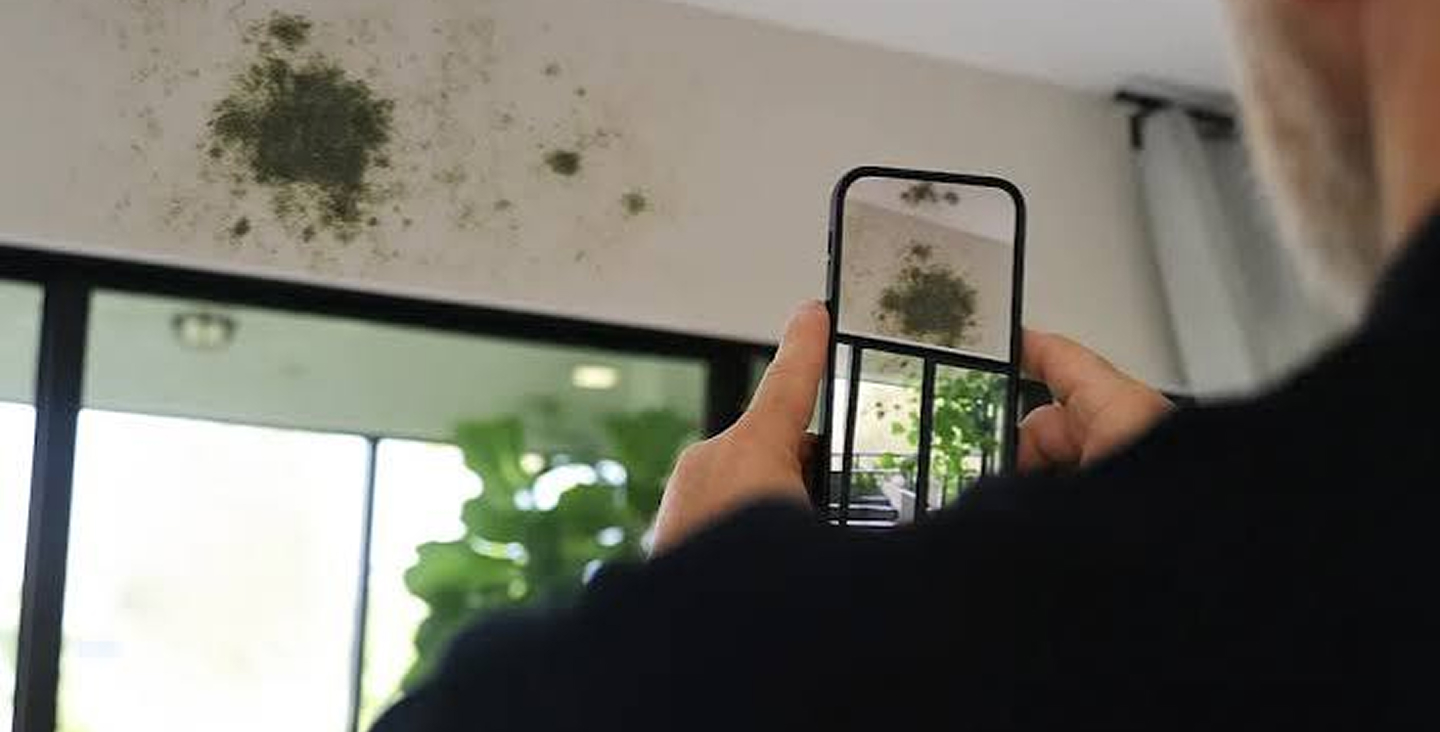
- Mold removal
- Moisture management
- Removal of environmental contaminants
- Treatment of Deteriorated Concrete
- Corrosion resistance
- Stabilization of structures prior to repairs
Remediation is especially important for buildings in Florida because:
- Too much humid weather
- Hurricanes
- Tropical storms
- Corrosion by saltwater near coastal areas
- Torrential downpour
- Water Damage during floods
Structural repairs without remediation are doomed to fail because the cause of failure is not corrected.
What is a Structural Repair?
Structural repair is the process of restoring a damaged structural member to a condition where it can safely carry the design loads.
Structural repair is not remediation. This involves the repair or replacement of damaged structural elements such as:
- Base
- Beams
- Columns
- Slabs
- Walls
- Roof framing
- Parking garages
- Balconies
Repairs are usually designed by structural engineers after detailed engineering calculations and inspections.
Instances of what they do are:
- Injection of cracks
- Carbon fiber reinforcements
- Concrete repair
- Replacement of steel reinforcing bars
- Underpinning of the foundation
- Cable repair in the post-tensioning phase
- Reinforcement or ensuring the stability of masonry
The repair engineer should verify that the repaired components conform to the provisions of the existing building code and structural performance requirements.
Key Differences: Structural Repair and Building Remediation
Well, they are often together but with different goals.
Building Remediation
- Removes degradation causes
- Prevents additional damage
- Improves environmental safety
- Prevention orientation
- Often, prior to structural work
Structural Repair/ Restoration
- It fixes the structural integrity.
- Repair of damaged parts of the building
- Improves structural strength
- Keen focus on engineering fixes
- It is performed when the building is finished and stabilized.
Remediation is the treatment of the disease. Structural repair is repairing the damage caused by the disease.
Why Florida Buildings Need Both Services
The environment impacts Florida properties in ways you won’t find anywhere else.
More usual ones are:
Water penetration
Continued wetness leads to:
- Mold
- Decay of timber
- Concrete deterioration
- Hardening of reinforcing steel due to corrosion
Remediation means the removal of sources of moisture before repair.
Damage from the Weather
Flying debris and high winds can cause damage to:
- Building systems roofing
- Exterior walls.
- Structural Framing
- Foundations
Emergency stabilization is followed by structural repair to restore the damaged load-bearing systems.
Exposure to Saltwater
Enhanced corrosion rate of coastal structures is seen.
The construction of the repair includes:
- Concrete restoration
- Non-corrosive Material
- Protective Coatings
- Strengthening replacement
Such restoration techniques may also extend the life of the building by years.
The Standard Repair or Restoration Process
A well-defined engineering workflow is the basis for successful restoration projects.
1. Structural Assessment
Engineers will inspect the property for the following:
- Body damage
- Water influx
- Movement of the foundation
- Material deterioration
- Safety concerns
More sophisticated testing can be done with moisture mapping, concrete sounding, drone inspections, and structural analysis.
2. Assessment of Damage
They have worked out why it has been falling.
Common reasons include:
- Leaks in the plumbing
- Roof collapsing
- Bad drainage
- Settlement of the foundation
- Corrosion
- Defects in construction
And it will not happen again if you can find the source.
3. Remediation Services
Remediation teams will mitigate hazardous conditions prior to beginning repairs by:
- Disposal of contaminated materials
- Drying of building elements
- Mold remediation
- Corrosion control
- Fixing broken places or other damaged areas
No structural repairs will begin until remediations have been completed.
4. Technology of Repair
Repair plans are based on the following by structural engineers:
- Construction regulations
- Calculation of load
- Material conditions
- Safety precautions
- Lifespan longevity
Every repair is specific to the building.
5. Reinstatement of the Structure
Approved restoration methods are used by contractors to engineer repairs.
This may include:
- Repairing concrete
- Replacing steel reinforcement
- Beam stiffening
- Column base
- Stabilization of the foundation
- Waterproofing systems
Final inspections verify that work complies with engineering standards.
What is the Importance of Professional Engineering?
Some owners feel that if they fix the cosmetic problems, the structural problems will be taken care of.
The cracks can’t be painted over, or damaged areas re-painted to fix:
- Hidden corrosion
- Water intrusion
- Foundation movement
- Load shedding
Professional repair engineering consists of:
- Appropriate and specific structural analysis
- Designs for repair compliant with codes
- Long-term performance
- Limited liability
- Improved documentation of insurance claims
It also provides for prioritization of repairs as it relates to safety and reduces unnecessary demolition by providing engineering oversight.
Choosing the Right Restoration Partner
When you are choosing remediation services in Florida, make sure the company has expertise in structural engineering and remediation.
It needs to be built by a seasoned team that performs:
- Comprehensive checks
- Root-cause analysis
- Repair design with engineering insights
- Plan for restoration
- Help and support for construction
- Quality control
- Assessment after repair
An experienced engineering consultant makes communication easier, and each part of the project fits with the overall restoration plan.
Why Do Property Owners Work With Prema Consulting Group?
For Prema Consulting Group, restoration is more than just fixing what is broken. The team uses the latest engineering skills and proven restoration methods to determine the source of structural problems and offer lasting, code-compliant solutions.
When a property has been impacted by water intrusion, hurricane damage, concrete deterioration, or structural distress, Prema Consulting Group provides comprehensive assessments and repair engineering, remediation planning, and construction support services tailored to the needs of each project.
By incorporating remediation and structural repair into a planned process, clients will end up with safer buildings, a longer service life, and reduced maintenance costs in the future.
Conclusion
Building remediation and structural repair are often mentioned in the same breath, but they are two different processes. Remediation is to remedy causes of deterioration, including structural repairs to the strength and stability of the building.
Because of Florida’s climate, moisture exposure, hurricanes, and aging infrastructure, both services are often essential for property owners. Your investment is safe, and results are lasting through expert repair engineering, proven restoration techniques, and thorough evaluation.
Need remediation services in Florida? Prema Consulting Group has the experience to help you navigate your project from the first inspection through the last restoration, helping make sure your building remains safe, resilient, and built to last.
Frequently Asked Questions
Building remediation is the process of remediating causes of damage, such as moisture, mold, or corrosion. Structural repair involves restoring the strength and stability of damaged structural components such as foundations, beams, and columns.
If there are any ongoing issues that contribute to structural deterioration, such as water intrusion, mold growth, or environmental contamination, always remediate first.
The humid climate, heavy rainfall, hurricanes, and exposure to coastal salt make buildings more vulnerable to moisture damage, corrosion, and structural deterioration. Remediation is often the first step in protecting buildings.
Repair engineering entails structural evaluations, load determination, repair design, material specifications, and restoration plans, as needed by code, for the safe repair of damaged building systems.
Prema Consulting Group provides comprehensive structural assessments, remediation planning, repair engineering, restoration design, and construction support to deliver safe, robust, and long-lasting building restoration solutions.
Our Related Services
Need Expert Forensic Engineering & Building Assessment Insights?
Get our accurate, evidence-based analysis to identify root causes, assess structural integrity, and make confident decisions.
Get in Touch →