

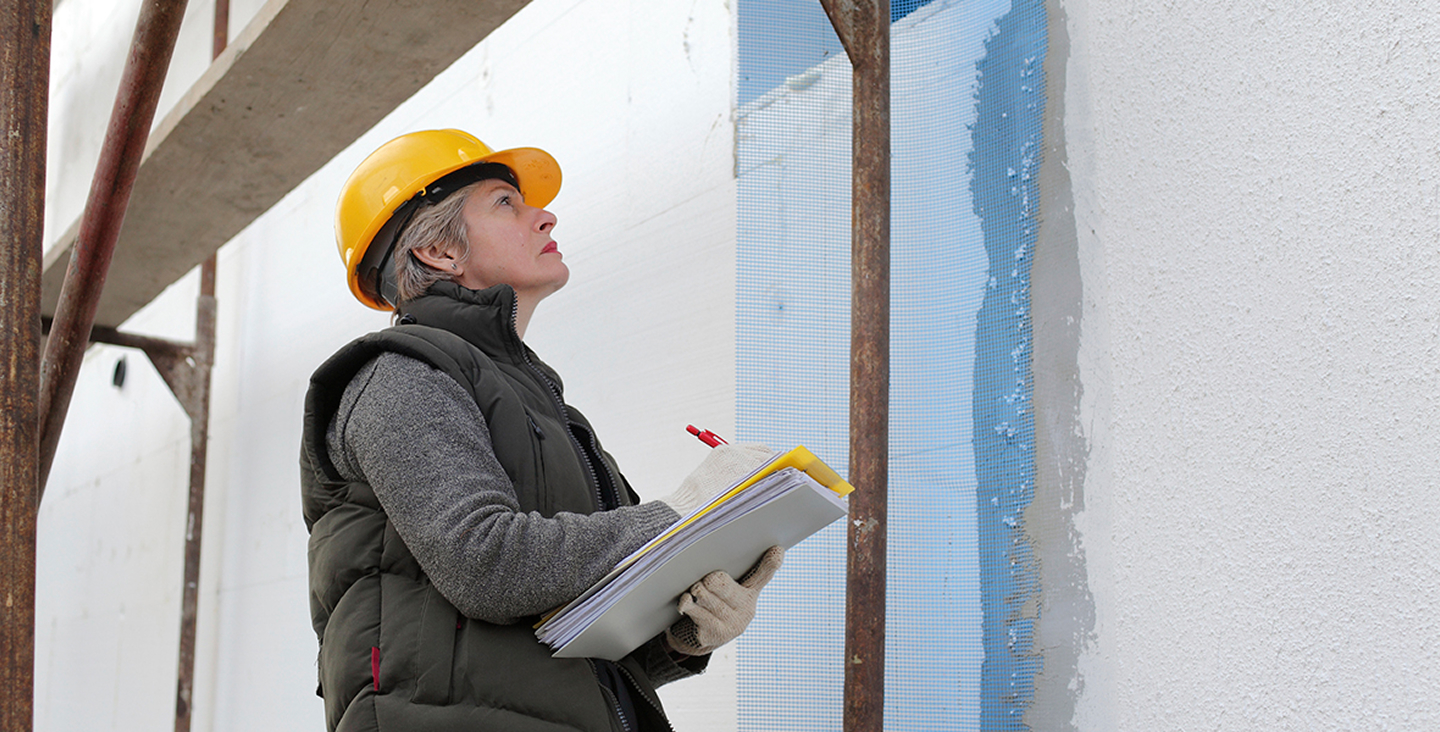
How Building Remediation Experts Assess Structural Damage Before Repairs
Introduction
Damage to a building can happen fast, or it can take a long time. This depends on things like bad weather, water getting inside the foundation, moving, a fire, or old materials that are not good anymore. You might see cracks or floors that’re not even, and this can be a sign that something is wrong.. Sometimes you do not know how bad the damage really is until someone who knows what they are doing looks at the building. That is why you need to get building remediation experts who have a lot of experience to find problems with the structure of the building that we cannot see by looking at it. Building remediation experts are important because they can find these problems.
This will help you figure out if the damage is on the surface or if it is a sign of a bigger issue with the structure. The main thing is that it gives property owners the information they need to make choices that will keep the people living there healthy, keep the property value up, and help reduce the cost of fixing things later on. Property owners can use this information to protect the health of occupants and the value of their property.
At Prema Consulting Group we begin every remediation project at Prema Consulting Group with a check of the structure to find out what is really going on with the deterioration at Prema Consulting Group, rather than just looking at the problems we can see. This way of doing things at Prema Consulting Group helps us come up with remediation plans for Prema Consulting Group that really work and make the building safer and last longer, at Prema Consulting Group.
Why should We Assess Structural Damage?
Most building problems start small and only get worse if left untreated. Small cracks can be an indication that the foundation is moving. Moisture can damage structural members. Corrosion can cause a loss of strength in steel members concealed within walls or ceilings.
The professional structural assessment will enable you to:
- Determine the causes of structural distress
- Measure the extent of damage
- Repair only what is necessary
- Prioritize safety concerns
- Develop low-cost repair approaches
- Extend building lifespans
If not properly evaluated, the repairs will only fix the visible damage, and the damage below the surface will continue to affect the structure.
Common Causes of Structural Damage
First, the professionals are going to look at what caused the damage and then start a remediation project. The most common causes are:
Movement of the Structure’s Foundation
Settlement, expansive soils, erosion, and poor drainage can all cause a building to move its foundation. This can result in cracks in the walls, uneven floors, and shifting of the structure.
Water Inflow
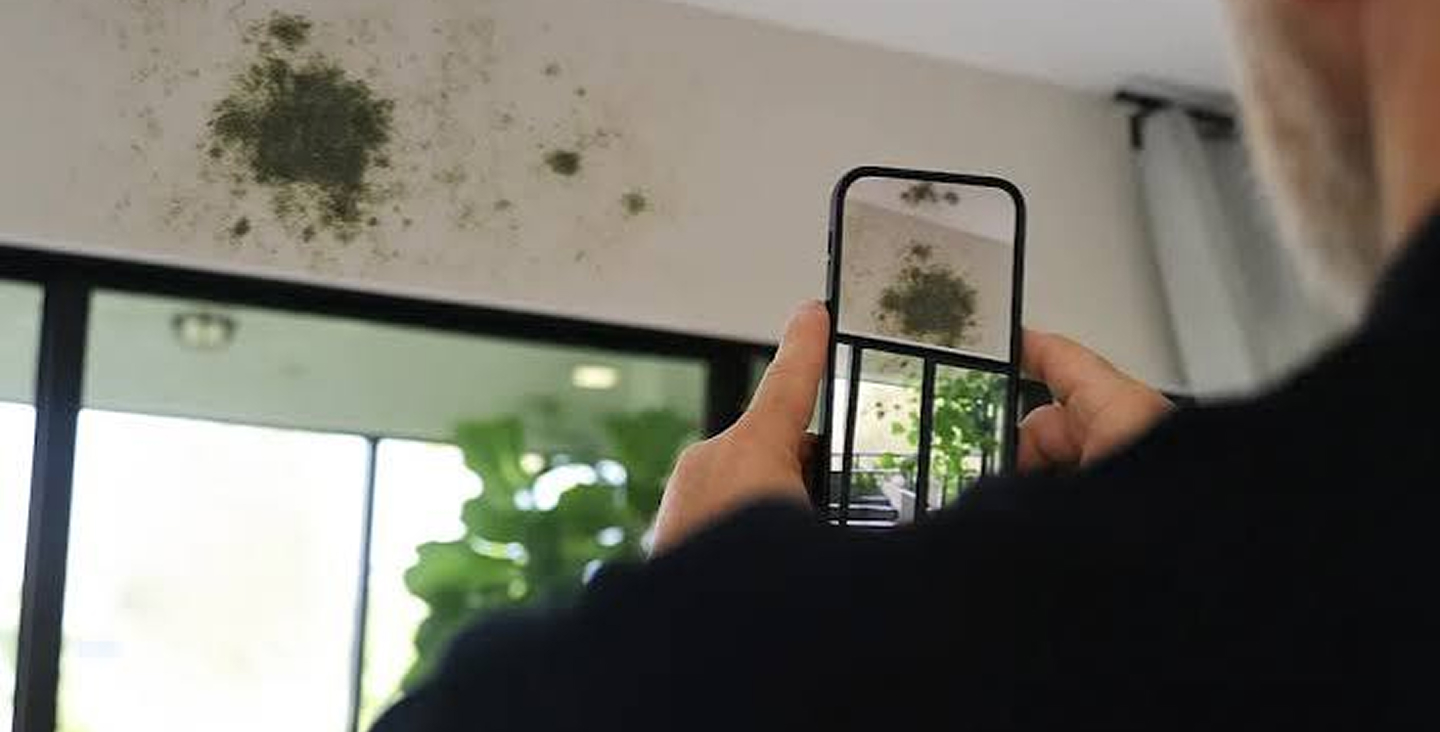
One of the primary causes of structural deterioration is the omnipresent moisture. Water damage to wood framing, corrosion to steel, deterioration of concrete, and mould growth.
Natural Disasters
Floods, hurricanes, earthquakes, tornadoes, and violent storms can weaken structures in a variety of ways, depending on the type of building and location.
Material Degradation
A structure’s performance gradually decreases due to things like carbonation of the concrete, corrosion of the reinforcing steel, rotting wood, old roofing systems, and exposure to weather.
Construction Weaknesses
Failure of the structure due to poor workmanship, design errors, or inappropriate materials is premature.
The important thing is to know what caused the problem because remediation is about removing the source of the problem, not just fixing the damage.
The Process of Assessing Structural Damage
Building remediation professionals utilize a systematic process that includes engineering knowledge, field observations, and technical analysis.
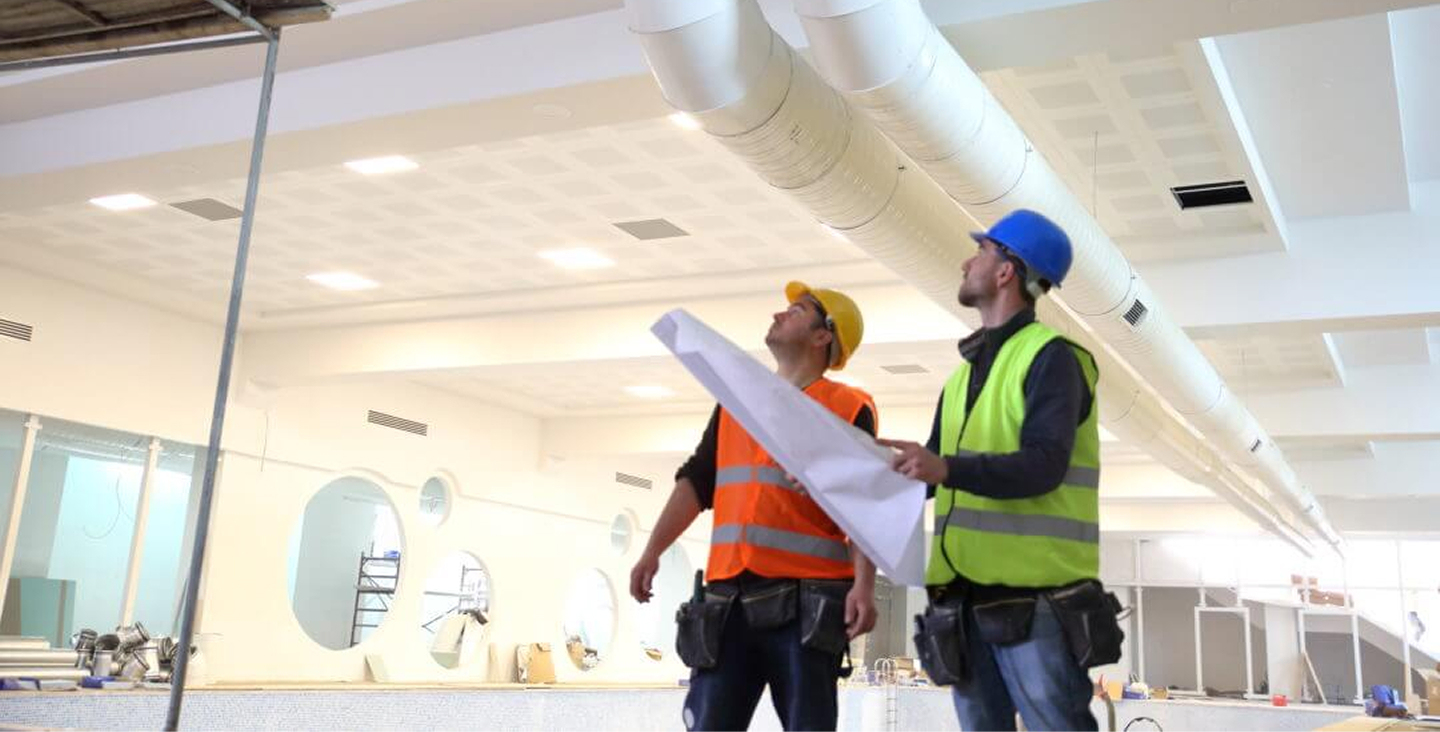
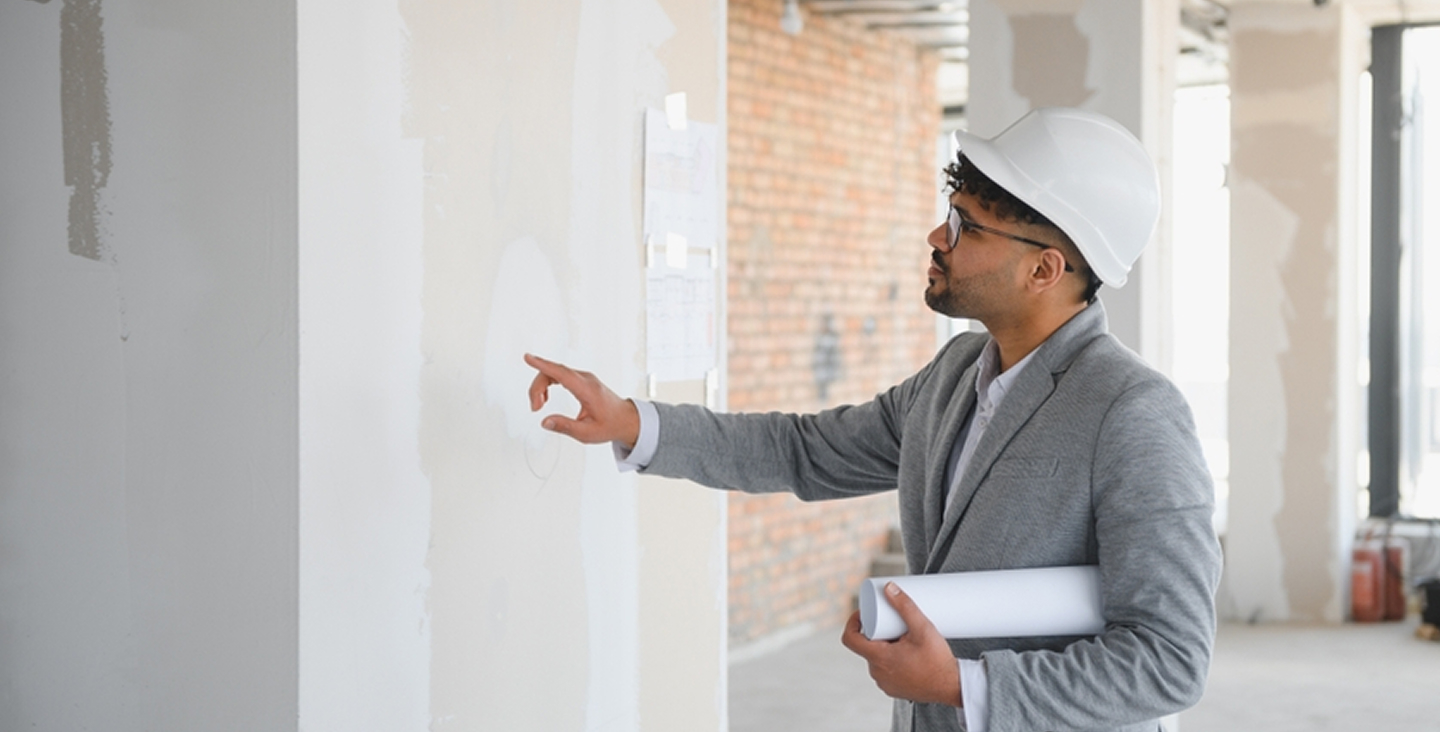
1. Inspection of the Construction Site
Every appraisal starts with a thorough site visit.
During the first inspection, specialists check the following:
- Walls inside the home or the exterior ones?
- Foundation systems
- Frame of the overall structure
- Roofing systems
- Columns and rafters
- Floors and ceilings
- Doors and windows
- The whole building shell or envelope
Property owners need to focus on looking for prominent signs of trouble, and at the same time, where they may need to dig deeper.
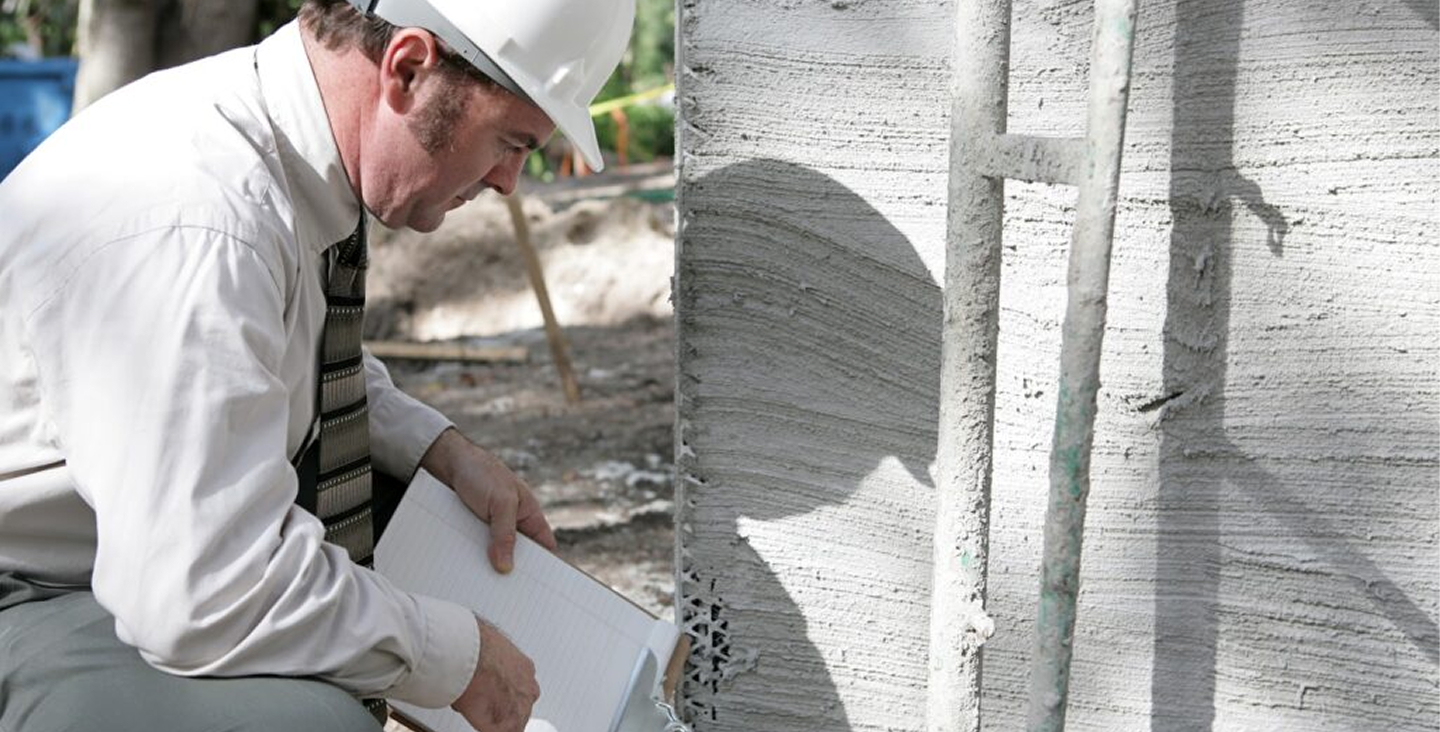
2. Report on Existing Conditions
Good documentation is the foundation of a remediation project.
The experts often write:
- Size and location of the crack
- Changes in the floor level
- Water damage restoration
- Corrosion
- Structural displacement
- Surface degradation
- The signs of building movement
The future comparison is based on photographs, measurements, sketches, and electronic reports.
3. Complete Structural Survey
Visual conditions are then recorded, and a complete structural evaluation is completed by engineers.
This phase recognizes:
- The stability of structural components
- Load-bearing capacity
- Degradation level
- Urgent repair requirements
- Safety concerns
It takes into account: age of the building, type of construction, original design, exposure to the environment, and maintenance history.
But the professional people are looking at the performance of the total structural system and not at the individual defects.
4. Check for Moisture and Water Intrusion
Water sources are of high interest to remediation professionals as moisture is often the cause of structural failures.
The usual areas examined are:
- Leaky roofs
- Window areas
- Damaged exterior walls
- Drainage system.
- Plumbing issues
- Basement water leak
- Foundation waterproofing systems
Specialized moisture detection equipment can locate hidden water intrusions without tearing things apart.
When repairs are made, structural damage need not recur by detecting moisture pathways.
5. Material Condition Review
Each building material decays in its own way.
Building remediation experts check:
For concrete,
- Cracking and flaking
- Spalling
- Delaminations
- Corrosion of reinforcement
When it is steel,
- Rust
- Lost sections
- Deterioration in connections
In cases of wood,
- Decay and rotting
- Damage by insects and pests
- Deterioration caused by water
For brickworks and masonry,
- Mortar deterioration
- Brick movement
- Cracks in the settlement
Material reviews are conducted to determine whether parts can be repaired or must be replaced.
6. Assessment of Foundations
Remediation planning is one of the most important areas, and this is the area that supports the whole building.
Review of experts says:
- Settlement.
- Differential movement
- Soil status
- Drainage capacity and conditions
- Shattered structures
- Cracks in buildings
- Displacement of foundations
Issues in the foundation can lead to the reappearance of cracks all over the building.
7. Safety Evaluation and Risk Assessment
Not all structural defects are dangerous at the moment.
Findings are categorized by remediation professionals as:
- Safety of the occupants
- Structural integrity
- Probability of progressive collapse
- Exposure to the environment
- The usage of buildings
- Compliance with regulatory requirements
This allows the owner to decide which repairs should be done now and which can be included in a future maintenance plan.
Remediation Plan Development
Remediation specialists write remediation recommendations after the assessment is complete.
Such recommendations could include:
- Stabilization of structures
- New foundation
- Concrete restoration
- Waterproofing improvements
- Protection against corrosion
- Building envelope restoration
- Drain repair and corrections
- Reinforcement of structures
The goal is to achieve the recovery of the structural performance with the least disturbance and control of the project costs.
Why Expertise Matters
Visual inspection alone is rarely enough to diagnose structural damage. Building remediation experts know that. So they offer the technical expertise necessary for building restoration or remediation.
Experts carefully look at:
- Building systems development
- Structural engineering principles
- Material performance
- Moisture behavior
- Construction methods
- Codes of buildings
- Techniques of construction
- Repair technologies
That way, they can tell the difference between cosmetic damage and structural integrity threats.
A correct diagnosis will eliminate uncertainty, prevent unnecessary remedies, and result in better long-term results for the project.
How Prema Consulting Group Can Help Property Owners
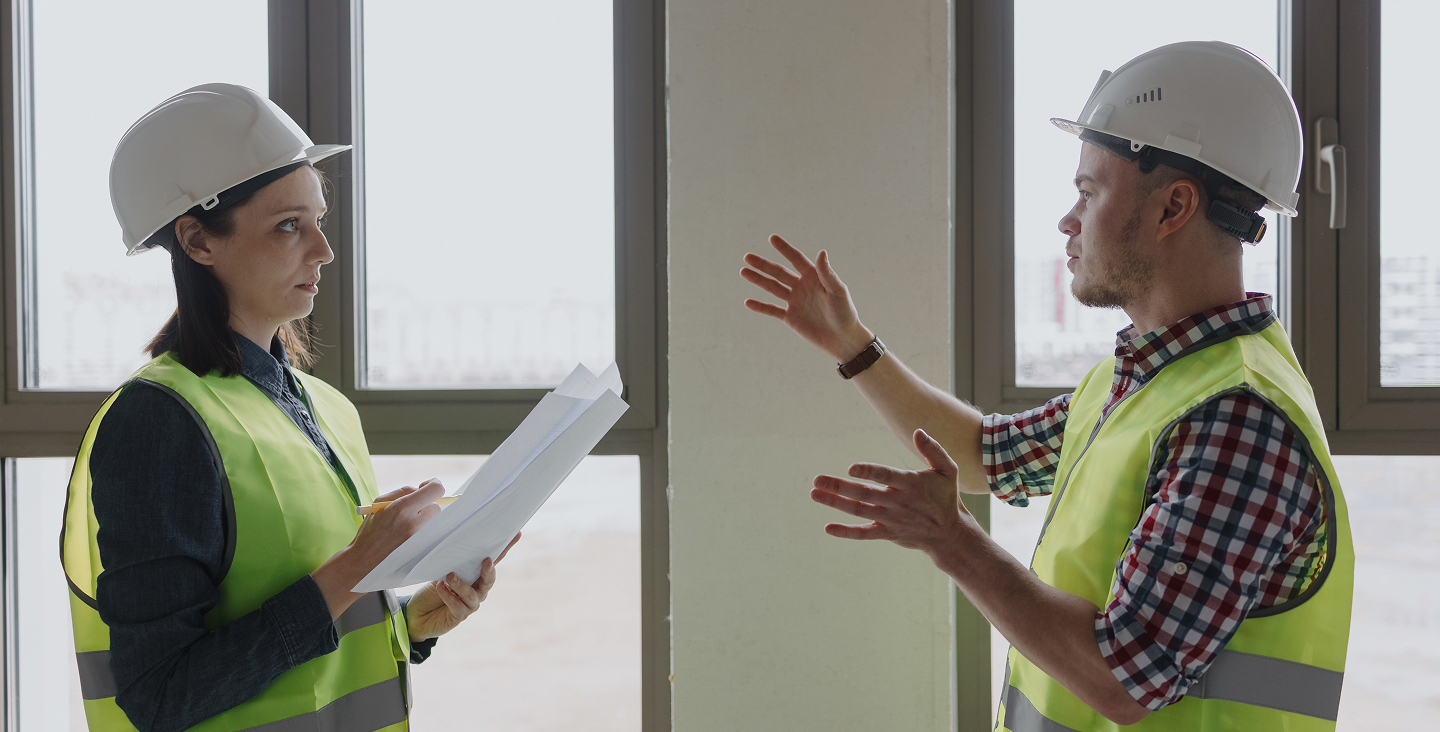
Prema Consulting Group engineers structural assessments that provide practical solutions, not stop-gap fixes. We use our technical expertise and investigations to determine causes of deterioration and develop remediation plans specific to each property.
Prema Consulting Group is a company that helps people with engineering problems. They want to make sure buildings are safe and strong. Prema Consulting Group does this by looking at damage from things like water getting into buildings, foundations settling, old materials falling apart, or bad weather like hurricanes. They help people make decisions about what to do with damaged buildings. Prema Consulting Group is about keeping buildings safe and secure which is very important for the people who use them.
The company offers full inspection, detailed reports, and strategic repair recommendations. Working with clients across the U.S., they extend the life of their buildings and lower future risk.
Summing Up
Damage to a structure is rarely confined to below the surface. Hidden rot, water damage, movement of the foundation, and aging materials may result in more serious structural problems if not treated. That’s why it’s so important to work with qualified building remediation experts, as they will be able to find the true source of the damage and plan effective repairs.
A general structural assessment, along with a professional inspection, offers the technical expertise necessary to protect occupants, protect investments, and extend the life of commercial and residential buildings. Prema’s systematic evaluation process and engineering-based recommendations give property owners the confidence to move forward, assured that remediation efforts will be targeted, efficient, and built for long-term performance.
Frequently Asked Questions
Environmental services for buildings are the identification, regulation and cleanup of environmental problems that can impact the safety of buildings, their performance and the quality of air inside them. Often these services can help provide a healthier environment for the occupants by solving mold, water intrusion, hazardous materials, indoor air quality problems and contamination.
Property owners that are still having problems with moisture, mold, musty smells, water damage, indoor air quality, recurring leaks or signs of contamination may want to consider environmental remediation services. If you intervene early you can prevent more extensive damage and therefore the cost of long term repairs.
Moisture problems can lead to mold growth, structural damage, damage to building materials, poor indoor air quality, and increased maintenance costs. The key to preventing the environmental problem happening again is to find and fix the source of the moisture.
Contamination control are the procedures used to control and prevent the spread of harmful contaminants during remediation. This may include but is not limited to: isolation barriers, negative air pressure systems, HEPA filtration and controlled work areas to protect occupants and unaffected areas of the building.
Environmental services can be applied to a wide range of property types including commercial offices, healthcare, schools and universities, industrial, government, multifamily, retail and hospitality.
A typical remediation project includes:
- Complete Building Evaluation
- Moisture and Contamination Testing
- Contamination control methods
- Contaminated material disposal
- Decon repair
- Final inspection & acceptance testing
This is a systematic way to keep buildings healthy and performing well over the long term.
Yes. Environmental remediation is the process of removing contaminants such as mold, moisture related pollutants, dust and other airborne particles that can negatively affect indoor air quality. It also addresses root causes to help prevent future air quality problems.
Construction environmental services with an engineering approach to serve the needs of each and every property. Prema Consulting Group has a team that, with that approach, offers comprehensive inspections, strict contamination control, moisture remediation and sustainable remediation techniques to help property owners keep their buildings safe, code-compliant and long-lasting.
Our Related Services
Need Expert Forensic Engineering & Building Assessment Insights?
Get our accurate, evidence-based analysis to identify root causes, assess structural integrity, and make confident decisions.
Get in Touch →