

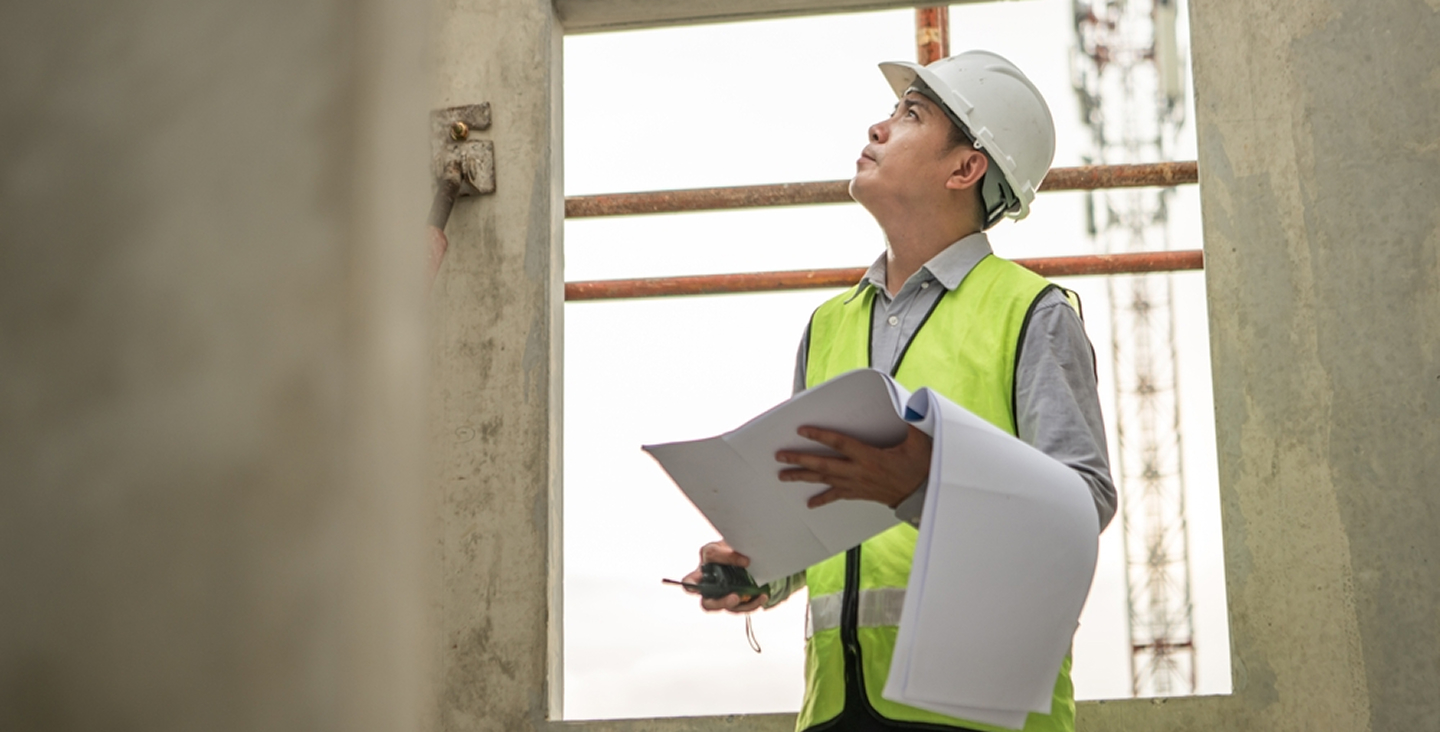
Difference Between Remediation and Reconstruction
As a building begins to decline, property owners often face an important question: is it time to repair the building or time to rebuild? The answer depends on a number of factors, including the extent of the damage, the structural condition of the building, the long-term costs, and performance expectations in the future.
The Florida climate can be tough. High humidity, salt air, hurricanes, and heavy rain are hard on commercial property and can cause it to deteriorate faster. The proper answer is not to look at it, but to have engineering knowledge and knowledge of the building’s condition.
That’s where remediation services in Florida can help. They will assess the structure to identify the causes of deterioration and will recommend remediation or reconstruction as the best long-term value instead of assuming replacement is required. This will be done by experienced engineers.
Prema Consulting Group’s approach to every project starts with a thorough engineering review, giving owners the confidence that decisions are being made with structural performance, safety, and lifecycle costs considered.
What is Building Remediation?
Building remediation means renovating an existing building, repairing damaged parts, and preserving as much of the original building as possible. The aim is to repair damage and heal the causes of damage, and improve long-term performance without replacing the whole structure.
Examples of remediation projects include:
- Repair of concrete
- Reinforcement of structure.
- Stabilization of the foundation.
- Improvements in waterproofing
- Protection from corrosion
- Restoration of Masonry
- Building Envelope Restoration
- Balcony and Garage Refurbishment
Remediation is not simply about fixing the visible damage, but about addressing the underlying causes of decay.
What Is Reconstruction Engineering?
It is the process of restoring part or all of a structure when it is no longer practical, safe, or cost-effective to repair. This may involve replacement of the main structural systems, redesign of damaged parts, or erection of a new building on the existing site.
Reconstruction is often referred to when:
- There is extensive structural damage
- Systems showcase fatigue
- Building systems have reached the end of their service life
- It’s more expensive to repair than replace
- Building codes demand a lot more
- Natural disasters caused havoc
Reconstruction often means demolition, redesign, and new construction, not repair.
Repair vs. Reconstruction: How to Tell the Difference
They both have different goals, but both make buildings safer.
Building Repair or Remediation
Remediation will be where possible preservation of the existing structure.
The main objectives are:
- Building life span extension
- Address structural weaknesses
- Greater resilience
- Less maintenance needed
- Back to safe running
If the main structural system is intact, remediation is usually the best option.
Reconstruction
Reconstruction is the replacement of damaged parts or whole structures that are no longer safe to use.
The objectives are:
- Replacement of structural systems beyond repair
- Adherence to the new building code
- Functionality Improvements
- New occupancy support requirements
- Creating long-term resilience
Repairing or replacing–whatever we choose, it must not be based on looks but on the desired engineering results.
What Engineers Think about Before Recommending a Solution
You need to carefully evaluate the building’s condition to choose the best approach.
1. Structural Integrity
The engineers check that the main structure is capable of carrying the design loads
They evaluate:
- Beams Columns
- Foundations
- Floors systems
- Weight-bearing walls
- Roof Framing
Many of these systems, if structurally sound, can be remedied.
2. Material Deterioration Level
General repair of localized deterioration is possible.
There can be structural elements that are badly damaged, which give enough reasons to rebuild.
Some common issues are:
- Spalling of concrete
- Reinforcement corrosion
- Water penetration
- Masonry Cracking
- Sinking of foundations
Also, it is important to know how far the deterioration has gone to make cost-effective decisions.
3. Safety Issues
Occupant safety is always the first priority.
Engineers will determine if the current damage is an immediate threat to structural integrity or if temporary stabilization can allow remediation to continue as planned.
Safety assessments generally include:
- Structure analysis.
- Material Testing
- Load Testing
- NDT Non-destructive testing
- Studies on corrosion
4. Long-run Costs
The cheapest solution today might not be the cheapest solution tomorrow.
The engineers believe:
- Repair cost
- Future maintenance cost
- Expected life of service
- Operational disruptions
- Lifetime value
Well-designed remediation projects can provide decades of reliable performance at a fraction of the cost of reconstruction.
5. Compliance Requirements
Florida’s building codes are still being written, especially in coastal communities and in hurricane-prone areas.
Older buildings may need to be retrofitted to meet:
- Structural safety criteria
- Wind load standards
- Features for Accessibility
- Fire sprinkler systems.
- Efficiency standards
Engineering consultants assess the impact of code requirements on repair or rebuild alternatives.
The Reasons for the Preference of Remediation in Most Cases
Many commercial buildings can be safely kept in service with proper engineering remediation.
The benefits:
Lower Project Costs
In many cases, it is far cheaper to restore existing structural systems than to rebuild.
Faster Construction Time
Remediation projects generally mean shorter timelines, getting businesses back to work sooner.
Less Operational Disruption
Many repairs can be ‘staged’ to minimize disruption to tenants and occupiers.
Sustainable Building Practices
The existing asset is preserved, decreasing demolition waste and the need for new construction materials, and leading to more sustainable asset management.
Making Building Service Life Extended
A quality engineering repair can greatly extend the useful life of a building, and at the same time improve its performance and reliability.
When Reconstruction is Needed
When remediation is advantageous but reconstruction might be necessary:
- Structural systems catastrophically failed.
- Economically, the foundation instability cannot be corrected.
- Repairs have been carried out, but the problems remain.
- Requires major reconstruction for future habitation.
- Too much hurricane, flood, or fire damage to fix.
In these cases, reconstruction engineering allows for the creation of a safer, more resilient facility that meets today’s building codes.
Why You Need a Professional Engineering Evaluator
Each building has its own structural characteristics, its own history of maintenance, and its own exposure to the environment. If proper diagnostics are not used to make decisions on repairs, unnecessary costs or recurring issues can be created.
Advantages of Professional Engineering Consulting:
- comprehensive condition assessments.
- structural analysis.
- repair feasibility studies.
- management of life-cycle cost.
- risk evaluation.
- quality assurance in construction repair planning.
These services provide owners with tools to make educated guesses based on engineering proof.
Why Choose Prema Consulting Group?
Prema Consulting Group knows that each building is unique in its challenges. Our engineers have worked with property owners, facility managers, and project teams to determine which is the most practical solution, remediation or reconstruction.
We offer the following services:
- Structure evaluation
- Planning for building remediation
- Design & repair Instructions
- Support for the engineering of reconstruction
- Construction management,
- Consultation on long-run asset handling
Whether it’s localized repairs or complete reconstruction, we aim to provide solutions that improve safety, prolong the life of buildings, and maximize the value of your investment.
Conclusion
One of the most important decisions facing a property owner is whether to rebuild or repair. If the damage to the structure is too great, then rebuilding is inevitable. But in many cases, buildings can be remediated and continue to serve their purpose if the remediation is performed by a professional.
Florida property owners can benefit from expert remediation services that repair deterioration, improve structural performance, and extend the life of existing buildings at a fraction of the cost of replacement. Prema Consulting Group offers you the confidence to decide to repair or rebuild with detailed assessments, practical repair strategies, and expert reconstruction engineering advice to guarantee safe, durable, and cost-effective results.
Frequently Asked Questions
Restoration services repair and restore damaged areas to improve safety and extend the life of the structure, and fix what makes a building deteriorate.
Remediation is the repair and preservation of an existing building. Reconstruction means rebuilding all or part of a building when it is no longer possible or economically feasible to repair it, either because it costs too much or is too much trouble.
Reconstruction is normally recommended when the amount of structural damage is such that the cost of repair is greater than the cost of replacement or when the building cannot be brought up to current safety and code standards by repair alone.
Florida’s humidity, its location on the coast, hurricanes, and heavy rains can speed up the decay of buildings. Property owners can rely on professional remediation services to address these problems and reinforce the structure, safeguarding the property’s long-term value.
Our Related Services
Need Expert Forensic Engineering & Building Assessment Insights?
Get our accurate, evidence-based analysis to identify root causes, assess structural integrity, and make confident decisions.
Get in Touch →