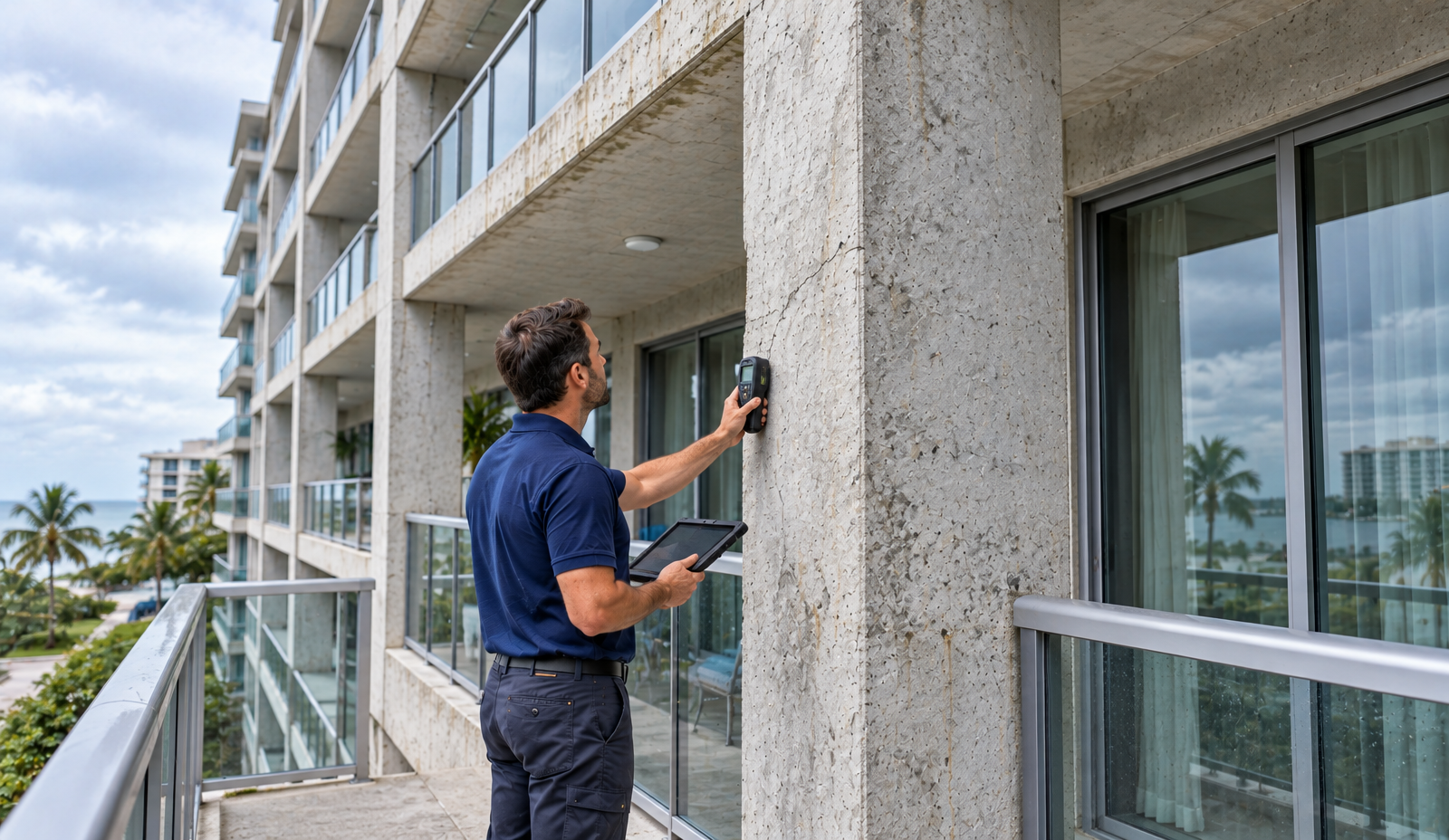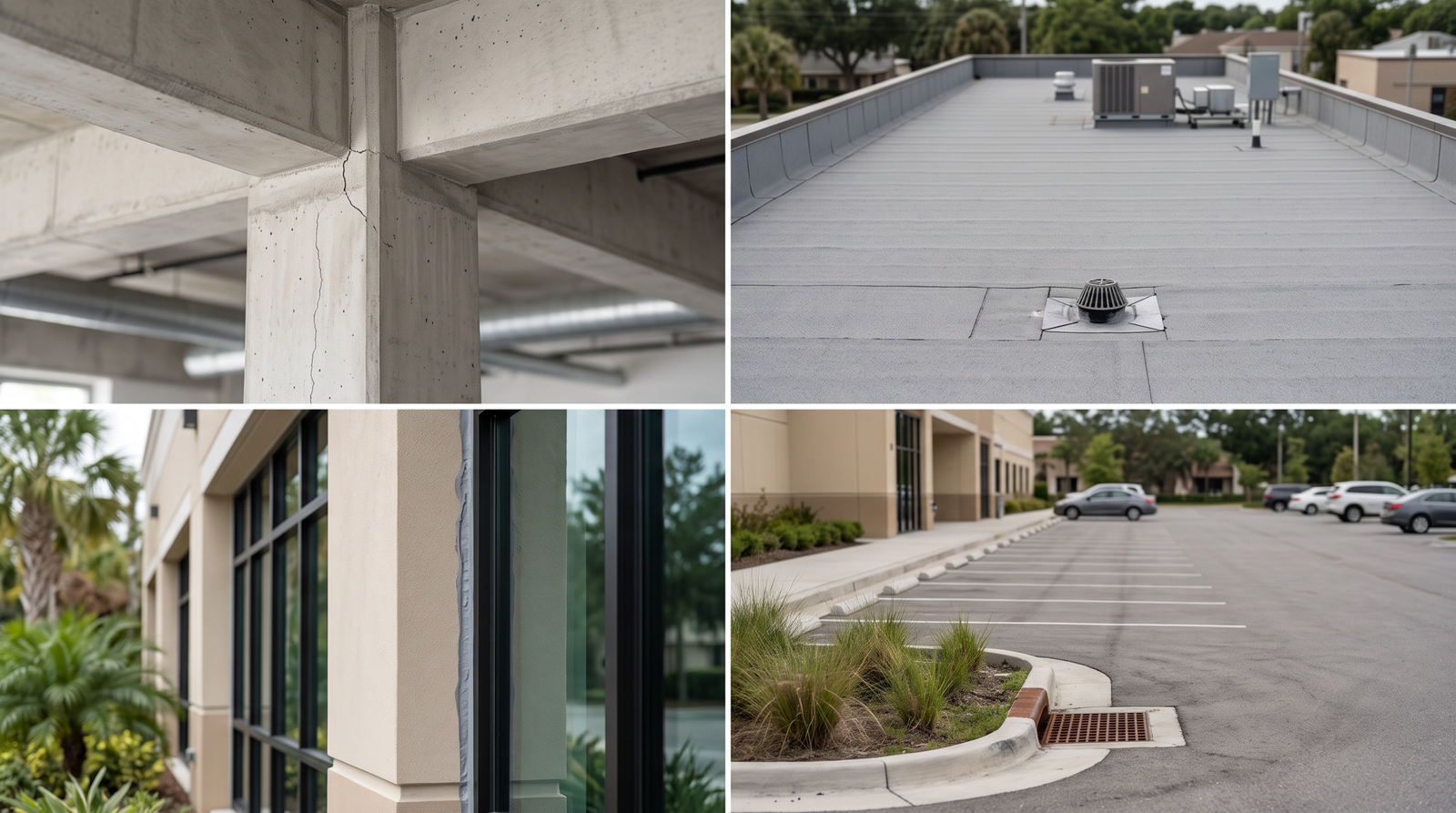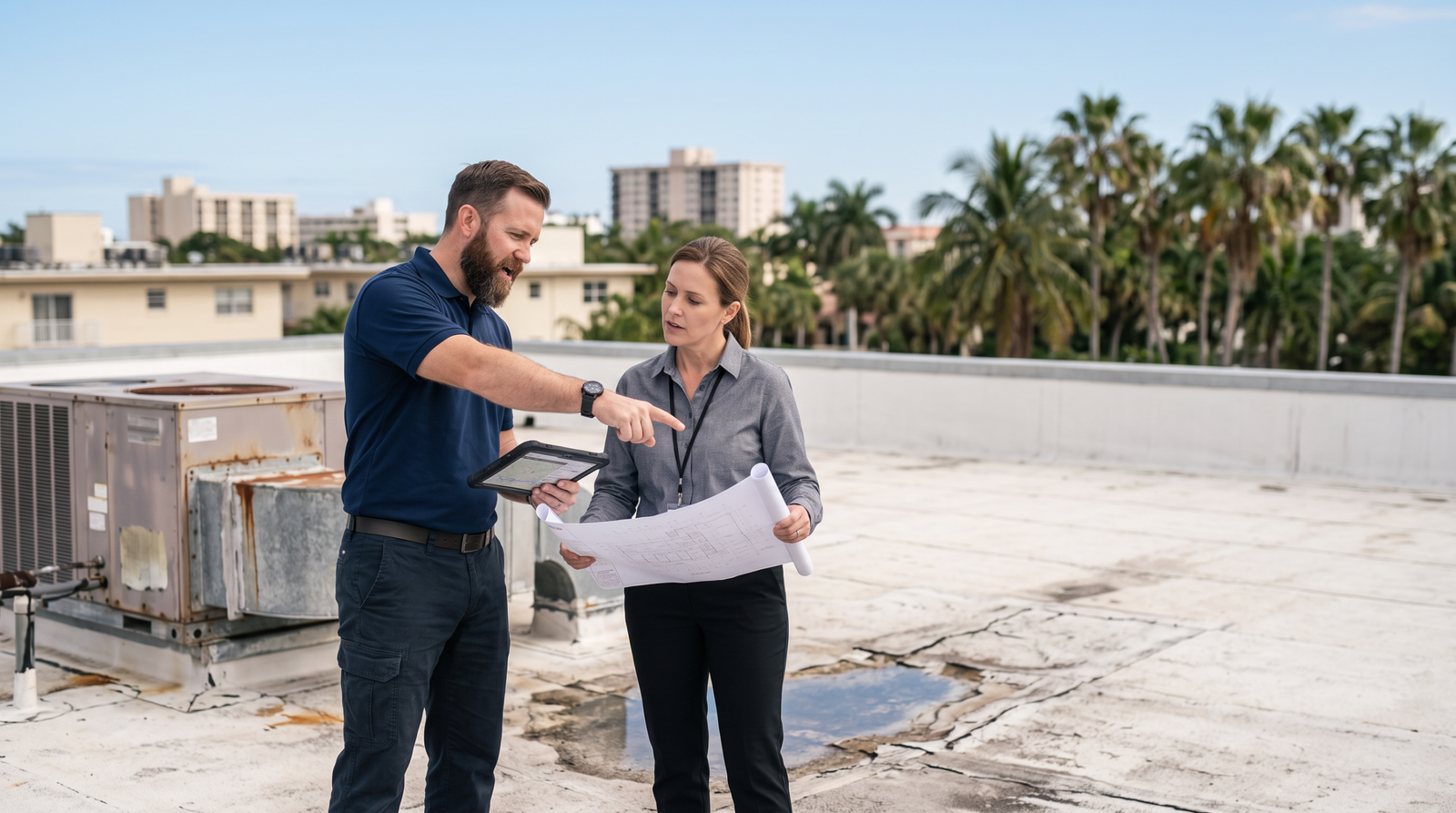

A Florida milestone inspection must be performed by an architect licensed under Chapter 481 or an engineer licensed under Chapter 471 who is authorized to practice in Florida. Section 553.899 also allows a professional team under a registered design professional in responsible charge, with work and reports signed and sealed by the appropriate qualified team member. [1]
For condominium and cooperative associations, verifying eligibility is the first step. Selecting a provider also requires reviewing the proposed team’s experience with the building’s structural systems, the inspection scope and the quality of the reporting process.
Prema provides qualified engineering professionals for Florida milestone inspections and emphasizes appropriate licensure, discipline, experience and report quality for the specific building scope.
Start With the Named Professional
A proposal should identify the professional responsible for the inspection, not only the firm offering the service. Ask for the individual’s name, Florida license number and role in the engagement.
Use DBPR’s official license-verification portal to check the record. Its search tools allow associations to locate licensees by name or license number. [2]
Review:
- Whether the record matches the proposed professional
- The profession and license type
- Current license status and expiration information
- Any restrictions or other information requiring clarification
Save a dated copy of the verification with the engagement records. If a record is unclear, obtain clarification from the relevant licensing authority before proceeding. A professional biography or a license from another state should not be used as a substitute for checking Florida authorization.
Licensure and Relevant Structural Experience Are Separate Questions
The Florida Board of Professional Engineers explains that Florida does not license engineers by engineering discipline. Engineers must be competent in the fields in which they practice. [3]
This distinction matters when selecting a milestone inspection provider. A Florida PE license establishes a licensing credential; associations should also ask how the proposed professional’s training and experience relate to the building and the structural evaluation involved.
Relevant experience may include evaluation of:
- Reinforced concrete and embedded reinforcement
- Structural steel and connections
- Wood framing and supporting components
- Masonry and load-bearing walls
- Balconies, elevated walkways and parking structures
- Structural deterioration and concealed conditions
These are practical selection considerations, not a separate statutory checklist of required certifications. Ask for examples involving comparable construction, building use and observed conditions rather than relying solely on years in business.
For a coastal concrete building, for example, experience evaluating reinforcement corrosion and concrete deterioration may be particularly useful. For another building, expertise in steel connections or wood framing may be more relevant.
Understand How a Professional Team Will Work
When multiple professionals are involved, the association should understand who leads the evaluation and how responsibilities are assigned.
Ask the provider to explain:
- Who will perform the site work
- Who will evaluate structural findings
- Which specialists may contribute
- Who will prepare and review the report
- Who will sign and seal the applicable work
- Who will answer board and building-department questions
Technicians, testing personnel and other specialists may contribute information to an investigation. Their involvement should support a clearly defined professional evaluation. The association should know which professional is responsible for interpreting that information and developing the engineering conclusions.
A larger team is not automatically necessary for every building. Team composition should follow the building systems, available records and technical questions that need to be addressed.
Confirm That the Proposal Is for a Milestone Inspection
Section 553.899 describes a structural inspection addressing load-bearing elements and primary structural components. Its purpose differs from an assessment of compliance with the building or firesafety codes. [1]
The written proposal should clearly identify the service being commissioned. A general building inspection, reserve study or targeted evaluation of one component should not be assumed to satisfy the milestone inspection requirement.
Associations should clarify:
- Which buildings and areas are included
- What records the provider will review
- What access is needed
- How inaccessible areas will be documented
- What deliverables are included
- How submissions and follow-up questions will be handled
- Whether additional evaluation requires a separate authorization
Comparing these details helps boards evaluate proposals on a consistent basis. Price comparisons are less useful when one proposal includes different buildings, access assumptions or reporting responsibilities.
Ask About Phase 2 Capability and Follow-Up
Phase 1 provides a visual structural assessment. Phase 2 is required if substantial structural deterioration is identified in Phase 1 and may involve testing. [4]
Before engagement, ask how the provider would respond if the findings require additional investigation. This does not mean Phase 2 should be presumed necessary or included as a fixed scope before the building is evaluated.
Useful questions include:
- How will further investigation needs be explained?
- Can the team coordinate targeted testing or specialist input?
- How will access and restoration of test openings be arranged?
- How will the additional scope, fee and schedule be established?
- Who will communicate any urgent recommendations?
Repair design and construction-phase engineering support should also be defined separately where needed. Inspection findings can inform those services, but the initial proposal should make clear whether they are included or require another engagement.
Evaluate Report Quality Before Hiring
DBPR describes a signed and sealed report and a separate findings summary. Reporting must address deterioration, recommended repairs, observed unsafe or dangerous conditions and items requiring further inspection. [4]
Ask whether the provider can share a redacted sample or explain its reporting approach. A useful report should allow board members and managers to connect observations with conclusions and understand the recommended next steps.
Look for:
- Clear identification of the building and inspected areas
- Photographs tied to specific locations and conditions
- Explanation of methods and access limitations
- Distinction between observations and professional interpretations
- Recommendations that identify appropriate follow-up
- Clear communication of unresolved technical questions
A report should not leave the association guessing which condition requires action or what additional evaluation is being recommended. Confirm whether a findings-review meeting is included and who will participate.
Review Disclosures for Proposed Follow-Up Services
Section 553.899 requires written disclosure of an inspector’s intent to bid on recommended maintenance, repair or replacement services. It also addresses specified relationships between inspection firms and providers bidding on recommended services. [1]
Ask for applicable disclosures during selection. Clarify how any later design or construction-support proposal will be scoped and evaluated. Transparent responsibilities help the board understand the relationship between the inspection engagement and subsequent services.
A Practical Provider-Selection Checklist
Before signing an agreement, confirm:
- The responsible professional is identified by name and Florida license number
- Current authorization has been checked through official licensing records
- Experience relates to the building’s structural systems and condition
- Team roles and signing responsibilities are clear
- The proposal explicitly addresses the milestone inspection scope
- Access assumptions, deliverables and reporting responsibilities are defined
- Further evaluation and repair-design services are clearly scoped
- Applicable disclosures have been provided
- The association has a primary contact for technical questions
Provide available drawings, prior reports, repair records and known-condition photographs early. Those records can help the provider define an appropriate scope and identify information gaps before the site visit.
Supporting Florida Associations With Qualified Engineering Evaluation
Selecting a milestone inspection provider requires both credential verification and a clear understanding of the proposed work. The right questions help associations connect professional qualifications with building-specific needs and understandable reporting.
Prema supports Florida condominium and cooperative associations with qualified engineering professionals, documented structural observations and clear communication of findings and appropriate next steps within the agreed scope.
Discuss Your Milestone Inspection Needs
Prema provides qualified engineering professionals for Florida milestone inspections, with attention to appropriate licensure, relevant experience and clear reporting for the specific building scope.
Contact Prema to discuss your milestone inspection needs
Primary Sources and Publication Review
Requirements reviewed October 8, 2026. Verify current statutes, licensing records and applicable local procedures before publication and engagement.
- Florida Legislature — Section 553.899, Mandatory Structural Inspections
https://www.leg.state.fl.us/Statutes/index.cfm?App_mode=Display_Statute&URL=0500- 0599/0553/Sections/0553.899.html
- Florida DBPR — Official License Verification Portal
https://www.myfloridalicense.com/wl11.asp?lookup=1&mode=0
- Florida Board of Professional Engineers — Professional Engineers, Licensure Guidance
https://fbpe.org/licensure/licensure-process/professional-engineers/
- Florida DBPR — Milestone Inspection Information
https://condos.myfloridalicense.com/inspections/
Frequently Asked Questions
Can an architect perform a Florida milestone inspection?
−Yes. Section 553.899 permits a Florida-authorized architect licensed under Chapter 481 or engineer licensed under Chapter 471. [1]
Must the provider hold a separate Florida structural engineering license?
+FBPE states that Florida does not license engineers by discipline. Associations should verify the Florida PE credential and relevant competence and experience. [3]
Can a contractor or home inspector perform the inspection based only on that credential?
+Those credentials alone do not meet the professional eligibility described in Section 553.899. Verify that the responsible professional meets the statute’s architect or engineer requirements. [1]
Where can associations verify a professional’s license?
+Use DBPR’s official license-verification portal and check the named individual’s record, profession and status. Contact the relevant licensing authority if clarification is needed. [2]
What should an association compare besides price?
+Compare relevant experience, team responsibilities, included buildings and areas, access assumptions, reporting quality, submission responsibilities and the approach to additional evaluation.
Our Related Services
Need Expert Forensic Engineering & Building Assessment Insights?
Get our accurate, evidence-based analysis to identify root causes, assess structural integrity, and make confident decisions.
Get in Touch →