
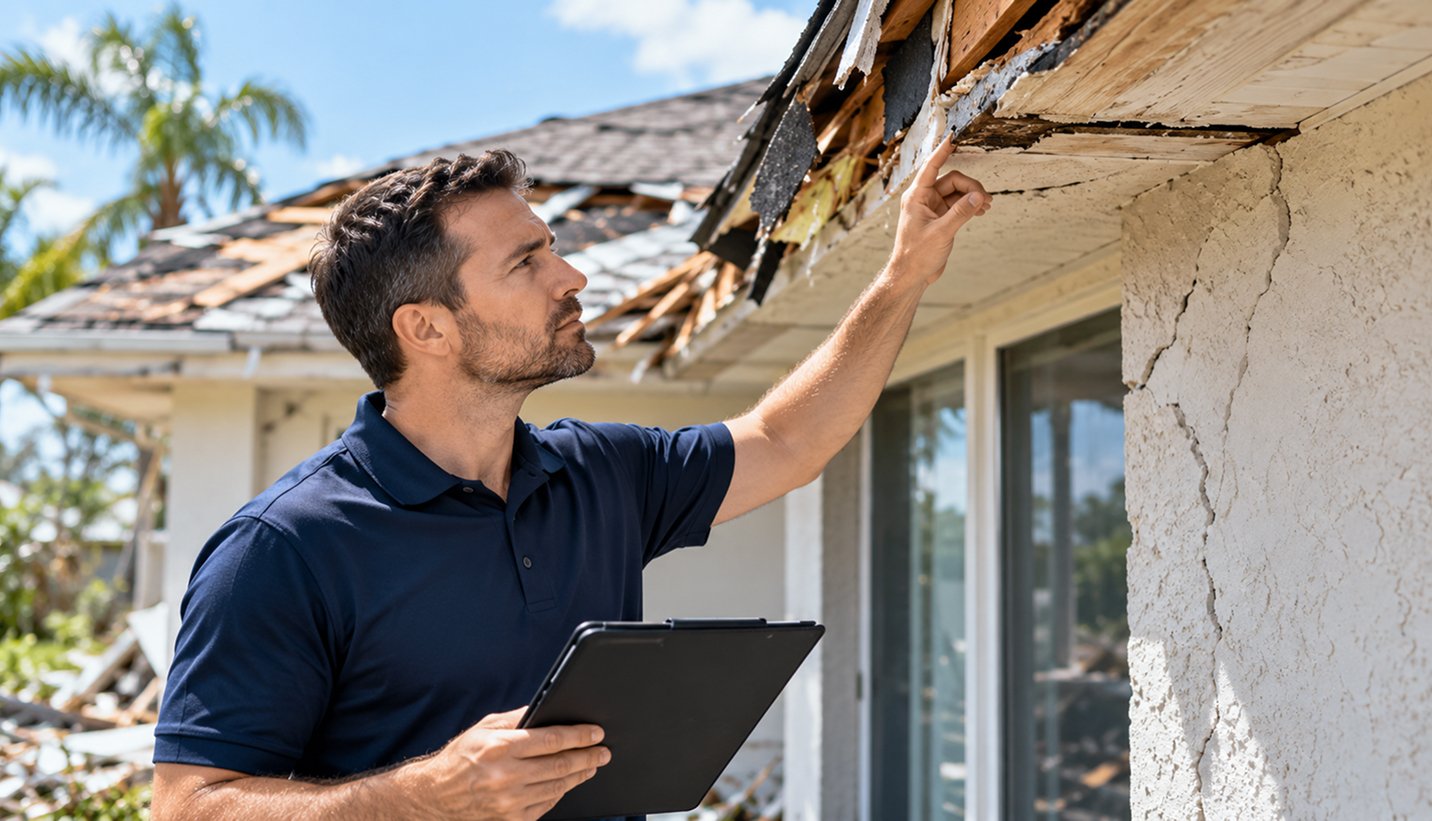
When to Call in a Forensic Engineer: 9 Property Claim Situations to Consider
Claims professionals do not need a forensic engineer for every property loss. Engineering involvement becomes valuable when physical evidence raises questions that a standard inspection, photographs, or repair estimate cannot answer. An independent forensic engineer can evaluate cause, damage consistency, building performance, and contributing conditions within a clearly defined assignment scope.
The following situations can help claims teams recognize when additional technical evaluation may be appropriate.
1. The Reported Cause Does Not Fully Explain the Damage
A reported event may not account for the location, severity, or distribution of observed damage. A forensic engineer can compare the reported cause with damage patterns, building characteristics, and other available evidence to determine which explanations are technically consistent with the conditions at the property.
2. Multiple Damage Mechanisms May Be Involved
Some losses involve overlapping conditions rather than one isolated cause. Water intrusion, for example, may involve storm-created openings, deteriorated sealants, drainage problems, installation deficiencies, or prior envelope conditions. Engineering analysis can help distinguish among these factors and evaluate how they may have contributed to the observed damage.
3. Storm Related Damage Requires Technical Evaluation
Wind, wind-driven rain, hail, and other weather conditions can create complex damage patterns. In Florida and other storm-prone markets, a forensic engineer may evaluate roof systems, exterior components, moisture pathways, and structural conditions to determine whether the location, pattern, and severity of damage are consistent with the reported storm event.
Relevant weather information, photographs, maintenance history, and prior repair records may also be considered when available.
4. Structural Movement Settlement or Cracking Is Reported
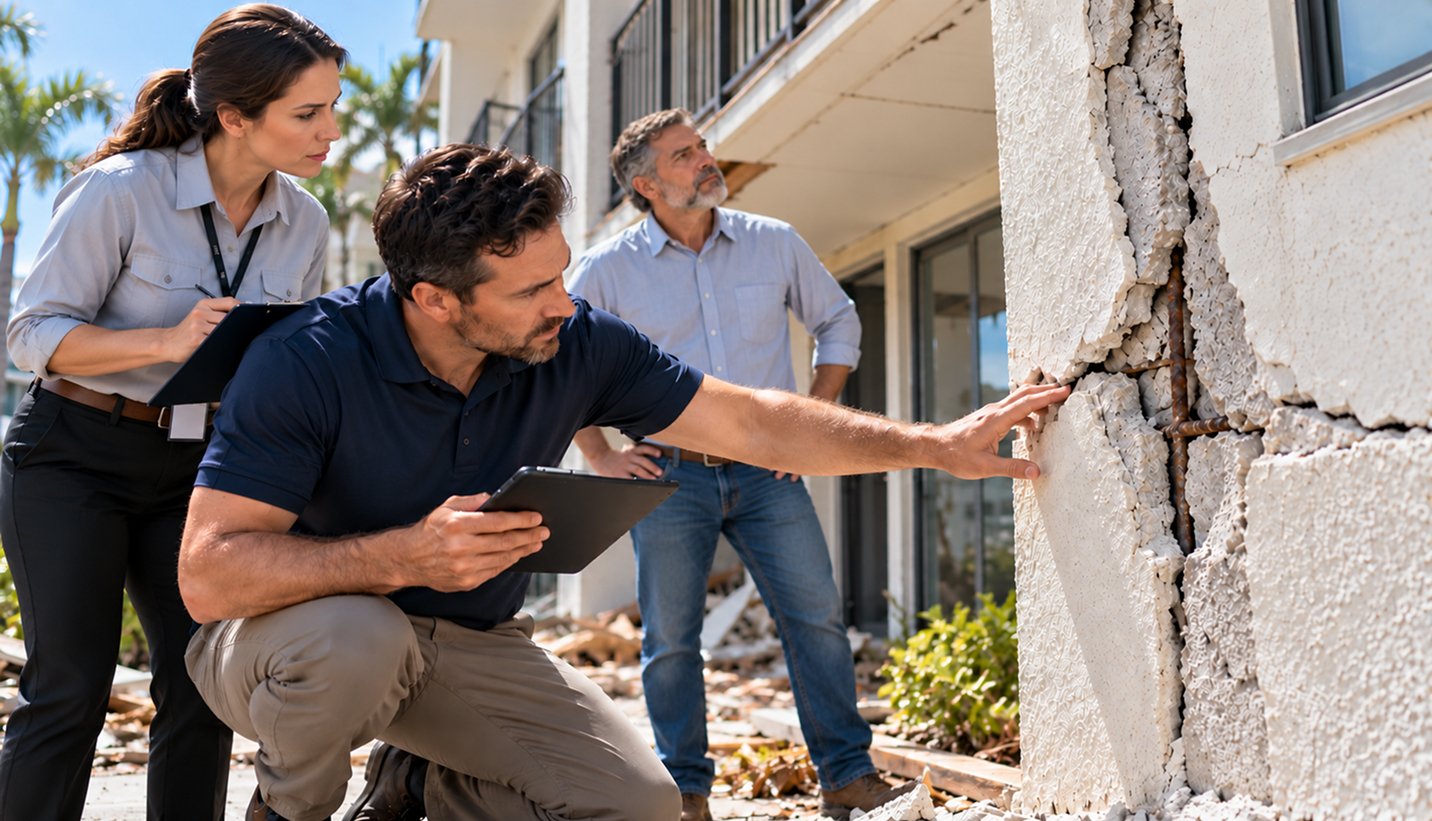
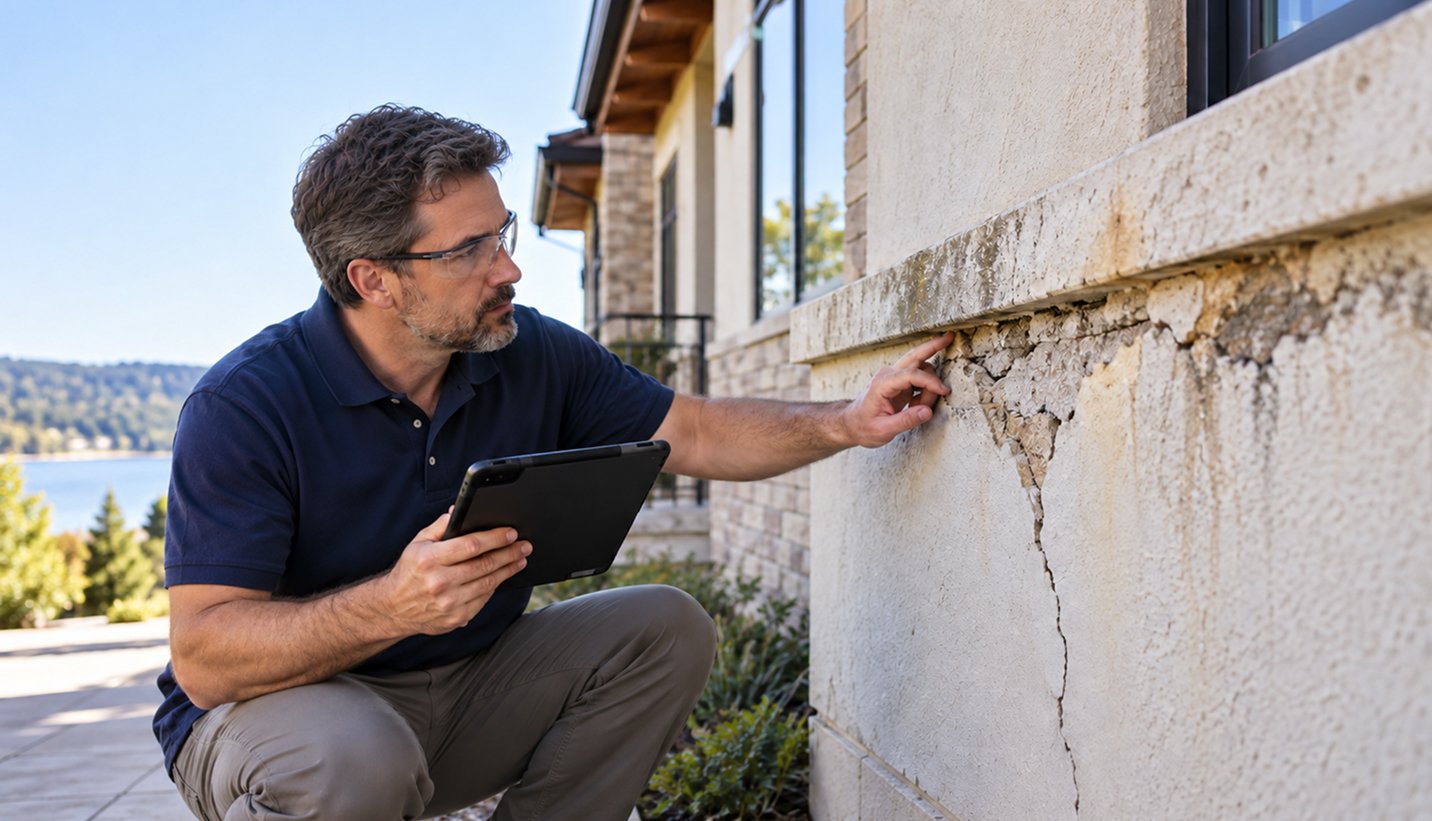
Cracks and movement can develop for different reasons, including foundation movement, differential settlement, material shrinkage, thermal effects, construction details, soil conditions, drainage, or prior building movement. A forensic engineer can evaluate the patterns and characteristics of the distress and determine which explanations are supported by the available evidence.
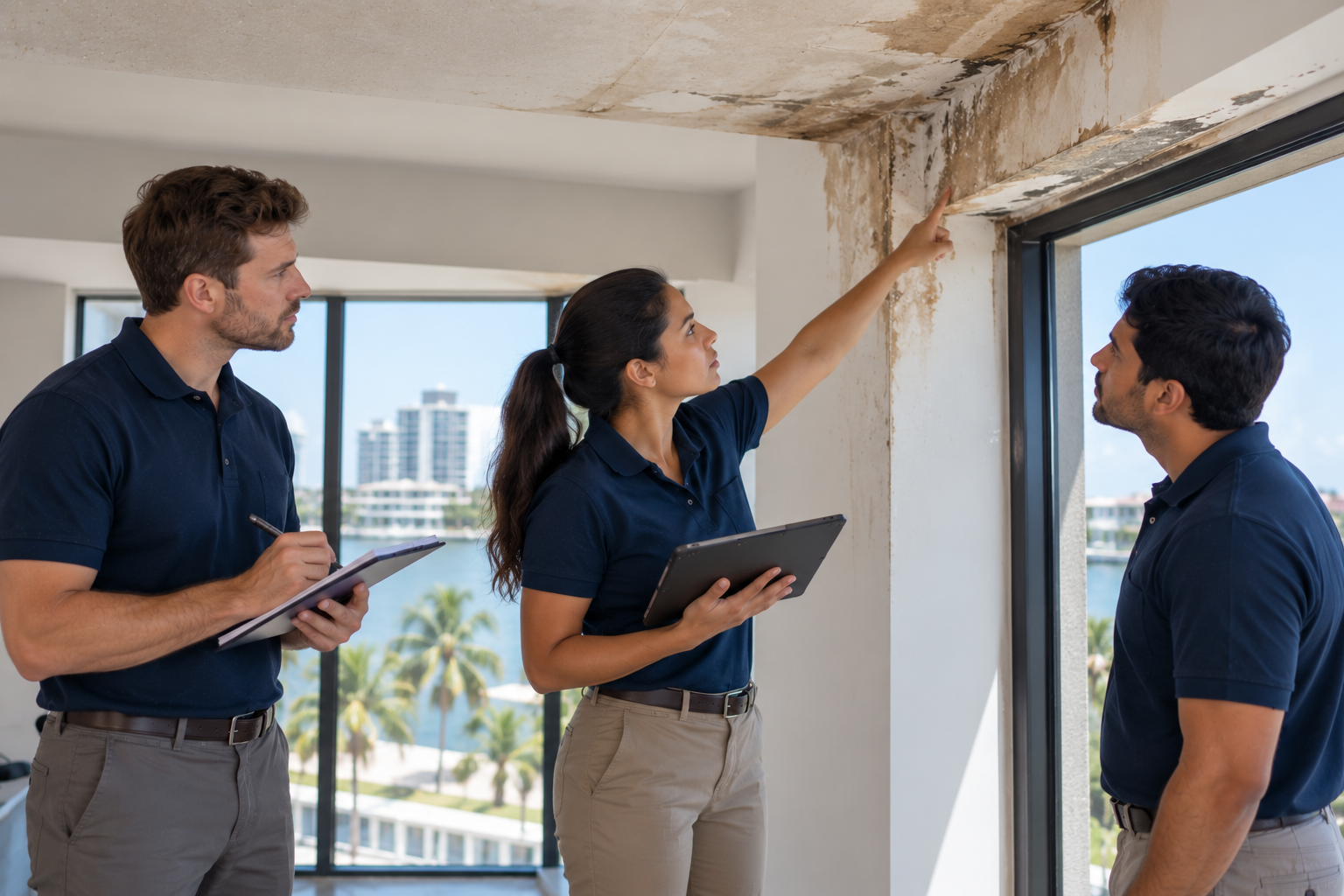
5. The Source or Pathway of Water Intrusion Is Unclear
Moisture may enter at one location, travel through concealed assemblies, and become visible somewhere else. An engineering investigation can evaluate likely entry points, pathways, affected components, drainage conditions, and contributing building-envelope concerns. Measurements, moisture readings, limited testing, or additional diagnostics may be recommended when visual observations alone are insufficient.
6. Roofing Stucco or Building Envelope Performance Is Questioned
Roofs, stucco, windows, flashing, sealants, wall systems, and transitions must work together to manage weather exposure. When one or more assemblies are questioned, a forensic engineer can evaluate installation characteristics, material conditions, interfaces, and damage patterns to help explain how the affected system performed.
7. Construction Installation or Material Performance May Have Contributed
Observed damage may involve questions about construction practices, installation deficiencies, material behavior, incompatible components, prior repairs, or long-term deterioration. An engineering evaluation can compare the physical evidence with available drawings, specifications, product information, and accepted engineering principles to assess potential contributing conditions.
8. Structural Stability or Life Safety Concerns Are Reported
Significant structural distress, partial collapse, impact damage, displaced framing, fire-related conditions, or other serious concerns may require prompt engineering involvement. The immediate assignment may focus on documenting observed hazards, identifying temporary precautions, or defining additional evaluation needs. A safety-focused assessment and a full causation investigation may require different scopes.
9. The Loss Is Disputed Technically Complex or May Proceed to Litigation
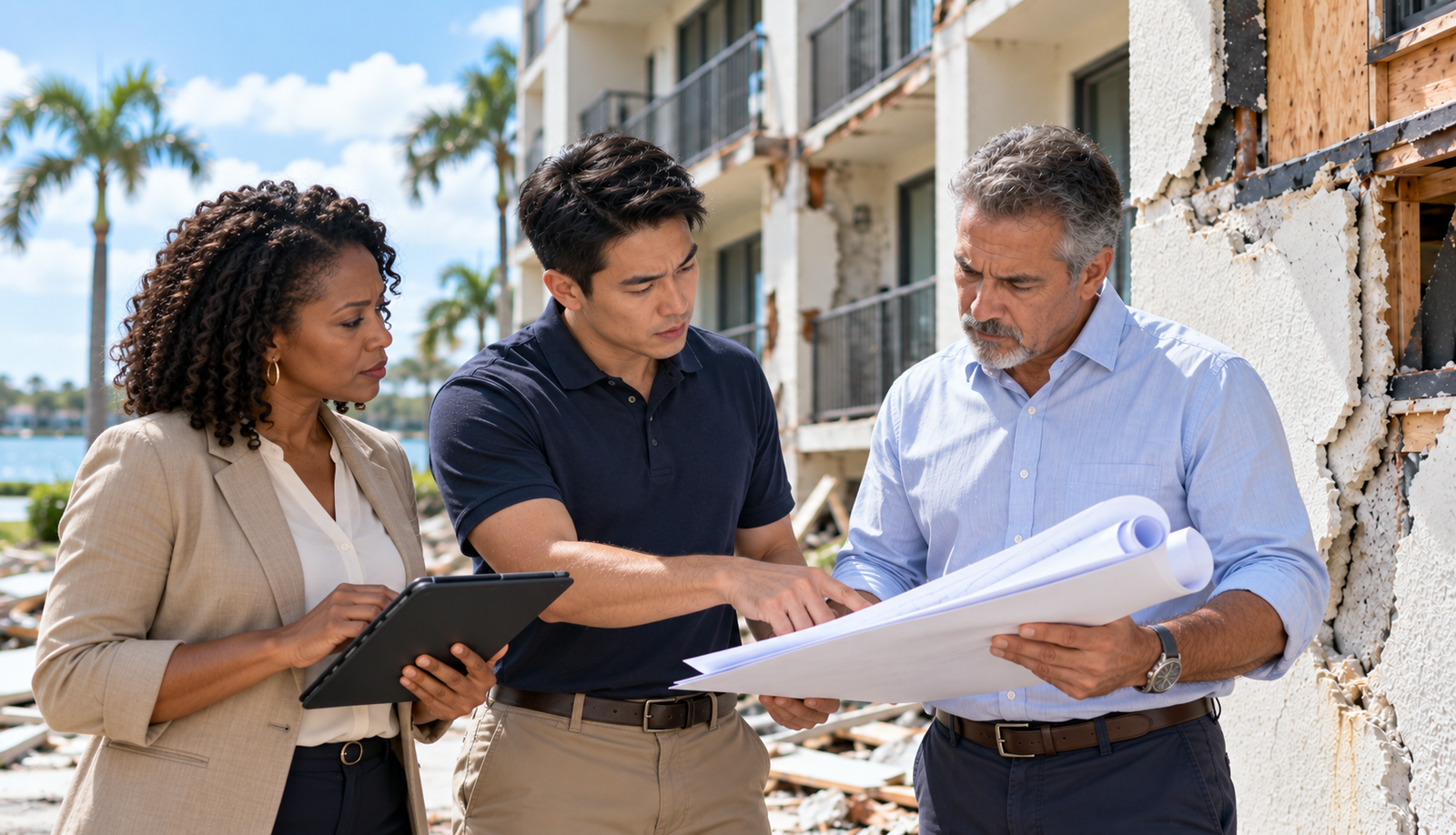
When parties interpret the physical evidence differently, an independent forensic engineer can document conditions, evaluate competing explanations, and provide technically supported opinions within the assignment scope. Clear separation of observations, analysis, and conclusions becomes especially important when a matter may involve appraisal, dispute resolution, or litigation.
When Should Claims Teams Involve a Forensic Engineer Early
Early involvement may be beneficial when repairs, demolition, cleanup, drying, or temporary protection could alter the conditions that need to be evaluated. Prompt coordination may also be important when:
- Physical evidence may be removed, repaired, or discarded
- Moisture conditions or visible damage may change over time
- Multiple parties need to coordinate access or inspections
- Specialized testing or additional experts may be required
- Evidence-preservation or litigation considerations exist
Early involvement does not mean every loss requires a full forensic investigation. It allows the claims team and engineer to define an appropriate scope before relevant information changes or becomes unavailable.
What Information Should Claims Teams Provide
A focused assignment begins with clearly defined technical questions. Helpful information may include:
- Date and description of the reported loss
- Photographs, videos, estimates, and repair records
- Previous inspections, claims, repairs, or known concerns
- Available drawings, permits, maintenance records, or building information
- Site contacts, access restrictions, and applicable deadlines
What Should a Forensic Engineering Report Deliver
A useful report should directly address the assignment questions and explain the engineering basis for the findings. Depending on the scope, it may include the documents reviewed, site observations, photographs, measurements, methodology, technical analysis, conclusions, and material limitations. The report should be understandable to non-engineers while remaining technically supported.
How Prema Supports Claims Teams With Forensic Engineering Evaluations
Prema Consulting Group provides independent forensic engineering evaluations for property claims involving uncertain causes, overlapping damage mechanisms, structural concerns, building-envelope conditions, and disputed technical issues. Our engineers work within clearly defined scopes to document physical conditions, evaluate the available evidence, and provide technically supported findings in clear, usable reports.
When appropriate, Prema can also support matters involving evidence preservation, technical disputes, litigation, and expert testimony.
Discuss a Forensic Engineering Assignment
If a property loss involves uncertain causation, conflicting evidence, structural concerns, or multiple possible damage mechanisms, Prema can help determine an appropriate engineering scope.
Discuss an Assignment with Our Forensic Engineering Team
Recent Blogs

Our Related Services
Need Expert Forensic Engineering & Building Assessment Insights?
Get our accurate, evidence-based analysis to identify root causes, assess structural integrity, and make confident decisions.
Get in Touch →