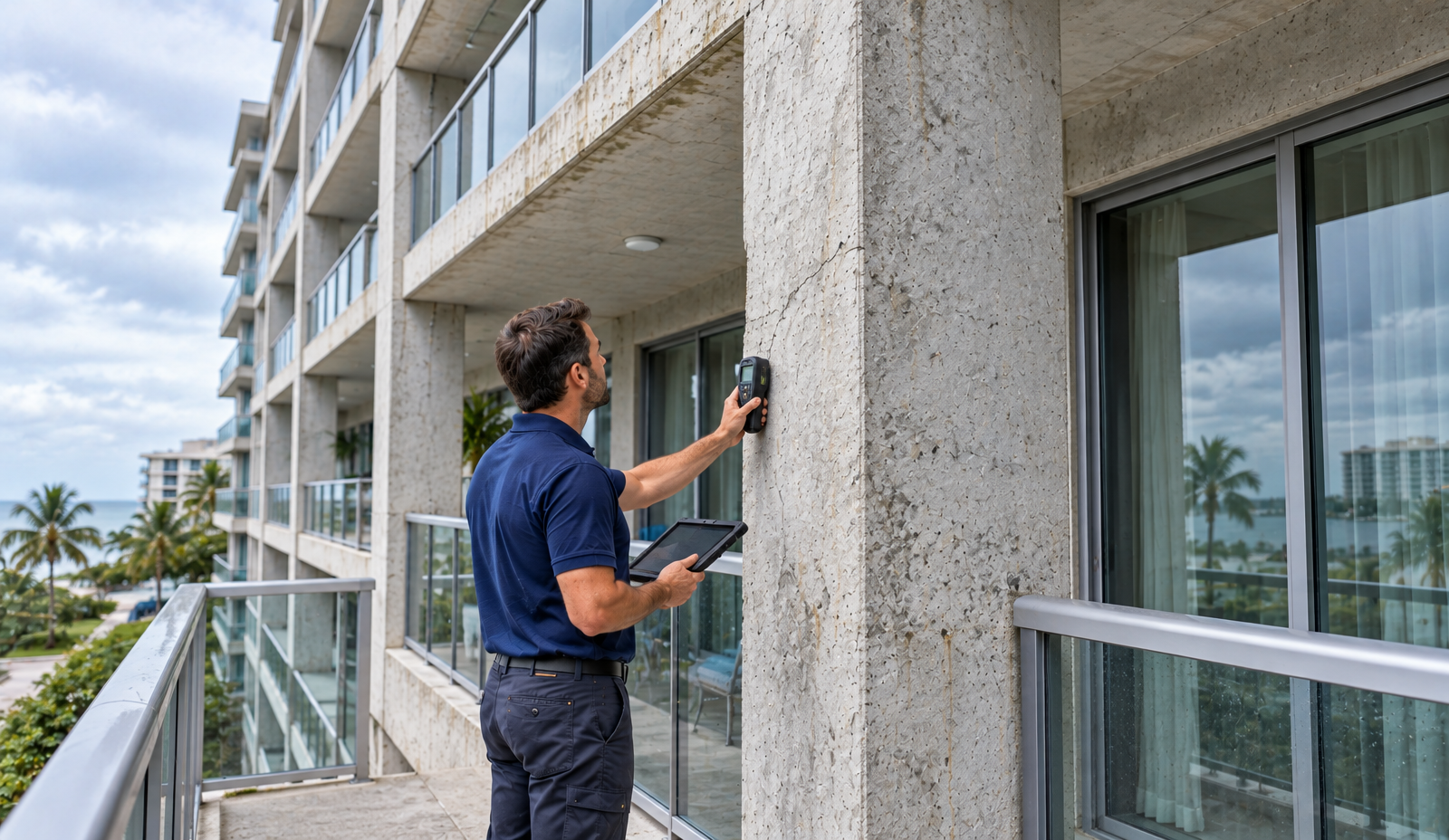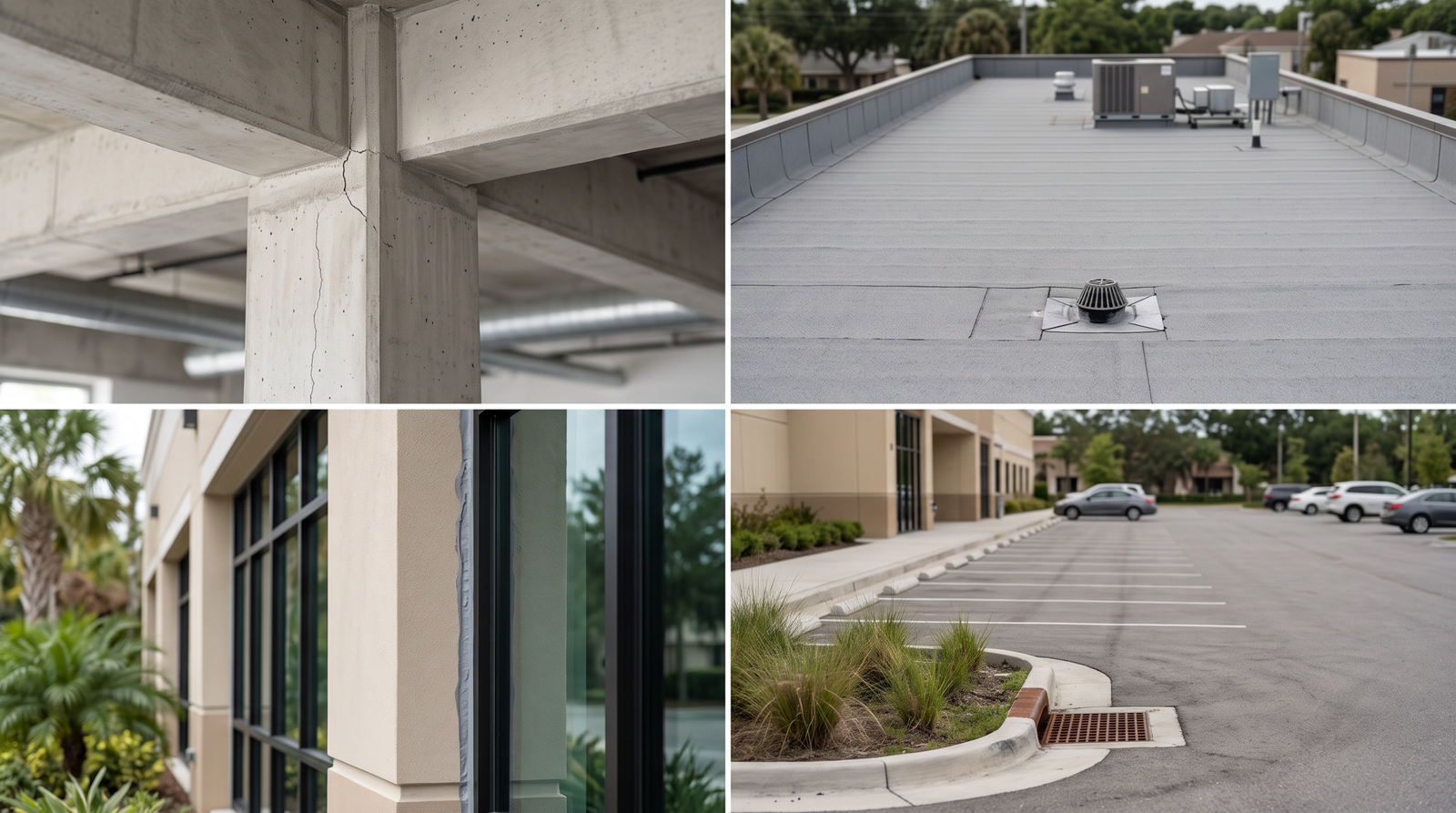

A milestone inspection evaluates a qualifying building’s structural condition. A structural integrity reserve study, or SIRS, evaluates specified building components and develops reserve-planning information for their future maintenance and replacement. Florida associations should treat them as separate requirements, even when related inspection work can be coordinated. [1–4]
For boards and community association managers, the comparison matters when defining professional services, organizing records and deciding what to do with the findings. One report should not be assumed to satisfy the other requirement.
Prema helps associations understand how milestone inspections and SIRS address different statutory and planning objectives and how findings may inform subsequent building evaluation or repair planning.
Requirements reviewed October 8, 2026. Verify current statutes, agency procedures, and association-specific applicability before publication and project planning.
Start With Each Program’s Purpose
Milestone Inspections Evaluate Structural Condition
Section 553.899 establishes milestone inspections for qualifying residential condominium and cooperative buildings with three or more habitable stories, including buildings partly subject to those ownership forms. The general initial age is 30 years, or 25 years where the local enforcement agency determines local circumstances require it, with 10-year recurrence. [1]
Phase 1 provides a visual structural assessment. Phase 2 is required if substantial structural deterioration is identified and may involve testing. The report addresses findings, repair recommendations and further inspection needs. [1]
This process supports decisions about structural condition and necessary follow-up. It does not produce the association’s reserve funding plan.
SIRS Supports Reserve Planning
SIRS requirements are addressed separately in the condominium and cooperative statutes. The study combines visual condition information with estimates and a funding plan for covered components. [2–3]
DBPR describes SIRS as a budget-planning tool. Covered categories extend beyond the structure to roofing, fire protection, plumbing, electrical systems, waterproofing, exterior painting, windows and exterior doors, plus other qualifying items. [4]
A reserve study helps the association plan for future expenditures. It does not replace a building-specific structural investigation when deterioration or other concerns require one.
Key Differences at a Glance
| Consideration | Milestone inspection | SIRS |
|---|---|---|
| Main purpose | Structural condition evaluation | Reserve planning for covered components |
| Scope | Major structural components | Specified components and funding inputs |
| Approach | Phase 1; Phase 2 if triggered | Visual information and reserve analysis |
| Deliverables | Structural report and findings summary | Component estimates and funding plan |
| Follow-up | Further evaluation and repairs as indicated | Budget planning and appropriate updates |
The comparison summarizes the different objectives. Confirm detailed requirements under the applicable statute and current agency guidance. [1–4]
Applicability and Timing Must Be Reviewed Separately
Milestone inspections and SIRS do not begin on the same scheduling basis. The milestone program uses building age and the applicable statutory and agency schedule. SIRS has its own study cycle, initial requirements, exceptions and coordination provisions. [1–3]
For residential condominium associations, Section 718.112 requires SIRS at least every 10 years after the condominium’s creation for covered buildings. Its applicability also depends on which components the association is responsible to maintain and statutory exclusions. [2]
Cooperative associations should use Section 719.106 rather than assuming every condominium provision applies identically. [3]
Keep a separate record for each obligation. Confirm:
The buildings and components covered
Accepted prior inspections or studies
The current due date and any permitted coordination or delay
Required deliverables and recipients
Owner communication and agency reporting procedures
Current statutes contain transition and scheduling provisions. A blanket statement that every association has the same 2026 deadline would be misleading; verify the association’s circumstances against the current text.
Who Performs the Work
Milestone inspections require a Florida-authorized licensed engineer or architect; services may be provided by a team under a registered design professional in responsible charge, with appropriate qualified members signing and sealing their work. [1]
For condominium SIRS, the statute permits performance or verification by a licensed engineer, licensed architect, or a person with the specified reserve-specialist or professional-reserve-analyst certification. [2]
DBPR also provides qualification guidance. Associations should verify the provider’s applicable credentials and experience, and clarify who is responsible for the condition assessment and reserve-planning work. [4]
The proposal should identify the service being commissioned. A general engineering visit, milestone inspection and complete SIRS involve different deliverables and should be described accordingly.
Can a Milestone Inspection Be Used for a SIRS?
Florida’s condominium statute allows an inspection completed within the previous five years for a milestone or similar local requirement to replace the SIRS visual inspection portion if it meets the statutory requirements. This does not replace the full study. [2]
Before relying on earlier work, ask the SIRS provider to review its scope, date, component coverage and findings. Missing information may require additional inspection or documentation.
Even where fieldwork can be coordinated, retain separate deliverables and track separate submission and communication obligations. Combining site visits should not obscure what each report must accomplish.
What the Reports Help Boards Decide
Using Milestone Findings
The board should review the structural findings with the inspection professional and clarify any further evaluation, testing or repairs recommended.
Identify who will coordinate access, separately scoped repair design, permitting and implementation. Maintain an action list with responsible parties and relevant deadlines. An inspection report is not automatically a construction-ready repair design.
Using SIRS Findings
DBPR explains that a completed SIRS provides component life-expectancy information, evaluation of existing reserves and a recommended funding plan. [4]
Boards should review the assumptions behind that information with the study provider and coordinate budget decisions with the appropriate association advisers. Estimated costs and remaining useful lives are planning inputs, not guarantees of future contractor pricing or exact failure dates.
Changes in condition, completed repairs or revised project scope may affect planning assumptions. Share updated technical information with the reserve-study provider rather than allowing the study and the building’s actual work history to diverge.
How Findings Can Inform Each Other
Consider a building where a milestone inspection identifies deterioration at balcony structural components. The engineering team may recommend further evaluation to define the extent and appropriate repairs. That work can provide better information about repair scope and timing for the reserve-study provider.
Conversely, a SIRS visual review may identify a condition that warrants targeted engineering evaluation. The planning document should not be treated as the final technical answer to a structural question outside its scope.
These examples show how the services can inform one another while preserving their separate purposes. Required or urgent work should be managed according to the condition and applicable requirements rather than postponed to fit a long-term funding schedule.
Keep Owner Communication and Reporting Organized
Milestone and SIRS documents have their own communication and reporting requirements. DBPR outlines milestone summary distribution, posting and applicable website publication, as well as SIRS owner notification and reporting to the division. [4]
Assign responsibility for checking current methods and deadlines under the applicable statute. Record receipt dates, submissions and delivery documentation separately for each report.
Keep reports, supporting records and follow-up actions available to future boards and managers. Clear records help prevent a completed study from being confused with completed repairs or an accepted inspection submission.
Questions to Ask Before Commissioning Either Service
Which statutory requirement does this proposal address?
Which buildings and components are included?
Who performs or verifies the work, and what credentials apply?
Can earlier inspection information be used, and what gaps remain?
What reports and planning deliverables will be provided?
Who handles submissions and owner communication?
Are testing, repair design or study updates separately scoped?
What information will be needed after repairs are completed?
Provide available drawings, prior reports, repair history, known-condition photographs and existing reserve information relevant to the assignment.
Supporting Florida Associations With Clear Assessment Planning
Understanding the difference between milestone inspections and SIRS helps associations define appropriate services and use each report for its intended purpose.
Prema helps associations understand the engineering questions associated with these different statutory and planning objectives. Findings may inform further building evaluation, repair planning and coordination with reserve-study professionals within the agreed scope.
Discuss Your Florida Building Assessment Needs
Prema helps associations understand how milestone inspections and SIRS address different statutory and planning objectives and how findings may inform subsequent building evaluation or repair planning.
Contact Prema to discuss your Florida building assessment needs.
Primary Sources and Publication Review
Reviewed October 8, 2026. Recheck current statutory text and agency guidance immediately before publication and during future updates, including applicability, scheduling, provider qualifications and reporting requirements.
Florida Legislature — Section 553.899, Milestone Inspections
Florida Legislature — Section 718.112, Condominium Association Requirements
Florida Senate — Section 719.106, Cooperative Association Requirements
Florida DBPR — Milestone Inspections and SIRS Information
Frequently Asked Questions
Is a SIRS the same as a milestone inspection?
−No. A milestone inspection evaluates structural condition; a SIRS provides component and reserve-planning information. Their scopes and reporting obligations are distinct. [1–4]
Does completing a milestone inspection eliminate the need for a SIRS?
+Not automatically. A qualifying recent inspection may serve as the SIRS visual portion under the condominium statute, but the complete study is still a separate requirement. [2]
Does a SIRS cover only structural framing?
+No. DBPR lists multiple covered categories, including roofs, fire protection, plumbing, electrical systems, waterproofing and exterior openings. [4]
Can both services be coordinated?
+Related records review or fieldwork may be coordinated when appropriate. Confirm applicability, scope, qualifications and deliverables for each service before proceeding.
Does either report automatically include repair drawings?
+No. Findings and recommendations may lead to further evaluation or repair design. Confirm whether those services are included or require a separate assignment.
Our Related Services
Need Expert Forensic Engineering & Building Assessment Insights?
Get our accurate, evidence-based analysis to identify root causes, assess structural integrity, and make confident decisions.
Get in Touch →