

How to Choose a Forensic Engineering Consultant in Florida
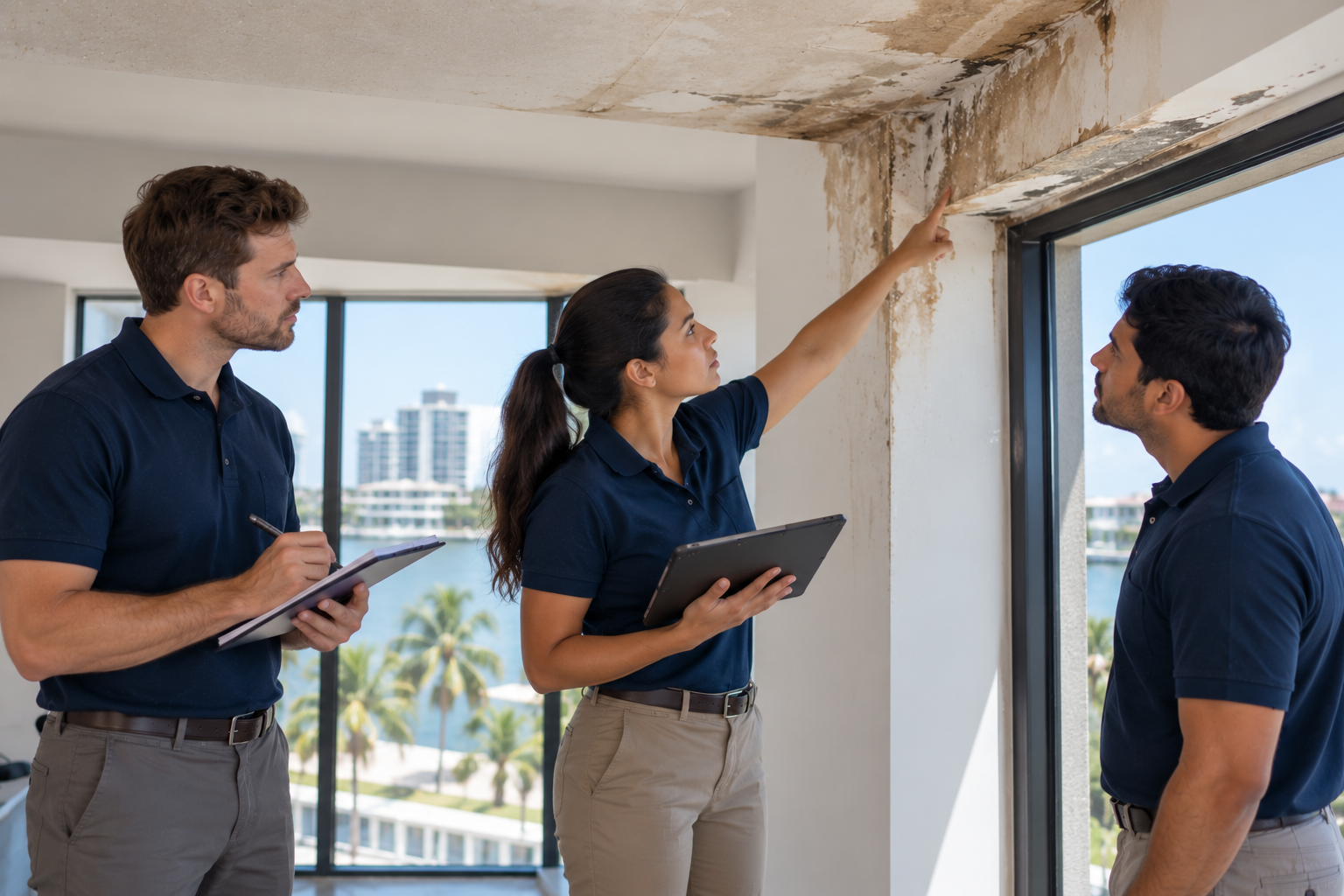
Property claims involving structural damage, roofing, water intrusion, building-envelope systems, drainage, or material deterioration may require specialized engineering analysis. Selecting the right forensic engineering consultant requires more than finding a firm with immediate availability. The assigned engineer’s credentials, relevant discipline, investigation experience, methodology, reporting, and communication practices all affect the usefulness of the evaluation.
The objective is not to select an engineer expected to reach a preferred conclusion. Claims professionals should select a qualified consultant who can evaluate the evidence objectively, explain what it supports, identify meaningful limitations, and communicate technically supported findings.
Begin With the Technical Questions
The type of expertise required depends on what the claims team needs evaluated. The assignment may involve the cause or mechanism of damage, building-system performance, extent, contributing conditions, or whether observed conditions are consistent with a reported event.
A strong consultant should help translate the claim issue into focused technical questions and define the property areas, systems, records, anticipated site work, and deliverables. The scope should also identify known exclusions and activities that may require additional authorization.
Verify the Engineer and Firm’s Florida Credentials
Confirm that the engineer responsible for a Florida assignment holds an active Florida Professional Engineer license and that the firm is properly qualified to offer engineering services in the state. Individual engineers and engineering businesses can be checked through Florida’s official licensing directory.
Claims professionals should also ask who will inspect the property, perform the analysis, prepare the report, and take professional responsibility for the opinions. Firm-wide credentials do not replace the need to evaluate the qualifications of the engineer assigned to the loss.
Match the Engineering Discipline to the Assignment
Forensic engineering encompasses multiple disciplines. Structural concerns may require evaluation of framing, foundations, load paths, movement, or connections. Roofing and building-envelope assignments may involve roof systems, exterior walls, openings, transitions, waterproofing, and moisture pathways. Civil engineering issues may include grading, drainage, water movement, and site infrastructure.
Some losses require mechanical, electrical, geotechnical, fire, or materials expertise outside a civil or structural engineer’s scope. The consultant should recognize those boundaries and recommend another qualified discipline when necessary.
Evaluate Relevant Investigation Experience
Consider the assigned engineer’s experience with the loss type, building type, construction systems, and level of investigation required. Florida experience may be particularly relevant for assignments involving wind, wind-driven rain, coastal exposure, corrosion, high-moisture conditions, concrete or masonry construction, emergency mitigation, and applicable code history.
Relevant experience should be evaluated by substance rather than the number of assignments claimed. Ask whether the engineer has addressed comparable technical questions and prepared reports for a similar audience and intended use.
Look for a Systematic Investigation Methodology
A reliable investigation follows a documented methodology appropriate to the assignment. The consultant should be able to explain how records will be reviewed, site conditions documented, plausible damage mechanisms evaluated, and reasonable alternative explanations considered.
Testing, calculations, destructive examination, laboratory analysis, or specialist involvement should be selected for a defined technical purpose. The consultant should explain what those activities may establish, their limitations, and whether separate authorization is needed.
Evaluate Technical Reporting Quality
A useful report does more than include standard headings. It distinguishes reported information from direct observations, identifies evidence sources and material assumptions, connects observations to analysis, answers the authorized questions, and states limitations. Conclusions should be expressed at the level supported by the evidence without making policy or coverage determinations.
When permitted, a redacted report sample can help claims professionals evaluate organization, reasoning, photographs, and clarity. The sample should be assessed for how the engineer explains the analysis, not whether the conclusion favors a particular party.
Consider Communication Capacity and Assignment Management
The consultant should communicate acceptance, information needs, inspection scheduling, access requirements, expected delivery, and material delays. If site conditions, new records, testing needs, or expanded questions change the anticipated work, the claims professional should receive a clear explanation before additional authorization is requested.
Operational capacity also matters. Ask whether the firm can support the assignment’s location, complexity, timeline, and number of properties. For catastrophe or portfolio work, determine how inspections, quality control, geographic coverage, and surge volume will be managed. The fastest promised report is not necessarily the strongest selection.
Consider Litigation Experience When Relevant
If litigation is anticipated, ask whether the assigned engineer has appropriate experience with expert reports, depositions, mediation support, technical rebuttal, testimony, and evidence preservation. Litigation services should be identified and separately scoped when they are not part of the initial claims investigation.
Questions to Ask Before Making the Assignment
- Is the assigned engineer actively licensed in Florida, and is the firm properly qualified?
- Does the engineer’s discipline and experience match the technical questions?
- Who will inspect, analyze, write, review, and take responsibility for the report?
- How will scope changes, limitations, delays, and additional needs be communicated?
- Can the firm support the assignment if additional inspections or litigation services are required?
How Prema Supports Florida Property Claims
Prema supports Florida property claims through appropriately licensed civil and structural engineers experienced in evaluating complex building conditions. Our team develops each assignment around focused technical questions, relevant engineering expertise, documented site conditions, and clear communication with the claims professional.
Prema’s reports explain the evidence considered, the analysis performed, the basis for the findings, and material limitations. When an assignment requires additional access, testing, technical disciplines, or authorization, our team communicates those needs so the claims professional can make an informed decision about the investigation.
Discuss an Assignment With Our Florida Forensic Engineering Team
When a Florida property claim requires focused civil or structural engineering analysis, Prema can help define the technical questions and develop an appropriate investigation scope.
Contact Prema to discuss a forensic engineering assignment in Florida.
Recent Blogs
Our Related Services
Need Expert Forensic Engineering & Building Assessment Insights?
Get our accurate, evidence-based analysis to identify root causes, assess structural integrity, and make confident decisions.
Get in Touch →