
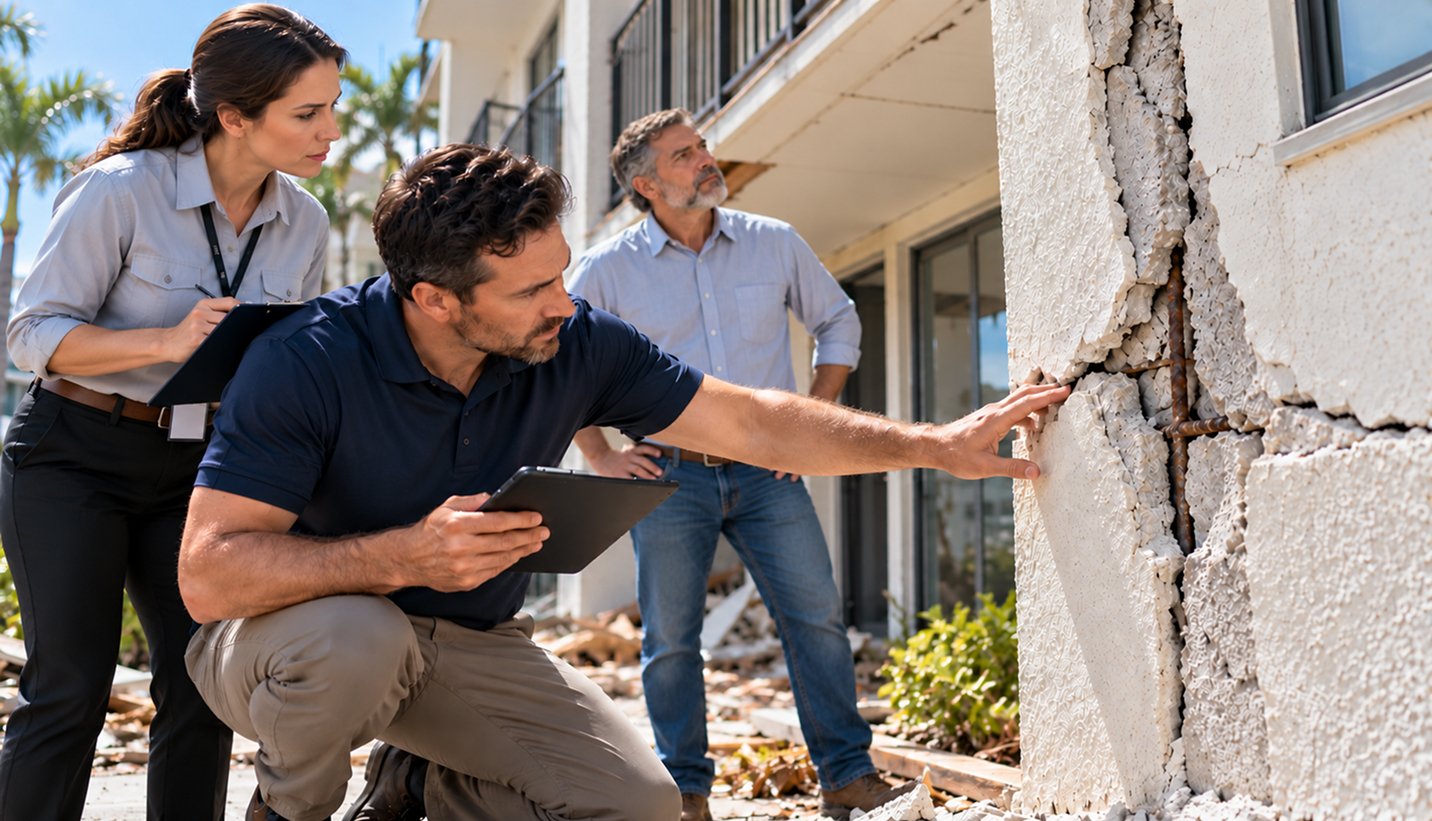
Why an Engineer’s Technical Background Matters in a Forensic Investigation
When a property claim requires forensic engineering, the title “forensic engineer” does not, by itself, identify the engineer’s technical discipline. Forensic engineering describes the investigative application of engineering principles to determine how damage occurred, what factors contributed, and whether the physical evidence supports a reported damage mechanism.
The engineer’s underlying education, licensure, experience, and area of practice still matter. A loss involving foundations, structural framing, moisture intrusion, roofing, or building-envelope systems should be evaluated by an engineer whose technical background aligns with the affected components and the questions presented by the claim.
What Does Forensic Engineering Mean
Forensic engineering is the investigation of failures, damage, performance concerns, and disputed technical conditions. The work may include reviewing documents, inspecting a property, recording measurements, analyzing damage patterns, considering alternative explanations, and preparing technically supported opinions.
Forensic engineering is not a single engineering discipline. Depending on the loss, the investigation may require civil, structural, mechanical, electrical, materials, geotechnical, or other specialized knowledge. The appropriate background depends on what must be evaluated.
Why Civil and Structural Expertise Matters in Property Claims
Civil and structural engineers understand how buildings and their components are designed, constructed, supported, and expected to perform. That knowledge can be particularly important when a property loss involves:
- Foundations, settlement, or structural movement
- Beams, columns, walls, framing, or load-bearing components
- Wind, impact, fire, or collapse-related structural conditions
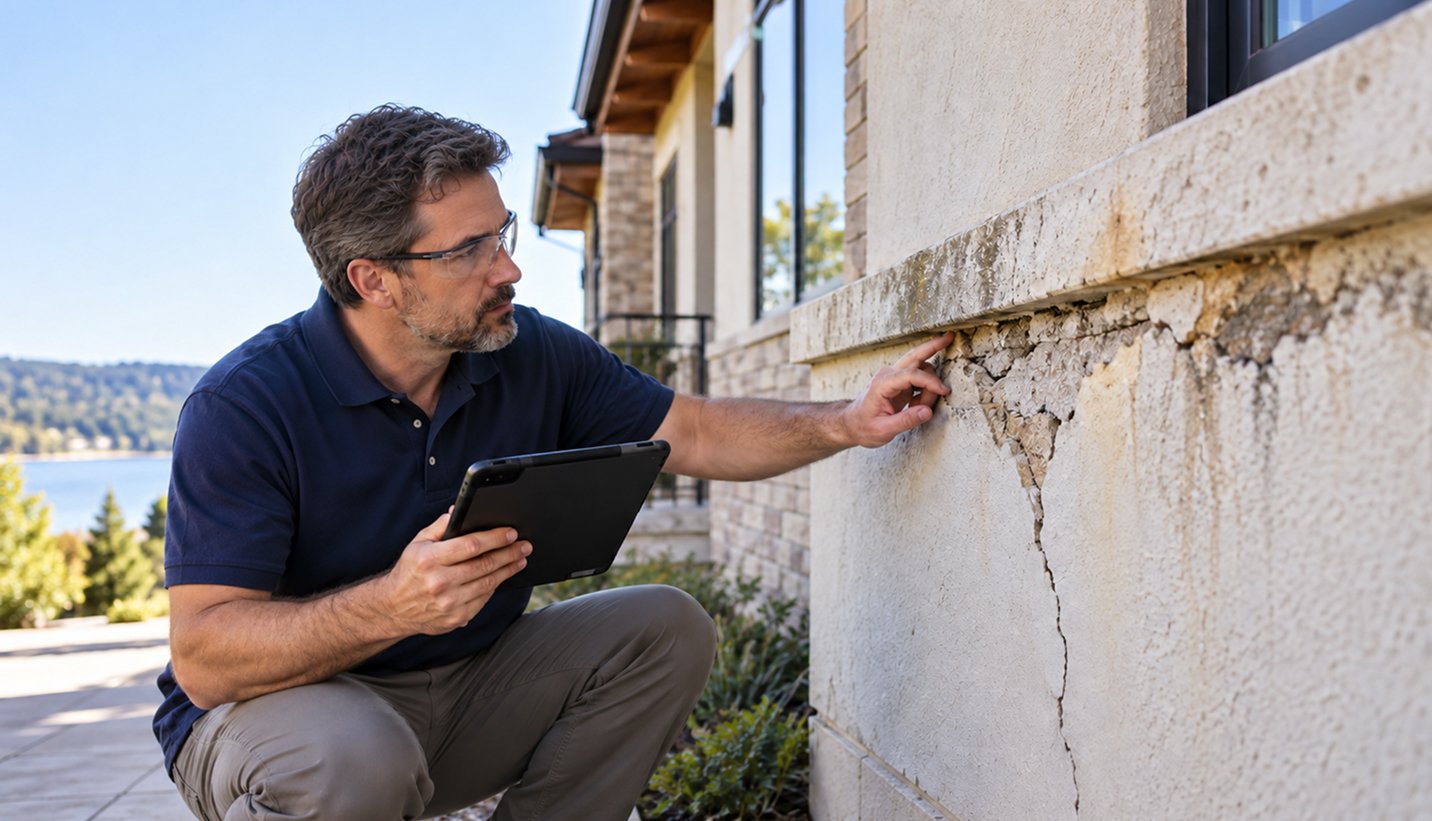
- Roofing, drainage, moisture intrusion, or exterior-envelope concerns
- Construction details, installation conditions, or material performance
- Questions about structural stability, capacity, or repair requirements
In these assignments, forensic methodology and technical discipline work together. Investigative experience helps the engineer evaluate evidence objectively, while civil or structural expertise supports an informed analysis of how the building and its components performed.
Match the Engineer to the Technical Question
Claims teams can begin by defining what the engineering assignment needs to determine. Different questions may require different experience, even when they arise from the same property loss.
Technical question | Relevant expertise |
What caused the observed damage? | Forensic investigation experience and knowledge of the affected building systems |
Has structural capacity or stability been affected? | Structural engineering analysis and experience with the relevant structural system |
Where did moisture enter and how did it travel? | Experience with roofing, drainage, exterior-envelope assemblies, and moisture pathways |
Did construction or installation conditions contribute? | Knowledge of construction practices, details, materials, applicable standards, and failure mechanisms |
What repair or stabilization is required? | Structural evaluation, calculations, repair design, and Engineer of Record services when included in the scope |
The Same Engineer May Provide More Than One Type of Expertise
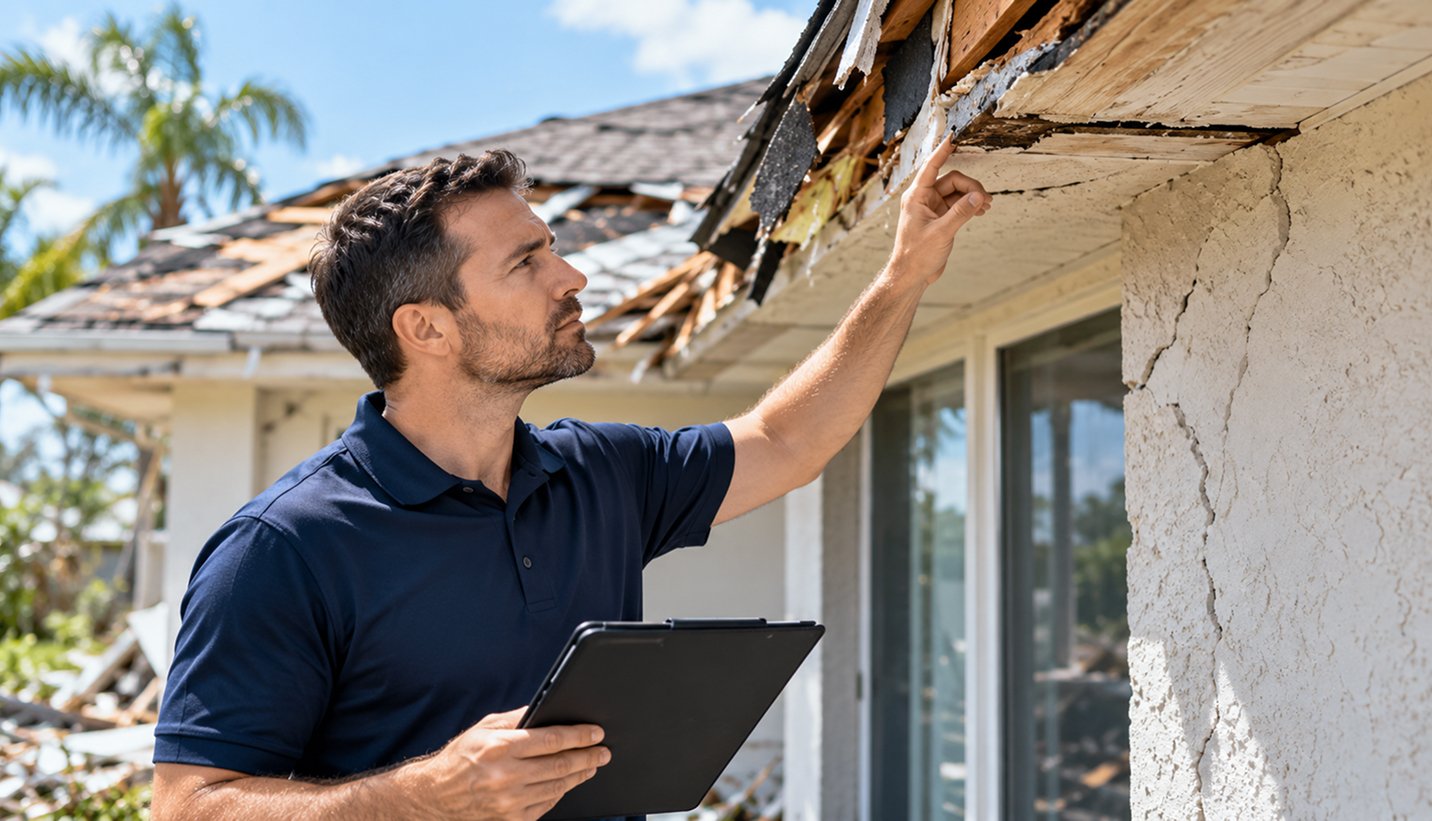
A civil or structural engineer with appropriate forensic experience may be qualified to investigate both the damage mechanism and its structural implications. For example, a structural engineer investigating storm-related framing damage may evaluate whether the observed conditions are consistent with the reported event and whether the affected components require stabilization or repair.
However, the assignment scope should remain clear. Determining why damage occurred does not automatically include designing the repair. Claims teams should confirm whether the engagement is limited to causation and damage evaluation or also includes structural calculations, repair recommendations, permit-ready documents, or construction-phase support.
When a Multidisciplinary Approach May Be Appropriate
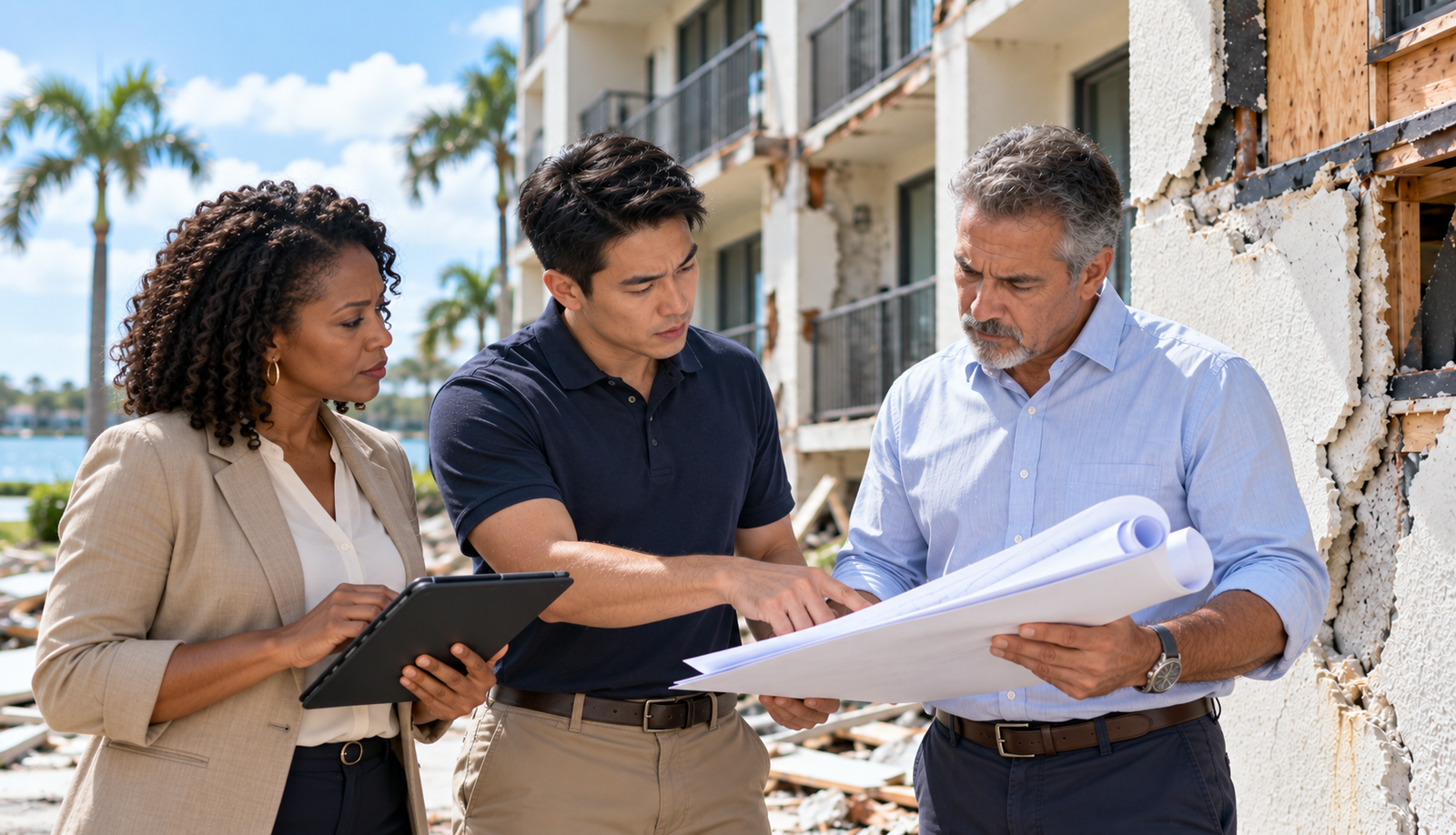
Some property losses involve several building systems or technical issues. A wind loss may affect roof coverings, wall systems, openings, and structural framing. Water intrusion may involve roofing, flashing, windows, drainage, and concealed assemblies. A fire or impact loss may raise questions about structural capacity, materials, utilities, and safe occupancy.
In these situations, no single professional should be expected to answer questions beyond that person’s qualifications. A coordinated team can divide the assignment by discipline while maintaining a clear overall scope.
Questions Claims Teams Should Ask Before Assigning an Engineer
- What specific technical questions need to be answered?
- Which building systems and materials are involved?
- Is the assignment focused on causation, structural performance, repair, or a combination?
- Does the engineer have relevant experience with this type of property, system, and loss?
- Could repairs, cleanup, or demolition alter important evidence?
- Will the matter require testing, calculations, repair documents, or expert testimony?
These questions help establish an appropriate scope and identify whether one engineer or a coordinated team is needed.
Why a Clearly Defined Scope Matters
Even a well-qualified engineer can only address the questions included in the assignment and supported by the available evidence. A clearly defined scope identifies the systems to be evaluated, the opinions requested, the information available, and any limitations. It also helps distinguish investigative findings from repair design or other services that may require a separate engagement.
How Prema Supports Claims Teams With the Right Technical Expertise
Prema’s forensic investigations are performed by engineers whose civil and structural expertise informs how they evaluate damage, building performance, causation, and contributing conditions. We help claims professionals define the technical questions presented by a loss and align the assignment with the appropriate experience and engineering capabilities.
Depending on the matter, Prema’s work may include forensic investigation, structural evaluation, building-envelope analysis, damage assessment, repair design, or coordinated multidisciplinary support. Our focus is to provide objective analysis, clearly defined scopes, and technically supported findings that claims professionals can understand and use.
Discuss the Engineering Scope for a Property Claim
When a property loss involves questions about causation, structural performance, building systems, or repair requirements, Prema Consulting Group can help identify an appropriate engineering scope and technical approach.
Discuss an Assignment with Our Engineering Team
Recent Blogs

Our Related Services
Need Expert Forensic Engineering & Building Assessment Insights?
Get our accurate, evidence-based analysis to identify root causes, assess structural integrity, and make confident decisions.
Get in Touch →