
What Forensic Engineers Do After Property Damage A Claims Perspective
When property damage involves an uncertain cause, complex conditions, or questions about the extent of damage, claims professionals may rely on a forensic engineer for an independent technical evaluation. The engineer examines physical evidence, evaluates damage patterns, and applies engineering principles to help clarify what happened and why.
What Does a Forensic Engineer Do After Property Damage
A forensic engineer evaluates structures, materials, and building systems to determine how damage occurred, what factors contributed to it, and, when included in the assignment, the extent of the resulting damage. The evaluation may help claims professionals understand:
- What damage exists and where it is located
- Whether observed conditions are consistent with the reported damage mechanism
- How structural, roofing, envelope, or other building components performed
- Whether deterioration, prior repairs, installation issues, or other conditions contributed
- What additional information or evaluation may be needed
A forensic engineer does not interpret policy language or make insurance coverage decisions. The engineer provides objective technical findings within the defined scope of the assignment, and the claims professional applies those findings within the broader claim evaluation.
Why Do Claims Professionals Use Forensic Engineers
Some claims require more than photographs, repair estimates, or a general visual assessment. Engineering involvement may be valuable when the evidence is complex, the reported cause does not fully explain the observed damage, or specialized knowledge is needed to evaluate building performance.
Claims professionals may engage a forensic engineer for:
- Independent evaluation of complex or disputed property conditions
- Analysis of cause, damage mechanisms, or contributing factors
- Evaluation of whether damage patterns are consistent with a reported event
- Documentation of structural, roofing, envelope, or material conditions
- A clear report explaining the engineering basis for the findings
Not every claim requires an engineer. A focused engineering assignment is most useful when specific technical questions remain unresolved.
What Does a Forensic Engineering Investigation Include
The scope varies by assignment, but most investigations follow a structured process that connects the engineer’s conclusions to the available evidence.
Review of Available Documentation
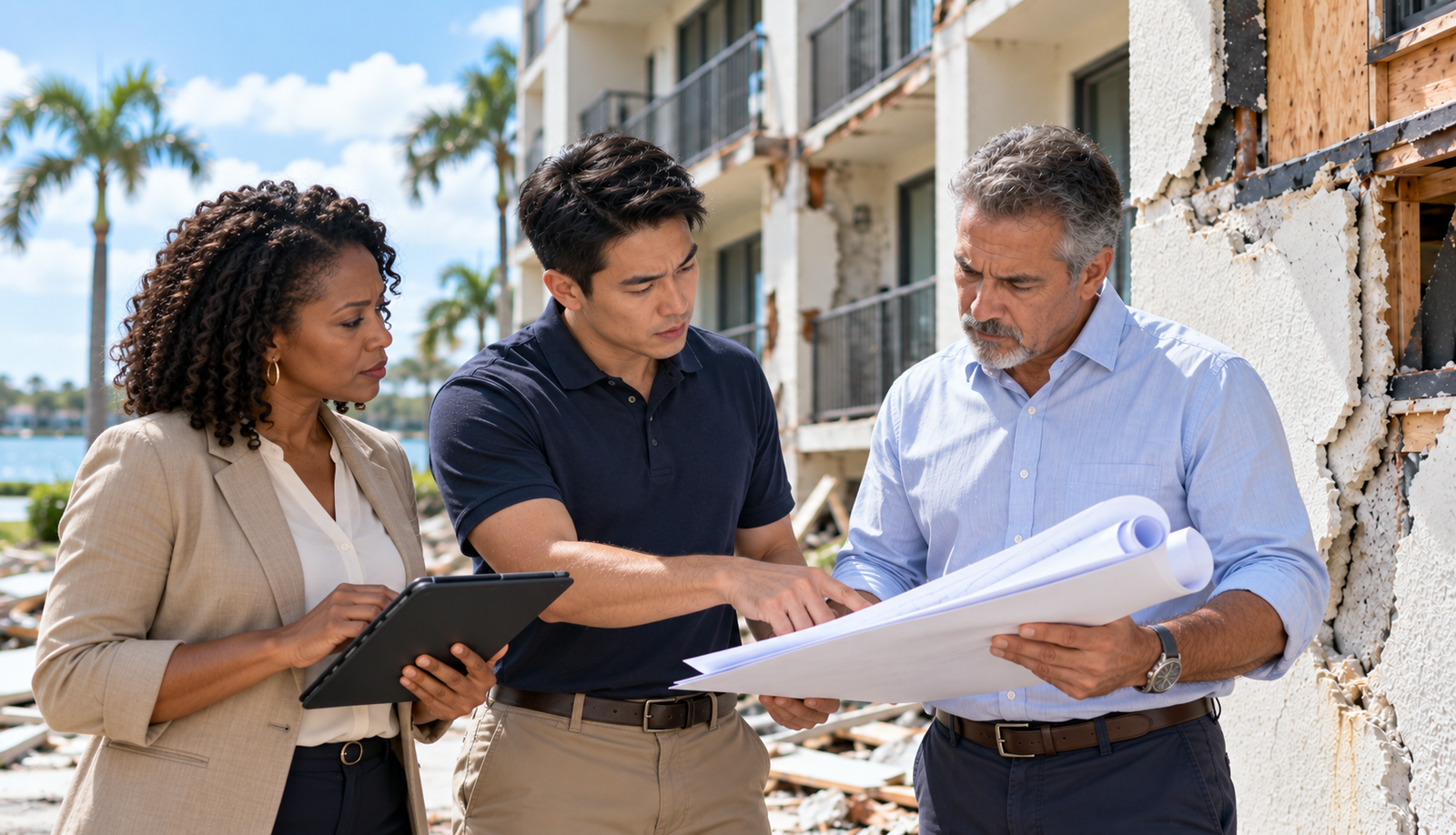
The engineer may review loss descriptions, photographs, previous reports, repair records, construction information, maintenance records, and relevant weather data. These materials provide context and may identify conditions that require closer evaluation.
Site Inspection and Documentation
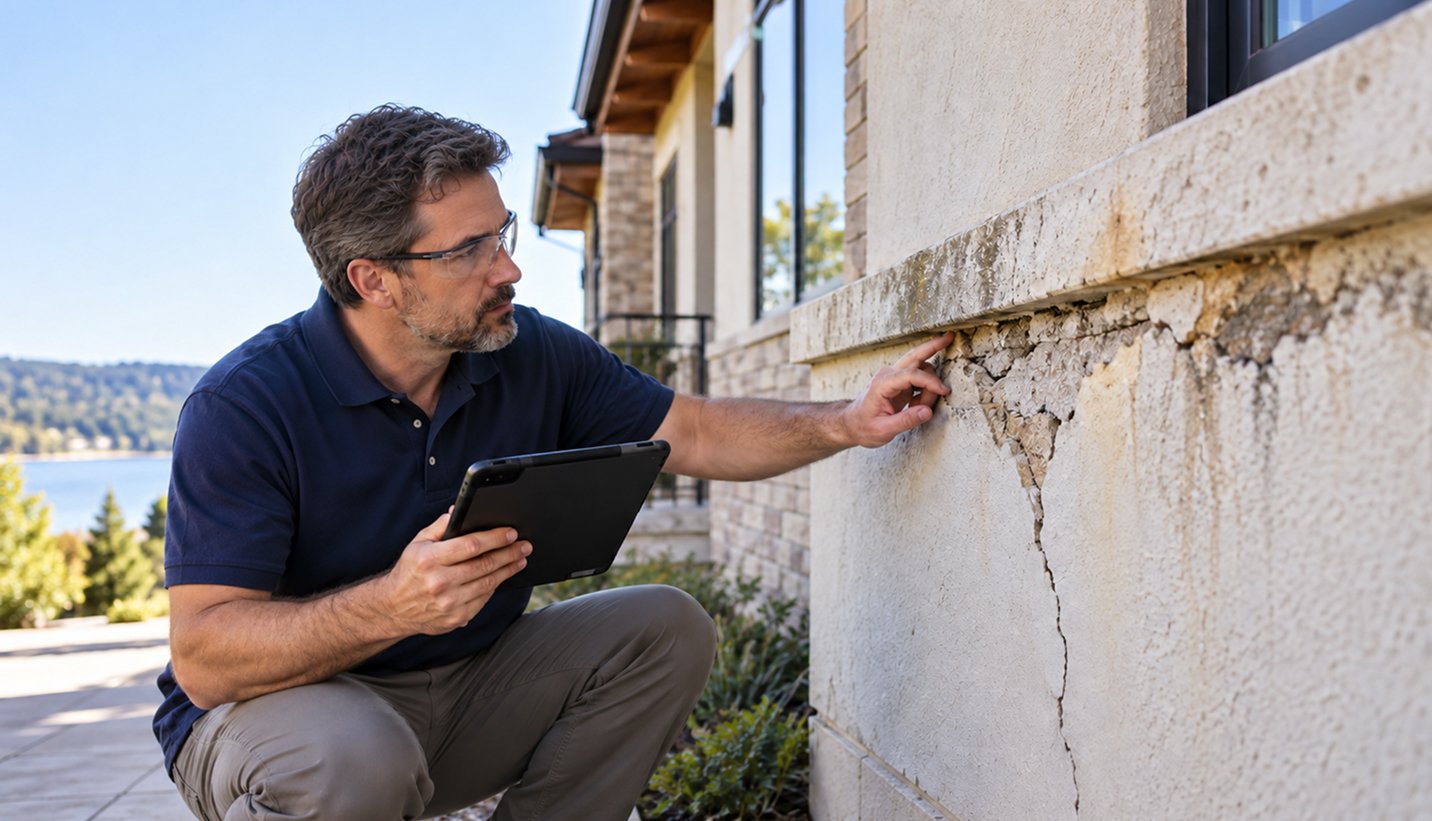
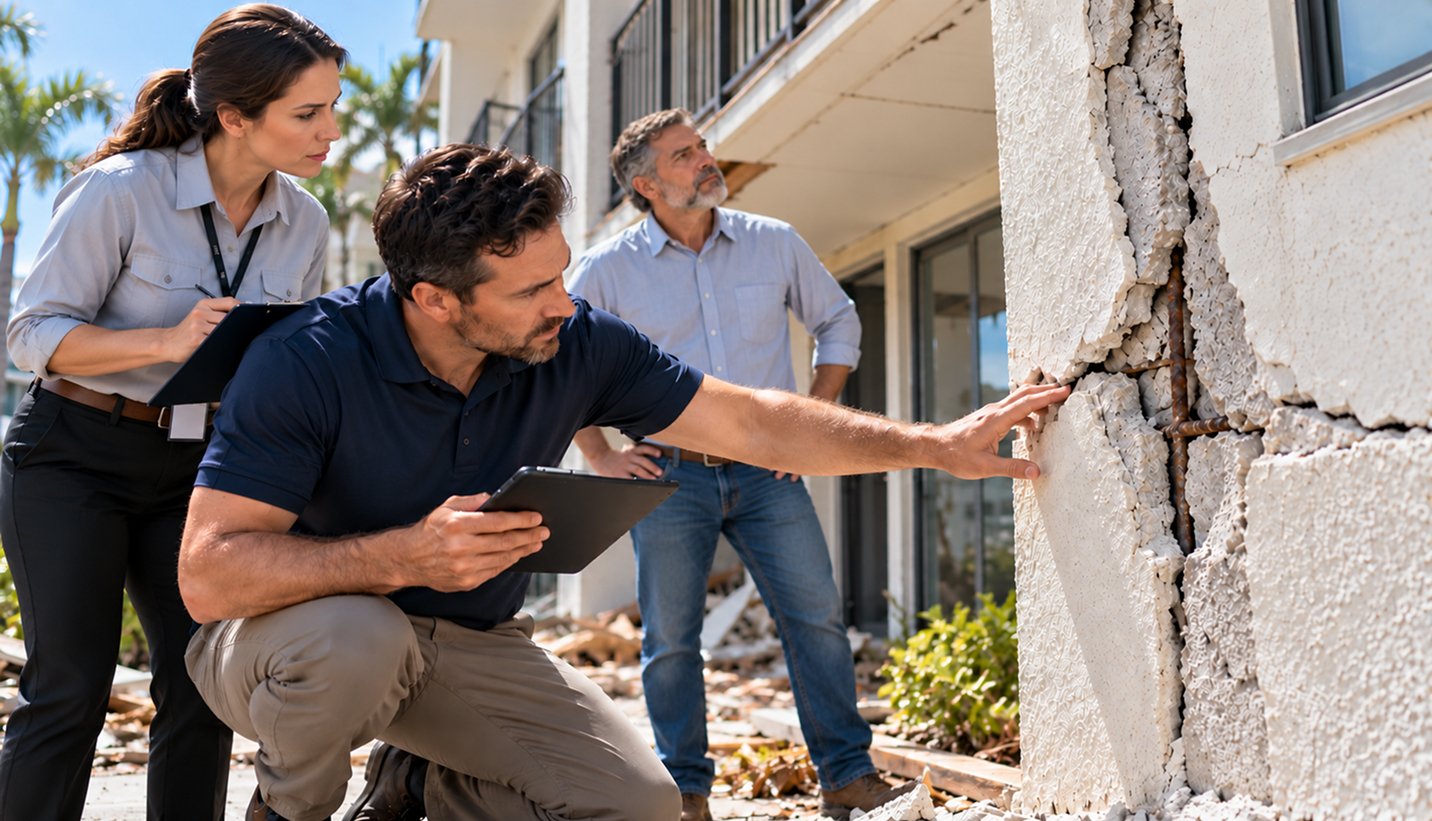
During the site evaluation, the engineer examines the areas relevant to the assignment and documents conditions through notes, photographs, measurements, and other appropriate field methods. The inspection may include:
- Identifying damaged or distressed components
- Evaluating structural and building-system conditions
- Reviewing construction details and material interfaces
- Recording measurements, moisture readings, or other relevant data
- Identifying prior repairs, deterioration, or maintenance-related conditions
Testing, material sampling, or specialized diagnostics may be recommended when visual observations alone are insufficient.
Engineering Analysis of Damage Conditions
The engineer evaluates the observations, records, and data using engineering principles. The analysis may consider damage location and distribution, material behavior, building design, installation conditions, environmental exposure, event timing, and reasonable alternative explanations. The objective is to explain what the evidence supports, what it does not support, and where limitations remain.
Preparation of an Engineering Report
A forensic engineering report should answer the assignment questions clearly and explain how the conclusions were reached. Depending on the scope, it may include:
- Scope and questions evaluated
- Documents and information reviewed
- Inspection observations and photographs
- Engineering analysis and methodology
- Findings, conclusions, and limitations
Observations, analysis, and opinions should be clearly distinguished and understandable to readers who may not have an engineering background.
When Should Claims Professionals Consider Hiring a Forensic Engineer
Engineering involvement may be appropriate when a loss presents technical questions involving:
- Structural concerns or building movement
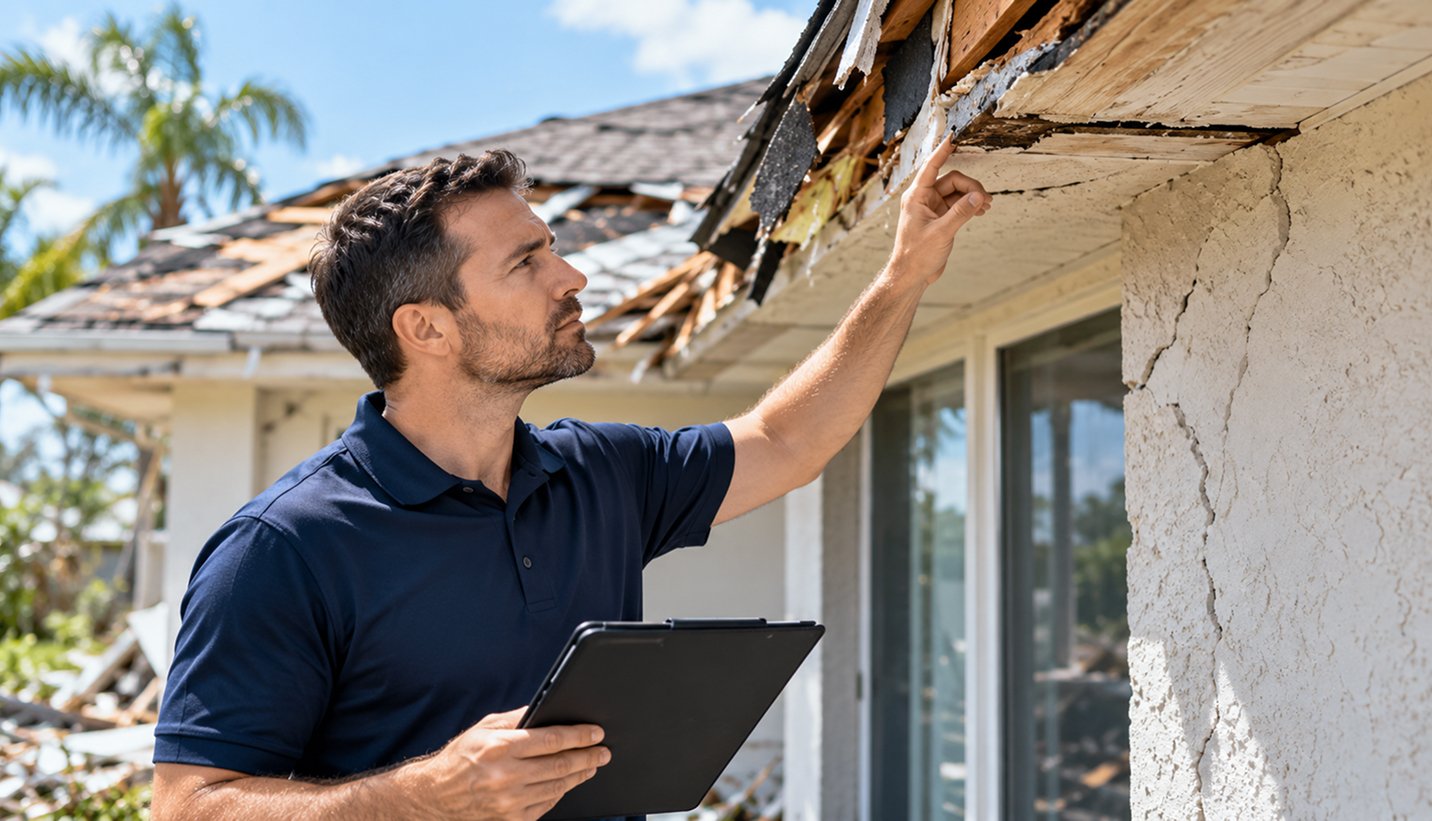
- Water intrusion, roof damage, or building-envelope performance
- Storm-related conditions, including wind and wind-driven rain
- Cracking, material deterioration, or component failure
- Multiple possible causes or disputed damage mechanisms
- Potential structural stability or life-safety concerns
In Florida and other storm-prone markets, an engineer may evaluate whether observed conditions are consistent with the reported event and identify other factors that may have influenced building performance.
What Information Should Claims Teams Provide to a Forensic Engineer
Providing relevant information early helps the engineer focus the investigation and address the questions that matter to the claim. Helpful information may include:
- Date and description of the reported loss
- Specific technical questions to be addressed
- Photographs, videos, estimates, and repair records
- Previous inspections, claims, repairs, or known concerns
- Available drawings, permits, maintenance records, or building information
- Site contacts, access restrictions, and applicable deadlines
A clearly defined scope aligns the inspection, analysis, and report with the needs of the claims team and helps reduce avoidable delays.
Why Independent Forensic Engineering Evaluations Matter for Claims Professionals
An independent evaluation gives claims professionals a technical record grounded in physical evidence and engineering analysis. It can clarify cause and extent of damage, identify contributing conditions, explain whether damage is consistent with the reported mechanism, and document limitations in the available evidence.
The engineer does not replace the claims professional’s judgment. Instead, the evaluation provides a defensible technical foundation that supports informed claim decisions.
How Prema Supports Claims Professionals With Forensic Engineering Evaluations
Prema provides independent forensic engineering evaluations focused on answering the technical questions that matter to the claim. Our engineers evaluate cause, extent of damage, damage consistency, building performance, and contributing conditions within the defined scope of the assignment.
Through responsive coordination, documented observations, evidence-based analysis, and clear reporting, Prema Consulting Group helps claims professionals understand both the conclusions and the engineering basis behind them. When required, our team can also provide technically defensible reporting and expert support for disputes or litigation.
Discuss an Assignment With Our Forensic Engineering Team
When a property loss involves complex or disputed technical questions, Prema can help define the appropriate engineering scope and evaluate the physical evidence.
Discuss an Assignment with Our Forensic Engineering Team
Recent Blogs


Our Related Services
Need Expert Forensic Engineering & Building Assessment Insights?
Get our accurate, evidence-based analysis to identify root causes, assess structural integrity, and make confident decisions.
Get in Touch →