


What Qualifies an Engineer as a Forensic Expert?
I have sat in on enough depositions to know the first question opposing counsel asks isn’t about the report. It’s about the person who wrote it. Where’d you go to school, how long have you been doing this, how many roofs like this one have you actually stood on. The license comes up eventually, but it’s almost never the thing that decides whether the jury trusts what you’re saying.
That’s the part people miss when they think about what makes someone a forensic expert. A PE stamp tells you an engineer passed the right exams. It doesn’t tell you whether they can walk onto a job site, look at a cracked slab or a stained ceiling, and actually figure out what happened and why. Those are two different skills, and honestly, a lot of very good engineers never develop the second one.
So what does separate a general engineer from someone qualified to serve as a forensic expert in a claim or a lawsuit? A few things, really: the license itself, yes, but also hands-on investigative reps, a process that holds up when someone tries to poke holes in it, and the ability to explain all of this to people who couldn’t care less about moment diagrams.
Licensure Gets You in the Door, Nothing More
Every legitimate forensic expert has a professional engineering license behind their name. It means they cleared the education and exam requirements a state demands, and it gives them the legal standing to seal a report.
But that’s really all it proves. Plenty of licensed engineers spend entire careers designing new construction, running calcs, stamping drawings for permit, and never once dig into why an existing building failed. It’s a different muscle. I’ve seen attorneys assume any PE can step into a forensic role, and then get burned in deposition when it turns out the engineer had never done an investigation like this before. Design and investigation just aren’t the same job, even though they share a license.
The Real Qualification Comes From Doing the Work
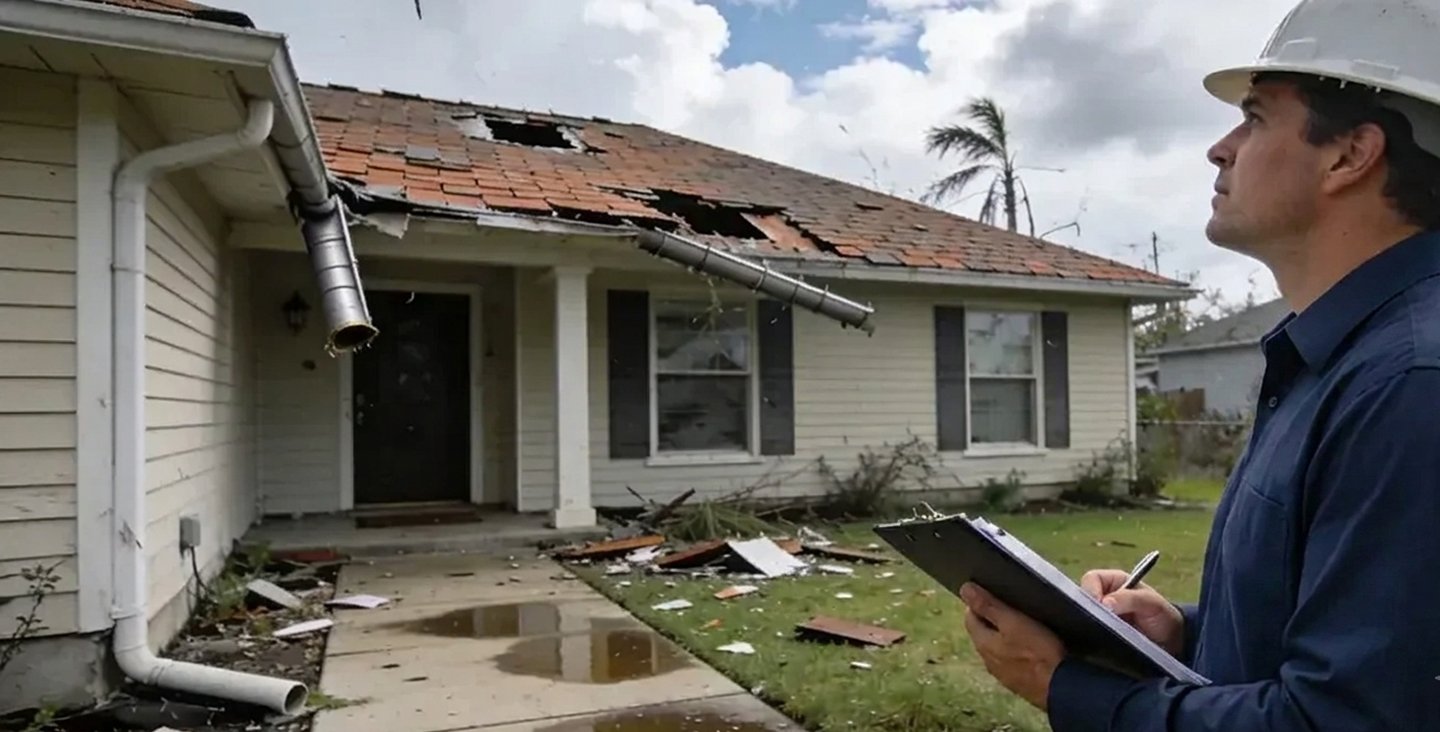
Forensic engineering runs backward from how most people think engineering works. You’re not designing something new to meet code. You’re staring at something that already broke and trying to work out why.
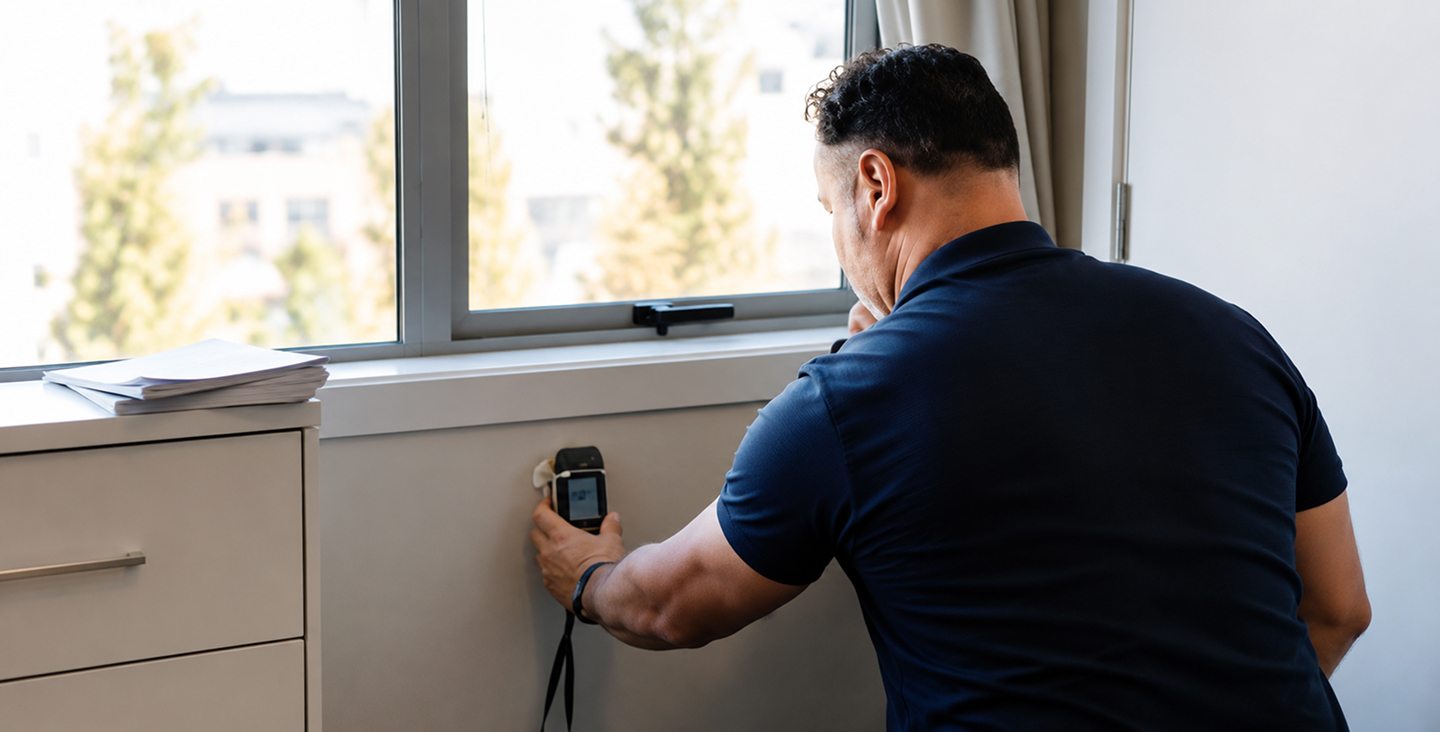
That takes a kind of instinct you can’t get from a classroom. Someone who’s done this a while can look at water staining and tell you pretty quickly whether it’s a flashing issue or something deeper in the wall assembly. They know a settlement crack from a structural one almost on sight, before any measurements come out. None of that is guessing, exactly, it’s pattern recognition built from having seen hundreds of these before, in enough different buildings and conditions that the pattern stops feeling like a mystery.
That’s mostly what people mean when they talk about forensic experts as opposed to engineers in general: the sheer number of times they’ve done this specific kind of work, and been wrong enough times early on to know what not to do.
A Method You Can Defend Matters Just as Much as Being Right
Here’s the part that surprises people outside this field. Being correct isn’t enough. A forensic engineer also has to show their work, in a way that survives a cross-examination.
The good ones follow something close to the scientific method, even if they’d never call it that out loud. Look at the site. Write down what’s actually there, not what you expect to be there. Come up with a theory. Go find evidence that could prove you wrong, not just evidence that backs you up. Only land on a conclusion once the facts actually support it.
That middle step is where a lot of bad forensic work falls apart. An engineer who shows up already sure what caused the damage, and then hunts for evidence to match that story, isn’t doing forensic engineering anymore. That’s advocacy wearing an engineering license. The engineers who hold up under a Daubert challenge are the ones who stayed genuinely open to being wrong until the site told them otherwise.
Explaining It Well Is Its Own Skill
You can run every calculation perfectly and still fail as a forensic expert if the only people who understand your report are other engineers.
Most of the audience for these reports, adjusters, attorneys, jurors, isn’t technical. A forensic expert worth hiring can take something like a load path failure and explain it in plain terms without dumbing it down so much that it loses meaning. That shows up in how the report reads, and it shows up even more in a deposition, when opposing counsel is trying to trip them up on a detail.
Some genuinely skilled engineers never build this skill, because nothing in a design career ever required it. It’s honestly one of the fastest tells for how experienced someone is. Give the seasoned ones two minutes with a jury, and they’ll have the room following along.
Not All Forensic Engineers Do the Same Kind of Work
“Forensic engineer” sounds like one job, but it isn’t. People in this field tend to specialize: some focus on structural failures, some on moisture intrusion and building envelope problems, some on roofing systems, others on construction defects or storm and catastrophe damage.
A structural collapse investigation calls for a completely different background than a stucco and window-flashing moisture case. Good forensic engineering consultant firms staff around that, matching the engineer’s actual experience to the failure in question, rather than handing the assignment to whoever’s free that week.
What Actually Matters When You’re Choosing One
If you’re an adjuster or attorney trying to line up an expert, the letters after their name are the least useful thing on the resume. What tells you more: how many cases like this one have they actually handled? Can they explain their approach before they even get on site? Have they testified before, and did that testimony hold up under pressure? Can they talk to a jury without losing them in jargon?
An engineer who checks those boxes gives you a report that survives a challenge. That’s really the whole reason you hire one in the first place.
The Bottom Line
The license gets an engineer in the door. Everything after that, the years of investigations, the discipline to test their own theory instead of just confirming it, the ability to explain findings clearly and testify under pressure, is what actually makes someone a forensic expert. When you’re vetting a forensic engineering consultant for a case, look past the credentials and dig into the track record. That’s where the real answer is.
If you need a forensic engineering team with that kind of investigative depth and courtroom-tested reporting behind them, reach out to Prema Consulting Group to talk through your case.



Our Related Services
Need Expert Forensic Engineering & Building Assessment Insights?
Get our accurate, evidence-based analysis to identify root causes, assess structural integrity, and make confident decisions.
Get in Touch →