

Storm Damage Investigations Explained
Florida gets hit hard, and often. Between hurricanes rolling in off the Gulf, tropical storms that stall out longer than anyone expects, and the occasional tornado spinning off a squall line, property owners here deal with storm damage more than most. But here’s the thing that surprises people: proving what caused the damage is often harder than fixing it.
That’s where forensic engineering in Florida comes into play. When an insurance claim gets disputed, or when there’s a lawsuit over who’s responsible for a collapsed roof or cracked foundation, someone has to figure out the actual cause. Not a guess. Not an assumption. An answer that holds up when a claims adjuster, attorney, or judge starts asking hard questions.
The Different Types of Storm Damage Investigators Look At
Not all storm damage looks or behaves the same way, which is part of why these investigations take real expertise rather than a quick walkthrough with a clipboard.
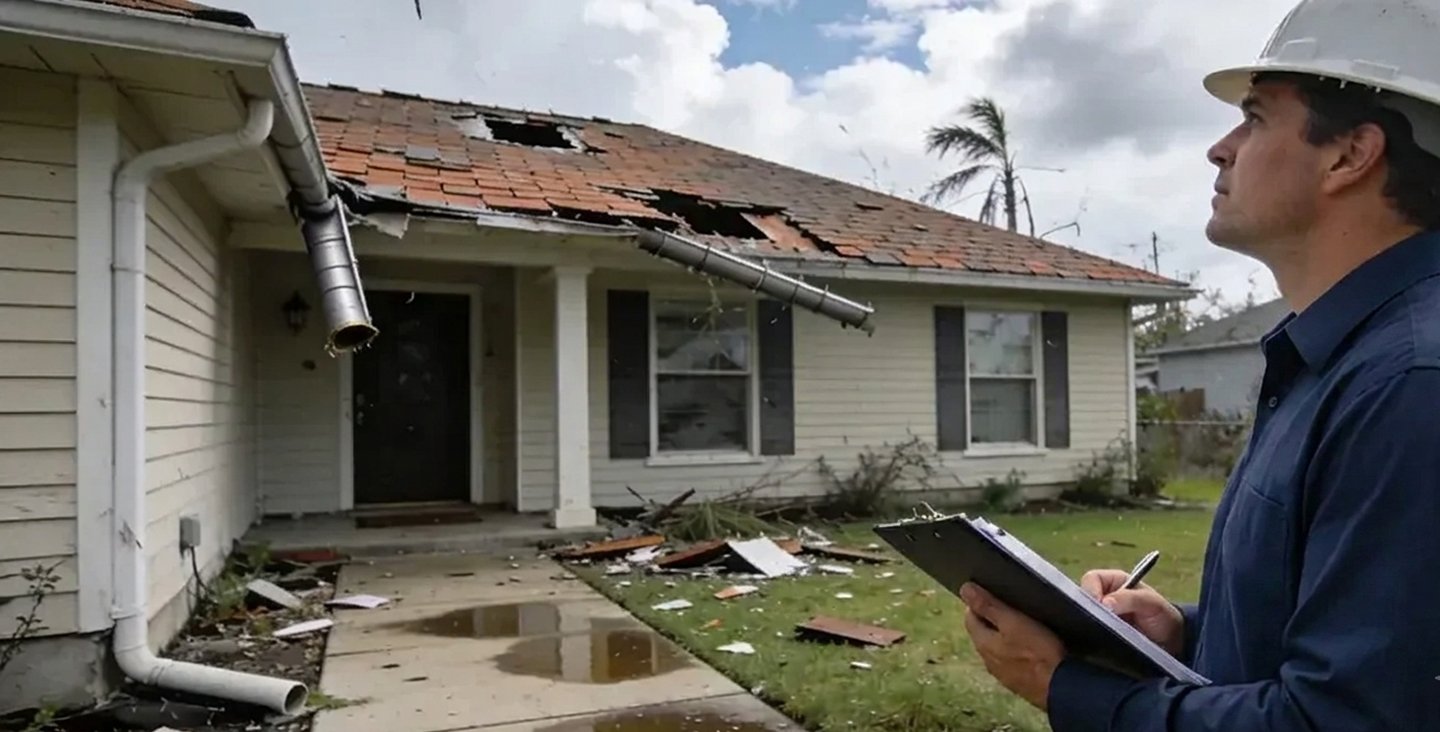
Wind damage is the one most people picture first — shingles torn off, siding peeled back, trees through roofs. But wind damage has its own patterns depending on direction, gusts versus sustained speeds, and how a structure is shaped. A flat commercial roof and a pitched residential roof fail in very different ways under the same wind load.
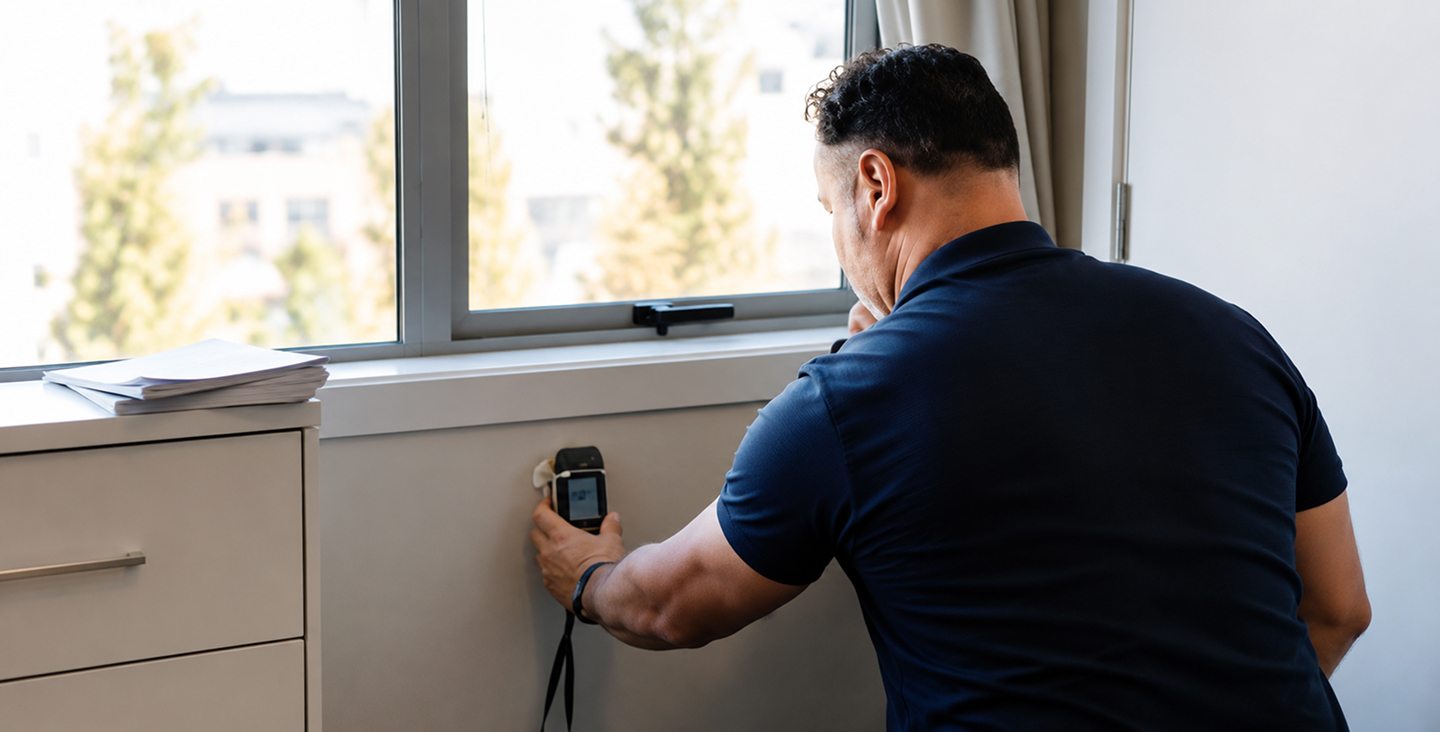
Water intrusion is really tricky. It is where a lot of disputes happen. Water can get into a building in ways. For example rain can get in through a hole that the wind made or through a crack that was already there. Sometimes a window seal. Water gets in that way.. Maybe the water table gets saturated from a lot of rain over many days. It is very important to find out when the water got in and how it got in. This is just as important, as making sure that water really did get in. Water intrusion is a problem because of this. Figuring out the details of water intrusion matters a lot.
Hail damage shows up mostly in the panhandle and inland areas, less so along the immediate coast, but it still comes up. Hail leaves distinct impact marks that are pretty different from wind or debris damage, and an experienced engineer can usually tell hail bruising apart from something like foot traffic damage or age-related granule loss on a roof.
Flood damage is its own category entirely, and it’s worth mentioning because flood and storm damage claims often get handled under completely different policies. A forensic engineer investigating storm damage needs to be clear about where wind-driven damage ends and flood-driven damage begins, because that line often determines which policy — or whether any policy at all — covers the loss.
Why Storm Damage Isn’t Always What It Looks Like
A cracked roof after a hurricane seems like an open-and-shut case, right? Storm came through, roof got damaged, claim gets paid. Except it’s rarely that simple.
Buildings age. Materials wear down. A roof that was already failing from years of sun exposure and poor maintenance can look a lot like storm damage to an untrained eye — especially after 100 mph winds have stripped shingles and scattered debris everywhere. Insurance companies know this, which is exactly why storm damage investigations exist. Someone needs to separate what the storm actually did from what was already broken, or breaking, beforehand.
This distinction matters enormously for insurance payouts. Pre-existing damage typically isn’t covered. Storm-caused damage is. Getting that line wrong, in either direction, costs someone real money.
How the Investigation Actually Starts
Every storm damage investigation begins the same way: with a site visit. There’s no substitute for walking the property, and any engineer who tries to skip this step and work purely off photos is cutting corners.
During that first visit, the engineer is looking at a few things simultaneously:
- The pattern and direction of damage (wind-driven damage tends to leave clues about which direction the wind was blowing from)
- Signs of prior repairs or deterioration that predate the storm
- Structural elements that failed versus those that held
- Debris patterns, both on the property and from neighboring structures
- Water intrusion points, which often tell a very different story than wind damage alone
Photos get taken constantly, but not just for documentation purposes. They’re comparing what they see to weather data, to the building’s age and construction type, and often to satellite or drone imagery from before and after the event.
Cross-Referencing the Weather Data
This is a step that people outside the industry rarely think about. It is central to any credible forensic engineering assessment. Investigators pull meteorological data for the exact location and the exact timeframe. They look at things like wind speeds and wind direction and rainfall totals. They even look at hail reports if that is applicable, to the forensic engineering assessment. The forensic engineering assessment needs this kind of data to be credible.
Why does this matter so much? Because a building’s damage should match the conditions it actually experienced. If a report claims a roof failed from 130 mph winds, but the closest weather station recorded sustained winds of 75 mph in that area, that’s a red flag. Storm damage investigations live or die on this kind of cross-checking. It’s not enough to say “a hurricane happened here.” The engineer has to connect specific wind speeds and directions to specific failure points on the structure.
Digging Into the Structure Itself
Once the site visit and weather data are squared away, the real engineering work starts. This usually means:
I am looking at the building plans and permits. What was this building made to withstand? The building codes in Florida have changed a lot over the years, especially after Hurricane Andrew came through in 1992. That storm really made the state think about how to make buildings stronger against the wind.
A building from 1985 is not the same as a building from 2015. They have to meet different standards. So when an engineer looks at the damage to a building, they have to think about the building codes that were in place when the building was made. Florida’s building codes are a part of this. The engineer has to consider Florida’s building codes and how they affect the building.
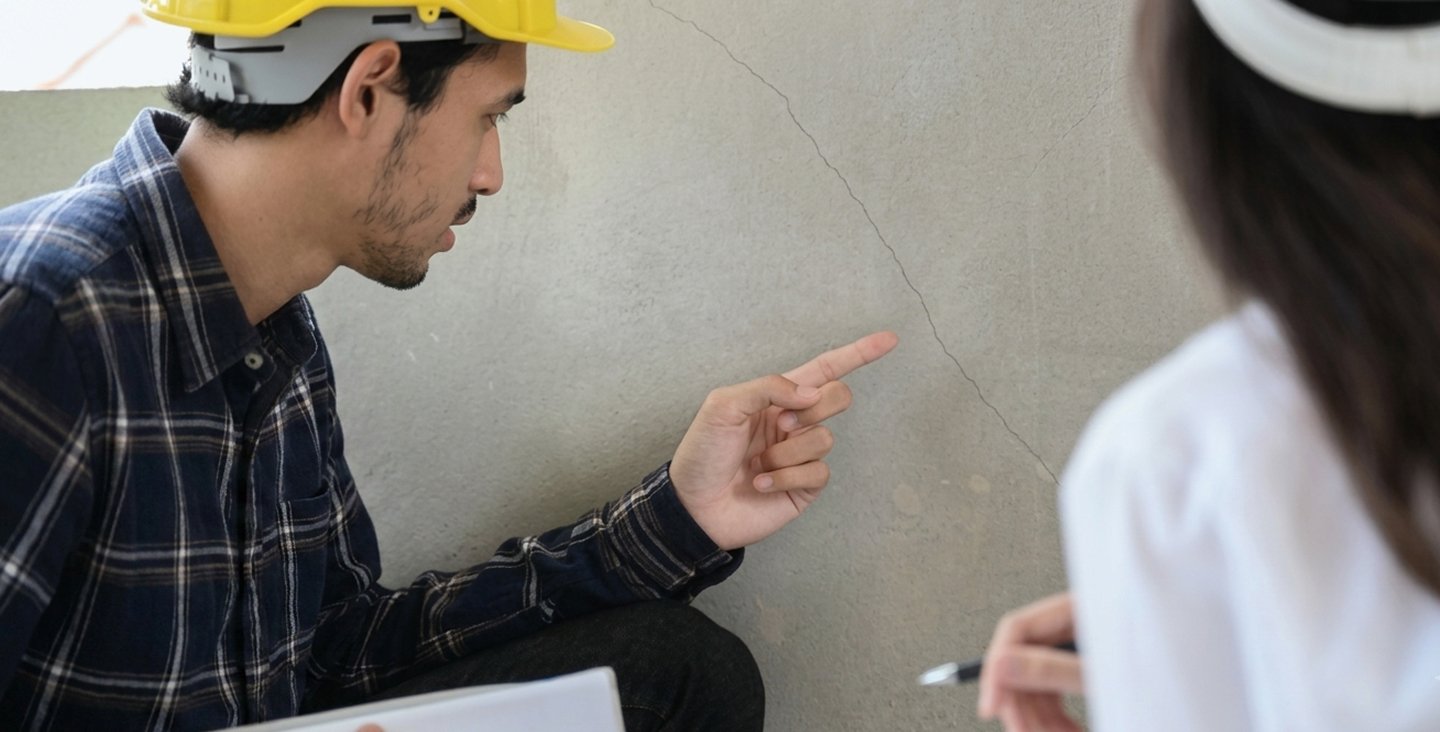
Testing materials where needed. Sometimes this means taking core samples of roofing material, checking fastener patterns, or examining flashing and sealants. Was the roof installed correctly in the first place? Poor original installation can mimic storm damage or make a structure far more vulnerable than it should have been.
When we are modeling wind loads, engineers can figure out the wind pressures that a building probably had based on how tall it’s what shape it is, and where it is located. They can then compare that to what broke. If the numbers do not match the damage that people are saying happened, then that tells us something about what happened with the wind and the structure. Modeling wind loads is important because it helps us understand what went wrong with the structure.
Writing a Report That Holds Up
All of this investigation eventually has to turn into a report, and this is where a lot of the real value shows up. A good forensic engineering report doesn’t just state a conclusion — it walks through the evidence, methodology, and reasoning so clearly that someone without an engineering background can follow the logic.
This matters because these reports don’t just sit in a file. They get read by claims adjusters deciding whether to approve or deny a payout. They get scrutinized by attorneys on both sides of a dispute. Occasionally, they end up as exhibits in a courtroom, and the engineer who wrote the report gets called to testify and defend every conclusion in it.
That’s a high bar, and it’s exactly why storm damage investigations need to be handled by people who understand both the engineering and the legal weight of what they’re producing.
A Common Scenario Worth Understanding
Picture a mid-size apartment building in central Florida after a hurricane passes through. The roof has visible damage, several units report water stains on ceilings, and the property manager files a claim expecting a straightforward payout for a full roof replacement.
The insurance company sends out its own adjuster, who notices something the property owner didn’t mention: the roof was already 22 years old, well past its expected service life, and there are old repair patches scattered across it that predate the storm by years. The adjuster flags the claim for further review, and that’s usually the point where a forensic engineer gets brought in, sometimes by the insurer, sometimes by the property owner’s attorney, sometimes by both sides independently.
The engineer’s job is not to pick a side. The engineer’s job is to figure out what the storm did and what was already failing. The engineer needs to be honest about this. Maybe the investigation will find that the storm’s wind speeds caused sixty percent of the damage in that area. The rest of the damage was probably because the buildings were already deteriorating. The storm just made things worse. Showed the damage that was already there. This is what usually happens. It is not common for the engineer to say that all the damage was caused by the storm or that none of it was caused by the storm. Real buildings, older buildings like these, usually have a mix of both storm damage and damage from deterioration. The storm damage and the deterioration damage are often mixed together in buildings.
This is exactly why storm damage investigations matter so much in disputed claims. Without one, you’re left with two parties simply arguing opinions. With one, you have documented, defensible findings that both sides can actually work from — even if neither side gets everything they wanted.
How Long Does This Process Take?
People are often surprised by the timeline. A straightforward residential claim might only need one site visit and a week or two to produce a full report. But larger commercial properties, or cases headed toward litigation, can take considerably longer — sometimes a month or more once you factor in material testing, additional site visits, and coordinating schedules with attorneys, adjusters, and property owners.
It’s worth being patient here rather than rushing the process. A forensic engineering report that gets challenged in court because corners were cut during the investigation doesn’t help anyone. Insurance companies and attorneys alike generally prefer a report that took the necessary time over one that was fast but shaky under cross-examination.
What Makes an Investigation Credible
Not every forensic report carries the same weight, and this is something property owners and attorneys should think about when choosing who to hire. A handful of things separate a strong, defensible investigation from a weak one:
- Independence. The engineer’s conclusions should follow the evidence, not the preferences of whoever hired them. Reports that read like they were written to reach a predetermined conclusion tend to fall apart under scrutiny.
- Documentation depth. Photos, weather data, material samples, and calculations should all be preserved and referenced clearly, not summarized vaguely.
- Relevant experience. Florida’s building codes, climate, and construction practices are specific to this region. An engineer who’s spent years investigating storm damage here understands nuances that someone from out of state might miss entirely.
- Clear communication. As mentioned earlier, a report that only an engineer can understand isn’t very useful to the adjuster, attorney, or judge who actually has to make a decision based on it.
When You Might Need One
If you’re a property owner whose claim got denied or underpaid, an attorney building a case, or an insurance company trying to verify a claim, a forensic engineering investigation gives everyone involved something solid to work from. It replaces guesswork and gut feelings with data, documentation, and a clear chain of reasoning.
Florida’s storm season isn’t getting any shorter, and disputes over storm damage aren’t going away either. Having a thorough, defensible investigation on record is often the difference between a claim that gets resolved quickly and one that drags on for months.



Our Related Services
Need Expert Forensic Engineering & Building Assessment Insights?
Get our accurate, evidence-based analysis to identify root causes, assess structural integrity, and make confident decisions.
Get in Touch →