


Forensic Engineering vs Traditional Engineering
If you have never had to hire an engineer or a traditional engineer, the difference between forensic engineering and traditional engineering probably seems like a small thing. Engineers do the job, right? They both know about buildings, the things that buildings are made of, and how buildings react when they are under a lot of pressure. Forensic engineering and traditional engineering are two things, even though forensic engineers and traditional engineers both understand buildings and materials and how they behave when they are stressed.
If you have been through something like an insurance dispute or a construction defect lawsuit or if you have had a property loss, then you know that these two fields are pretty much like different jobs with the same name. It is really important to understand the difference between them, especially when you are trying to decide which type of engineering consulting company you should call. Engineering consulting companies can be very different from one another. When you need help with something, you want to make sure you are calling the right engineering consulting company.
What Traditional Engineering Actually Does
Traditional engineering, or what people sometimes refer to as design engineering, is about looking to the future. This type of engineering is about making something new or making something that already exists even better. For example, a structural engineer who is designing an office building is doing traditional engineering. So is a civil engineer who is planning the drainage for a subdivision. Even a mechanical engineer who is picking out the heating and cooling systems for a hospital is doing engineering. Traditional engineering is a broad field that includes things like this.
The main idea is simple: create something that really works. This thing has to meet the rules and last for a time. Engineers do a lot of work like math problems making drawings writing down what the project needs and talking to architects, contractors and other engineers who are working on the project. What engineers make is usually a set of plans. We know engineers are successful when the finished building does what it was supposed to do. Engineers build something. Then they see if it works like they wanted it to. The goal of engineers is to make sure the building is safe and good. Engineers like to build things that really work and last, for a time.
Most engineering consulting companies do a lot of work in a given market that actually falls into this category. This is the kind of work that engineering consulting companies do every day. It is the work of the engineering consulting company and it is what people usually think of when they hear the word “engineer”. The work that engineering consulting companies do is really important. People usually picture engineering consulting companies doing this kind of work when they hear the word “engineer”.
What Forensic Engineering Actually Does
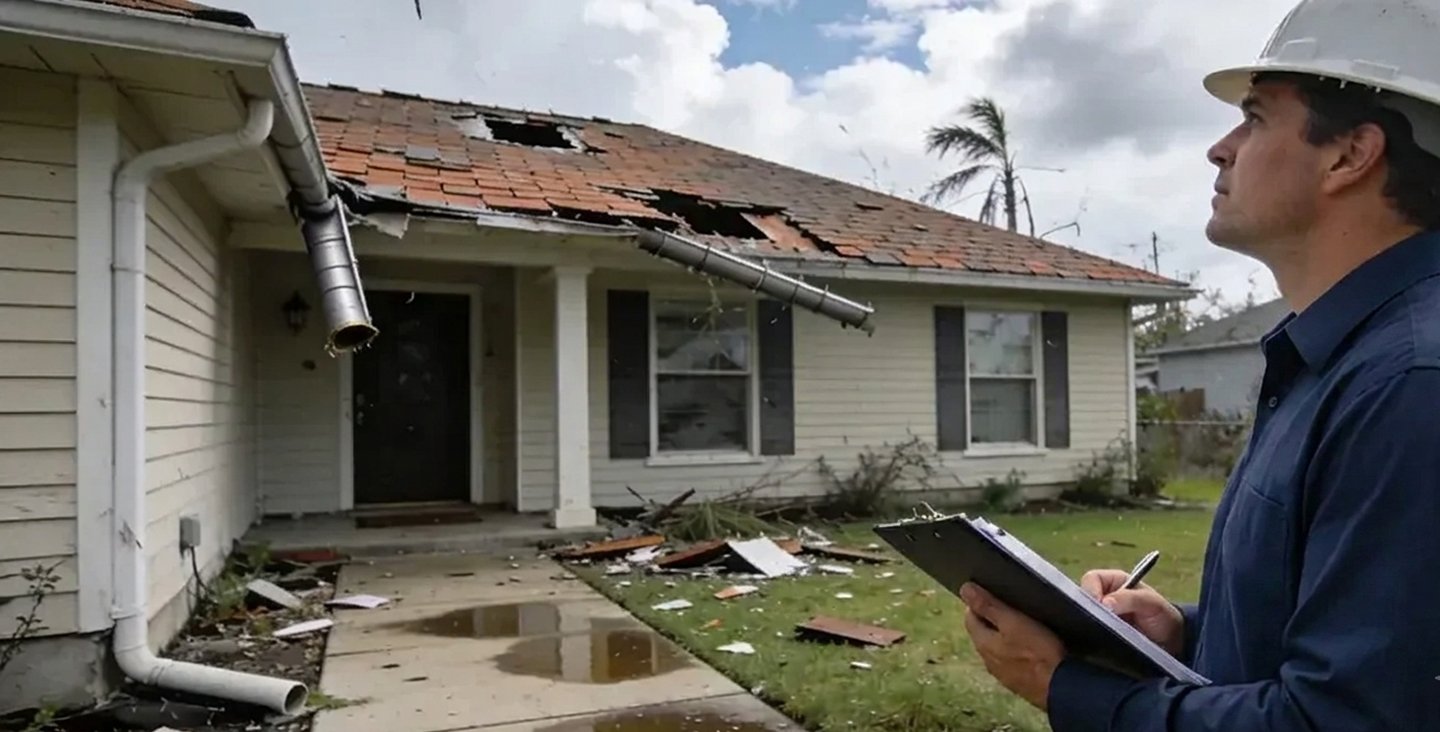
Forensic engineering flips the whole orientation around. Instead of designing something new, forensic engineers investigate something that already happened, usually because it went wrong. A roof collapsed. A foundation cracked. A building suffered storm damage and now there’s a dispute about the cause. A structure failed and someone got hurt.
The forensic engineer’s job is to figure out why. Not to build the fix, necessarily, but to understand the failure mechanism, document the evidence, and explain it in a way that holds up under scrutiny — because forensic engineering findings very often end up in insurance claims, depositions, or courtrooms.
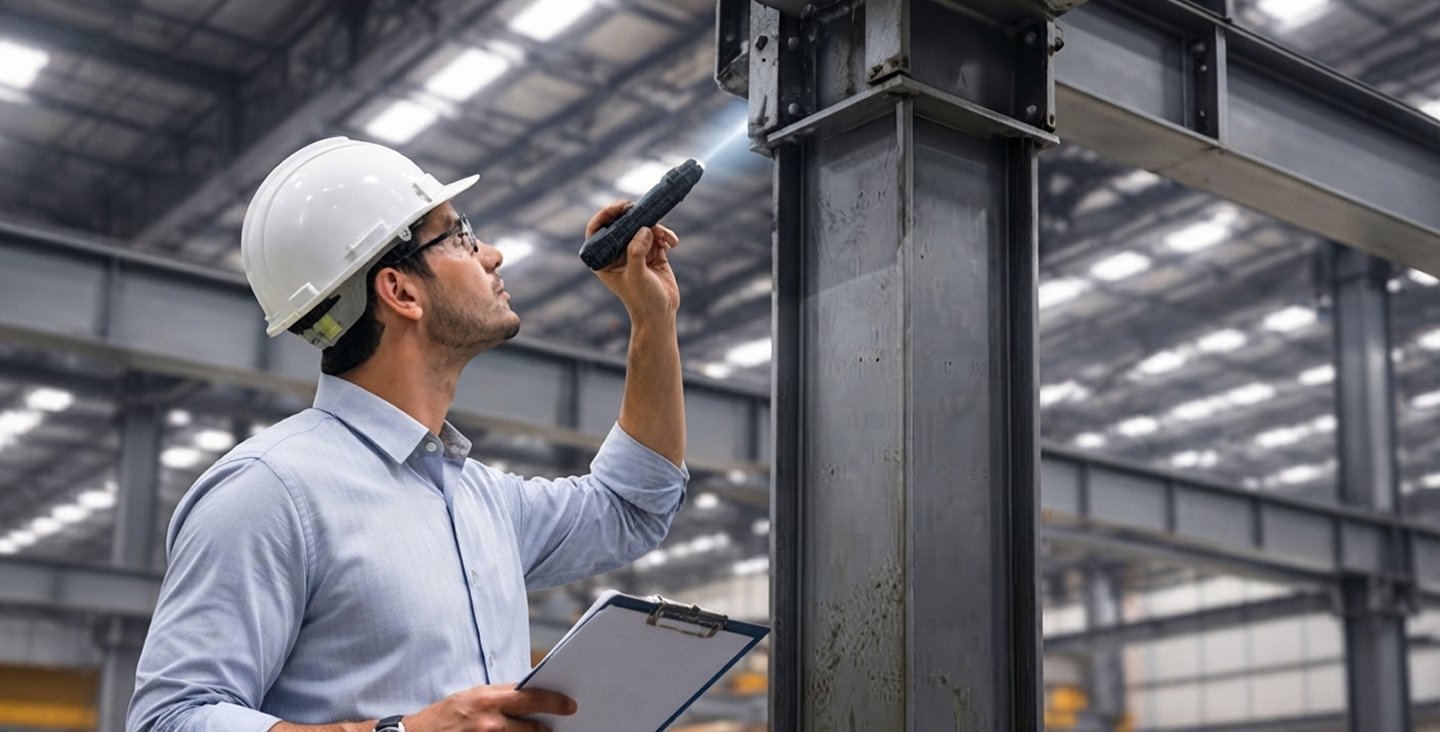
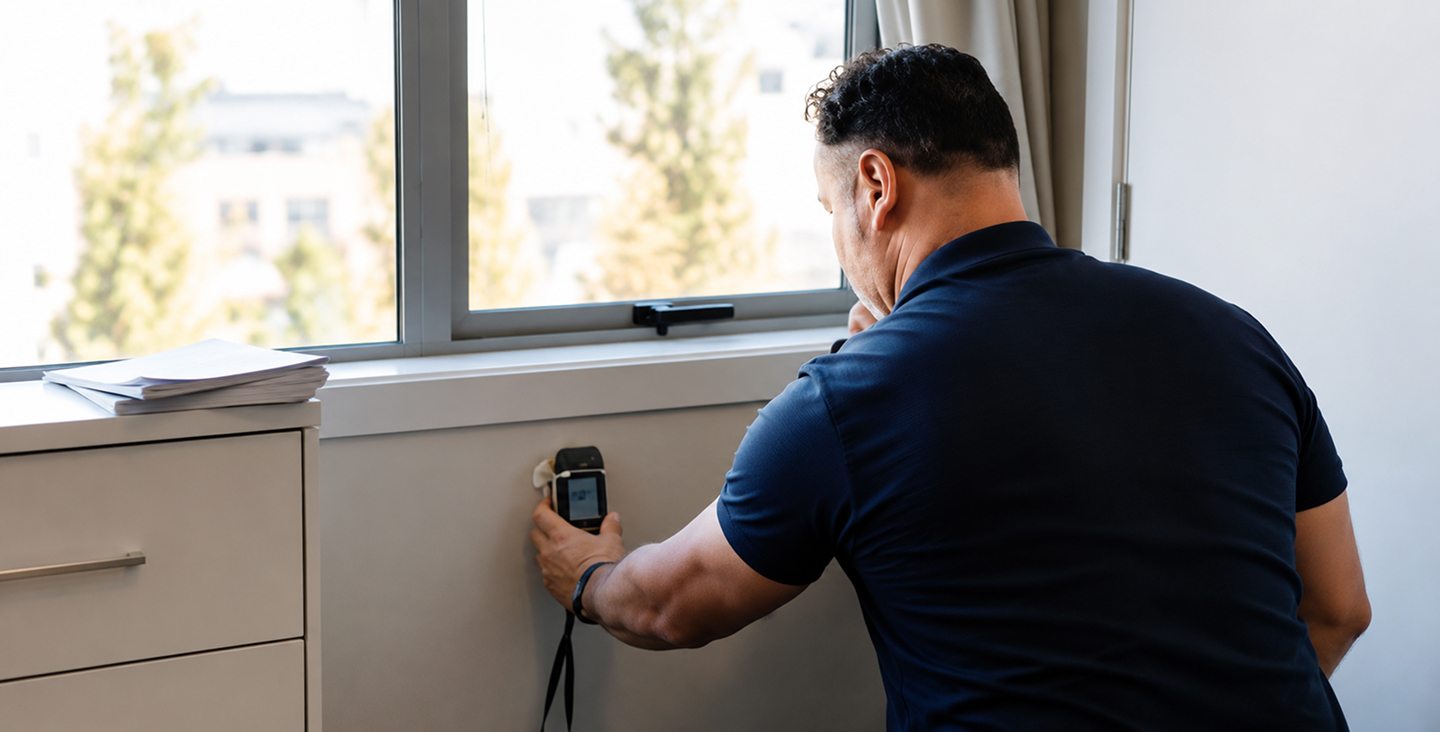
This is why firms offering forensic engineering consulting services operate so differently day to day compared to a typical design firm. Instead of drafting new plans, forensic engineers spend a lot of time on-site examining damage, pulling permit history, reviewing weather data, testing materials, and reconstructing a timeline of events. The final product isn’t a blueprint. It’s a report, and often testimony to go along with it.
The Mindset Difference Is Bigger Than It Sounds
Here’s something people don’t always appreciate: these two disciplines require genuinely different ways of thinking, even when the underlying engineering knowledge overlaps.
A traditional engineer starts with a blank page and works forward. What loads will this structure experience? What materials should be used? How do we meet code and budget at the same time? It’s a creative, forward-planning process.
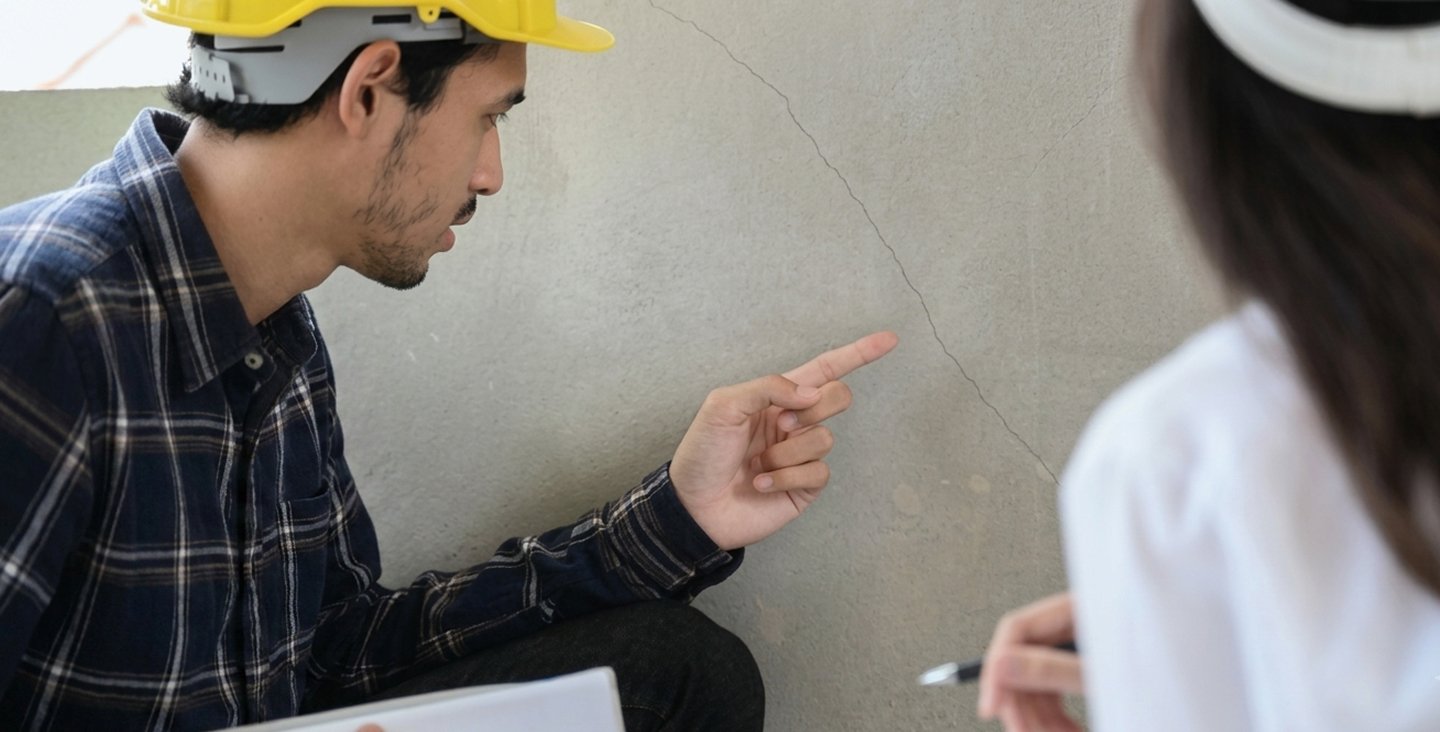
A forensic engineer starts with a mess and works backward. Something already failed, and the evidence is sitting in front of them, sometimes literally in a pile of debris. They have to reconstruct what happened using whatever’s left: broken materials, weather records, photos, witness statements, and building history. It’s closer to detective work than design work, and it demands a comfort with ambiguity that traditional engineering doesn’t really ask for.
Neither mindset is better. They’re just built for different problems. Someone great at designing efficient structural systems isn’t automatically great at reconstructing a failure event, and vice versa.
Different Clients, Different Stakes
The people who hire traditional engineers and the people who hire forensic engineers usually want different things out of the relationship.
Property developers, architects, and contractors hire traditional engineers to get a project built. The relationship is collaborative and ongoing, often spanning months or years on a single project, with the engineer as part of the design team from early concept through construction.
Forensic engineers are usually called in after something has already gone wrong. They are brought in by people who need answers. This can be an insurance company that wants to verify a claim. It can also be a property owner who is disputing a denial. Sometimes it is an attorney who is building a case. It could be a homeowner association that is trying to figure out who is responsible for a defect. The relationship with engineers tends to be short. It is also more focused. They. Document what happened. Then they write a report. Sometimes forensic engineers even have to testify.
The stakes are really different. If a regular engineering design has a mistake, it typically gets found out during the review. When they are building it, long before it can hurt anyone. Forensic engineering results are different. They often directly decide who has to pay for something that went wrong, whether a lawsuit will be successful, or if an insurance claim will be accepted. There is not room for being vague or unsure because someone is going to make a real decision based on the forensic engineering conclusion. Forensic engineering findings are very important. Someone will use them to make a decision.
Credentials and Experience Aren’t Interchangeable
It’s worth saying clearly: a licensed engineer with years of building design experience isn’t automatically qualified to do forensic work, and the reverse is also true. Forensic engineering requires familiarity with legal processes, evidence handling, deposition and courtroom testimony, and investigative methodology that traditional design work simply doesn’t touch.
This is why it matters to look specifically for forensic engineering consulting services rather than assuming any engineering consulting company can handle a post-loss investigation. Ask about courtroom experience. Ask how many storm damage claims or structural failure cases the firm has actually investigated. Ask whether their engineers have been deposed or testified as expert witnesses before, and how that testimony held up.
A firm that’s spent decades designing buildings might do excellent design work but have very little experience explaining a failure mechanism to a judge or standing up to cross-examination from an opposing attorney. That’s not a knock on their engineering ability — it’s just a different skill set entirely.
Where the Two Fields Overlap
The fields are not completely separate, you see. Forensic engineers use the basic principles that traditional engineers use every day. They need to know about things like materials science and structural mechanics and how to do load calculations. They also have to know about building codes. If a roof fails, forensic engineers have to figure out what went wrong.. They cannot do that without knowing how roofs are supposed to work in the first place. Forensic engineers need to understand roofs to investigate why a roof failed.
There is also a connection that is worth mentioning. Sometimes a forensic investigation finds a design flaw or a construction defect, not damage from a storm or wear. In those cases, the findings from the investigation can directly inform future design decisions on the traditional side, which helps to close the loop between failure and improvement of the design. The forensic investigation and the traditional design process are connected in this way. The forensic investigation can really help to improve the design. The design flaw or construction defect that is found by the investigation can be used to make better design decisions in the future, which is a very important thing for the forensic investigation and the traditional design process.
Some engineering consulting company operations even maintain both capabilities under one roof, since the underlying technical foundation is shared even if the day-to-day work looks completely different. It gives clients flexibility, but it’s still worth confirming that the specific engineers handling an investigation have real forensic experience, not just a design background with an investigative title attached.
A Simple Way to See the Difference in Action
Imagine two engineers looking at the exact same commercial building, but at two completely different moments in its life.
The first engineer is involved before the building exists. They’re reviewing soil reports, calculating wind loads for the roof structure, specifying the right concrete mix for the foundation, and coordinating with an architect on how the building’s shape will hold up in a hurricane-prone area. Their entire job is preventing problems before they happen. If they do their job well, nobody ever thinks about their work again — the building just performs the way it’s supposed to, year after year.
Ten years later, that same building suffers major roof damage after a hurricane. Now a second engineer gets called in, and this one has never seen the original plans, never met the architect, and wasn’t part of any design conversation. Their job starts from the opposite direction: something failed, and they need to figure out why. Was it the storm itself? A defect in the original construction? Age and deterioration that finally caught up with the structure? Improper repairs done years after the original build?
That second engineer is doing forensic work, and notice how different their starting point is. They’re not designing anything. They’re reconstructing a story using evidence that’s already sitting there, waiting to be interpreted correctly. Same profession, same underlying engineering knowledge, but a completely different job.
This is really the clearest way to think about the difference. Traditional engineering happens before a problem exists, aiming to prevent one. Forensic engineering happens after a problem has already occurred, aiming to explain it.
Common Questions People Ask
Can a traditional engineering firm do forensic work if they’re familiar with the building?
I think that knowing a building is not the same as having training to look at clues. Even someone who helped design the building might not know how to keep evidence safe or how to be a witness in court. They might not know the ways that forensic workers do their jobs. Knowing the building is helpful. It is not the same as having experience with forensic work. Forensic experience is very important. You need it to do a good job. Familiarity with the building is okay. Forensic experience is what really matters.
Is forensic engineering only used in lawsuits?
Not at all. Plenty of forensic engineering work happens in insurance claims that never go anywhere near a courtroom. An adjuster and a policyholder disagree about what caused damage, a forensic engineer investigates, and the report resolves the dispute without anyone ever filing suit. Litigation is one use case among several, not the whole picture.
Does forensic engineering cost more than traditional engineering?
It’s hard to generalize, since pricing depends heavily on project scope and complexity in both fields. But forensic investigations often involve additional costs traditional design work doesn’t — things like material testing, weather data analysis, and potentially expert witness testimony — so budgets should account for that possibility from the start.
Which One Do You Actually Need?
If you’re planning a new construction project, renovating a building, or need engineering sign-off on a design, you need traditional engineering services. That’s a design and planning relationship, plain and simple.
If something has already gone wrong — storm damage, a structural failure, a construction defect, an insurance dispute over property damage, or anything where you need someone to explain what happened and why — that’s a forensic engineering question. You’ll want a firm that specifically offers forensic engineering consulting services, with engineers who have real experience investigating losses and standing behind their findings when it counts.
Getting this distinction right early on saves time and money. Hiring a traditional design firm for a post-loss investigation, or expecting a forensic specialist to handle new construction design, usually means bringing in the right people eventually anyway, just later and after some wasted effort. Knowing which type of engineering consulting company fits your situation from the start makes the whole process smoother, whether you’re dealing with a straightforward claim or a complicated dispute headed toward litigation.

Our Related Services
Need Expert Forensic Engineering & Building Assessment Insights?
Get our accurate, evidence-based analysis to identify root causes, assess structural integrity, and make confident decisions.
Get in Touch →