


What Is a Facility Condition Assessment?
A facilities director we worked with had a spreadsheet listing every piece of equipment in her building, dating back almost twenty years. Roof age, HVAC unit installation dates, elevator service records, all of it. What she didn’t have was any real sense of which of those systems were actually near the end of their useful life versus which ones just looked old on paper but had plenty of life left. That’s basically the gap a facility condition assessment fills.
This is not the same as a maintenance check. A maintenance check will tell you if something is working properly at this moment. An assessment of the equipment will tell you how longer the equipment is likely to keep working and what the equipment will cost when the equipment eventually stops working.
Breaking Down What Gets Evaluated
When you do a check of a building, you look at all the big systems. This includes the roof, the heating and cooling system, the pipes, the electrical system, the structure of the building, the elevators, the fire safety systems, and the outside of the building. The building envelope is also checked. Each system is looked at to see what kind of shape it is in now. We also think about how old it is and whether it is time to replace it. Sometimes things get put off. That is noted too. The current condition of the roofing and the HVAC and the plumbing and the electrical and the structural elements and the elevators and the fire and life safety systems are all evaluated.
This isn’t a quick visual scan. When the assessors do their job, they check the equipment nameplates to see when they were installed. They also look at the maintenance records if they can find them. They actually go and look at the parts of the equipment they can see instead of just trusting what is written in a spreadsheet. For example, a rooftop unit that is fifteen years old might be in poor condition because nobody took care of it properly. But another rooftop unit, down the street that is twenty years old, might still be working well because someone took good care of it. The age of the equipment is not the thing that matters. That is why it is so important to do an inspection of the facility rather than just looking at the maintenance records. The facility inspection is important because it gives a complete picture of the equipment, like the rooftop units.
Why Facilities Teams Actually Need This
Budgeting is the biggest driver. Most facilities teams operate with a capital plan that stretches years into the future, and that plan is only as good as the data behind it. Guessing at when a roof needs replacing, or assuming an aging chiller will just keep limping along, tends to produce budgets that blow up the moment something fails unexpectedly.
An assessment turns guesswork into an actual forecast. Instead of “the roof is old,” you get “the roof has an estimated five to seven years of remaining service life, replacement cost roughly this range, recommend budgeting for it in year six.” That kind of specificity changes how capital planning conversations go, especially in front of a board or ownership group that wants numbers, not impressions.
The Facility Condition Index
Most assessments produce something called a facility condition index, a ratio comparing the cost of needed repairs and deferred maintenance against the total replacement value of the building. A lower number generally means the building is in better shape relative to its value; a higher number signals it’s carrying a heavier repair burden.
This index becomes especially useful when comparing multiple properties in a portfolio. A facilities director who is in charge of ten buildings can use this to see which buildings need the work and where the facilities director should spend money. If the facilities director does not have this information, the facilities director might just keep spending money on the building that has the problems instead of the building that really needs the money. The facilities director needs to know which building needs the attention so the facilities director can make good decisions about how to spend the money.
Catching Deferred Maintenance Before It Compounds
Deferred maintenance can get out of hand quickly. A small roof leak that people just patch up of fixing it the right way can cause problems with the insulation. This makes the energy costs go up. Then, when the patch does not work anymore, it can damage the inside of the building. Deferred maintenance, like a roof leak, can start small. It can become a big problem if nobody takes care of it early on. What started as a repair that would have cost a thousand dollars can turn into a huge project that costs a lot more money. This happens because nobody caught the roof leak early and fixed it properly. Deferred maintenance is a problem that can keep getting worse if people do not take care of it.
Assessments are good at catching this kind of thing specifically because they look at the whole building rather than just responding to whatever complaint came in that week. A tenant calling about a stuffy conference room might just be dealing with a clogged filter, or it might be an early sign that the HVAC system serving that zone is nearing the end of its life. An assessment connects those dots in a way that reactive maintenance calls usually don’t.
How Often This Should Happen
There’s no single right answer, but most facilities teams land somewhere between every three and five years for a full assessment, with lighter check-ins in between for critical systems like roofing and HVAC. Buildings under twenty years old with straightforward systems can often stretch that timeline. Older buildings, or ones with a history of deferred maintenance, benefit from more frequent looks.
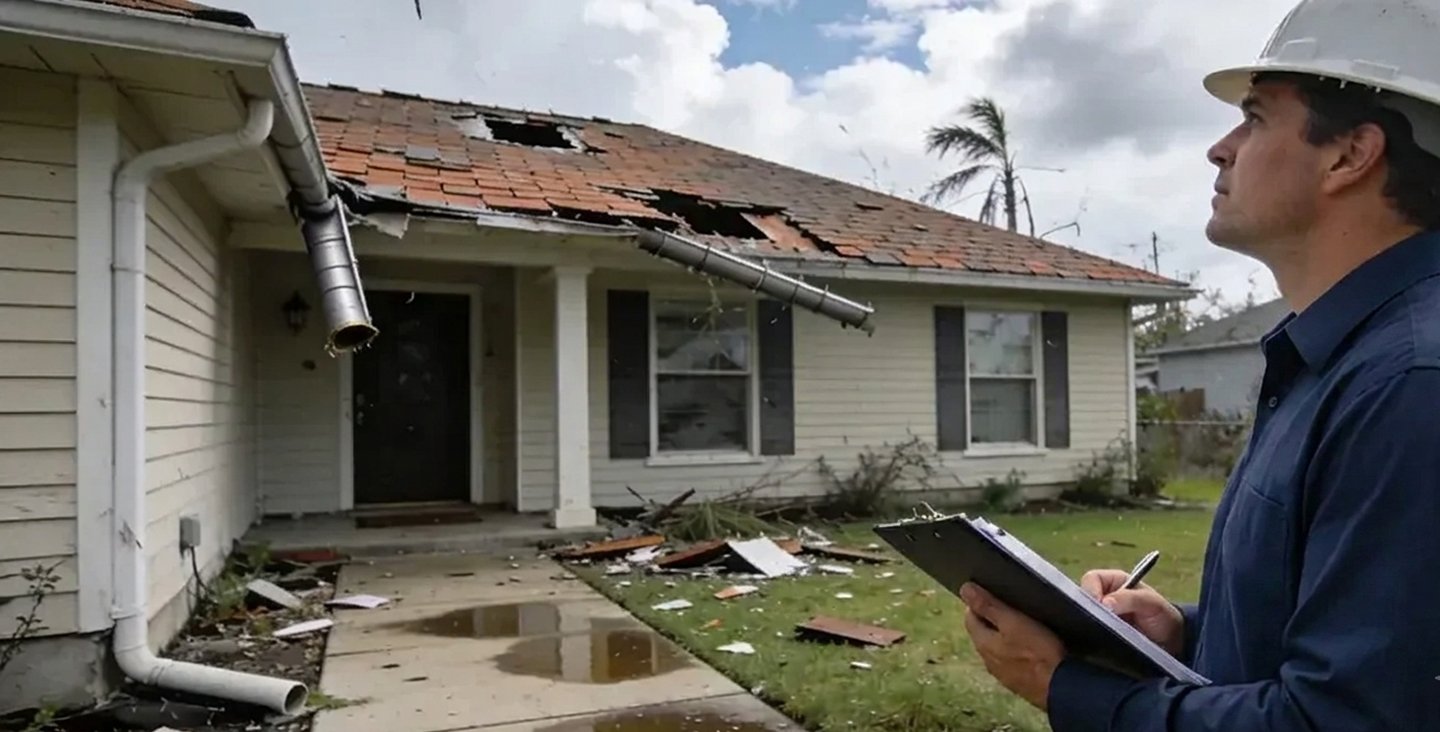
Certain events should also trigger an off-cycle assessment regardless of timing. Acquiring a new property is the obvious one, since inheriting someone else’s deferred maintenance without knowing about it is a rough way to start ownership. A significant weather event is another. Even a change in facilities leadership is worth it, since a new director inheriting a building benefits enormously from a fresh, documented baseline rather than relying on whatever institutional knowledge walked out the door with the previous person.
What a Good Report Actually Delivers
The report should be more than a list of problems. It needs to rank the findings by how urgent they’re how much they will cost. This way we can tell what safety concerns need to be fixed away and what can be put off for a few years. The report should also give us an idea of how much things will cost, based on what people are actually paying in our area, not just some average cost that is used everywhere. This will help us make a plan that’s realistic and takes into account the actual cost of things in our local market. A useful report will help us prioritize what needs to be done and make decisions about the findings.
The report should be easy to understand for someone who’s not good with technology. A property manager can usually understand the details. The report is often seen by a finance committee or an ownership group. These people need to know the points without having to read through complicated technical terms to get the important information. The report needs to give them the information they need to know, which is the bottom line, in a way that is simple to understand.
Common Mistakes Facilities Teams Make Without This Data
A few patterns show up repeatedly in buildings that haven’t been through a proper assessment. Money gets spent reactively, on whichever system just failed, rather than proactively on the system that’s actually closest to failing. Roofs get patched instead of replaced on schedule because nobody has a clear estimate of remaining service life to justify the bigger expense to ownership. Equipment gets replaced early out of caution, wasting budget on a system that had years of useful life left, simply because nobody had the data to confirm it was still in good shape.
All of these mistakes come from the same root cause: making decisions without a clear, documented picture of where things actually stand. An assessment doesn’t eliminate every surprise; buildings are unpredictable, but it shrinks the number of true surprises considerably and replaces most of the guessing with an actual forecast.
Working With the Right Team
Not every consultant offering this service brings the same level of technical depth. Some assessments are little more than a walkthrough with a checklist, noting whether something looks old or new without any real evaluation of remaining service life or underlying condition. Others involve engineers who actually understand how building systems age and fail and who can back up their findings with real cost estimates rather than rough guesses.
You should ask how they will write down what they find. You need to know if the team has worked on buildings like yours before. Are these buildings from the same time period as yours? Do they have the systems as yours? You also want to know what the final report will look like. Will you be able to give this report to the people who make the budget decisions without someone having to explain what it means? The final report should be something you can give to the budget committee without needing someone to tell you what the report says about your building.
Turning Data Into Decisions
Going back to that facilities director with the twenty-year-old spreadsheet: once the assessment was done, she had something the spreadsheet never gave her, a prioritized, costed plan she could actually take to her budget committee and defend line by line. That’s really the point of a facility condition assessment. It’s not about generating a report that sits in a drawer. It’s about giving whoever’s responsible for that building the information to plan ahead instead of reacting after something breaks.
If your capital planning is still leaning on guesswork or an outdated equipment list, it might be time for a fresh look. Facility Condition Assessment services can give you a clear, prioritized picture of where your building actually stands.




Our Related Services
Need Expert Forensic Engineering & Building Assessment Insights?
Get our accurate, evidence-based analysis to identify root causes, assess structural integrity, and make confident decisions.
Get in Touch →