


Building Assessments for Maintenance Planning
Most building owners find out something is wrong the same way: a tenant calls to report water dripping through a ceiling tile, or a maintenance crew notices a crack in the parking structure that wasn’t there last month. By the time that happens, the problem has usually been developing for years. A building maintenance assessment exists to catch those issues while they’re still small line items instead of six-figure emergencies.
It sounds simple on paper. Someone walks the property, looks at the systems, and writes up what they find. In practice, a good assessment is closer to a diagnostic exam than a checklist, and the difference between a thorough one and a rushed one can mean tens of thousands of dollars over the life of a building.
What a Building Maintenance Assessment Actually Covers
People sometimes assume this is just a roof inspection with a different name. It’s broader than that, and it needs to be, because buildings fail in places nobody’s looking.
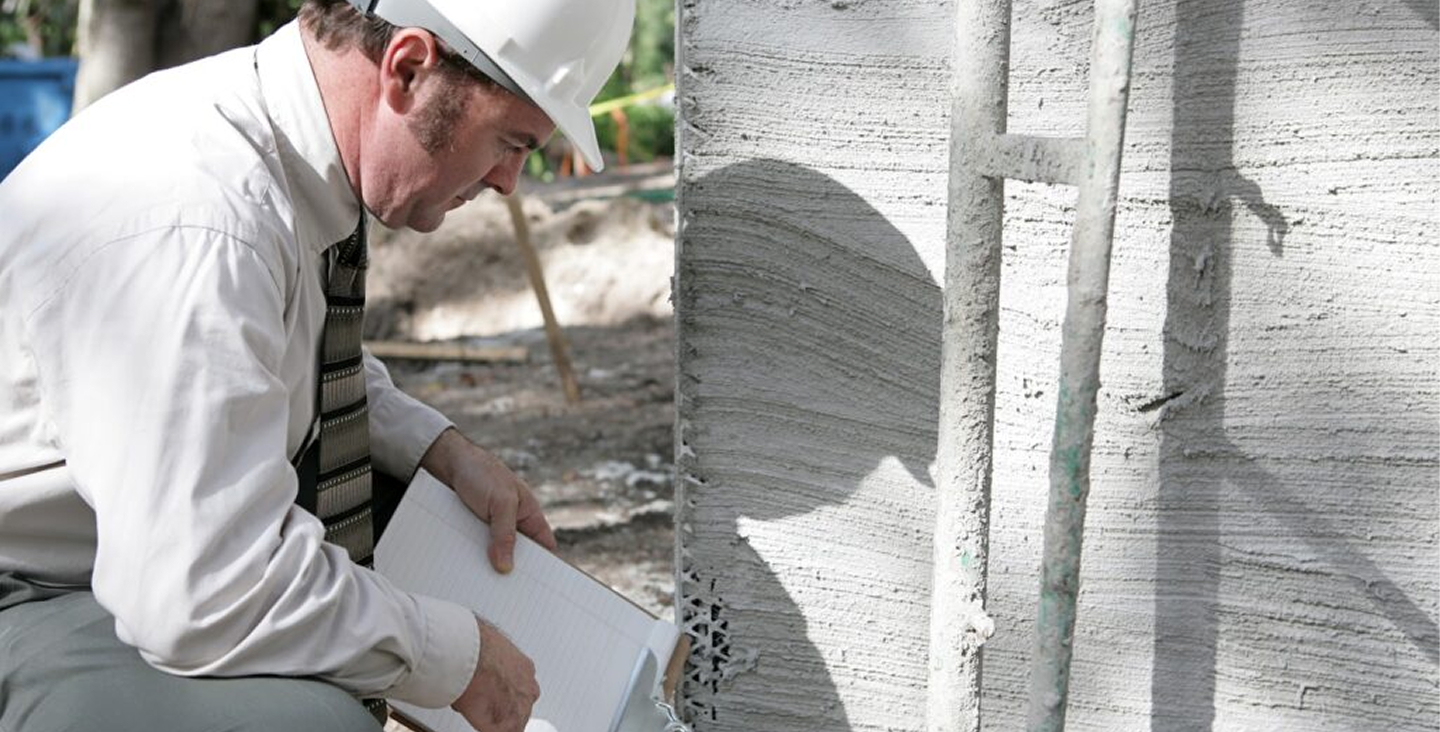
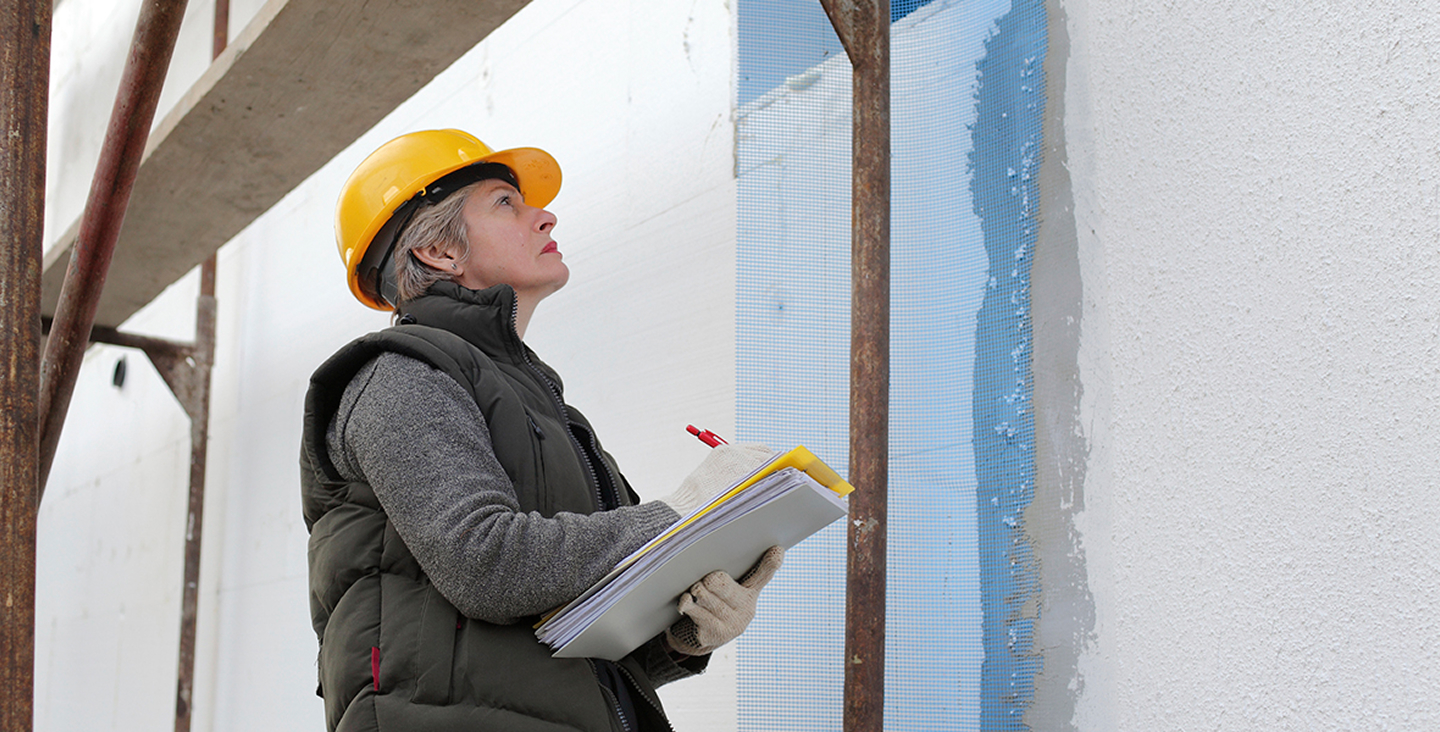
A proper assessment typically walks through the building envelope first – roofing, exterior walls, windows, waterproofing, and sealants. This is where a huge share of long-term deterioration starts, usually quietly. A failed sealant joint doesn’t announce itself. It just lets a small amount of moisture in, over and over, until something starts to rot or corrode from the inside.
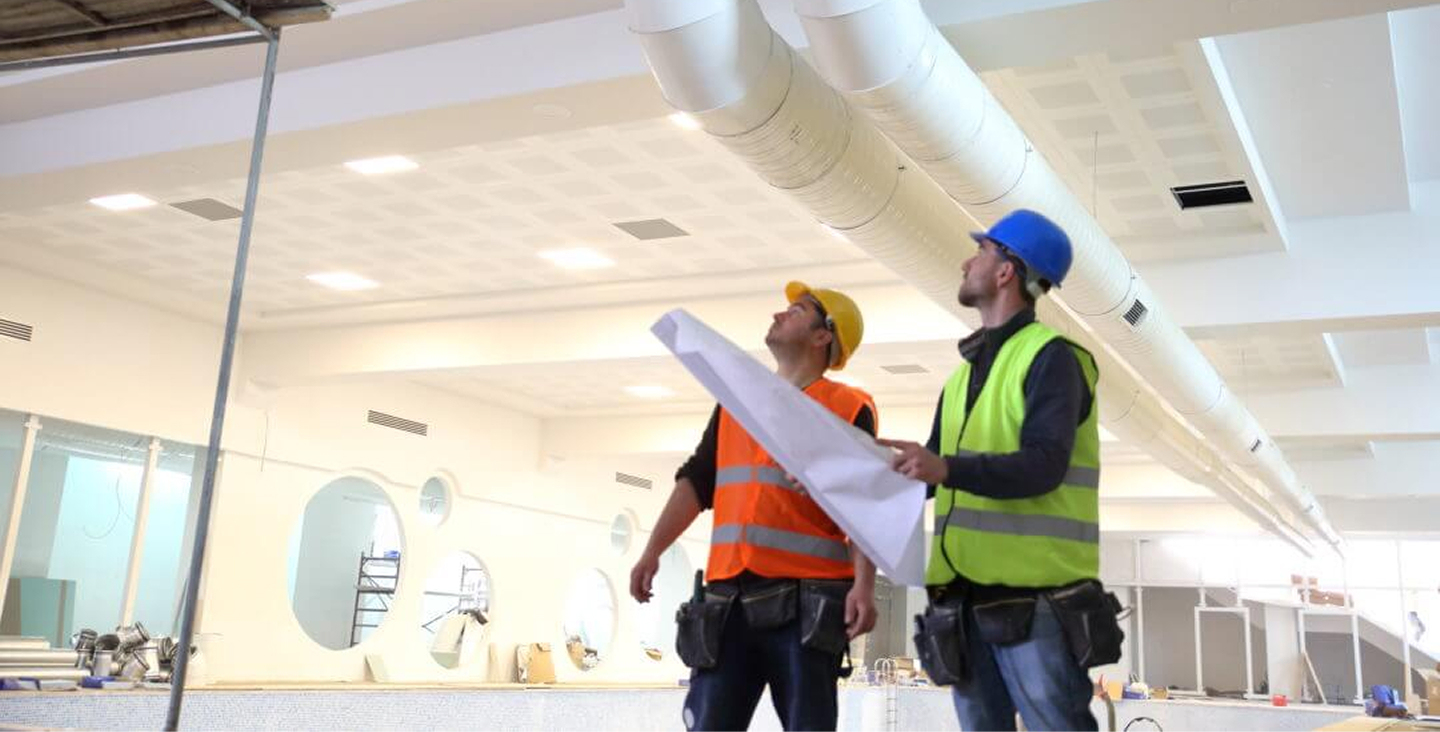
From there, most assessments move into mechanical, electrical, and plumbing systems. HVAC units have a service life, and running one past its expected years doesn’t just risk a breakdown in July when it’s 95 degrees outside – it also tends to raise energy bills long before it actually fails. Electrical panels get evaluated for age and capacity, especially in older buildings where the load has grown well past what the system was originally designed for. Plumbing gets checked for corrosion, pressure issues, and anything that suggests a slow leak building toward a bigger one.
Structural elements get their own look too, particularly in older properties or ones that have been through storm events. Foundation settling, concrete spalling, rusted rebar showing through these aren’t always urgent, but they’re the kind of thing that gets exponentially more expensive to fix the longer they sit.
And then there’s the stuff people forget matters: parking lots, drainage systems, elevators, fire safety systems, ADA compliance items. None of these make headlines, but all of them show up on a punch list eventually, and all of them cost more to fix reactively than proactively.
Why Timing Changes Everything
Here’s the part that doesn’t get talked about enough. The same repair can cost dramatically different amounts depending on when it happens.
Take a roof membrane that’s starting to show wear at the seams. Caught early, that might be a resealing job, a few thousand dollars, done in a day, building stays fully operational. Left alone for another two or three years, water finds its way under the membrane, insulation gets saturated, and now you’re not patching a seam, you’re tearing off and replacing a significant section of roof, possibly dealing with interior damage too. Same starting point, wildly different outcome, just because of when someone looked.
This is really the whole argument for building maintenance assessments. They’re not about finding problems for the sake of finding them. They’re about catching things while they’re still cheap to fix, which is also usually while they’re still small enough not to disrupt whoever’s using the building.
How Assessments Turn Into a Maintenance Plan
An assessment by itself is just information. The value comes from what happens next: turning those findings into an actual maintenance planning document that someone can work from year after year.
A good plan takes everything found during the assessment and sorts it by urgency. Some items need attention now: active leaks, safety hazards, anything that could get worse fast. Others can be scheduled a year or two out, timed around budget cycles or slower operational periods. And some items are longer-range, the kind of thing you plan for five or ten years ahead because you know a system is approaching the end of its useful life even if it’s working fine today.
This is where a lot of property owners get real value they didn’t expect. Instead of maintenance spending happening reactively, fixing whatever broke this month, it becomes something that can actually be budgeted for. A facilities manager or property owner can look at a five-year plan and know that the HVAC replacement is coming in year three, so they can start setting money aside now instead of scrambling when the units finally quit.
There’s also a documentation benefit that matters more than people expect, especially for commercial properties. Insurance companies, lenders, and prospective buyers all tend to look favorably on a building with a documented maintenance history. It shows the property has been cared for rather than just occupied, and that can genuinely affect financing terms or resale value down the line.
A Situation That Comes Up More Than You’d Think
Consider a mid-rise office building, built in the late 1990s, that’s changed ownership twice since it was constructed. The new owner has records from the most recent renovation, but nothing showing what’s actually been maintained versus what’s just been painted over or patched temporarily.
An assessment on a building like this often turns up a mix of things. Maybe the roof is actually in decent shape, replaced eight years ago and holding up fine. But the original HVAC units are still running, well past the point most similar systems get replaced, and one of the three main units is already showing signs of struggling to keep up during peak summer load. The electrical panel, meanwhile, was sized for the building’s original tenant mix and hasn’t been reevaluated even though the building now houses more server rooms and higher-draw equipment than it did in 1998.
None of these are emergencies on their own. But without a proper assessment, the new owner has no way of knowing which system is going to demand attention first or how much money to set aside and when. With one, they get a prioritized roadmap replace the struggling HVAC unit within the next twelve to eighteen months, budget for an electrical capacity upgrade within three years, keep an eye on the roof, but no urgent action is needed for now. That’s a completely different position to operate a building from than just waiting for something to break.
How Often Should This Happen
There’s no single answer that fits every building, but a few patterns hold up reasonably well. Commercial properties generally benefit from a full assessment every three to five years, with lighter annual check-ins on the systems most prone to sudden failure roofing, HVAC, and anything exposed to weather. Older buildings, or ones in regions that see heavy storm activity, usually need to be on the shorter end of that range. A building that just went through a major storm event, regardless of its age, is worth assessing sooner rather than later, even if nothing looks obviously wrong from the outside.
Buildings changing ownership are another natural trigger point. Whether you’re buying or selling, an assessment gives everyone involved a clear, documented picture of what they’re actually dealing with, rather than relying on whatever the previous owner remembers or chooses to disclose.
What Separates a Useful Assessment From a Checkbox Exercise
Not every assessment delivers the same value, and it’s worth knowing what to look for before hiring someone to do one.
The people doing the walkthrough should have real experience with the systems they’re evaluating, not just a general contractor background. Someone who understands how HVAC systems age differently from roofing systems and how both interact with a building’s specific climate exposure is going to catch things a generalist might miss.
The report itself matters just as much as the walkthrough. A stack of photos with vague notes isn’t a maintenance plan. What you actually want is something prioritized, with realistic cost ranges and timelines attached, written clearly enough that whoever’s managing the budget can actually use it to make decisions.
Ideally, the assessment connects directly to ongoing building maintenance planning, rather than sitting as a one-time report that gets filed away and forgotten. The whole point is that this becomes a living document, updated as work gets completed and as new issues get identified, not a single snapshot that goes stale the moment something changes.
Where This Leaves Property Owners
A building maintenance assessment isn’t a luxury reserved for large commercial portfolios. Any property owner who wants to avoid the pattern of expensive surprise repairs benefits from knowing, in real terms, what condition their building is actually in and what’s coming down the road.
The properties that hold their value best over time aren’t usually the newest ones. They’re the ones where someone took the time to look closely, understand what needed attention, and plan for it before it became urgent. That’s really all a maintenance assessment is trying to do replace guesswork with a clear picture, so the next repair doesn’t have to be an emergency.
Recent Blogs


Our Related Services
Need Expert Forensic Engineering & Building Assessment Insights?
Get our accurate, evidence-based analysis to identify root causes, assess structural integrity, and make confident decisions.
Get in Touch →