


How Misinterpreting Property Damage Impacts Claim Outcomes
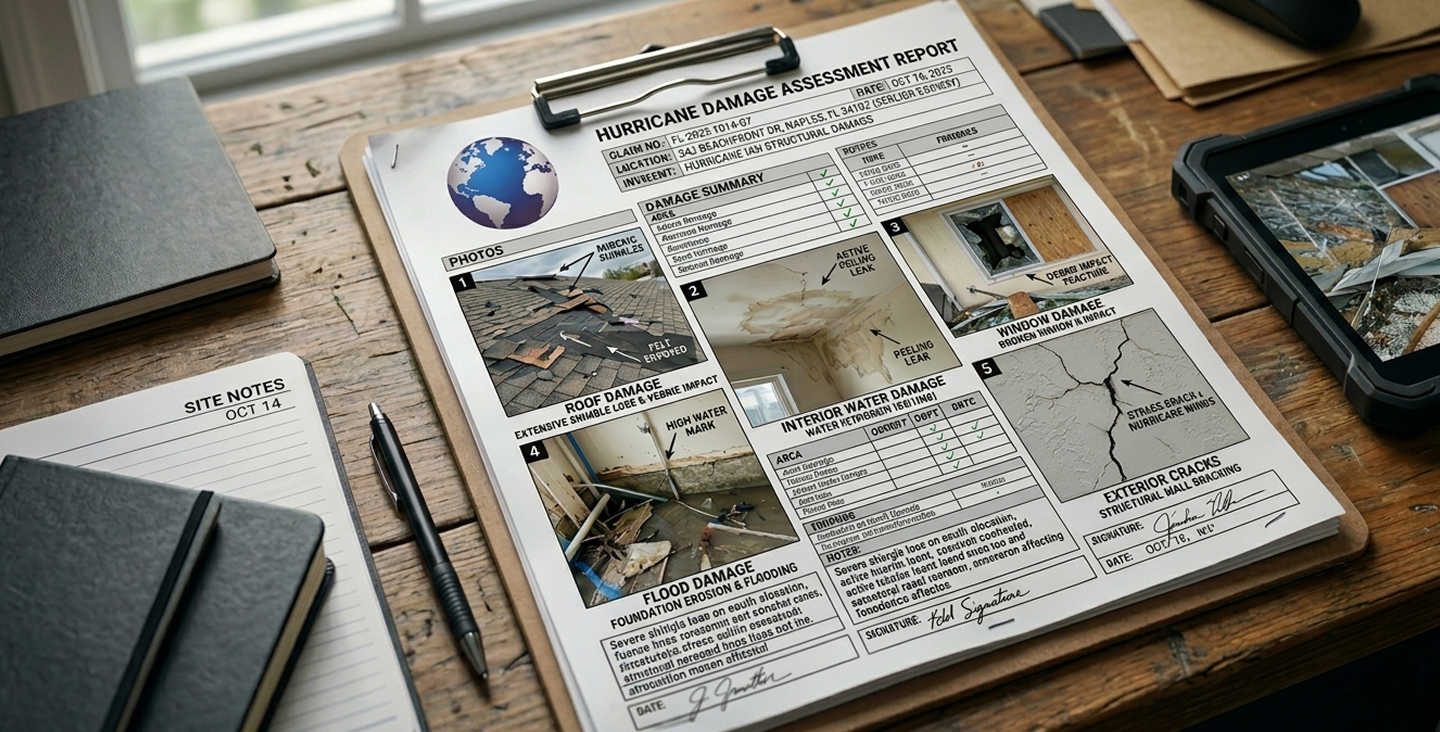
In property damage claims, what is interpreted impacts the outcome more than what is visible. Whether it is defining the scope of repair or aligning stakeholders’ viewpoints with decisions, property damage interpretation plays a significant role at every step of a claim’s progress. Even a slight misinterpretation may lead to serious consequences, such as the disapproval of the claims or legal litigation. This is why a structured, evidence-driven approach involving forensic property damage investigation is needed to interpret property damage scenarios. This blog discusses how misinterpretation of damage affects property claims and how a disciplined, clear interpretation yields more defensible, consistent claim outcomes.
How Property Damage is Often Misinterpreted: The Most Common Conditions
Due to a lack of clarity in findings, a misunderstanding of causation, an incomplete evaluation of contributing factors, or an inaccurate assessment of the extent of damage, misinterpretation of property damage often occurs. The types of misinterpretation that put property stakeholders, claim leaders, TPAs, or defense attorneys often in trouble are:
Mentioning Structural Damages as a Surface-level Cosmetic issue: It is common for property owners to mistake structural damages on the property as a minor surface crack. When it happens, the hints of foundational failure are overlooked, resulting in long-term damage and disapproved structural damage claims.
Confusing Gradual Deterioration with Sudden Damage: When a catastrophic event like a storm, occurs, damage such as a burst pipe is often considered a sudden loss. However, they can actually be an instance of gradual wear and tear. This confusion causes difficulties in obtaining restoration costs or accessing emergency plumbing services.
Overlooking Secondary Damages:
Focusing only on visible issues while ignoring hidden or progressive damage, such as mold or water-related dampness, is another common error in interpreting property damage. It increases the risks of out-of-pocket expenses for the property stakeholders, remediation contractors, or property adjusters.
Deliberate Misrepresentation of Facts: Due to time constraints, predefined assumptions, unethical intent to secure financial gain, or other pressures, facts are often omitted or manipulated in property damage assessment reports. Under certain conditions, damages are prone to misinterpretation due to their apparently simple but complex nature or overlapping visual characteristics. They are:
- Moisture intrusion, which can originate from a sudden plumbing failure, long-term roof leakage, or condensation due to environmental conditions
- Fire and smoke impact, in which people often look at the visible burn areas, ignoring the extended areas affected by the soot deposition, thermal effects, and odor migration
- Foundation damage, including cracks on walls or floors, which can be a result of sudden events or gradual impacts caused by seasonal expansion and contraction, soil settlement, or long-term structural stress, etc.
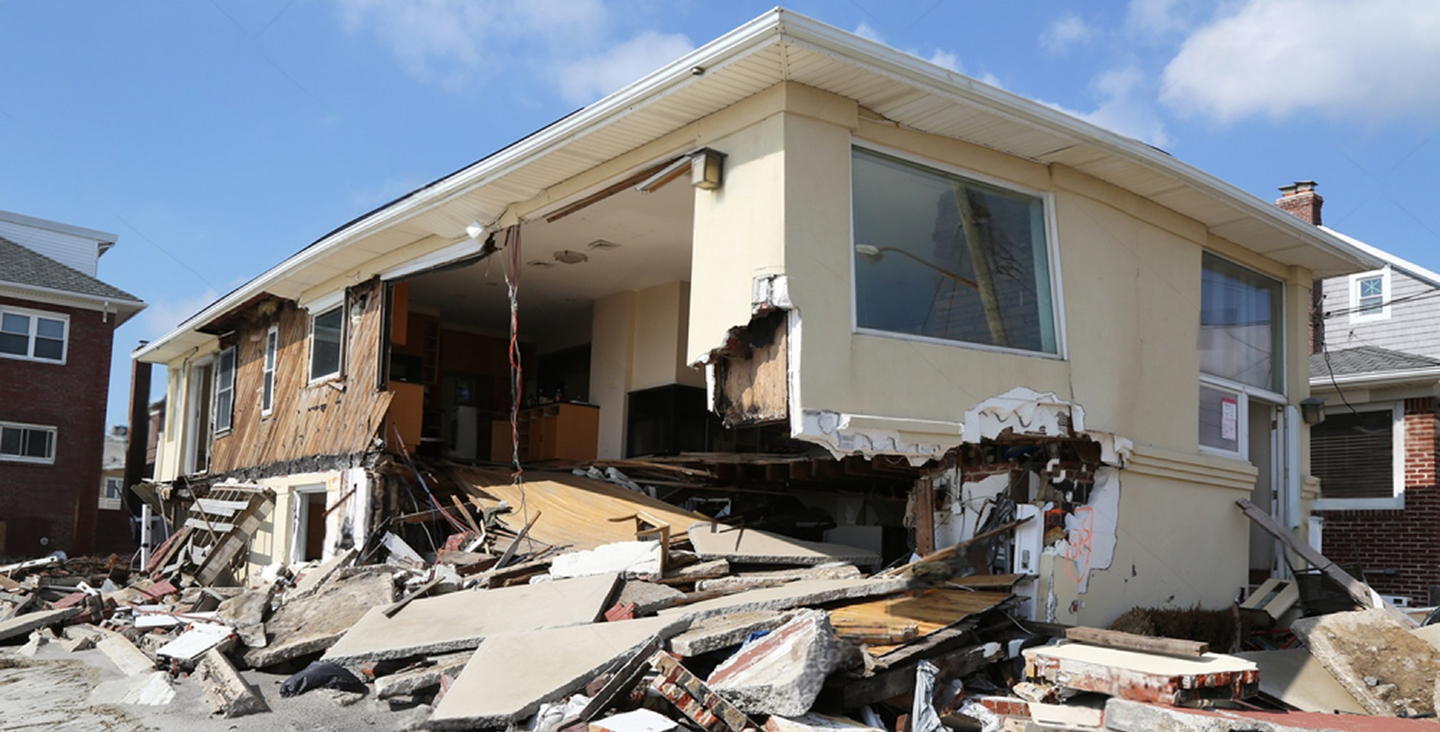
- Storm-related impact, in which pre-existing wear, aging materials, etc., often influence the appearance and intensity of the damage caused by the storm.
Impacts of Misinterpreting Property Damages on Claim Outcomes:
When property claims investigations go wrong and, as a result, damages are misinterpreted, serious effects are seen on claim outcomes.
Total claim denial: If the initial misinterpretation categorises the cause of damages as an uncovered peril (e.g., long-term wear mistaken for sudden damage), or the interpretation mentions intentional damages as sudden weather impacts, even the total claim payout can be denied.
Under insured settlements: Incorrect property damage assessment often leads to severe underpayment of claim amounts.
Extension of the claim timeline: When the property damage interpretation has flaws, the claim cycle can be prolonged, delaying resolution due to re-reviews, additional inspections, and clarification requests.
Accusations of insurance fraud: The inclusion of exaggeration or false description in the property damage interpretation may trigger fraud investigations. It may end up in the insurance policy cancellation or severe legal actions.
Conclusion
In the long run, it is prominent that misinterpretation in property damage claims documents does not necessarily result from a lack of documentation expertise. It can arise from negligence in damage causation analysis, assumptions without sufficient evidence, unethical intentions to secure personal interests, or incomplete structural damage evaluation. To avoid such factors, hiring professional forensic engineering and building assessment experts is crucial. With evidence-driven property claim investigations, careful differentiation among the factors causing damage, and clear documentation of findings, ambiguity and uncertainty in claim outcome can be reduced or eliminated.
Recent Blogs



Our Related Services
Need Expert Forensic Engineering & Building Assessment Insights?
Get our accurate, evidence-based analysis to identify root causes, assess structural integrity, and make confident decisions.
Get in Touch →