The Value of Forensic Engineering in Clarifying Misrepresented or Misunderstood Claims Conditions
Introduction
Insurance misrepresentation rarely presents itself as an obvious act. Along the Gulf Coast, where hurricanes, storm surges, extreme humidity, and aging infrastructure intersect, a claim may appear legitimate at first glance: torn roofs after a tropical storm, failed HVAC systems following a power surge, cracked foundations, or “sudden” equipment breakdowns. But for insurers operating in Texas, Louisiana, Mississippi, Alabama, and Florida, the challenge is deeper.
Insurance ambiguity often hides in technical grey areas, exaggerated storm-related damage, or misrepresented timelines that tie unrelated failures to major weather events. This is where forensic engineering becomes indispensable. By identifying the true cause and true extent of loss, forensic engineering reduces ambiguity, protects the integrity of the claims process by preventing overstated or misattributed losses, and ensures policyholders receive fair, evidence-backed outcomes.
How Forensic Engineering Helps Detect and Prevent Mischaracterized or Misrepresented Claims
1. Root-Cause Identification
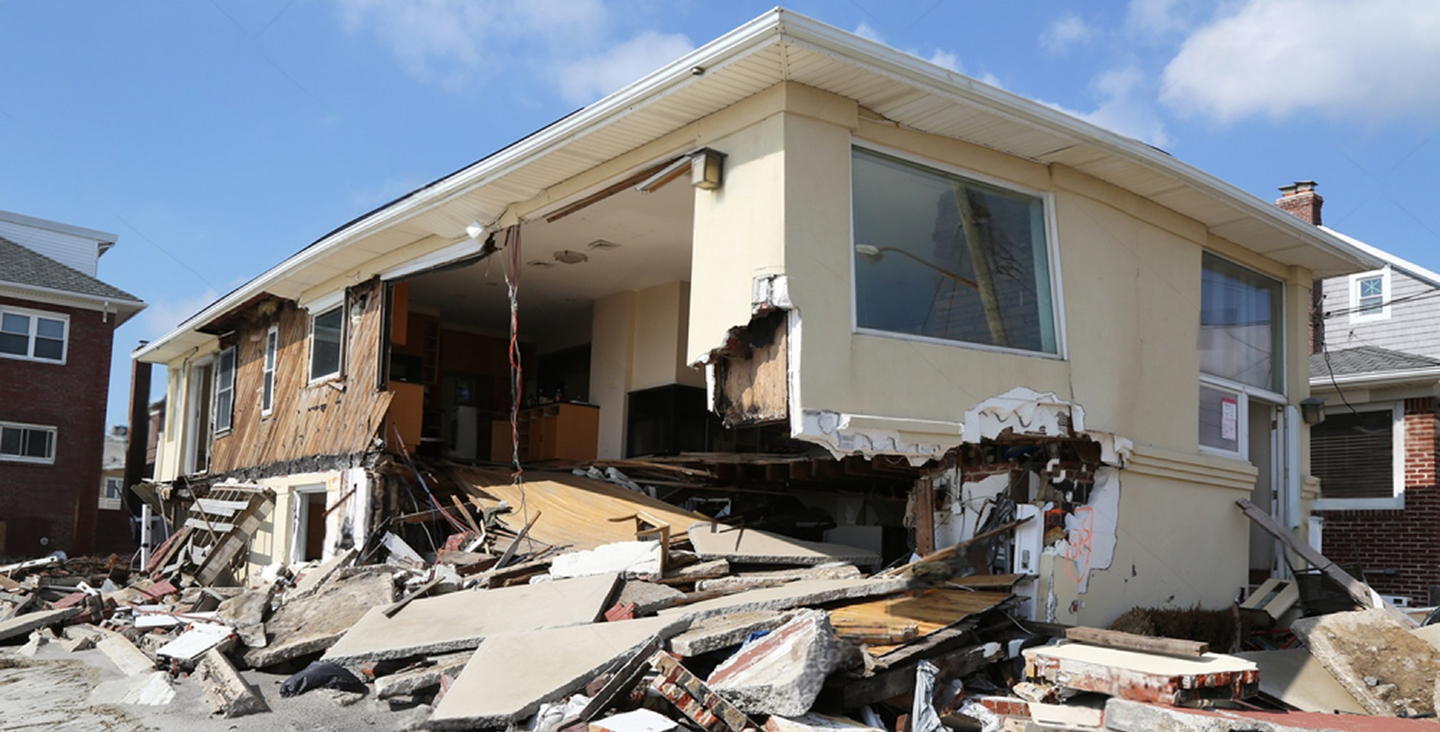
In hurricane-prone regions like the USA’s Gulf Coast, many claims unintentionally attribute old or unrelated failures to the most recent storm. When a claim cites structural failure, fire, mechanical breakdown, or water intrusion, forensic engineers investigate far beyond the visible damage.
They analyze :
- Material behavior under hurricane-grade winds
- Load paths affected by storm surge or saturated soils
- Failure sequencing influenced by Gulf humidity and corrosion
- Environmental data tied to the specific storm event
Their core question remains :
Did the claimed storm or incident actually create this damage?
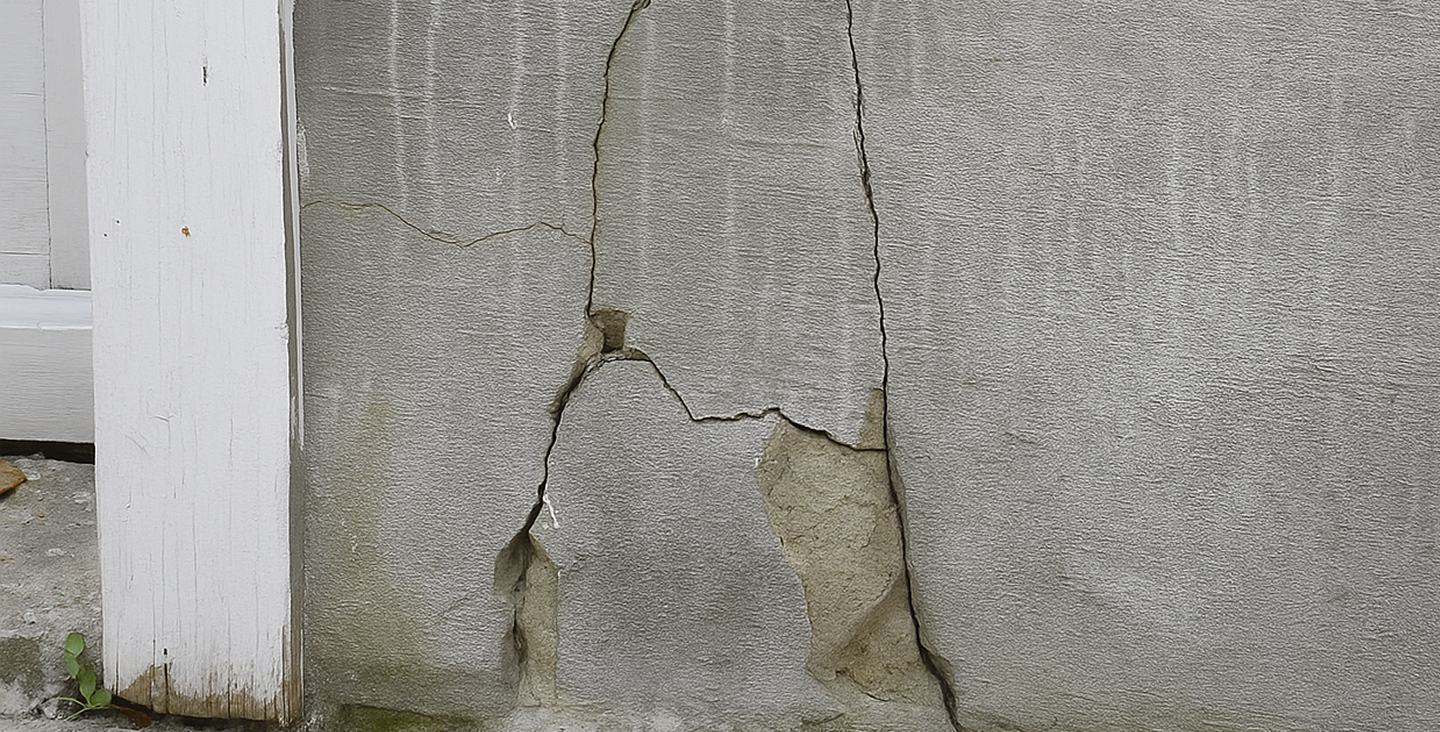
Patterns of corrosion, wear, cracking, or burn signatures often reveal if the failure was sudden or the result of long-term deterioration common in coastal climates. This helps clarify which losses were event-driven versus conditions unrelated to the reported peril.
2. Distinguishing New Damage from Pre-Existing Conditions
Across the USA’s Gulf states, older homes, salt-air exposure, and high-moisture environments accelerate wear. Some claims bundle long-standing issues into storm-related submissions.
Forensic engineers determine :
- Age of the damage
- Moisture progression patterns
- Symptoms of deferred maintenance
- Indicators of chronic Gulf climate deterioration
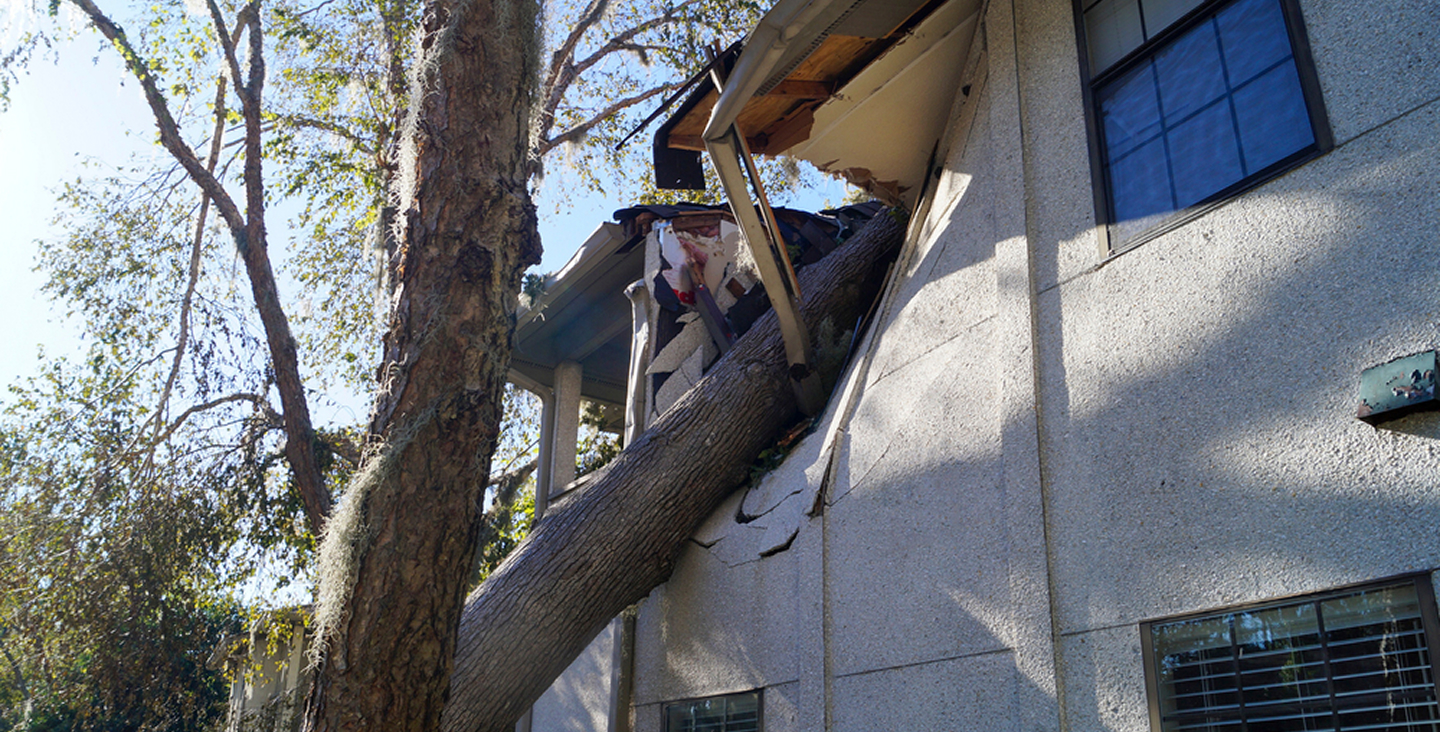
- Signs of impact vs. pre-storm degradation
This clarity helps ensure routine coastal wear is not mistaken for storm-driven loss, supporting fair, evidence-based settlement decisions.
3. Technical Validation of Claimed Repair Costs
After major storms, it’s common to see repair estimates spike dramatically. While some increases are justified, many claims overstate the scope by including:
- Full replacements when repairs are sufficient
- Unrelated upgrades disguised as storm restoration
- Amplified scopes that go beyond the actual affected area
Forensic engineering validates :
- What truly requires replacement?
- What can be restored?
- What damage is unrelated to the event?
By anchoring repairs to engineering reality, decision-makers ensure repair scopes align with the actual conditions documented.
4. Detection of Intentional Damage or Forced Failures
Some of the most complex claim discrepancies in the Gulf states involve staged or intentionally aggravated losses, especially in the aftermath of hurricanes when oversight is stretched thin.
Forensic engineers identify :
- Tool marks or mechanical manipulation
- Heat patterns inconsistent with accidental fires
- Cut, punctured, or intentionally weakened building components
- Attempts to alter conditions after the storm
These findings often serve as critical evidence in dispute evaluations, legal disputes, and subrogation actions.
5. Data-Driven Fraud Flagging Using Advanced Diagnostics
The USA’s Gulf-state environments present unique investigative challenges, from high humidity affecting material readings to debris-laden sites after landfall. Modern forensic engineering uses advanced diagnostics to overcome these gaps:
- 3D scanning
- Infrared thermography to assist with identifying moisture intrusion
- Moisture trace mapping
- Metallurgical analysis of plumbing and mechanical systems
- Drone-based inspections for unsafe or inaccessible areas
These technologies reveal hidden truths about damage origin, enabling teams to validate event-driven losses and identify conditions inconsistent with reported damage with confidence.
6. Strengthening Claim Defensibility & Reducing Disputes
After hurricanes or severe Gulf storms, disputes often arise between carriers, contractors, public adjusters, and policyholders, especially when damage is complex or partially concealed.
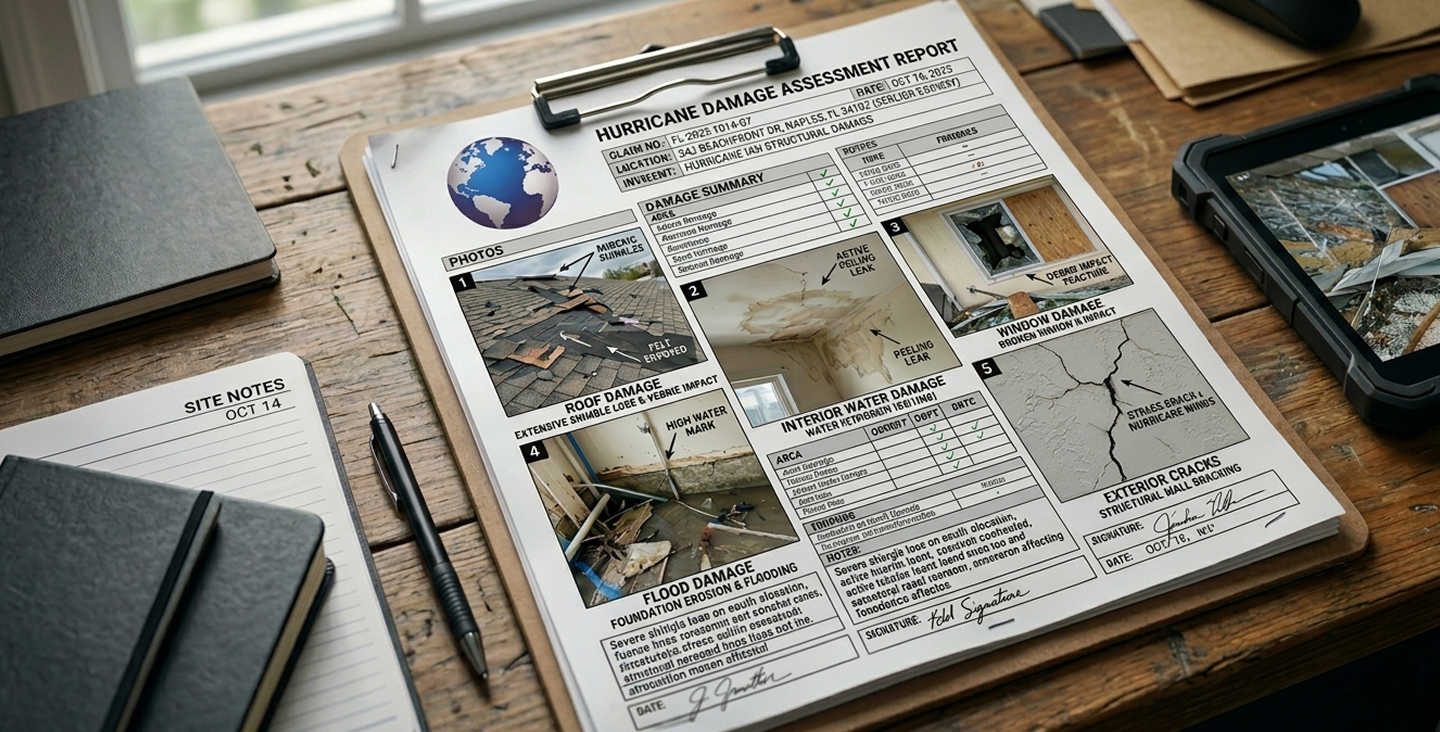
A forensic engineering report provides :
- Clear timelines tied to the storm event
- Evidence-backed causation
- Photographic and analytical documentation
- Building-code compliance evaluations specific to Gulf jurisdictions
- Repair recommendations aligned with engineering standards
This clarifies areas of agreement and disagreement, supports fair resolution, and provides documentation that holds up under regulatory or legal review.
Why Early Forensic Involvement Matters
Mischaracterized or misunderstood claims can escalate quickly when early evidence is lost to cleanup, humidity, or continued exposure. Early involvement ensures:
- Accurate documentation before alterations
- Preservation of storm-specific evidence
- Immediate identification of conditions that may not align with the reported cause
- Reduced adjuster burden during post-storm claim surges
- Prevention of fabricated narratives tied to a named storm
For all stakeholders, early forensic intervention provides a strategic advantage: the ability to confirm what truly occurred, not what is claimed after the fact.
Wrapping Up
In the USA’s Gulf Coast, where extreme weather and high-risk environments create fertile ground for complex claims scenarios, misrepresented or misunderstood conditions often hide in the technical shadows, behind overstated storm damage, misrepresented failures, and narratives that don’t align with engineering reality.
Forensic engineering cuts through this complexity. By establishing true causation, separating storm-driven losses from long-term coastal wear, and validating repair scopes with scientific precision, it supports fair, defensible claim outcomes for all parties involved.
Prema Consulting Group strengthens this mission across the Gulf states with forensic engineering assessments grounded in rigorous diagnostics, unbiased analysis, and defensible documentation, helping clients and stakeholders resolve claims confidently, accurately, and in alignment with physical evidence.