

How Forensic Engineers Determine Root Cause Failure
A roof collapses. A foundation cracks straight through. A wall bows out for months before it finally gives. Everyone standing there wants the same thing right away — why did this happen? Getting a real answer, not just the obvious surface explanation, takes a process most people never actually see.
That process is what forensic engineering investigations are built around. Confirming that something broke is the easy part; it’s usually obvious. Tracing that break back to where it actually started is the hard part, and it’s the piece that matters most when insurance money, legal liability, or future repairs are on the line.
The Obvious Cause Isn’t Always the Real One
A collapsed section of roof tells a story that seems finished the moment you see it. Storm hit, roof came down, done. Except that collapse is often just the point where a failure that had been building for a long time finally became visible and catastrophic. It’s rarely where the failure actually began.
Root cause analysis pushes past that first impression. Maybe the roof gave way at its structurally weakest point, but the real cause traces back to fasteners installed wrong years before, or a slow leak that quietly rotted a support beam long before any storm showed up, or a design that never accounted for the wind loads the region actually sees. The collapse is the symptom. Finding what triggered it is the actual work, and engineers who skip that step end up with conclusions that don’t survive a second look.
Evidence First, Theory Later
One habit separates careful forensic engineers from sloppy ones: they resist forming a conclusion too early. It’s tempting to walk onto a site and immediately decide “this was wind damage” or “this was a bad install.” But locking in a theory before gathering evidence is how investigations fall apart later, usually when an opposing attorney starts asking pointed questions.
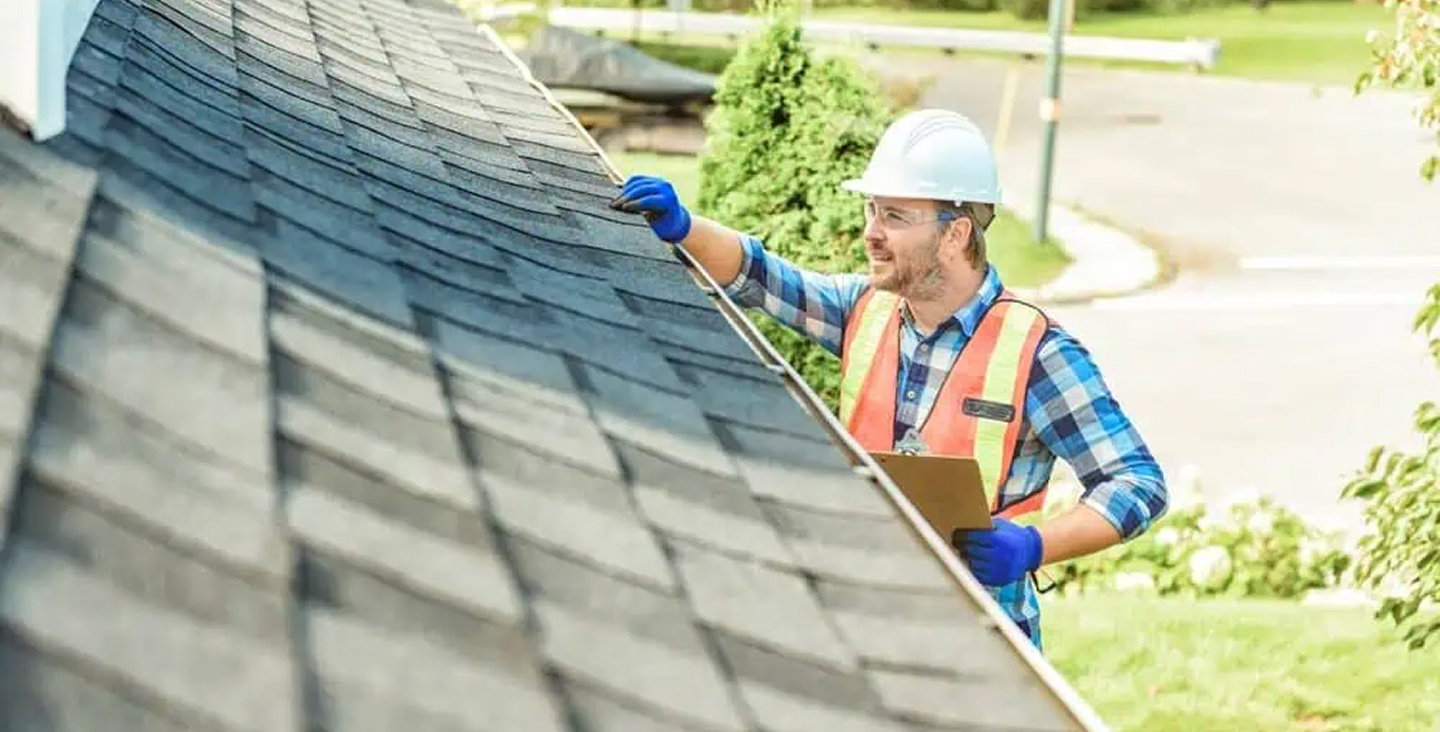
So the process starts with plain documentation — photos from every angle, measurements, material samples where they’re needed, detailed notes on how the damage looks and where it’s concentrated. At this stage, engineers are recording what they see, not deciding what it means yet. That evidence becomes the foundation for everything that follows, and it has to be thorough enough that someone reviewing the file months later, maybe an attorney or a competing expert, can reconstruct exactly what was observed on-site.
Only after that groundwork is done does the actual analysis start. That order matters. Evidence first, theory second keeps an investigation honest and helps prevent the kind of quiet bias where ambiguous evidence gets interpreted to match a conclusion someone already had in mind.
Testing More Than One Explanation
Once the evidence is in hand, forensic engineers usually lay out several possible explanations for a failure, not just one. This step is a big part of what separates a rigorous root cause analysis from a rushed one.
Take an exterior wall that fails during a storm. There are several things that could explain it: wind pressure beyond what the wall was designed for, water intrusion that weakened the structure gradually, a construction defect in how the wall was anchored, corroded fasteners, or some mix of all four working together over time.
Each explanation gets checked against the evidence. Does the damage pattern actually match what wind alone produces? Do material samples show long-term water damage, or does everything point to one sudden event? Do the original plans and permits show the wall was built to code? Testing ideas against evidence, rather than assuming the first plausible answer is the right one, is really the core of the whole discipline.
Bringing in Outside Data
Root cause work leans hard on data that lives outside the building itself. Weather records matter enormously for storm-related failures — actual recorded wind speeds, rainfall totals, storm paths for that exact location and time. If a proposed cause doesn’t line up with what the building actually experienced, the theory has a problem.
Building codes and permit history matter just as much. Florida’s codes tightened considerably after Hurricane Andrew, so a structure built in the 1980s is going to behave very differently under load than one built to current standards. Knowing which code era applies helps an engineer judge whether a failure points to an actual design or construction problem, or whether the building simply performed the way its older, less strict standards would predict under extreme conditions.
Material testing rounds all of this out. Core samples, fastener inspections, and lab analysis can turn up things the naked eye misses entirely — corrosion, fatigue, improper installation — the kind of quiet problems that set a failure in motion long before the event that finally triggered it.
Separating Contributing Factors From the Actual Root Cause
This is the trickiest part, and it’s where experience really shows. Failures almost never come from one single thing. Usually there’s a root cause plus several contributing factors that made things worse or sped up the timeline.
Go back to that roof example. The root cause might be a design flaw where the original engineer underestimated wind uplift for that particular roof shape. Contributing factors might include years of deferred maintenance that weakened certain fasteners, plus a storm with unusually long sustained winds compared to typical events in that area. All three played a part. But they’re not equal, and a solid root cause analysis is clear about which one actually started the failure versus which ones just made an already-vulnerable structure worse.
That distinction carries real weight. A design defect points toward liability sitting with the original engineer or contractor. Genuine storm severity beyond what any reasonable design could anticipate points a different direction entirely, with real consequences for both insurance coverage and legal responsibility.
Establishing When Things Actually Happened
When forensic engineers are trying to figure out what happened, they also need to find out when it happened. They have to know the timeline of the failure, not how it failed. Did the problem start a time ago, or did it happen all at once during the storm that they are talking about? For insurance purposes, it is really important to know when the damage happened. This is because insurance companies will only pay if the damage happened suddenly during a storm that is covered by the policy. If the damage happened slowly over time, the insurance company might not pay. Forensic engineers have to look at the timeline of the failure to help figure out if the insurance company will cover the damage. The timeline is just as important as the cause of the failure.
When we make a timeline of what happened to a building, we use everything we already know. We look at how the materials have gotten worse over time, which can tell us how old the damage is. We also check the weather to see if it matches when the damage probably happened. We look at records of any repairs that were done on the building before. Sometimes we even talk to people who saw the building before and after something happened to it. We use all of this information to make our timeline. The building timeline is important because it helps us understand what happened to the building. We use the building timeline to figure out what the building was like before and after the event. The building is the thing we are trying to learn about.
A Case That Shows How This Plays Out
Picture a warehouse that loses part of its roof a few days after a strong storm passes through. At first glance, it looks simple — storm hit, roof came down. But a real investigation rarely stops at first glance.
The engineer documents the collapse thoroughly, then pulls wind data for that exact location and timeframe. The numbers show sustained winds, but nothing close to what should bring down a well-built, code-compliant roof. That’s the first sign something else is going on.
Material samples from the failed section show significant corrosion on several structural connections, consistent with long-term moisture exposure rather than a sudden storm impact. Permit records confirm the roof was installed correctly to begin with. But maintenance records tell a different story: a persistent, unaddressed leak in that exact section for at least two years, backed up by old repair invoices and internal maintenance logs.
Put together, the analysis points to chronic water intrusion quietly corroding key connections long before the storm ever arrived. The storm’s wind, while not extreme, was simply the final push needed to bring down a roof section that had already been weakened for years. The storm is a trigger and a contributing factor. The root cause is the leak nobody fixed.
This new information changes the situation. We are not just talking about a payment for storm damage anymore. Now we have to think about things, like maintenance that was not done on time whether people knew about the leak before it became a problem and if the damage should be seen as something that happened slowly over time instead of all at once because of the storm. The insurance company needs to look into this and not just do a quick check. This is the kind of decision that requires a careful investigation, not something that can be figured out with just a quick look around.
When the Answer Isn’t Clean
Not every investigation has an answer. Sometimes things are not easy to figure out. The evidence can point to two things and they can be equally right. A good forensic engineer will tell you that. They will not try to make the story sound better than it really is. They will say what the facts really show, even if it is not an answer. A good forensic engineer will be honest. Say that the evidence supports two competing explanations almost equally, and that is what they will tell you rather than trying to make it sound simpler than it really is.
This happens more than people expect on older buildings especially. A structure that’s had multiple owners, several rounds of repairs, and decades of Florida weather behind it doesn’t always leave a clean paper trail. Maintenance records go missing. Prior repairs get done without permits. In those cases, root cause analysis becomes an exercise in probability rather than certainty — which explanation is best supported by what’s left, even if it’s not airtight.
Being honest about that uncertainty, rather than manufacturing false confidence, is actually a mark of a stronger investigation, not a weaker one. Attorneys and insurance professionals who’ve worked with forensic engineers for years generally trust an expert who says “here’s what the evidence most strongly supports, and here’s what we can’t rule out” over one who claims total certainty on a case that clearly doesn’t have it.
Why Getting This Right Matters So Much
None of this rigor is academic. Root cause conclusions decide who pays for a loss, whether a claim gets approved or denied, and sometimes whether a lawsuit succeeds. A rushed investigation that settles for “storm damage” without digging into contributing factors can produce unfair outcomes either way — an insurer wrongly denying a legitimate claim, or a policyholder getting paid for damage that had nothing to do with the storm at all.
Real root cause analysis takes time and a willingness to test more than one explanation instead of grabbing the first plausible answer. Done properly, it gives everyone involved — insurers, property owners, attorneys — a conclusion they can actually stand behind, whether the case ends with a quiet settlement or a courtroom.
Recent Blogs

Our Related Services
Need Expert Forensic Engineering & Building Assessment Insights?
Get our accurate, evidence-based analysis to identify root causes, assess structural integrity, and make confident decisions.
Get in Touch →