

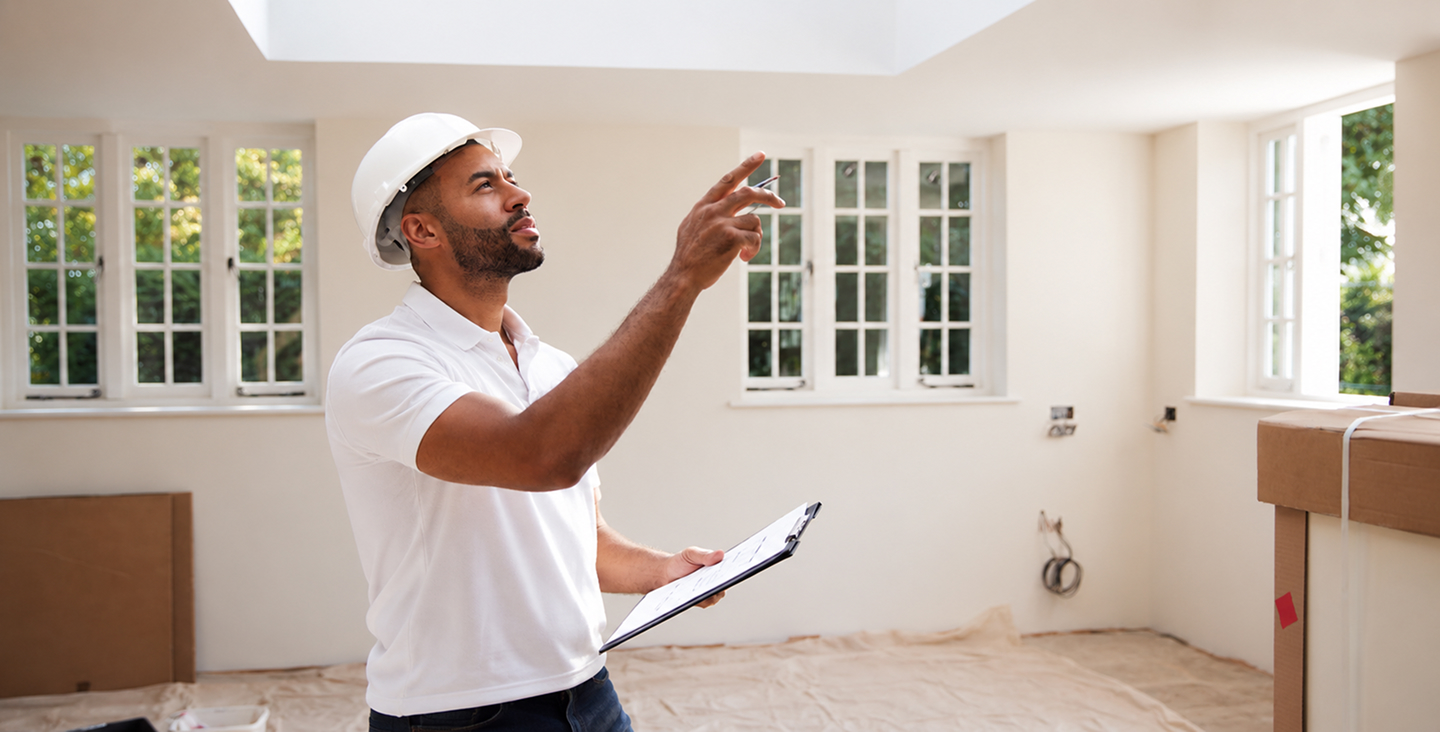
Residential Building Assessments: Complete Guide
A couple came to us right before closing on a house they loved. The listing photos looked great, the general home inspection came back mostly clean, and they were three weeks from moving in. What a full residential building assessment turned up was a foundation with early-stage settlement cracking that the standard inspection had noted as “minor” without digging into why it was happening. It wasn’t a deal-breaker, but it was a six-figure difference in what they should have offered.
That’s the gap between a standard home inspection and a more thorough building assessment. Both have their place. They’re just not the same thing, and knowing when you need the deeper version can save you from a very expensive surprise.
How This Differs From a Standard Home Inspection
A home inspection is like a checkup for a house. It looks at the roof to see what shape it is in. The person doing the inspection will walk around. Check the big systems in the house. They will make sure the outlets are working and look for any water damage or things that could be dangerous. This whole process usually does not take long, like a few hours. After it is done, the people buying the house will have an idea of what kind of condition the house is in. A home inspection covers the basics. Gives buyers a general sense of the home inspection and the property’s condition. The home inspection is a part of buying a house.
A residential building assessment does a lot more. It gets someone with an engineering background to look at the structural elements of the building. They do not just see that there is a crack and move on. They try to figure out what is causing the crack and if it is getting worse. They check how well the foundation is doing, the framing, and if water is getting in. They also look at things that might need tests, like the condition of the soil or the roof structure. When a home inspector finds something, they might say that the residential building needs further evaluation.. A residential building assessment is actually that further evaluation of the residential building.
When You Actually Need One
Not every home purchase calls for this level of detail. But certain situations make it worth the extra step. Buying an older home, especially anything built before major code updates in your area, since older construction methods and materials often don’t hold up the way current codes assume. A home inspection that flagged something concerning but stopped short of explaining it. Any property with visible cracking, sloping floors, sticking doors and windows, or signs of past water damage that weren’t fully explained in the seller’s disclosure.
If you have a home in an area where the soil can cause a lot of trouble or if the home has had problems with its foundation, you should think about getting an inspection. This is because these problems can be hard to understand, and a regular inspector might not know what is really going on. Also, if you are buying a home that has had a lot of work done to it over the years like new rooms added or big renovations, a special inspection can find out if the people who did the work did it correctly. A home inspection can catch things that were not done right like changes that were not properly planned.
What Gets Evaluated
When you do an assessment of a building, you usually look at the foundation and check if there are any signs of settlement or movement. You also check the framing but only if you can get to it. The roof is another thing you look at, including the structure and the covering. You want to make sure there is no water getting in around the windows and doors and that the building envelope is doing its job. The building envelope is like a barrier around the building. You also take a look at big systems like the electrical and plumbing systems, especially if they are old or do not seem to be working right. A full assessment of a building covers all these things, including the foundation and the roof structure and covering, and major systems, like electrical and plumbing.
When we talk about foundation concerns, we usually need to measure the floor to see if it is even. We also look at the cracks in the walls and floors to see how big they are and what shape they are. Sometimes we even test the soil to figure out if the problem is with the soil or if it was a mistake when the house was built. This is not as simple as going through a checklist as we do for a regular inspection. It takes a lot of experience to know when a crack is a small issue and when it is a big problem. Foundation concerns are serious. We need to be careful when we look at them. We have to think about the foundation. What could be causing the problems we see?
Reading a Foundation Crack Correctly
This deserves its own mention because it’s one of the most common points of confusion for buyers. Not every crack means trouble. Hairline cracks running vertically are often just normal concrete shrinkage from curing and rarely indicate a structural problem.
Cracks that are wider than a quarter inch, running diagonally, or stepping through masonry joints are a different story and generally warrant a closer look. Cracks that appear to be actively widening, which you can sometimes tell from patch marks or prior repair attempts that have since cracked again, are a bigger flag still. An assessment brings the judgment needed to tell these apart, which is exactly what a general home inspection often can’t offer with the same confidence.
What a Good Assessment Report Includes
A useful report doesn’t just say “foundation issue found.” It explains what was observed, what the likely cause is based on the evidence, what the risk level actually is, and what a reasonable next step looks like, whether that’s monitoring the situation, getting a repair estimate, or walking away from the deal entirely.
It should include enough documentation, photos, measurements, and clear descriptions that you could hand it to a contractor for a repair estimate or use it as leverage in price negotiations without needing a follow-up visit just to clarify what was found.
Using Findings to Negotiate
One of the most practical uses of a residential building assessment is in negotiation. A documented structural concern gives buyers real leverage, either for a price reduction or for requiring repairs before closing. Sellers are often more willing to negotiate seriously when they’re looking at a detailed engineering report rather than a vague verbal concern, since the report removes a lot of the “maybe it’s not that bad” pushback that comes up otherwise.
This works both ways, too. Sellers sometimes commission their own assessment before listing, specifically to head off exactly this kind of negotiation later and demonstrate the property’s condition upfront to potential buyers.
Choosing Someone Qualified to Do This
Not every inspector calls themselves qualified to evaluate structural concerns, and this is one area where it really matters who you hire. A standard home inspector, however experienced, generally isn’t licensed to make engineering judgments about why a foundation is cracking or whether it’s actively getting worse. Look for someone with an actual engineering background, ideally with specific experience in residential structures and foundation issues in your region, since soil conditions and construction practices vary a lot from one area to another.
It’s reasonable to ask what exactly they’ll be evaluating, whether they’ll provide measurements and documentation beyond a verbal opinion, and how quickly you can expect the report once the assessment is done. Buyers are often working against a tight inspection contingency deadline, so turnaround time matters just as much as thoroughness.
What Happens After the Assessment
The report is the beginning. When you get the report it usually shows you that something is going on. The report findings will tell you what to do with the report. You can just watch a problem for a while and not do anything right away or you can get someone who fixes things to tell you how much it will cost to fix the problem or you can even think about not buying the thing at all if it is a big problem. A good report does not just tell you what is wrong it helps you understand what is going on so you can decide what to do with the report.
For buyers still inside their inspection contingency period, this is also the moment to loop in your real estate agent and possibly an attorney, since the findings can directly affect how negotiations proceed from here.
What This Costs Versus What It Protects
Compared to the price of a home, a building assessment is a small expense; compared to the cost of discovering a major structural problem after closing, it’s an even smaller one. Foundation repairs alone can run well into five figures, depending on severity, and that’s before factoring in what it does to a home’s resale value down the line if it’s not addressed properly.
Going back to that couple from the beginning: the assessment cost them a few hundred dollars and gave them the information to renegotiate before they were locked in. That’s really the value of a residential building assessment: it turns an uncertain situation into an informed decision before you’ve signed anything you can’t undo.
If you’re buying, selling, or just concerned about something you’ve noticed in your home, it’s worth getting a proper look before it becomes a bigger issue. Residential Assessment Services can give you the clarity that a standard inspection sometimes can’t.
Recent Blogs

Our Related Services
Need Expert Forensic Engineering & Building Assessment Insights?
Get our accurate, evidence-based analysis to identify root causes, assess structural integrity, and make confident decisions.
Get in Touch →