Key Elements of a Strong Forensic Engineering Report
Introduction:
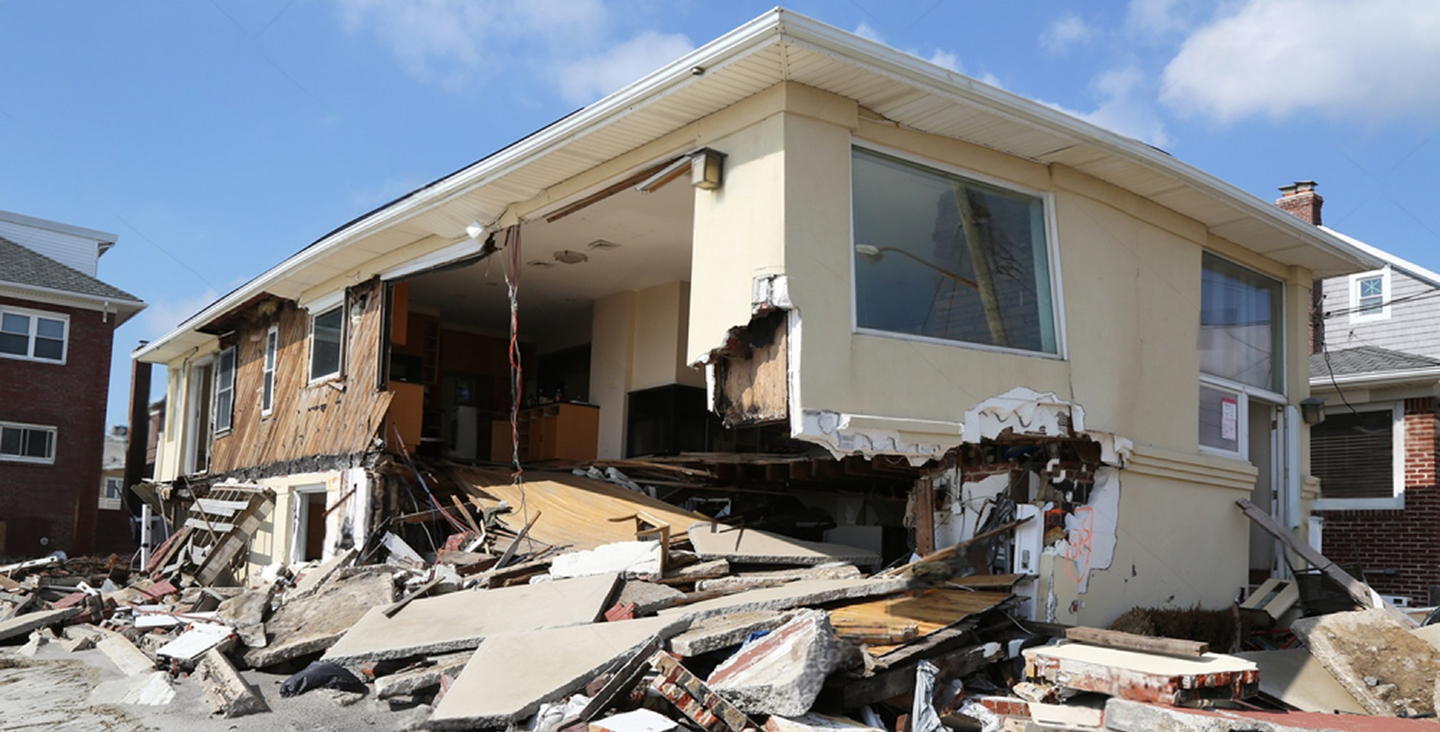
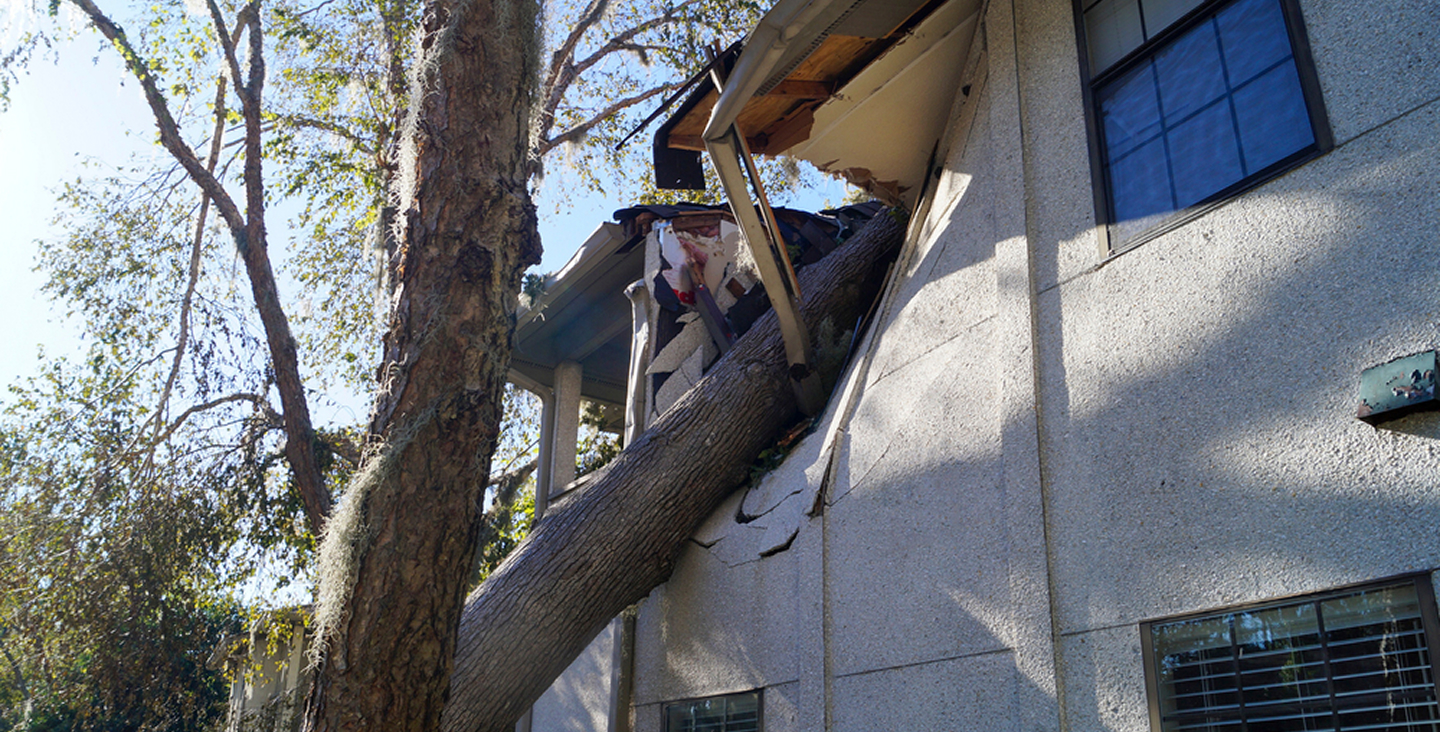
When property damage claims escalate into litigation, the quality and clarity of the forensic engineering report often become central to determining the cause of loss and the technical facts surrounding a claim. Forensic engineering investigations in Florida storm damage, water intrusion, structural failures, and construction defect disputes.
In these situations, the engineering report is reviewed not only by engineers but also by insurance carriers, adjusters, attorneys, and occasionally the courts.
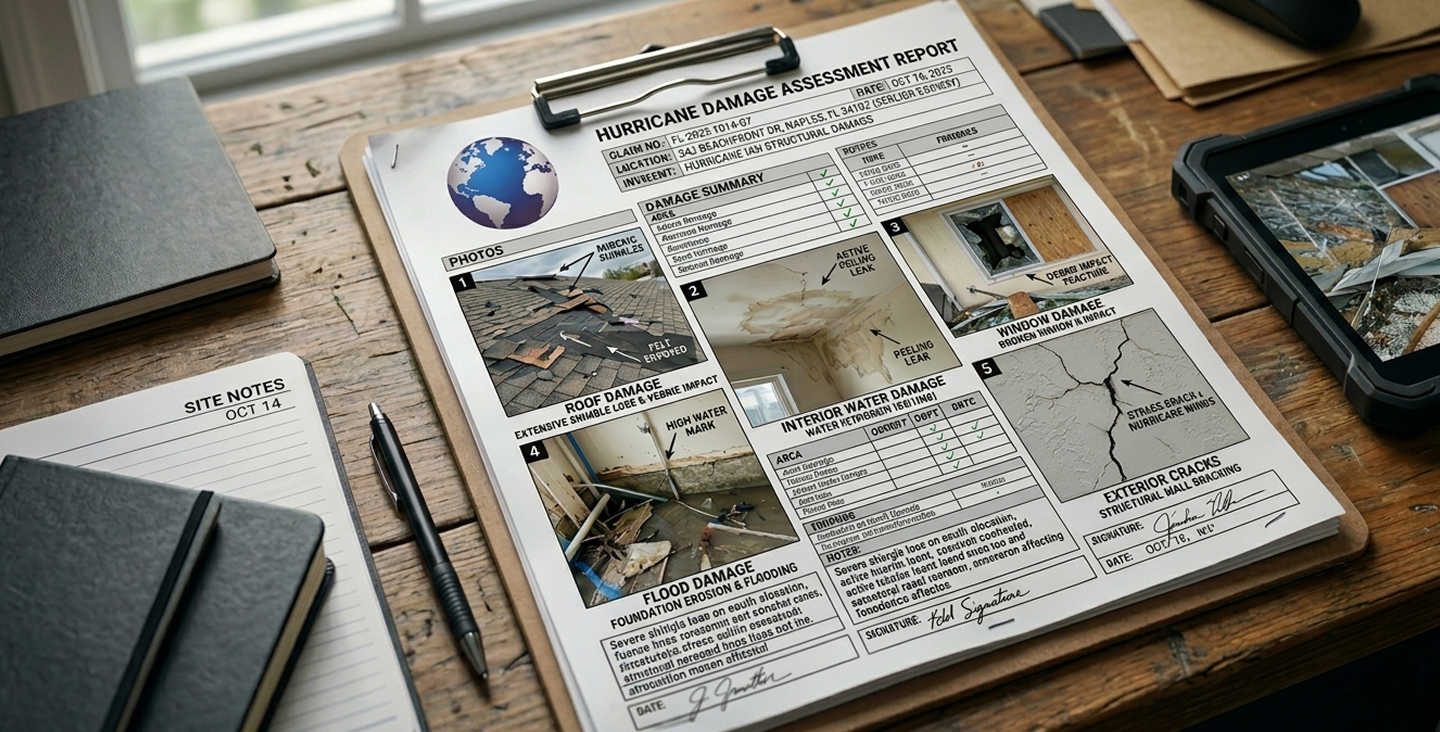
Because of this, a forensic engineering report must function as both a technical document and an evidentiary record of the investigation.
The sections below outline several elements that contribute to clear, defensible, and well-structured forensic engineering reports.
Defining the Scope Before Stepping on Site
A clear understanding of the scope of investigation is essential before forensic engineers begin field investigations. The engineer must first understand the technical questions being asked, which may include:
- determining the cause of damage
- evaluating construction defects
- assessing structural performance
- reviewing building code compliance
It is also important to identify who retained the engineer and how the report will be used.
For example:
- insurer claim evaluation
- attorney review
- Property Owner Consultation
Clearly defining the scope helps ensure that the investigation remains focused, transparent, and technically defensible.
All assumptions and limitations should also be documented.
For example:
- incomplete design documentation
- restricted access to building components
- limitations on destructive testing
When scope limitations are acknowledged early, the resulting report provides greater clarity for all parties reviewing the investigation.
Evidence Collection and Site Documentation
Once the scope of investigation is defined, timely site documentation becomes critical.
Engineers typically document the site through:
- wide-angle photographs showing overall damage patterns
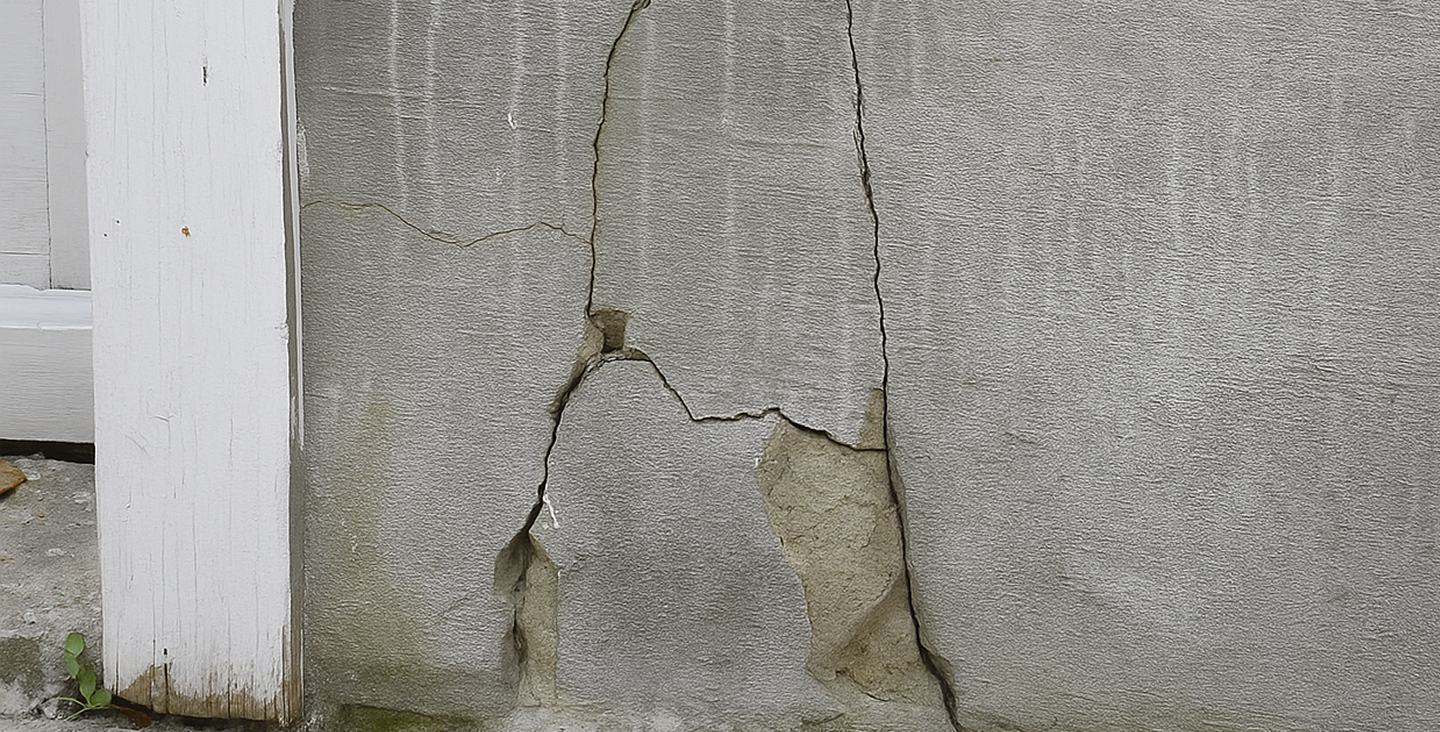
• detailed images capturing specific failure mechanisms
• condition mapping and field notes
Where physical samples are collected, such as roofing materials or fasteners, maintaining proper chain-of-custody procedures helps preserve evidentiary integrity.
Clear labeling, orientation notes, and time-stamped photographs strengthen the reliability of the documentation.
Thorough documentation ensures that engineering conclusions are supported by observable conditions rather than assumptions.
Applying the Florida Building Code and Relevant Standards
Buildings in Florida are designed under structural requirements intended to address hurricane wind loads, moisture exposure, and coastal environmental conditions.
For this reason, forensic investigations often require reference to the Florida Building Code applicable at the time of construction.
Failure to reference the appropriate governing code or standard may weaken the technical authority of an engineering opinion.
In many cases, investigators must distinguish between:
- design compliance
- installation deficiencies
- material performance issues
For example, a structure may be properly designed but fail due to improper installation, while in other cases the design itself may not meet applicable code requirements.
Referencing the correct governing standards helps ensure that conclusions are based on recognized engineering principles rather than subjective interpretation.
Establishing a Transparent and Defensible Methodology
A strong forensic report clearly explains how the engineering conclusions were reached.
Rather than presenting only a final opinion, the report should outline the methodology used during the investigation.
This may include:
- evaluation of structural load paths
- comparison of damage patterns with known failure mechanisms
- review of construction documentation
- laboratory testing or material evaluation where appropriate
All calculations and analytical steps should be documented clearly.
In some cases, engineers may also consider alternative failure scenarios to evaluate whether different explanations could account for the observed damage.
A transparent methodology allows another qualified engineer to review the same data and follow the same analytical steps, strengthening the defensibility of the report.
Causation Analysis: Separating Storm Damage from Pre-Existing Conditions
One of the most challenging aspects of property damage investigations is distinguishing recent damage events from pre-existing conditions.
In many claims, storm impacts may occur in structures that already contain long-term deterioration, maintenance deficiencies, or prior repairs.
Engineers must therefore evaluate multiple contributing factors.
Examples may include:
- wind-related uplift versus long-term material degradation
- sudden storm damage versus ongoing moisture intrusion
- design deficiencies versus installation errors
Careful causation analysis requires reviewing:
- observed damage patterns
- construction details
- environmental conditions
- historical building performance
Unsupported conclusions or incomplete evaluation of possible causes can weaken the credibility of an investigation.
Clear explanation of the engineering reasoning behind causation conclusions helps ensure that the report remains technically defensible and understandable to non-engineers reviewing the document.
Writing for Legal Admissibility and Testimony
Writing for Legal Admissibility and Testimony
Even well-executed investigations can lose effectiveness if the final report is poorly structured or unclear.
A strong report typically includes:
- a concise executive summary
- a logical progression from observations to analysis to conclusions
- clear separation of factual observations from professional opinions
The language used should remain objective, precise, and easy for non-engineers to understand.
Avoiding speculation or advocacy language helps maintain the professional independence expected of forensic engineers.
Consistency between the written report and any later deposition or testimony is also important.
Common Weaknesses That Undermine Forensic Reports
While understanding what makes a forensic report strong, it’s important to be aware of the common drawbacks that weaken the reports.
- overstated conclusions
- missing code references
- insufficient photographic documentation
- failure to evaluate alternative causes
- incomplete or poorly documented calculations
Recognizing these pitfalls helps engineers produce reports that are clear, defensible, and reliable for technical and legal review.
Conclusion: Engineering Discipline Built for Legal Scrutiny
A strong forensic engineering report is more than a technical summary. It is a structured record of the investigation process and the engineering reasoning behind the conclusions.
In Florida’s storm-driven and insurance-intensive litigation environment, credibility depends on:
- clear methodology
- accurate documentation
- alignment with governing codes and standards
- objective engineering analysis
At Prema, forensic engineering investigations are conducted with structured documentation and disciplined engineering analysis, ensuring that findings remain technically defensible when reviewed by adjusters, attorneys, or other engineering professionals.