How Hurricanes Impact Building Structures
Introduction:
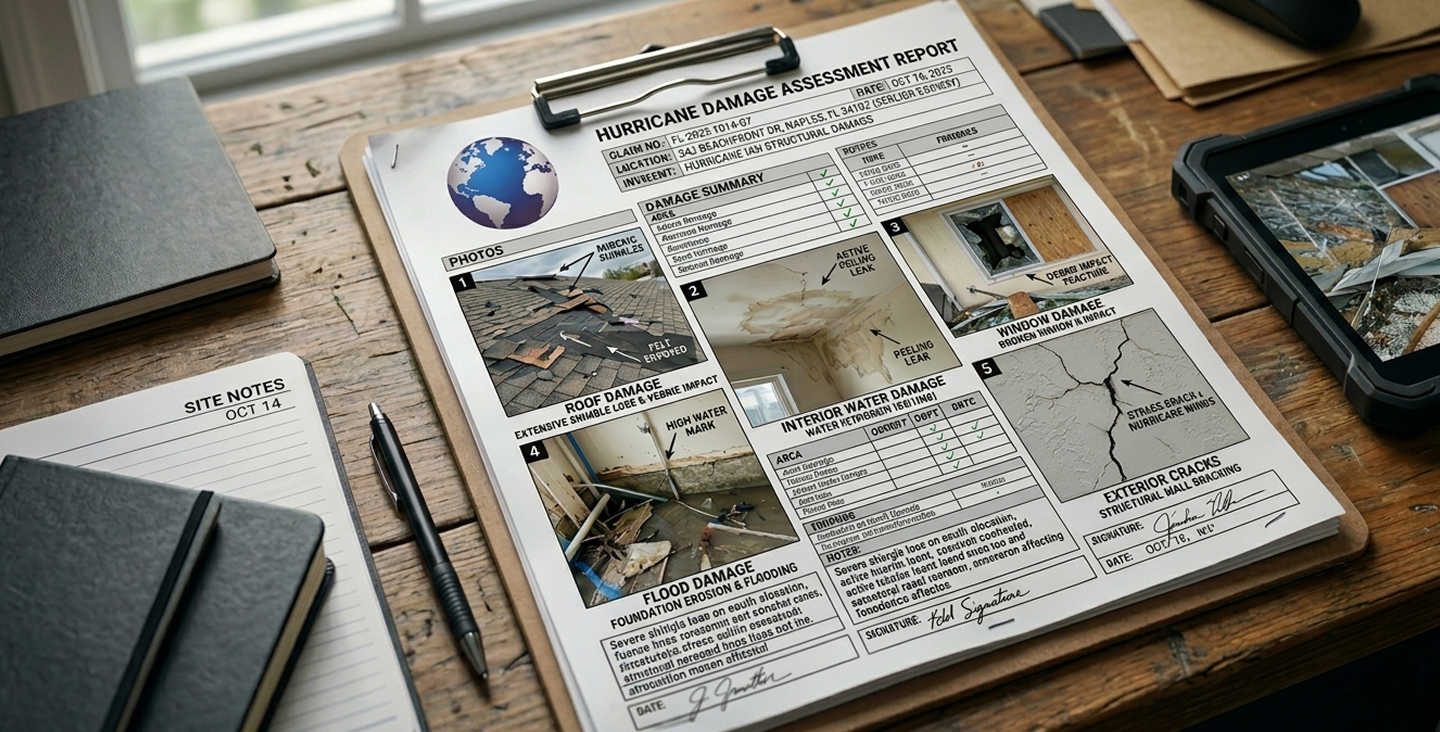
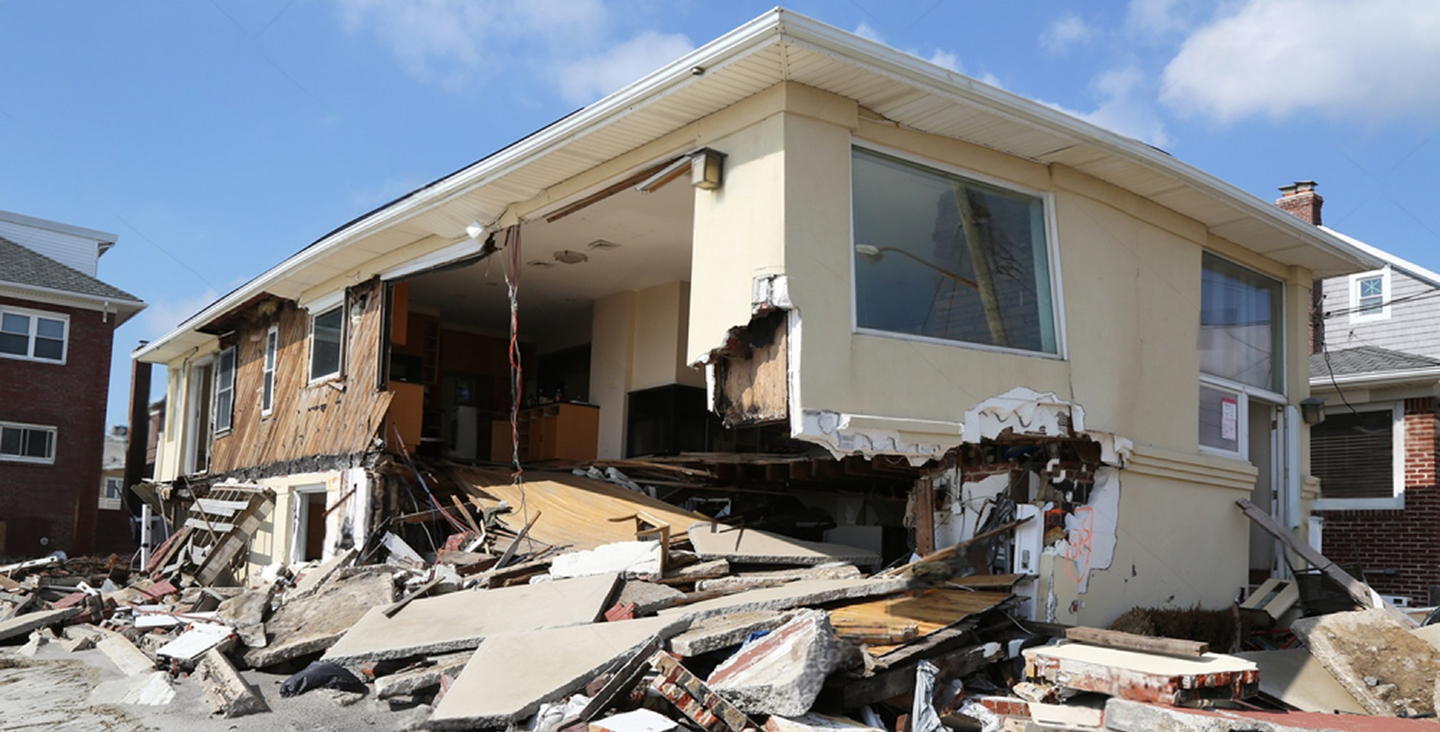
Hurricanes can damage buildings in both obvious and less visible ways. While roof failures and exterior damage may be apparent immediately, other conditions, such as moisture intrusion within wall assemblies, stressed structural connections, subtle foundation movement, and mechanical or electrical system exposure, may not be readily detectable without further evaluation.
In hurricane-exposed regions, wind-driven rain, pressure changes, and repeated load cycles can compromise building systems and structural components in ways that are not immediately apparent. A post-storm assessment by qualified professionals is often necessary to determine the full extent of hurricane-related damage and to address conditions that could otherwise lead to longer-term deterioration.
Impact of Hurricanes on Building Structures
Each of the following impact areas highlights why post-storm Property Condition Assessments must look beyond surface-level damage.
1. Wind Stress Beyond Visible Damage
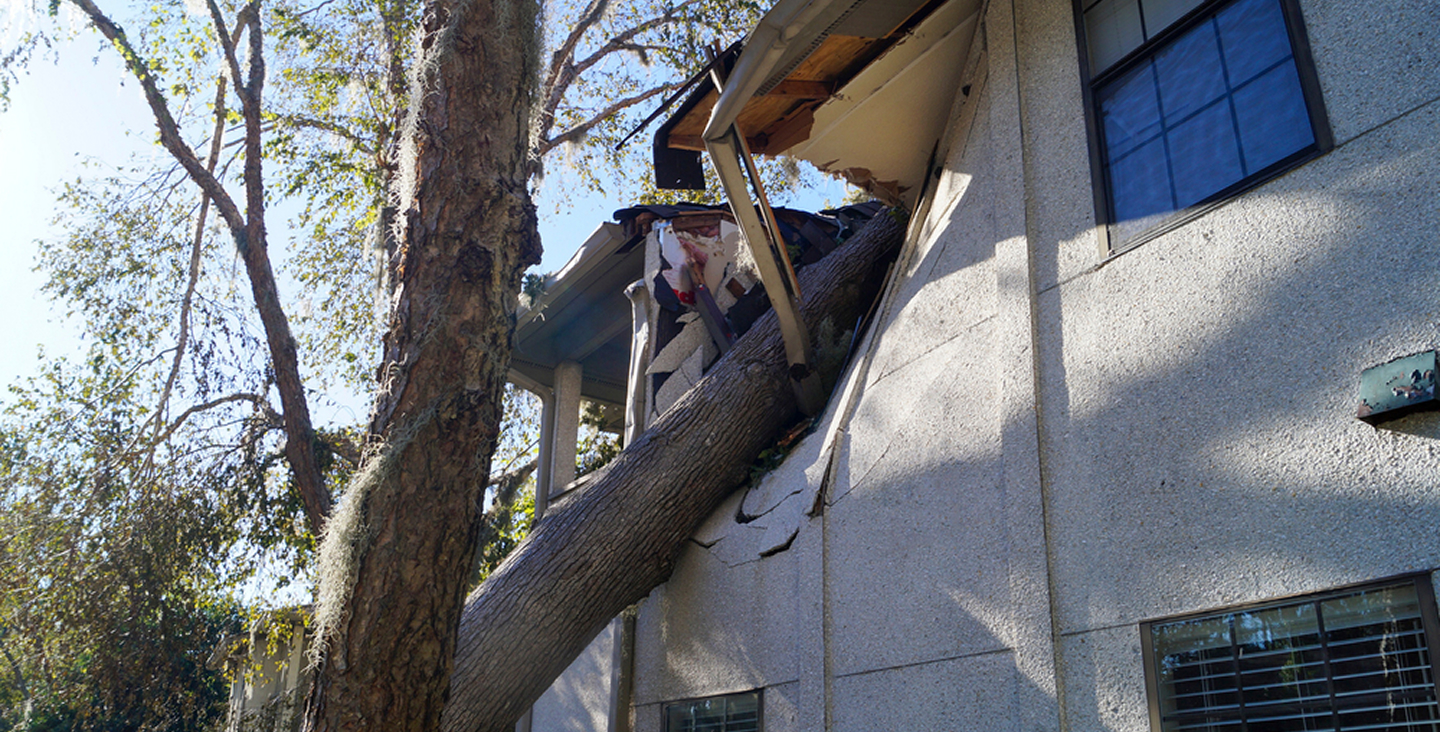
Hurricane winds do more than cause obvious failures. They can loosen fasteners, overstress connections, and weaken load paths without visible signs. Roofs and framing may appear intact while critical structural capacity has been compromised beneath the surface.
Understanding how wind forces move through a building helps identify stress concentrations that may shorten its service life if left unaddressed.
2. Water Intrusion That Persists
Wind-driven rain behaves differently from normal rainfall, forcing moisture through flashing gaps, window perimeters, roof penetrations, and wall assemblies that usually remain watertight. Once inside, moisture can remain trapped, leading to corrosion, material degradation, and biological growth.
Tracing moisture movement and saturation patterns helps distinguish storm-related intrusion from long-term exposure that the hurricane may have revealed.
3. Foundation Movement and Soil Saturation
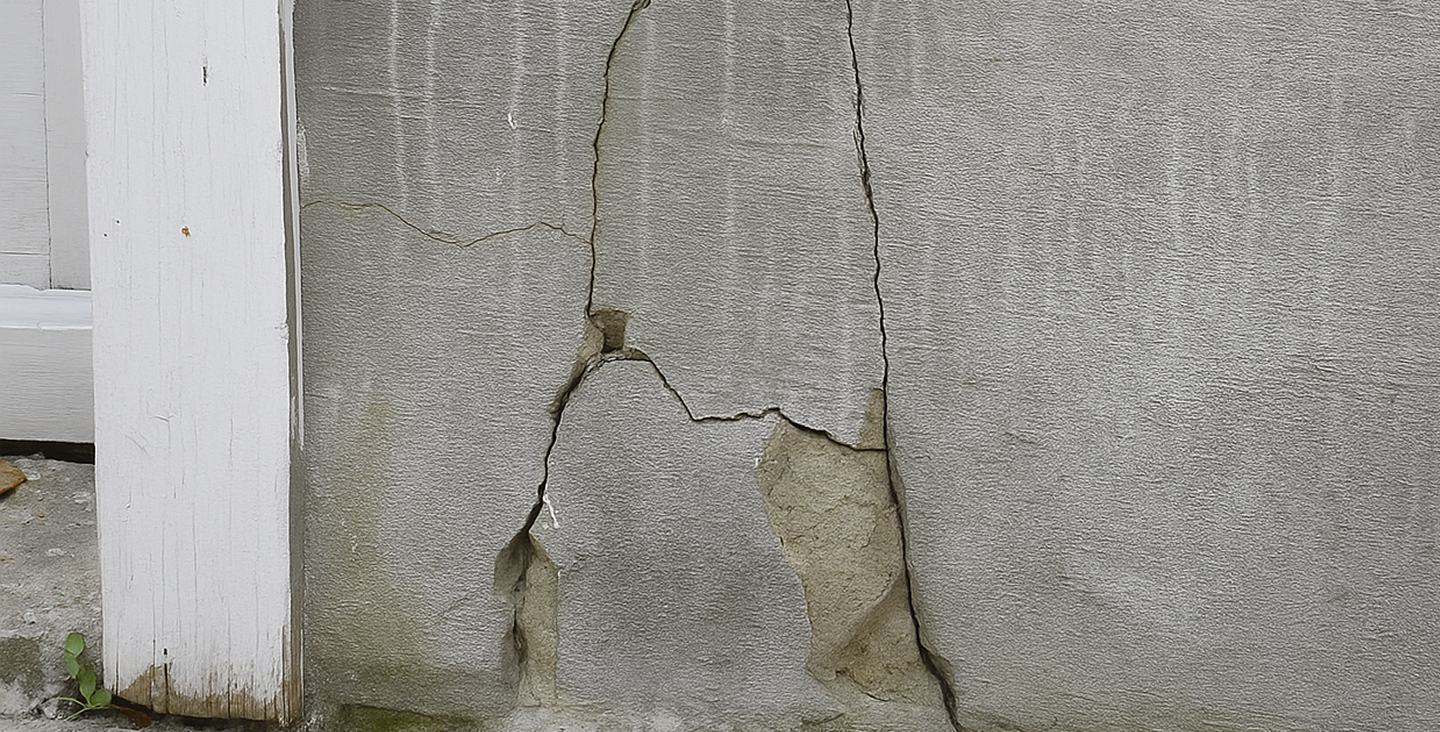
Extended rainfall and storm surge can significantly alter soil conditions. Saturated soils lose bearing strength, leading to subtle settlement, minor movement, or new cracking that is easy to misinterpret.
Evaluating soil behavior, drainage, crack patterns, and structural levels provides clarity on whether foundation movement is storm-induced or the result of cumulative environmental factors.
4. Building Envelope Vulnerabilities
Windows, doors, cladding, and facade systems are designed to resist wind and water, but hurricanes introduce extreme pressure differentials and debris impact. Even small breaches can allow sufficient air and moisture intrusion to cause widespread interior damage.
Reviewing the building envelope as an integrated system helps identify failures that are often missed during rapid post-storm inspections.
5. Mechanical and Electrical System Exposure
Storms can disrupt building systems through water exposure, power surges, prolonged humidity, or abrupt shutdowns. HVAC, electrical, and control systems may fail weeks after the event, making the cause difficult to trace.
Assessing system performance in the context of storm exposure, age, and maintenance history helps separate hurricane-related damage from normal end-of-life failures.
6. Distinguishing New Damage from Existing Conditions
Separating storm damage from pre-existing deterioration is one of the most challenging aspects of post-hurricane evaluation. Coastal environments already expose buildings to salt, humidity, and corrosion long before a storm arrives.
By examining material aging, usage patterns, and damage progression, it becomes possible to determine whether conditions resulted from a sudden event or a gradual decline, preventing both over- and under-attribution of damage to the hurricane.
Why Early Assessments Matter
Timing is critical when it comes to property, especially in hurricane-prone regions, where early property condition assessments can preserve vital evidence. Cleanup, temporary repairs, and ongoing exposure can erase key evidence within days. Early assessments capture conditions before they change, enabling accurate documentation and reducing uncertainty during decision-making.
Prompt evaluation provides clarity on risk, scope, and priorities—without relying on assumptions made under pressure.
The Value of Post-Event Property Condition Assessments
After hurricanes, Property Condition Assessments provide a clear snapshot of a building’s post-event condition, including:
- Structural and system integrity
- Safety and operational risks
- Deferred maintenance
- Storm-related impacts versus existing conditions
- Repair priorities based on actual condition
These assessments support informed decisions, risk management, and long-term planning when weather events complicate a building’s history.
Wrapping Up
Hurricane damage is often misjudged, not because it is invisible, but because it is misunderstood. Structural stress, moisture intrusion, and system degradation can develop quietly over time, making assumptions and surface-level evaluations unreliable.
Prema’s Property Condition Assessment services are built to remove that uncertainty. By analyzing structural systems, building envelopes, and mechanical components as an integrated whole, Prema delivers clear, defensible insight into what the storm actually changed and what it did not.
When decisions carry financial, operational, and safety implications, Prema provides the clarity required to move forward with confidence grounded in evidence, not guesswork.