
Forensic Engineering in Florida: When Local Building and Storm Experience Matters
Florida property investigations can involve different construction eras, building systems, code histories, environmental exposures, and storm-related conditions. Experience throughout the state can help a forensic engineer identify relevant questions, locate useful records, and understand how regional construction and environmental factors may affect building performance.
Local experience provides context, not conclusions. An engineer should not assume that damage resulted from wind, rain, flooding, coastal exposure, or another regional condition simply because the property is in Florida. Findings must remain grounded in property-specific observations, records, event information, and engineering analysis.
Florida Experience Helps Frame the Investigation
Florida is not one uniform building environment. Coastal and inland properties may experience different exposures, and construction practices vary by location, building type, age, and renovation history. South Florida, Central Florida, North Florida, the Gulf Coast, and the Atlantic Coast may present different combinations of wind, moisture, flood, corrosion, soil, drainage, and material-performance considerations.
An engineer’s statewide experience can help identify which conditions may be relevant without treating them as predetermined causes. The investigation must still determine how the specific property was constructed, maintained, altered, and affected.
Construction Era and Code History Matter
Florida’s building inventory includes structures designed under different codes and construction practices. The engineer may need to establish when the building was originally permitted, which requirements applied, and whether additions, roof replacements, repairs, or alterations occurred under later code editions.
A current code should not automatically be applied to older construction as though it governed when the building was built. Codes and standards may provide useful technical context, but their relevance depends on the property’s construction and alteration history and the question being evaluated.
Property Records Can Help Establish the Timeline
Depending on availability, useful records may include permits, construction plans, inspection histories, certificates of occupancy, elevation certificates, re-roofing documents, repair records, prior evaluations, and historical photographs. These materials may help identify original systems, later modifications, and conditions documented before or after the reported event.
Records may be incomplete, inconsistent, or distributed across different local systems. Regional experience can help the engineer identify likely sources, but the report should distinguish verified records from reported information and identify important gaps.
Storm Claims May Involve Different Damage Mechanisms
A Florida storm investigation may require distinguishing wind pressure, windborne-debris effects, wind-driven rain, surface-water intrusion, drainage-related conditions, floodwater, storm surge, and pre-existing leakage. Aging, deterioration, installation conditions, maintenance history, and prior repairs may also affect the observed damage.
These mechanisms should not be treated as interchangeable. The engineer may compare damage location and distribution, component conditions, moisture pathways, material behavior, weather or event information, and available pre-loss and post-loss documentation to determine what the evidence supports.
Roofing and Building Envelope Systems Interact
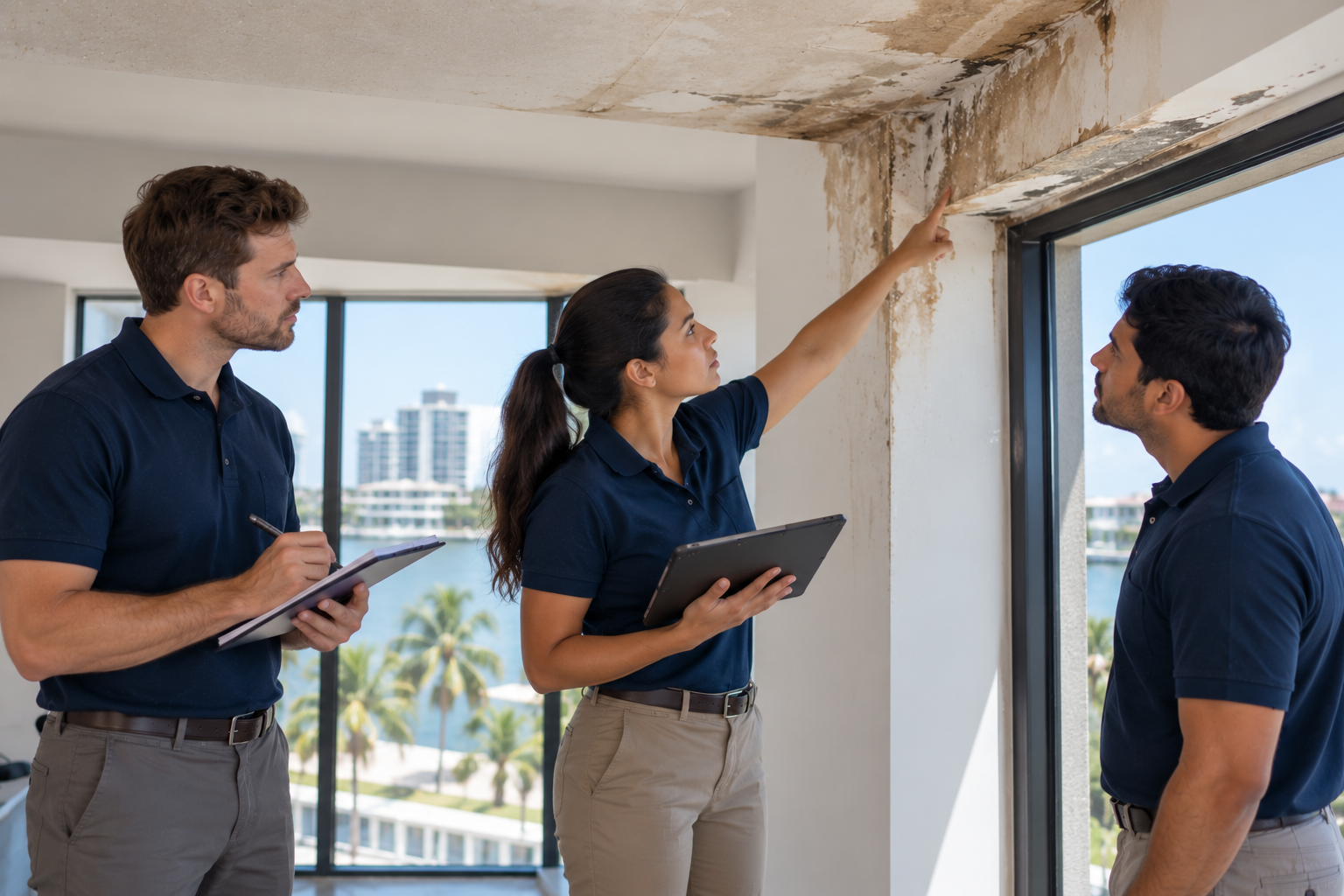
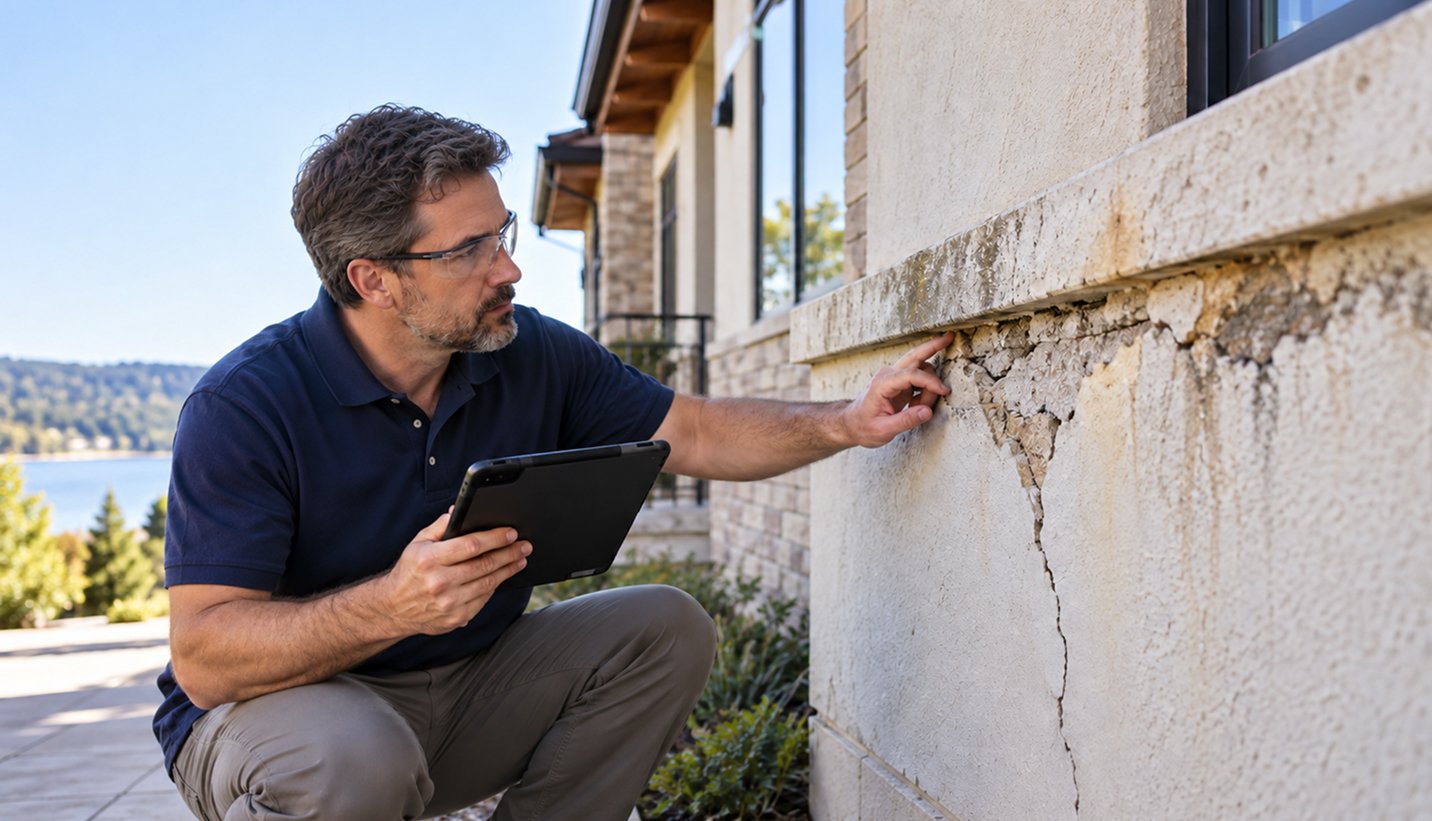
Interior moisture does not always identify its entry point. An investigation may require evaluating roof coverings, flashings, walls, windows, doors, sealants, waterproofing, transitions, drainage components, and concealed pathways as interconnected systems.
Florida experience can help the engineer recognize common system configurations and exposure conditions. However, observed staining, deterioration, or elevated moisture does not independently establish when water entered or which event caused it.
Coastal and Moisture Exposure May Affect Materials
Coastal or near-coastal environments may expose building components to salt-laden air, moisture, and conditions associated with corrosion. Across the state, heavy rainfall, high humidity, repeated wetting and drying, solar exposure, and drainage conditions may influence materials over time.
The engineer should evaluate whether these factors are relevant to the observed condition rather than using regional exposure as a default explanation. Material deterioration may be a cause, a contributing condition, a consequence of another mechanism, or unrelated to the reported loss.
Post-Storm Activities Can Change the Evidence
Emergency tarping, water extraction, drying, debris removal, temporary stabilization, demolition, and repairs may alter the conditions available for inspection. Continued weather exposure between the reported event and the engineering visit may also affect the property.
The engineer should document what was directly observed and identify conditions known only through photographs, records, or accounts provided by others. Early documentation may preserve useful information, but a delayed inspection does not automatically prevent a supported evaluation.
What Florida Experience Cannot Establish by Itself
Regional familiarity cannot independently establish the cause, date, mechanism, or extent of damage. It also cannot replace adequate site access, relevant records, appropriate testing, or analysis of reasonable alternative explanations. A sound opinion states what the evidence supports, what remains uncertain, and which limitations affect the findings.
How Prema Approaches Florida Property Investigations
Prema’s civil and structural engineers evaluate property claims throughout Florida by combining knowledge of regional construction and environmental conditions with property-specific evidence and disciplined engineering analysis. Depending on the authorized scope, our investigations may consider construction history, building-system performance, damage patterns, event information, prior repairs, and relevant environmental exposure.
Statewide experience helps our engineers identify appropriate questions, records, and potential damage mechanisms. Our findings remain grounded in the conditions documented at the property, the information available for the assignment, and any material limitations affecting the evaluation.
Frequently Asked Questions
Does Florida experience establish that damage was storm-related
No. Regional experience helps identify relevant mechanisms and information sources, but conclusions must be based on property-specific evidence and engineering analysis.
Why does the building construction year matter
The construction year may help identify the original systems and code framework. Later additions, roof replacements, repairs, and alterations may have been completed under different requirements.
Can engineers distinguish wind-driven rain from flooding or prior leakage?
An engineer may evaluate damage distribution, moisture pathways, component conditions, event information, and records. Whether the mechanisms can be reliably distinguished depends on the evidence available.
Discuss an Assignment With Our Florida Forensic Engineering Team
When a Florida property claim requires focused civil or structural engineering analysis, Prema can evaluate documented conditions in the context of the property’s construction history, building systems, and relevant event information.
Contact Prema Consulting Group to discuss a forensic engineering assignment anywhere in Florida.
Recent Blogs

Our Related Services
Need Expert Forensic Engineering & Building Assessment Insights?
Get our accurate, evidence-based analysis to identify root causes, assess structural integrity, and make confident decisions.
Get in Touch →