

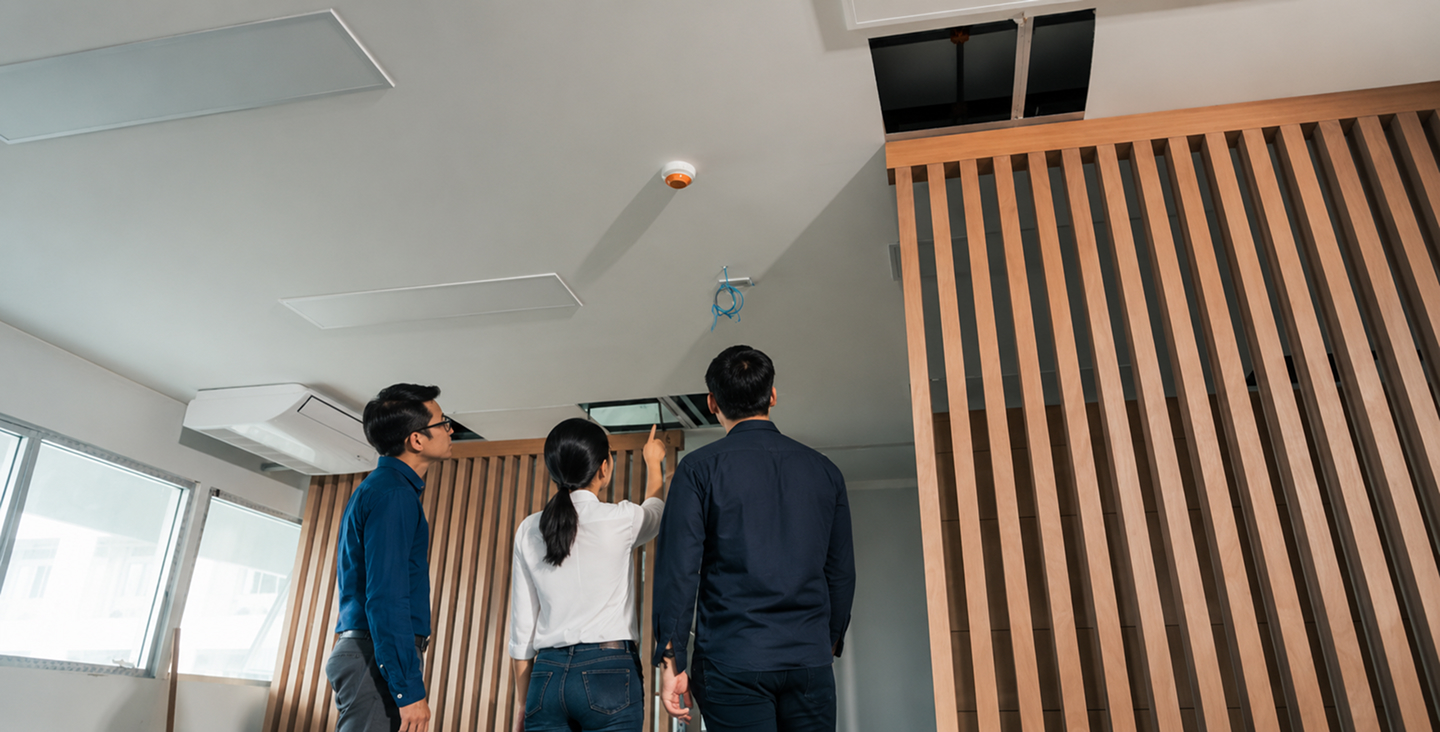
How Building Safety Assessments Prevent Risks
Homes are built in such a way that they offer a safe environment for habitation and become a profitable asset. Unfortunately, with time, various problems tend to occur in homes and buildings, putting the safety of the occupants at risk while increasing repair costs. For instance, cracks, rusting, water damage, electrical faults, and aged building materials pose significant risks.
A building safety assessment will ensure that the owner detects any problems that pose risks in terms of safety. Such an assessment will focus on various aspects, including mechanical, structural, electrical, and environmental conditions in a building.
The Prema Consulting Group offers building safety assessments for property owners.
What is a Building Safety Assessment?
Building safety assessment refers to an analysis conducted on a building in terms of its physical state and safety performance. Such a process aims at identifying any dangers present in a building and verifying whether there are any compliance issues with regard to safety regulations.
Some of the areas that are usually inspected include:
- Structural elements
- Foundation and structural loads
- Electrical systems
- Fire protection systems
- Roof and outer walls
- Plumbing and machinery
- Health and environmental issues
Why Building Safety Assessments Matter
Many building collapses happen gradually over time. In fact, there may be several warning signs of potential failure, which have been ignored for months or even years. Regular building assessments will allow for identifying problems in advance, preventing further risks.
Some important advantages include:
Early Identification of Structural Issues
Cracks, settlement, and other problems with building materials or the structure itself may be an indication of more significant issues with the building’s integrity. An assessment will allow recognizing the problems at the right moment, before they affect building safety.
Enhanced Safety of Building Occupants
Occupants of buildings need safe structures and systems within buildings to function properly. Assessments with a thorough safety inspection will allow for recognizing risks and preventing accidents.
Reduced Maintenance Cost
Preventive maintenance is always cheaper than fixing severe damage and rebuilding the building from scratch.
Compliance with Regulations
Many countries or regions have certain building safety requirements. Regular assessments ensure compliance with the regulations.
Common Risks Identified During a Safety Inspection
An expert inspection frequently uncovers problems that cannot be identified through maintenance. The usual risks that are identified by building safety assessments include:
Structural Problems
Cracking concrete, corroding steel, rotting wood, and movement of foundations that may lead to weakening of the structure over time
Water Problems
Leaking and intrusion of water into the building, which can cause damage to building materials and encourage the growth of mold
Electrical Safety Issues
Old wiring, circuit overloading, and damaged electrical equipment, which may lead to fires and other electrical failures
Fire Safety Issues
Insufficient fire separations, defective alarms, or insufficient exit routes, which may put people in danger during emergencies
Mechanical Systems Breakdown
Building systems such as heating and air conditioning, which need regular inspections for proper functioning
The Building Safety Assessment Process
Assessment is done by experts through a systematic process involving several important steps.
Initial Assessment of the Property
Building documents, history, and prior inspection reports are collected by professionals.
On-Site Assessment
The assessment team will perform a thorough visual inspection of all parts of the structure.
Inspection and Testing for Safety
Special testing procedures may be needed to assess any hidden problems and confirm that systems are functioning properly.
Risk Assessment
Problems detected are assessed based on their priority level and risks.
Reporting of Results
Property owners are given a report on the assessment results, along with recommendations.
Who Should Schedule Building Safety Assessments?
Periodic evaluation is essential for:
- Owners of commercial properties
- Managers of residential buildings
- Operators of industrial sites
- Institutions of education
- Health care organizations
- Public sector buildings
- Condominiums
Any structure facing deterioration of infrastructure, environmental effects, or an increase in population.
How Prema Consulting Group Helps Protect Buildings
Prema Consulting Group is a consultancy company that carries out assessments of building safety professionally. It has consultants who will conduct an evaluation of the building structure, its systems, and components, and any other related aspect using recognized techniques.
The consulting company will provide property owners with recommendations on how to enhance building safety through its technical expertise.
Best Practices in Building Safety
Property owners and stakeholders can minimize their buildings’ safety risks further by:
- Scheduling regular inspections
- Fixing maintenance problems
- Looking out for warning signs
- Maintaining accurate maintenance records
- Abiding by safety rules and regulations
- Seeking expert advice when necessary
After all, a proactive approach to building management will help avoid surprises.
Conclusion
Professional Building Safety Assessment is considered one of the most efficient approaches to hazard recognition, occupant protection, and asset preservation. Routine evaluations are necessary in order to recognize potential dangers, comply with regulations, and minimize the need for costly fixes.
Prema Consulting Group offers its clients thorough safety inspections as a part of its wide range of services. Preventive evaluation today will help to prevent future problems.
FAQs
A building safety assessment is a complete evaluation of a property’s structure, systems, and safety risks, which includes clear and professional inspections by experts.
This can be determined by various factors, including the age of the building and the general conditions.
The assessment includes all structural aspects, the electrical system, fire safety features, mechanical systems, and potential hazards.
Yes. Early identification of any issues makes it easy to solve problems without requiring any repairs.
Property owners, stakeholders, and asset managers should opt for the building safety assessment services offered by Prema Consulting Group because they take a professional approach that draws on technical expertise and years of experience to enhance building safety.


Our Related Services
Need Expert Forensic Engineering & Building Assessment Insights?
Get our accurate, evidence-based analysis to identify root causes, assess structural integrity, and make confident decisions.
Get in Touch →