

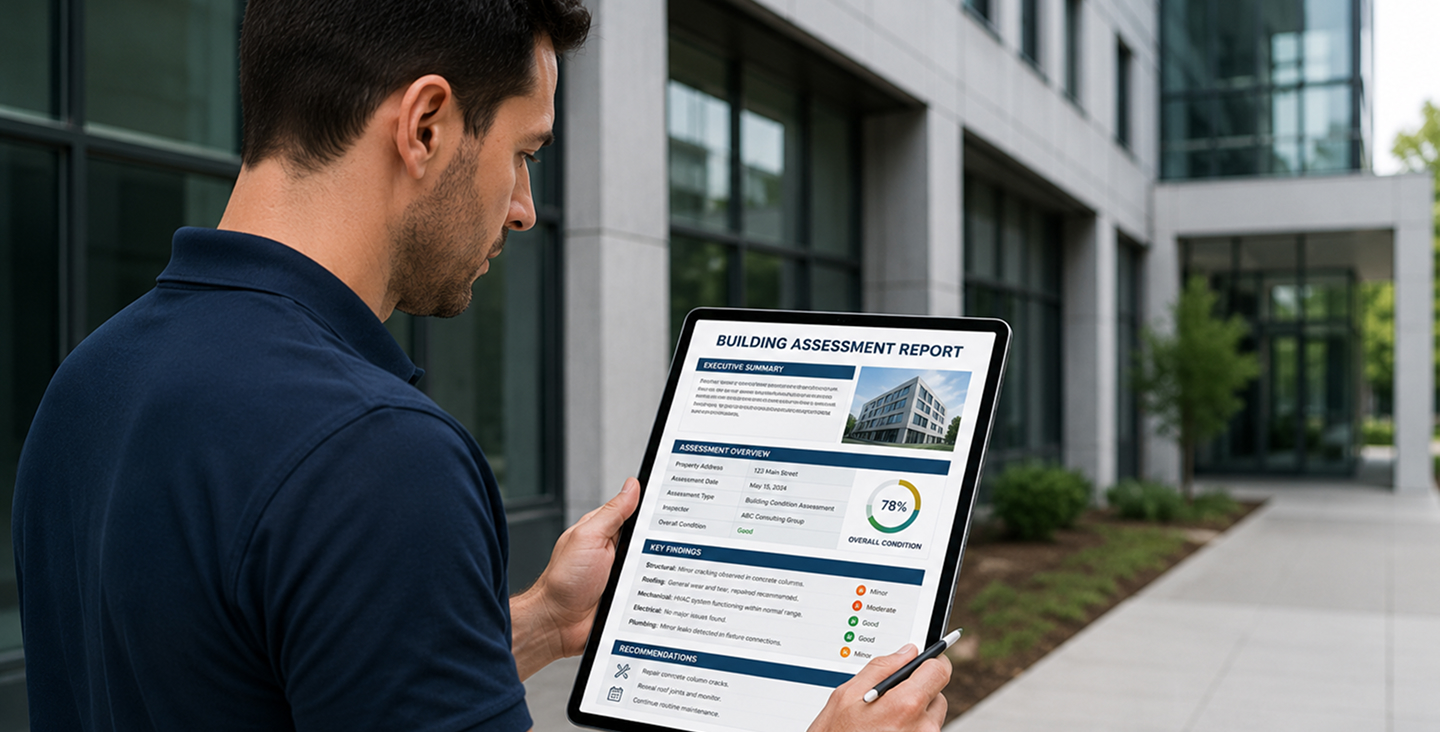
What is Included in a Building Assessment Report?
Knowing the state of your property when buying, managing, or maintaining it is important. The building assessment report gives a comprehensive analysis of the building’s structure and condition. If you have either an office building, a house, or an industrial building, then this report is very helpful to you.
At Prema Consulting Group, we do comprehensive assessments for property owners to prevent any problems in the future. But what exactly are the contents of a building assessment report? This blog highlights them in a detailed manner.
Understanding a Building Assessment Report
A building assessment report refers to the document that is created after conducting an extensive physical condition evaluation of the property. The document lists all the observations made during the inspection, defects noted, risk assessments, and recommended repairs.
This document serves as an effective form of assessment documentation. The report usually includes:
Executive Summary
All reports start with an executive summary, which contains the most significant findings. The section gives an overview of the state of the building along with recommendations for any necessary actions.
Property owners, investors, and facility managers usually make use of the executive summary to get an insight into the assessment without going through the whole report.
Property Information
The elements found within an assessment report related to the building will include:
- Address of the property
- Type and purpose of construction
- Year of construction
- Size of the building
- Occupancy data
All these elements set the background for the assessment being done.
Structural Assessment
Another important section is one that focuses on the structure of the building, which includes the following components:
- Foundations
- Columns and beams
- Load-bearing walls
- Roof
- Flooring system
The inspector will look for signs of cracking, settlement, corrosion, and other problems in the building’s structure.
Building Envelope Assessment
The building envelope acts as a shield against the exterior environment, which includes the following:
- Exterior walls
- Roofing system
- Windows and doors
- Waterproofing system
- Drainage system
Any signs of leakage are reported during the assessment process.
Mechanical, Electrical, and Plumbing Systems Conditions
An assessment report of a building highlights some of the most critical building systems, which include the following:
Mechanical Systems
- HVAC systems
- Ventilation systems
- Heating and cooling systems
Electrical Systems
- Condition of wiring
- Electric panels
- Lighting systems
Plumbing Systems
- Water supply systems
- Draining systems
- Fixtures and fittings
Safety and Code Compliance Review
The safety of the building is always the priority in all evaluation processes. Inspectors assess:
- Fire safety systems
- Emergency exits
- Accessibility
- Safety risks
- Regulatory compliance
Such information enables property owners to determine whether they need to make improvements or take any action.
Identification of Defects and Deficiencies
An exhaustive list of problems identified is provided in the report. Possible findings include, but are not limited to:
- Cracks in the structure
- Moisture problems
- Deterioration of the roof
- Corrosion
- Settlement problems
- Degradation of materials
Photographic Evidence
Photography is one key aspect that is considered in assessment documentation. Images play a great role in illustrating the situations that have been observed. These photographs will serve as good references for future inspection.
Repair and Maintenance Recommendations
Recommendations may include:
- Immediate repairs
- Preventive maintenance
- Capital improvements
- Further investigations by specialists
Such recommendations assist property owners in formulating an effective maintenance strategy.
Cost Aspects
Not always included, but in some building assessment reports, there may be cost estimates or budget ranges for deficiencies found.
This is useful for planning and decision-making purposes.
Why Choose Prema?
Prema Consulting Group, with its team of experts, provides a professional building assessment report that includes every essential detail that is needed to make a building maintenance plan. Prema’s report includes even the hidden risks that usual inspections may not identify. With years of experience and technical expertise in building inspection, Prema helps property owners, stakeholders, and asset managers to understand their buildings’ strengths and weaknesses better than ever.
Conclusion
The thoroughly prepared building assessment report goes beyond a mere checklist. This is because it provides extensive information about the building’s condition. This way, the owner of the building can make wise choices concerning maintenance and repair of the property.
Assessment is done in a precise and clear manner at Prema Consulting Group. The comprehensive documentation involved in assessing the building guarantees that our clients will get an all-inclusive report about their building.
FAQs
It is a comprehensive document detailing the state of structure, safety, building services, and maintenance required in a property.
Such documentation provides a history of your inspection results for planning purposes in the future. So, it is important to keep assessment documentation properly.
The ideal frequency of building assessment depends on various factors like a property’s type, occupancy, and age. However, a building assessment should be carried out regularly for all properties.
Yes. Usually, pictures accompany such reports for verification of the conditions.
Commercial property owners, investors, buyers, and managers usually order building assessments.


Our Related Services
Need Expert Forensic Engineering & Building Assessment Insights?
Get our accurate, evidence-based analysis to identify root causes, assess structural integrity, and make confident decisions.
Get in Touch →