

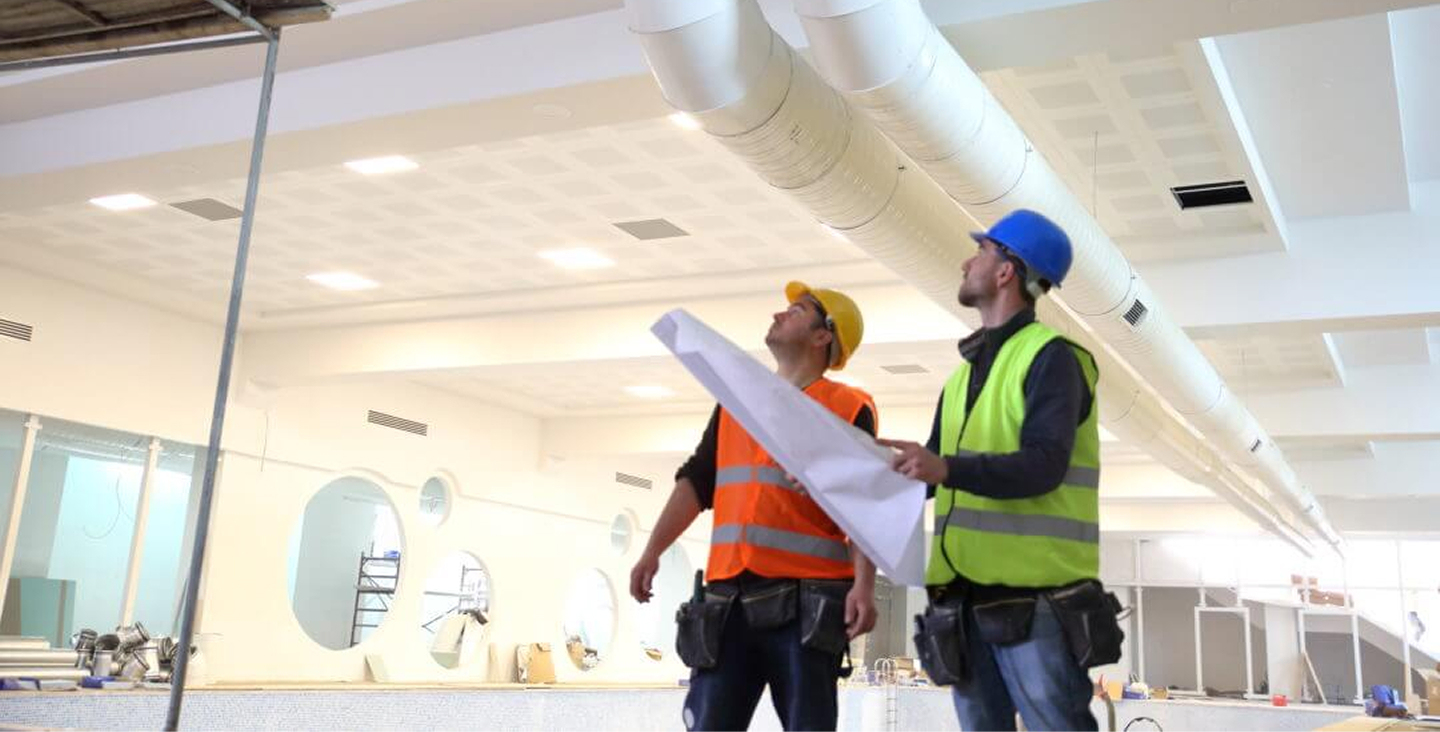
What Are Environmental Remediation Services in Buildings?
A building is exposed to lots of things that can hurt it over time. This includes water getting in mold growing and bad air. It can also be exposed to things like hazardous materials. All of these things can make a building not safe hurt its structure and lower its value. If we do not fix these problems they can cause us to spend a lot of money to repair them and even make people sick or get in trouble, with the law.
This is the point where building environmental services come into the picture. Environmental remediation is not just repairing what you can see; it’s about identifying the source of contamination, eliminating hazards, and creating a healthy indoor environment.
Prema Consulting Group offers environmental remediation services to building owners to help them solve environmental problems, protect tenants, and prolong the service life of their buildings through technical expertise, comprehensive assessments, and engineering solutions.
Building Environmental Services: What are They
Environmental Services for Buildings include assessment, management, and remediation of environmental conditions that can impact the safety and performance of a building. Services are purposed to solve the indoor environments’ physical and non-physical problems that can jeopardize them.
The big environmental issues are::
- Growth of mold and mildew
- Water Leak & Moisture Issue
- Indoor air quality problems
- Dangerous Building Substances
- Biological Pollution
- Ventilation issues
- Chemical pollutants
Remediation is root cause analysis and implementation of long-term corrective measures to prevent problems from recurring, versus cosmetic repairs.
The Importance of Environmental Remediation
The environment can be affected by hazards that take a time to develop. These environmental hazards may not be noticed for months or even years. Over time small problems like cracks in the walls or bad ventilation and drainage can cause big issues. This can make it easy for things to become contaminated. Environmental hazards, like these, can be very serious.
Without remediation, building owners could be liable for:
- Problems with indoor air quality
- Additional service fees
- Collapse of the structure
- Complaints about the health of the population
- Decline in property value
- Regulatory Compliance Challenges
- Business interruption
Professional remediation can reduce these risks to create safer, healthier buildings.
Common Construction Problems : What Require Environmental Remediation
The following building conditions often require the services of an environmental professional.
Water Penetrability
Uncontrolled moisture is one of the biggest sources of damage in the environment.
Water enters buildings through:
- Leaks on the roof
- Broken pipes
- Window leaks
- Cracks in the foundation
- HVAC condensation
- Floods
Moisture is everywhere providing a perfect environment for mold growth, wood rot, insulation damage and poor indoor air quality.
If caught early, the moisture issues are much less costly to repair.
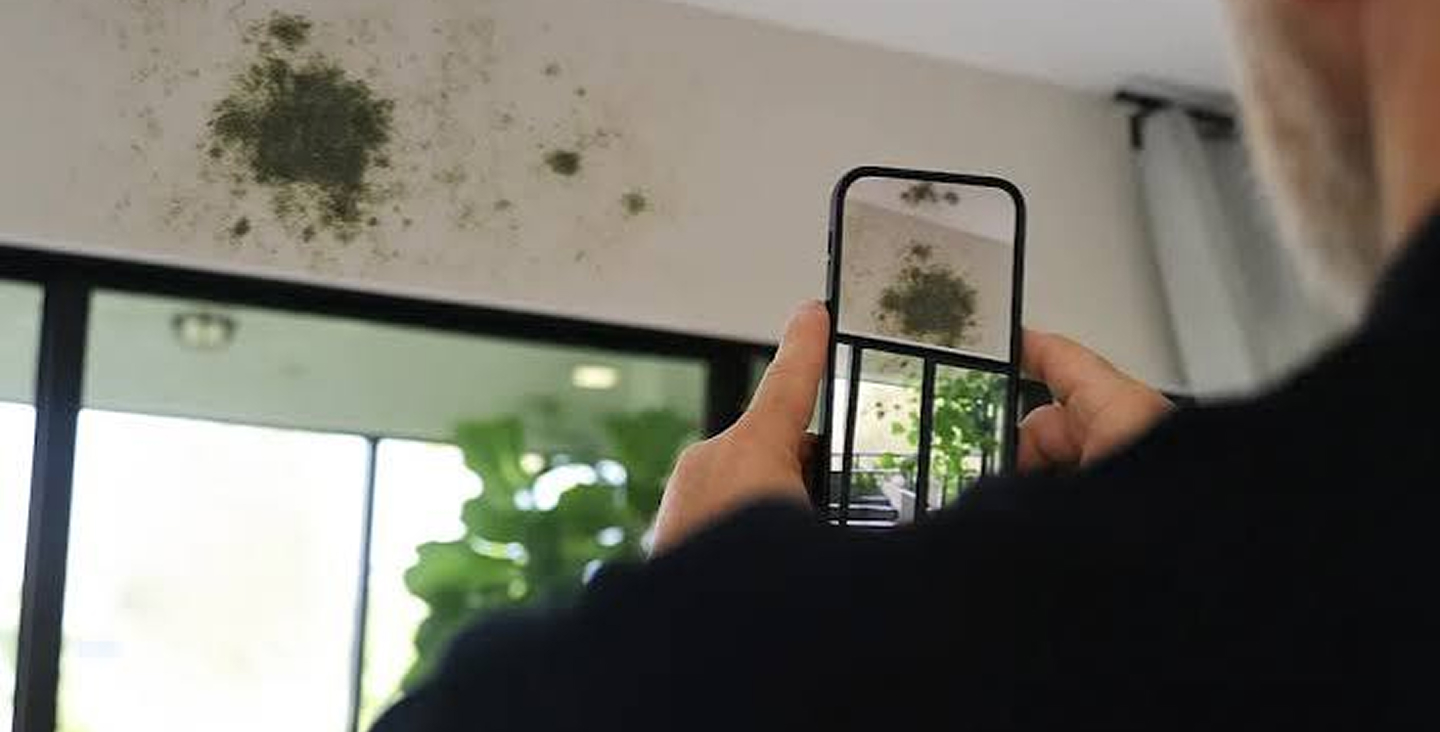
Mold Growth
As little as 24 to 48 hours can grow mold after water exposure.
Symptoms of mold growth include:
- Musty smells
- Wall staining and discoloration
- Stains on ceiling
- Peeling paint
- Growing symptoms of allergy and other water-borne diseases
Environmental remediation includes identifying sources of moisture, safely removing contaminated materials and restoring impacted areas.
Poor Quality of Indoor Air
Indoor air quality can be affected by:
- Mold spore
- Regular accumulation of dust
- VOCs (volatile organic compound)
- Poor ventilation
- Building debris
The professionals check to see if there are any contaminants and then corrective actions are taken.
Dangerous Materials and Goods
Older commercial and institutional buildings may also have hazardous materials that need to be removed in a special way when the building is renovated or repaired.
Environmental professionals evaluate the risks and develop safe remediation plans to comply with applicable regulations.
The Environmental Remediation Process
Remediation is not a cosmetic clean up, rather it is a structured engineering approach.
1. Evaluation of Building
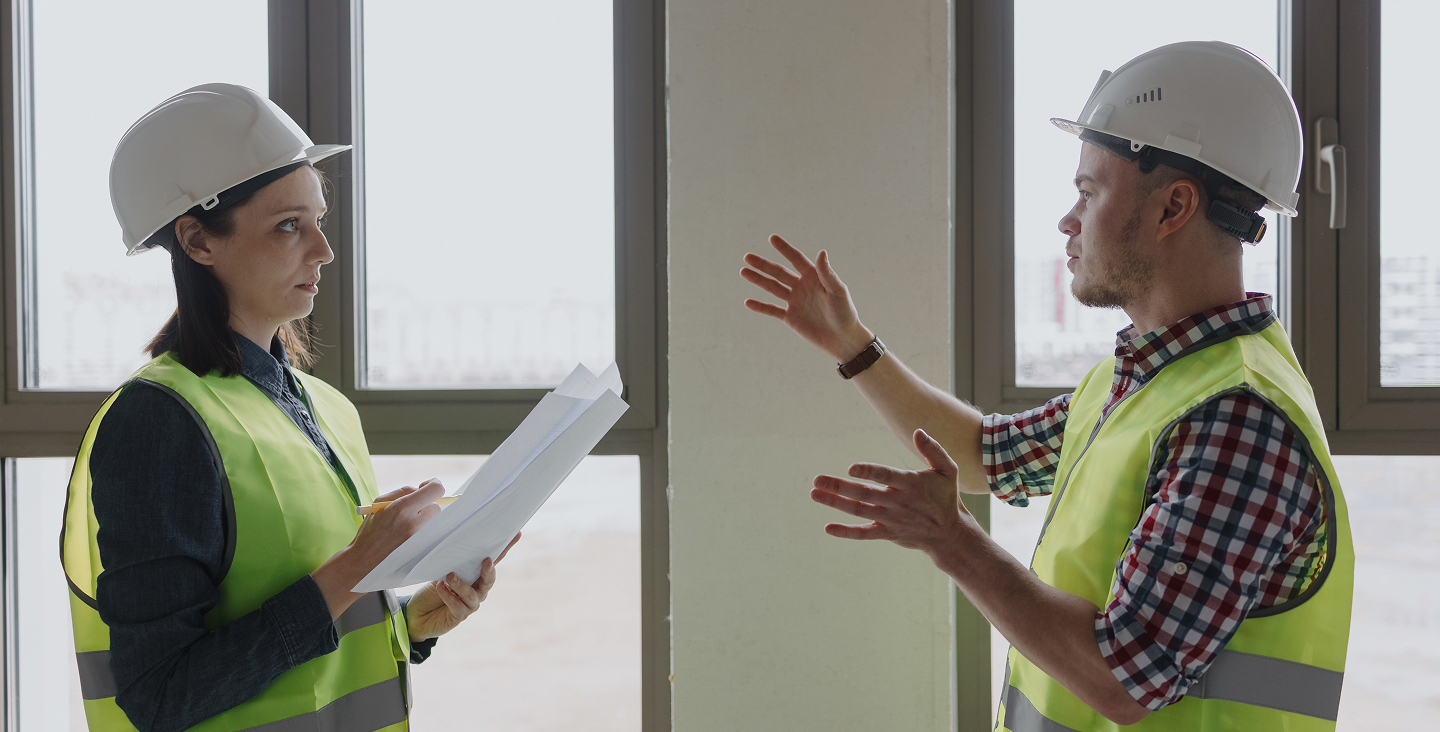
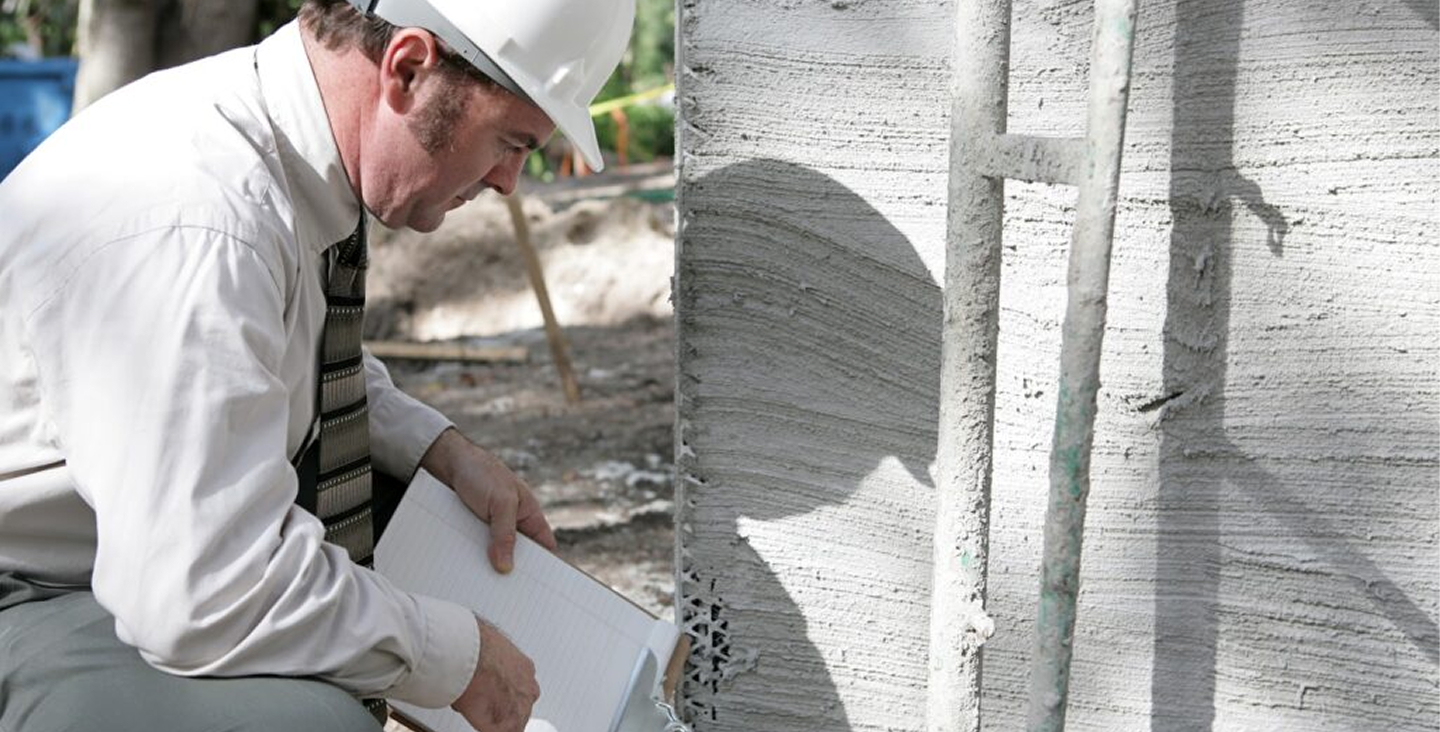
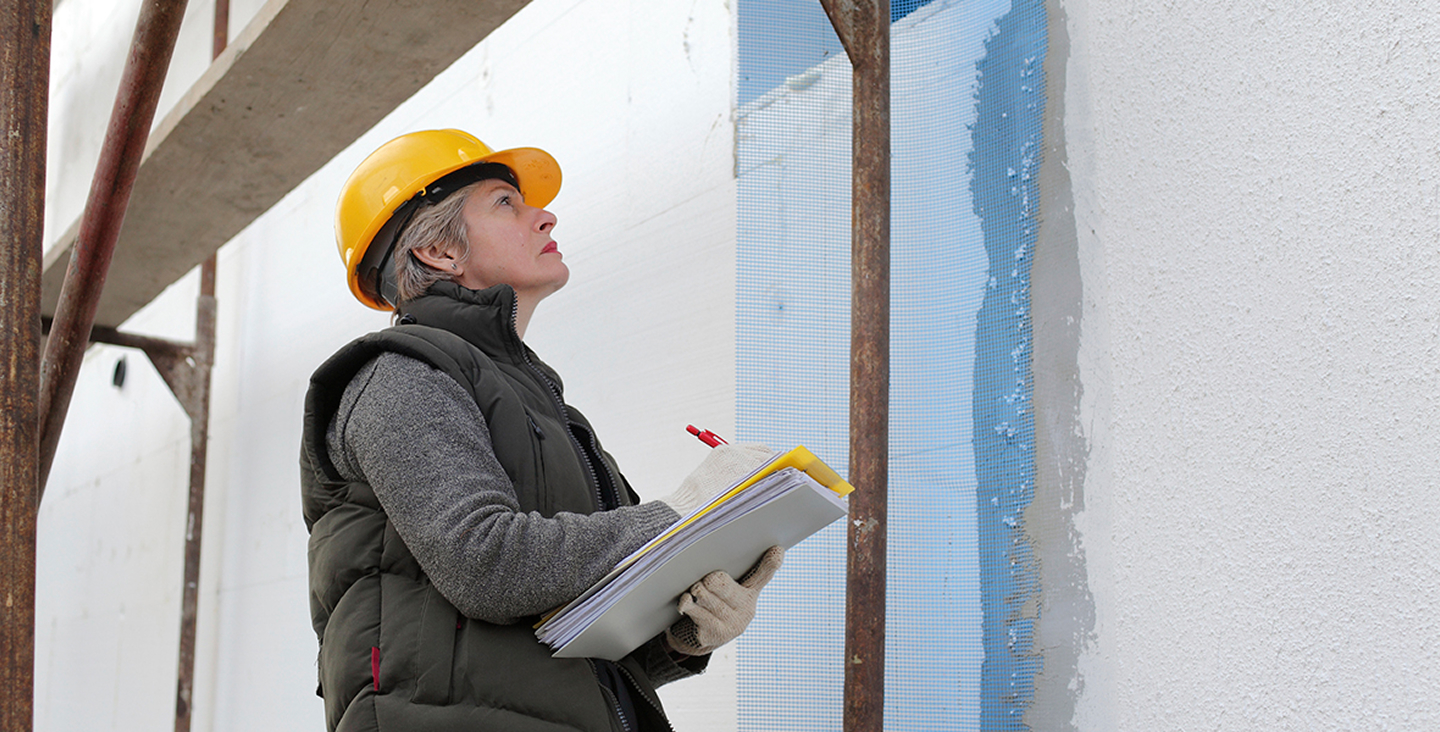
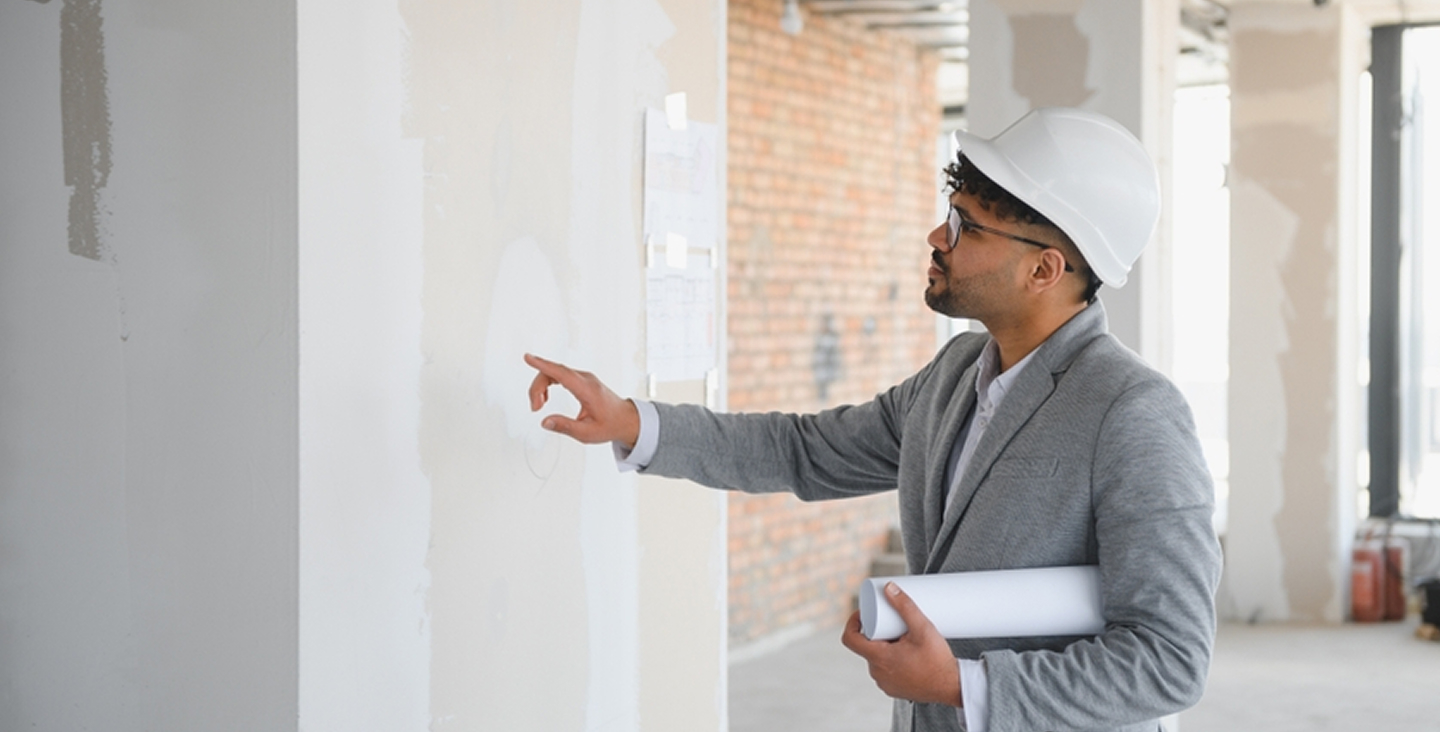
The first step involves a comprehensive inspection of the property.
The inspection thoroughly includes.
- Expert Ratings:
- Physical harm Water damage
- Indoor air quality (IAQ)
- Water content Efficiency of building envelope
- HVAC (Heating, Ventilation and Air-Con)
We, with keen supervision using sophoisticated diagnostic tools help to identify apparently invisible problems before remediation begins.
2. Environmental Testing
We first test the level of contamination.
Depending on the building, professionals are likely to conduct:
- Moisture mapping
- Sampling of air
- Surface sampling
- Materials testing
- Infrared imaging (IR)
This information is used in remediation planning.
3. Contamination Control
Contamination control is the prevention of contaminants’ movement during the remediation process.
Typical measures of containment are:
- Separation zones
- Systems with negative pressure.
- High efficiency particulate air (HEPA) filters
- Work zone management program
- Debris clearance and management
The containment keeps the rest of the building’s residents and unaffected areas safe.
4. Removing Contaminated Materials
Cleaning may not be sufficient to eliminate contamination fully. Damaged materials may need to be removed.
For instance:
- Water damage on drywall
- Mold-contaminated insulation
- Broken or compromised ceiling tiles
- Wet/slippery flooring
- Defective structural finishes
The material is obtained in compliance with the established procedures for environmental protection and safety.
5. Engineering Solutions to the Rescue
It is vital to get rid of the source of contamination.
Solutions that can help in it could be:
- Fixing the roofs
- More waterproofing techniques
- Improvement of the drainage
- Changes to HVAC
- Building envelope repair
- Improved moisture control
The root causes are addressed to prevent problems from happening in the future.
6. Validation and Monitoring
Post-remediation inspections indicate improvements in the environmental conditions.
Verification can include:
- Measuring the moisture
- Testing of air quality
- Visual examination
- Paperwork of finished tasks
When all these are monitored, remediation objectives are achieved.
Advantages of Commrecial Building Environmental Services
The benefits of working with experienced environmental consultants are long-lasting.
Improved Indoor Air Quality
The reduction of contaminants will lead to a healthier environment for the building’s occupants and increased comfort indoors.
Lower Long-Term Repair Costs
Environmental problems are addressed early, preventing a small problem from becoming a major structural repair.
More Attention on Regulatory Compliance
Many commercial facilities are subject to safety and environmental requirements. Help with compliance remediation.
Increased Property Value
Buyers, tenants, and investors have more confidence in properties with verifiable environmental assessments and remediation.
Less Operational Disruption
Building environmental remediation services will help you to avoid unscheduled shutdowns and emergency repairs, which can be a mess on your day-to-day operation. So, do it now before problems escalate.
Sectors Needing Environmental Remediation
We provide professional building environment services for almost all types of buildings, such as:
- Commercial buildings, e.g., offices
- Medical care centres
- Campuses built for educational purposes
- Statehouses
- Industrial plants and factories
- Multi-family residential structures
- Hospitality properties
- Shopping malls and other retail facilities
Each building is different, and each building has different solutions to its environmental problems.
Choosing Prema Consulting Group: Why?
Good projects need engineering expertise, sound judgment, and practical solutions that get to the root cause of building performance failures. Environmental cleanup is not about fixing the visible damage; rather it includes addressing hidden issues.
Prema Consulting Group helps people figure out if a building is safe for the environment. They make plans to fix any problems they find and make sure the building will be okay for a time. The team at Prema Consulting Group uses their knowledge of engineering. Checks everything carefully to help clients avoid environmental problems clean up any mess and keep their buildings safe.
Prema Consulting Group has solutions that keep people safe make sure everyone follows the rules and help buildings last a time. They deal with things, like moisture problems. Making sure bad things do not get into the building. Prema Consulting Group also helps keep the building overall.
Conclusion
Environmental issues do not just disappear. Water intrusion, mold, poor indoor air quality, and hidden contamination can slowly undermine building performance and occupant health.
Professional building environmental service is a systematic approach to detect hazards, control contamination, correct root causes, and return to healthier indoor environments. Early intervention can help to reduce repair costs, protect the value of the property, and contribute to long-term operational success.
The Prema Consulting Group gives property owners and facility managers across the U.S. access to experienced engineering professionals who have the know-how to assess environmental risks, design and execute lasting remediation solutions that keep buildings safe, compliant and resilient.
Frequently Asked Questions
Environmental services for buildings are the identification, regulation and cleanup of environmental problems that can impact the safety of buildings, their performance and the quality of air inside them. Often these services can help provide a healthier environment for the occupants by solving mold, water intrusion, hazardous materials, indoor air quality problems and contamination.
Property owners that are still having problems with moisture, mold, musty smells, water damage, indoor air quality, recurring leaks or signs of contamination may want to consider environmental remediation services. If you intervene early you can prevent more extensive damage and therefore the cost of long term repairs.
Moisture problems can lead to mold growth, structural damage, damage to building materials, poor indoor air quality, and increased maintenance costs. The key to preventing the environmental problem happening again is to find and fix the source of the moisture.
Contamination control are the procedures used to control and prevent the spread of harmful contaminants during remediation. This may include but is not limited to: isolation barriers, negative air pressure systems, HEPA filtration and controlled work areas to protect occupants and unaffected areas of the building.
Environmental services can be applied to a wide range of property types including commercial offices, healthcare, schools and universities, industrial, government, multifamily, retail and hospitality.
A typical remediation project includes:
- Complete Building Evaluation
- Moisture and Contamination Testing
- Contamination control methods
- Contaminated material disposal
- Decon repair
- Final inspection & acceptance testing
This is a systematic way to keep buildings healthy and performing well over the long term.
Yes. Environmental remediation is the process of removing contaminants such as mold, moisture related pollutants, dust and other airborne particles that can negatively affect indoor air quality. It also addresses root causes to help prevent future air quality problems.
Construction environmental services with an engineering approach to serve the needs of each and every property. Prema Consulting Group has a team that, with that approach, offers comprehensive inspections, strict contamination control, moisture remediation and sustainable remediation techniques to help property owners keep their buildings safe, code-compliant and long-lasting.
Our Related Services
Need Expert Forensic Engineering & Building Assessment Insights?
Get our accurate, evidence-based analysis to identify root causes, assess structural integrity, and make confident decisions.
Get in Touch →