

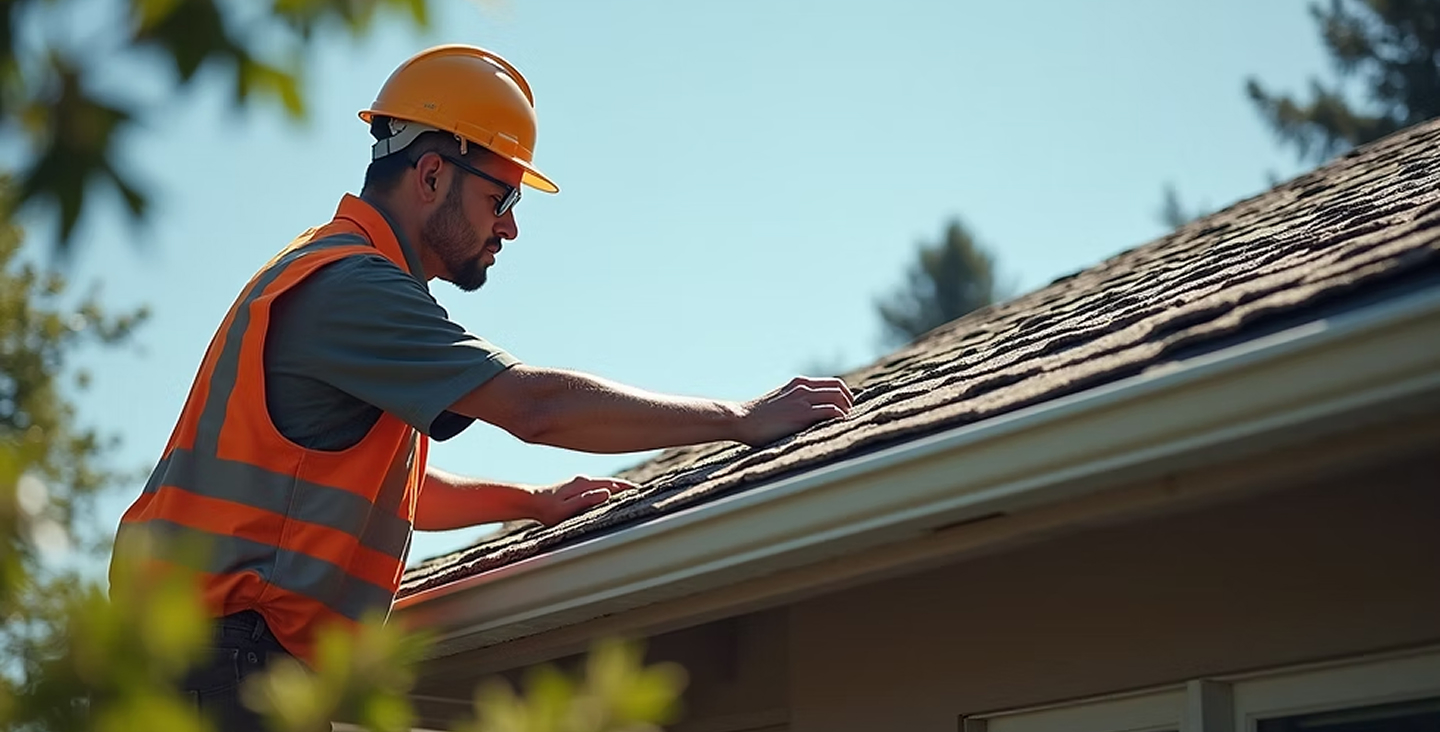
Top Structural Defects Found in Buildings
Every building has flaws somewhere. That’s not a controversial statement to anyone who’s spent time in construction or inspection work—it’s just the reality of putting up something as complex as a building using materials that age, settle, and react to weather over decades. The important question isn’t whether defects exist. It’s which ones actually matter, and structural defect assessment is how that question gets answered with something more reliable than a guess.
Some defects are cosmetic annoyances that never threaten the building’s integrity. Others are early indicators of something that will get expensive and dangerous if it’s ignored long enough. Knowing which is which requires understanding the handful of structural issues that show up again and again, across buildings of every age and type.
Foundation Settlement
This is probably the most common structural defect and also one of the most misunderstood. Some settlement is completely normal — soil compresses under the weight of a new building, and most structures settle a small, even amount during their first few years without any real consequence.
The issue is settlement. This is when one part of a building sinks more than another part of the building. Differential settlement happens because of things. These things include the soil being different in areas the ground not being packed down well when the building was constructed, water getting into the soil and making it soft under one section of the building, or someone digging a hole near the building and disturbing the ground. You can see settlement when you notice cracks in the walls that get bigger at one end, floors that are not level, and doors or windows of the building that do not fit properly in their frames. If you do not do anything about settlement, it will probably get worse over time. Differential settlement does not fix itself; it just keeps getting worse.
Concrete Deterioration
Concrete seems like it will last forever. It can get damaged. It is important to know how this damage happens. One thing that can happen to concrete is called spalling. This is when the top layer breaks off, and you can see the steel underneath. Concrete gets damaged when water gets into cracks. The water hurts the steel inside the concrete. Then the steel starts to rust. As the steel rusts, it gets bigger. Breaks the concrete around it from the inside out. This is how concrete fails. It is worth understanding how concrete fails. Concrete is not immune to damage, and one of the ways it fails is through spalling.
This is a process, but it gets faster and faster. When the rebar starts to corrode it just keeps getting bigger and bigger, which makes cracks, and that lets in more water, which makes the rebar corrode even faster.
A structural defect assessment can find this problem by looking really closely at the surface and sometimes by doing other tests, like a hammer-sounding survey, where a trained inspector taps on the surface and listens for the hollow sound that means the material is coming apart underneath the rebar.
Roof Structure Issues
Roofs get beaten up a lot. They have to deal with a lot of stress. The frames that hold them up, like trusses and beams, can get damaged. You might not see these problems from inside the building or from the ground.
You might see that the roof is sagging. This means the structure underneath the roof is not okay. The roof might have gotten damaged from water. It is just really old. The roof has to hold up things that it was not made to hold, like a lot of equipment or a lot of snow. This can cause problems with the roof.
The roof can get damaged in ways. The roof can get old and weak. This is why you see the roof sagging. The roof is not as strong as it used to be.
Water damage to the roof framing is really tricky. It usually starts with something, and then it stays hidden behind the ceilings or the insulation for a long time. You do not see it until it is too late. By the time you notice stains or the ceiling is sagging, the wood or steel framing of the roof is already in shape. This is why it is a good idea to check the attic and the roof structure. You should do this even if everything looks fine from the outside. Water damage to the roof framing can be a problem. Regular inspections can help find water damage to the roof framing before it gets worse.
Wall and Load-Bearing Element Problems
Load-bearing walls and columns carry weight that, if compromised, doesn’t stay isolated to one part of a building. Cracks in these elements deserve more scrutiny than similar cracks elsewhere, simply because of what’s riding on them.
Bowing or leaning walls are a serious sign, usually pointing to lateral pressure the wall wasn’t designed to resist—often soil pressure against a basement or retaining wall, sometimes structural overload from renovations that added weight without accounting for it. Buildings that have been modified over the years, especially those where walls were removed or altered without proper structural review, are more prone to this kind of issue than buildings that have stayed close to their original design.
Water Intrusion and Its Downstream Effects
Water doesn’t usually cause structural failure directly, but it’s behind an enormous share of the structural defects that do occur. It gets into places it shouldn’t, corrodes metal, rots wood, and speeds up the deterioration of concrete, and it often does all of this quietly, over years, before the resulting structural issue becomes visible.
This is why you need to look at a building to find out what is going on. You cannot just stop at seeing cracks and things that are sagging. You have to find out where these problems are coming from. A lot of the time it’s because the roof membrane has failed or there is a crack in the foundation wall that is letting water get in, or the water is not draining properly and is going towards the building instead of away from it. If you just fix the crack that you can see but you do not fix the problem with the water, then you are not really fixing anything. You are just putting a Band-Aid on it. Fixing the crack without fixing the water problem is only going to work for a while.
Inadequate Original Design or Construction
Not every defect develops over time. Some buildings have problems from the beginning. They have members that are too small, or they do not have enough reinforcement. Sometimes people take shortcuts when they are building something, and these shortcuts are not noticed at the time. These problems can be difficult to find because the building might work properly for years. It might even work properly for decades before the problem becomes clear. Usually something happens to make the problem obvious, like someone adding weight to the building or renovating it or the building just gets worn out over time and can no longer handle what it was originally designed to handle. The building has a weakness that was there from the start. This weakness becomes a problem when the building is used a lot or when something extra is added to it.
This is part of why reviewing original building plans and permits matters during a structural defect assessment. Knowing what a building was actually designed to withstand gives essential context for interpreting what’s being observed now, rather than evaluating the defect in isolation.
A Case Worth Understanding
I am looking at a parking structure that’s not too tall and not too short; it is about 20 years old. When the people who take care of the parking structure do their checks, they find some bad spots on the underside of one of the upper levels. The concrete is breaking off in these spots, which is called spalling concrete. They also find a section where you can see the metal bars inside the concrete, and these metal bars are rusty. At first it might seem like these problems are from lots of cars driving on the parking structure and being out in the weather for a long time. The parking structure has been dealing with vehicle traffic and weather for years, and the spalling concrete and rusty rebar are on the upper level of the parking structure.
A closer structural defect assessment often reveals more. Chloride testing might show that de-icing salts, tracked in by vehicles over the years, have penetrated deep into the concrete and accelerated corrosion in specific areas far beyond what’s visible on the surface. That finding changes the scope of repair significantly — instead of patching the visible spalled areas, the fix needs to address a broader section where corrosion is likely progressing even though it hasn’t broken through the surface yet. Catching this pattern, rather than just treating what’s visibly damaged, is exactly what separates a thorough assessment from a surface-level repair job.
Why Catching These Early Matters
Every defect described here follows the same basic pattern: manageable and relatively inexpensive to fix when caught early, expensive and sometimes dangerous when left alone. A hairline crack in concrete costs very little to seal. The same crack, given a few more years to let water in and corrode the rebar behind it, can turn into a major structural repair involving demolition and reconstruction of the affected section.
This is why structural defect assessment works best as a regular part of a building’s upkeep rather than something that only happens after a problem becomes visible. It pairs naturally with broader structural crack assessment work, since cracks are often the first visible sign of exactly the kind of defects described here. Catching the pattern early, before it becomes a structural emergency, is really the whole point.
Who Should Actually Do the Evaluation
Finding a problem with the structure of a building is not something that just anyone can do. It is not enough to get the opinion of a general contractor no matter how nice they are. You need to get the opinion of a structural engineer. This person knows how to look at a problem like a crack in the wall or a stain on the ceiling and figure out what is really causing it. They can tell if the problem is still happening or if it has stopped. This is really important because it changes what you need to do to fix it. Sometimes you just need to do a fix to make it look better. Times you need to come up with a whole plan to really fix the problem. A licensed structural engineer can help you make a plan to really fix the structure of the building.
You should also ask for a written report of just a verbal opinion, especially for things that involve load-bearing elements. A written report is good because it is documented. That means it holds up if the issue ever comes up again during a sale or an insurance claim or a dispute with a contractor. This is something that a quick look around and a handshake will never do. For people who own something, this kind of written report is just as valuable as the actual repair recommendation for the load-bearing elements.
Recent Blogs

Our Related Services
Need Expert Forensic Engineering & Building Assessment Insights?
Get our accurate, evidence-based analysis to identify root causes, assess structural integrity, and make confident decisions.
Get in Touch →