

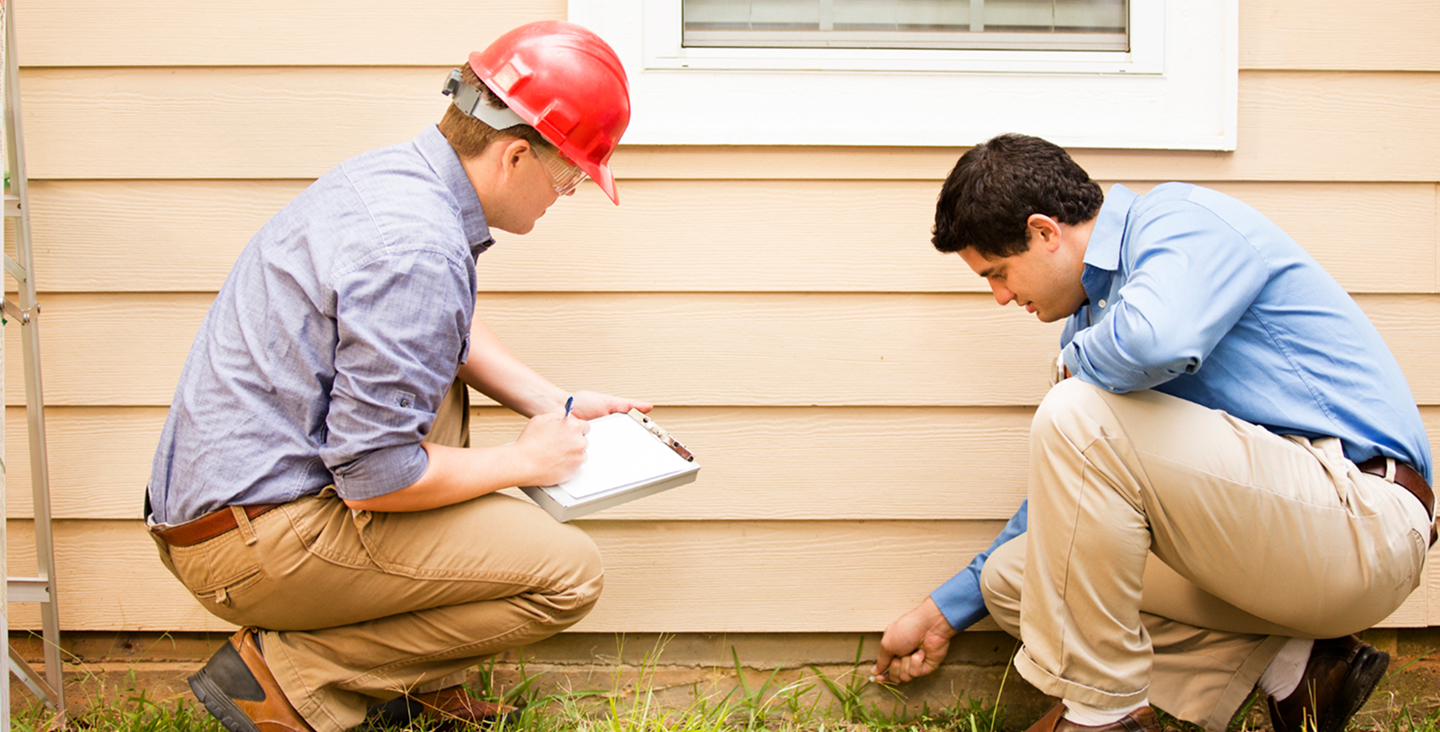
Common Building Defects Found During Assessments
Buildings’ inherent problems often arise due to the nature of their operations over time. Issues such as aging, exposure to weather elements, and how buildings are constructed and maintained are just some of the causes of defects in buildings. Getting a building defects survey can enable property owners to detect these problems in good time, avoiding future expenses.
A professional building defects assessment is necessary regardless of whether you own residential, commercial, or industrial buildings. In Prema Consulting Group, we will undertake a comprehensive survey on your behalf.
What is a Building Defects Assessment?
The building defects assessment is an elaborate procedure that involves the inspection of any defects present in the structure. This is done in order to establish the cause and effect of any defects present so that action can be taken.
Building defect assessments are carried out in different situations, such as the sale of properties.
Why Building Defects Surveys Are Important
Building defects usually develop over time and might not be noticed immediately. A building defects survey carried out by an expert is helpful for property owners since it:
- Identifies potential problems in advance
- Enhances safety within the premises
- Minimizes maintenance expenses
- Prevents building degradation
- Facilitates property transactions
- Helps in future repair planning
Simply put, professional surveys or assessments give a good idea of the building’s condition.
Common Building Defects Found during Assessments
Cracks on Walls and Foundations
Cracks constitute one of the most common problems identified through a building defects survey. Although some of the cracks can be inconsequential, other cracks could be signs of structural complications.
These are caused by:
- Foundation settlement
- Movement of soil
- Thermal movement
- Bad workmanship
- Structural overload
Crack assessments are made based on their magnitude, positioning, and pattern.
Water Deterioration
The problem of water deterioration can cause significant damage if left unaddressed. Some of the moisture problems identified through the building defects survey are:
- Roof leakage
- Pipe leakages
- Poor drainage system
- Dampness on walls
- Mold and mildew growth
Faulty Roofing
Roofs are constantly exposed to environmental factors and hence prone to deterioration.
Common roofing defects include:
- Loss of shingles
- Water ponding
- Deteriorated membrane
- Faulty flashing
- Poor drainage
Early detection can help avoid expensive repairs as well as water leakage into the building.
Structural Movement
Structural movement is a very serious issue that might affect the stability of the building. Some signs of structural movement are:
- Inconsistent floor surfaces
- Out-of-alignment doors and windows
- Bulging walls
- Movement of the foundation
Conducting a thorough building defects assessment will help identify if the movement is still occurring and its root causes.
Deterioration of Concrete
Due to exposure to the environment and aging, concrete structures can suffer from various defects.
Examples of common defects are:
- Spalling concrete
- Cracking on the surface
- Rusting of reinforcing steel
- Delamination
Façade and Exterior Problems
The exterior of a building acts as the primary barrier to the effects of the weather. Some façade problems that may be encountered in inspections include:
- Loose cladding
- Damaged masonry
- Failed sealants
- Surface decay
- Water entry points
Surveys are essential in keeping the building safe and presentable.
Window and Door Faults
Incorrect installation of windows and doors may lead to various problems, such as:
- Air infiltration
- Water intrusion
- Functionality issues
- Inefficient energy use
Mechanical and Electrical Faults
There are usually faults in the mechanical and electrical systems in building inspections.
Some of these faults include:
- Faulty wiring
- Outdated electrical paneling
- Problems with HVAC system performance
- Ventilation inadequacies
- Deterioration of equipment
Addressing such faults will improve the safety and efficiency of buildings.
Drainage Faults
Faults in drainage may lead to foundation damage and moisture penetration.
Signs of faults in drainage may include:
- Presence of standing water close to the building foundation
- Soil erosion on the property
- Drainage system faults
- Wrong site grading
Corrosion and Deterioration of Materials
Moisture, chemicals, and other environmental factors tend to accelerate material deterioration.
Examples include:
- Rusting steel parts
- Corroded joints
- Deteriorated coatings
- Material fatigue
Proper repair ensures that the life of building components is extended.
How Professional Assessments Help Prevent Major Repairs
Many problems in buildings start off small but soon become serious due to neglect. Conducting an assessment of the building defects gives the owner:
- Proper identification of the defects
- Proper analysis of the causes of the defects
- Risk assessment
- Recommendations for repairs
- Long-term maintenance of the defects
Why Choose Prema Consulting Group?
At Prema Consulting Group, we provide in-depth building inspections that will assist property owners in safeguarding their investments. We employ a highly experienced team of inspectors who will carry out the inspection process and recommend practical measures for each unique situation.
In case you are interested in a building defects survey or an in-depth analysis of structural issues, we can offer our professional services to you.
Conclusion
The problems associated with buildings may pose hazards and compromise the buildings’ utility and value when not addressed. Structural problems, moisture penetration, and issues with the roof and exterior walls are common defects that can be detected through a building defects survey.
Working with Prema Consulting Group will ensure that problems with your building are detected early and maintained over long periods.
FAQs
It is an inspection by experts aimed at identifying building defects, assessing their nature, and proposing measures to fix them.
The frequency of carrying out the survey depends on a number of factors, such as building age, state, and use.
They include structural cracks, water ingress, roof defects, concrete degradation, improper drainage, and facade problems.
There is a way called building defects assessment. Qualified assessment professionals apply special techniques to uncover both visible and hidden building defects.
Prema’s building defect surveys are worth opting for because they can help you protect your property investment and keep your building safe.


Our Related Services
Need Expert Forensic Engineering & Building Assessment Insights?
Get our accurate, evidence-based analysis to identify root causes, assess structural integrity, and make confident decisions.
Get in Touch →