Key Indicators of Structural Damage in Buildings
Prelude
Florida’s climate is unforgiving for buildings. High humidity, torrential rains, salt-laden coastal air, hurricanes, and shifting soil conditions accelerate wear on structures, often causing hidden damage long before it becomes obvious.
Structural damage isn’t just cosmetic – , it threatens safety, reduces property value, and can lead to catastrophic failure if ignored. The difference between a secure, valuable property and a costly liability often lies in how quickly these warning signs are recognized and addressed.
Understanding the key indicators of structural damage in Florida buildings is the first step toward protecting both safety and property value.
Understanding Structural Damage
Structural damage occurs when the building’s foundation, load-bearing walls, beams, or other critical elements are compromised. Unlike surface defects, these issues weaken the framework itself. Common causes include:
- Moisture and water intrusion – from storms and flooding.
- Salt-air corrosion – weakens concrete and steel.
- Soil movement and sinkholes – causing sudden foundation shifts.
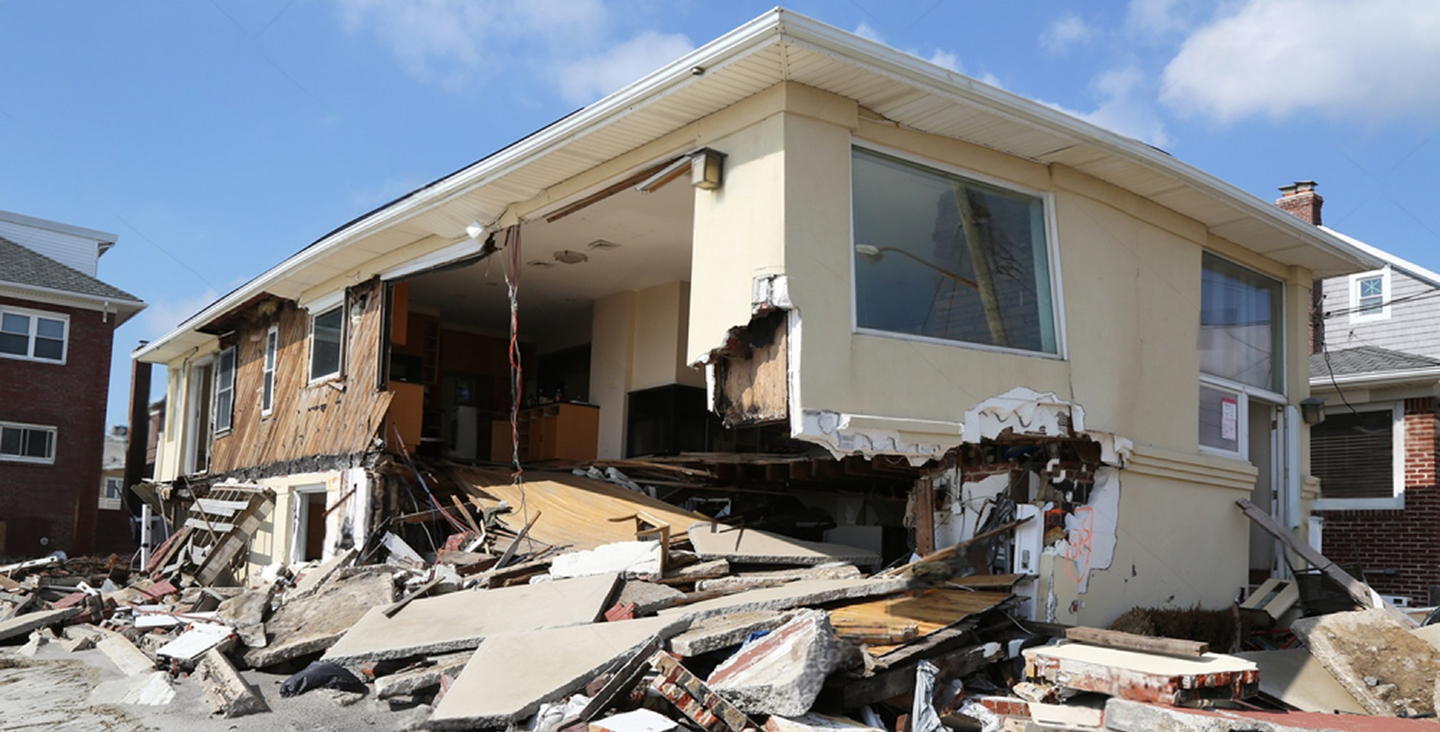
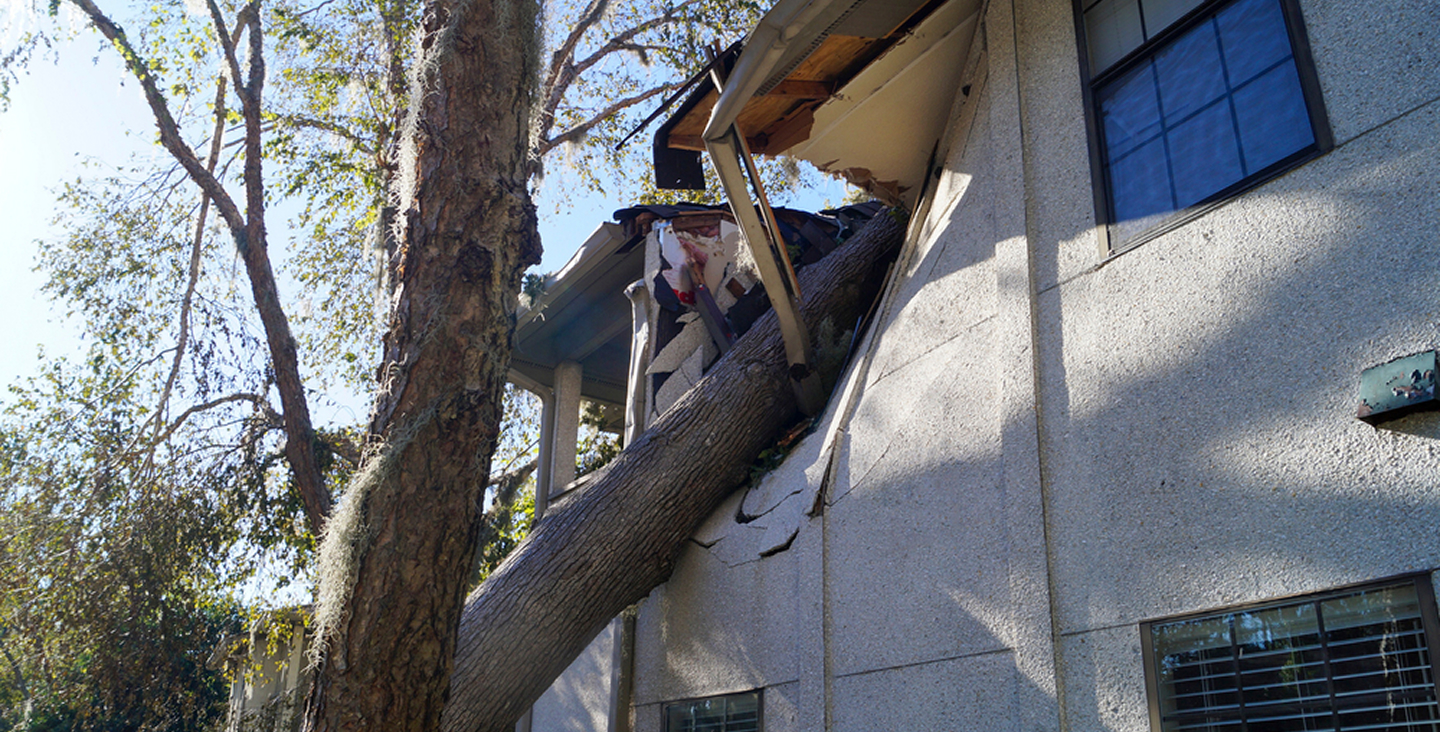
- Wind and hurricane pressure – stress roofs and exterior walls.
The above conditions accelerate failure if not detected and addressed early through structural damage analysis.
Key Indicators of Structural Damage in Florida
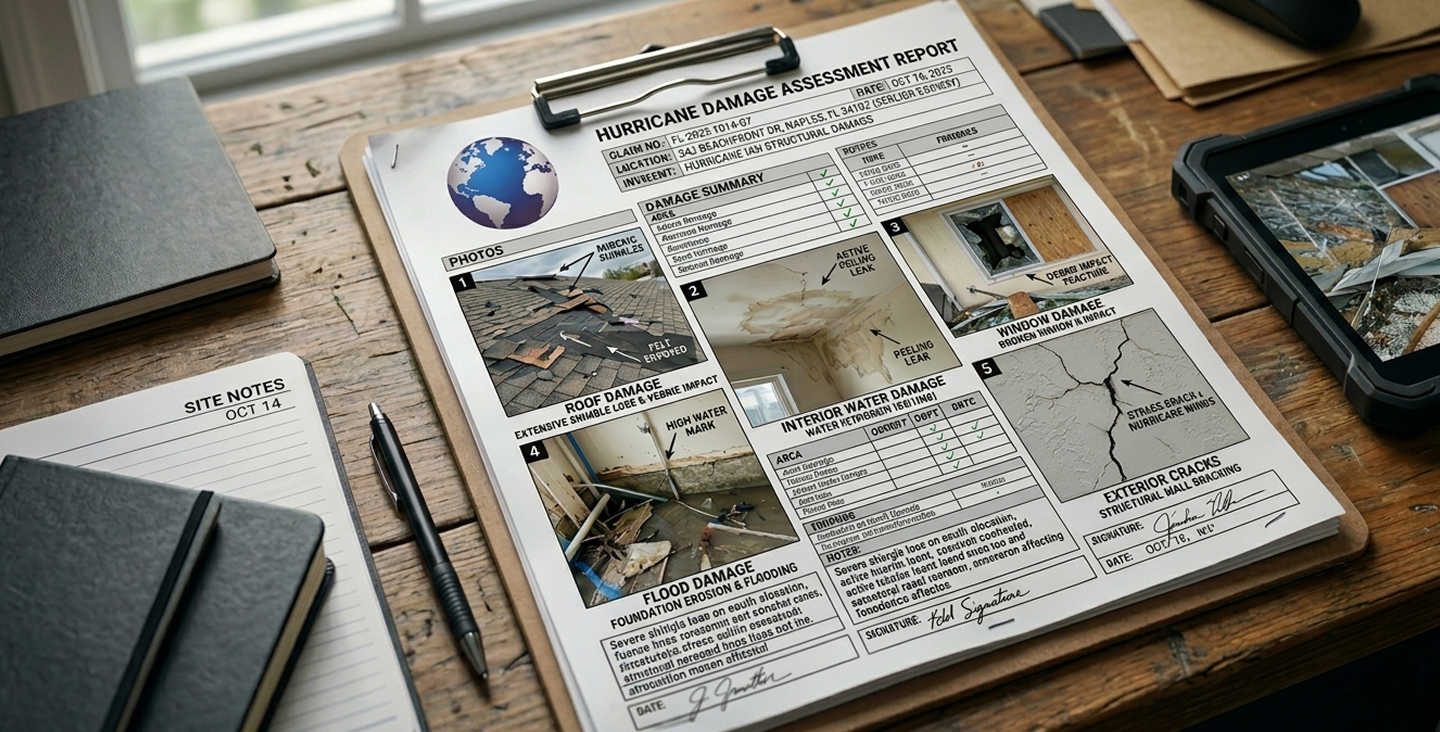
1. Cracks in Walls, Ceilings, or Foundations
Cracks often result from soil settlement, moisture damage, or structural stress.
- Hairline cracks may be minor, but still worth monitoring over time.
- Diagonal cracks near windows/doors suggest foundation movement.
- Horizontal cracks or stair-step cracks in masonry are warning signs of instability.
Early structural damage investigations determine whether cracks are surface-level or signal deeper structural failure.
2. Uneven or Sloping Floors
Floors that slope, sag, or feel unstable usually indicate foundation movement or deterioration of support beams. Florida’s high water table and sinkhole-prone soil make this a frequent issue. Left untreated, uneven floors worsen over time and decrease property value significantly.
3. Water Intrusion & Staining
Water always finds a way in. From torrential summer downpours to storm surges, even the smallest breach can let moisture seep into walls, ceilings, and foundations, leaving behind stains, mold, and long-term structural weakness.
- Wall or ceiling stains.
- Efflorescence (white deposits) on concrete or brick.
- Mold growth from hidden leaks.
Persistent water damage weakens structural materials, corrodes steel reinforcements, and accelerates long-term failure.
4. Sticking Doors & Windows
Persistent humidity can cause wood frames to swell slightly, but when doors and windows suddenly begin to jam or no longer fit squarely in their frames, it may point to something more serious, such as foundation settlement or structural movement.
As the foundation shifts, even by fractions of an inch, it transfers stress to the frames, causing misalignment. Unlike seasonal swelling, this type of sticking tends to worsen over time and is a reliable indicator of underlying instability.
5. Roof & Exterior Wall Distress
High winds and salt air take a toll on exteriors. Warning signs include:
- Sagging or uneven rooflines.
- Cracks or bulges in exterior walls.
- Deteriorating cladding or spalling concrete exposing rebar.
These signs point to compromised load-bearing elements that require immediate inspection.
6. Corrosion & Material Deterioration
Coastal properties are especially vulnerable to salt-air corrosion. Rusting steel, spalling concrete, and weakening beams are all red flags that the building’s structural integrity is at risk.
Can Structural Damage Be Repaired?
Yes, but the repair scope depends on severity. Minor cracks can often be sealed, while advanced corrosion or foundation shifts may require extensive retrofitting. The key is early detection through professional investigations before problems escalate.
Preventing Structural Failure?
- Immediately After Storms: Inspect for cracks, foundation shifts, water intrusion, and hidden damage.
- Short-Term (Weeks–Months): Fix water leaks, improve drainage, seal concrete/steel, and manage tree roots.
- Medium-Term (Quarterly/Annually): Conduct routine facility assessments, check roofing, walls, doors, and floors for stress.
- Long-Term (Yearly+): Perform soil surveys, upgrade climate-rated materials, and maintain a documented maintenance plan.
Related readings: The Importance of Regular Maintenance for Building Longevity
Who to Trust for Structural Damage Inspections?
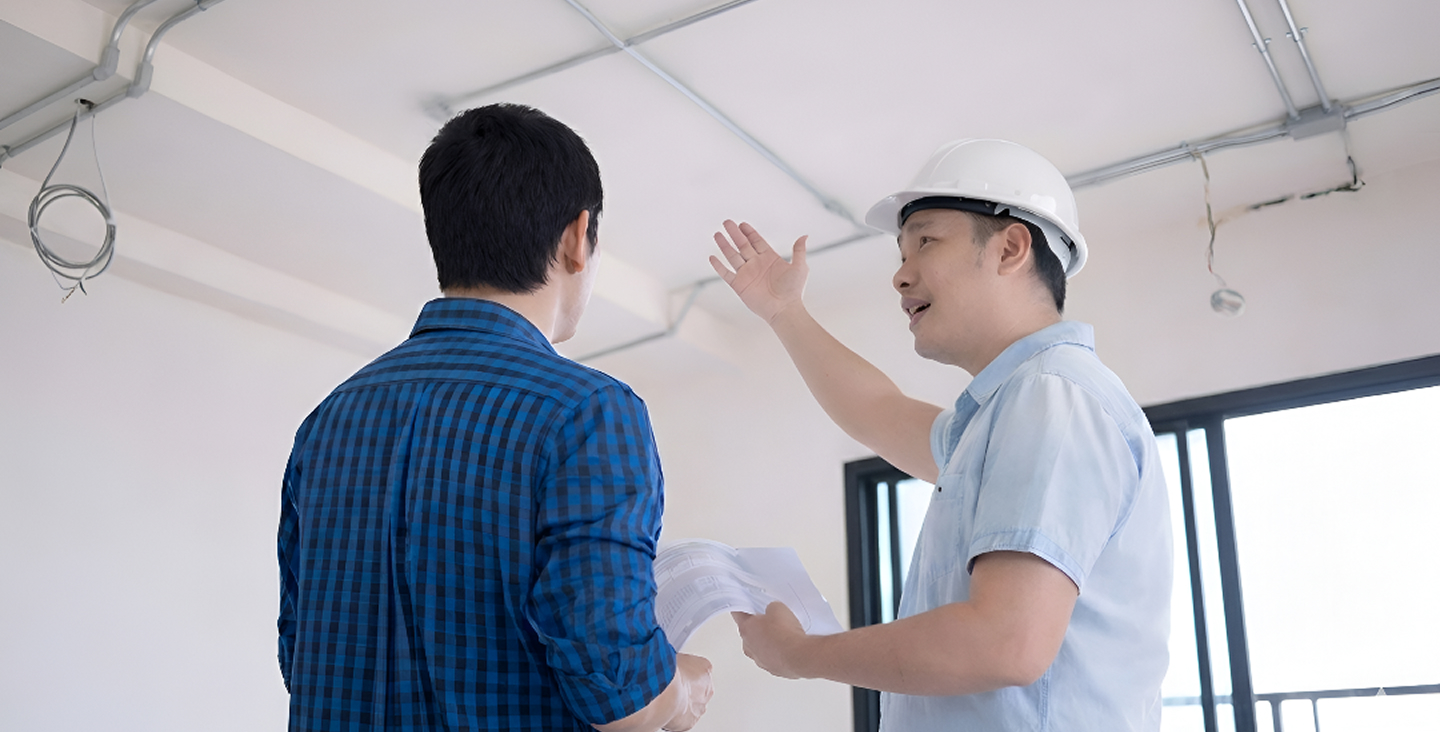
Building owners should begin by conducting an initial review of their property to identify any visible cracks, shifts, or other warning signs. However, only qualified professionals such as structural engineers and building consultants can perform a reliable structural damage analysis. Prema Consulting Group offers expert-led investigations, providing clear, evidence-based insights that support both insurance and legal processes.
Final word:
In Florida’s harsh climate, structural damage isn’t just a maintenance issue—it’s a direct threat to safety, compliance, and property value. Cracks, uneven floors, water intrusion, corrosion, and roof distress all signal risks that, if left unchecked, erode a building’s worth and marketability.
The most reliable way to protect your investment is through professional structural damage analysis and investigations. With Prema’s Property Value Assessments and forensic expertise, you gain clear insights, early detection of vulnerabilities, and practical strategies to preserve both structural integrity and long-term value.
By acting now, you don’t just maintain your building. You secure its future.