

How Forensic Engineers Investigate Structural Failures
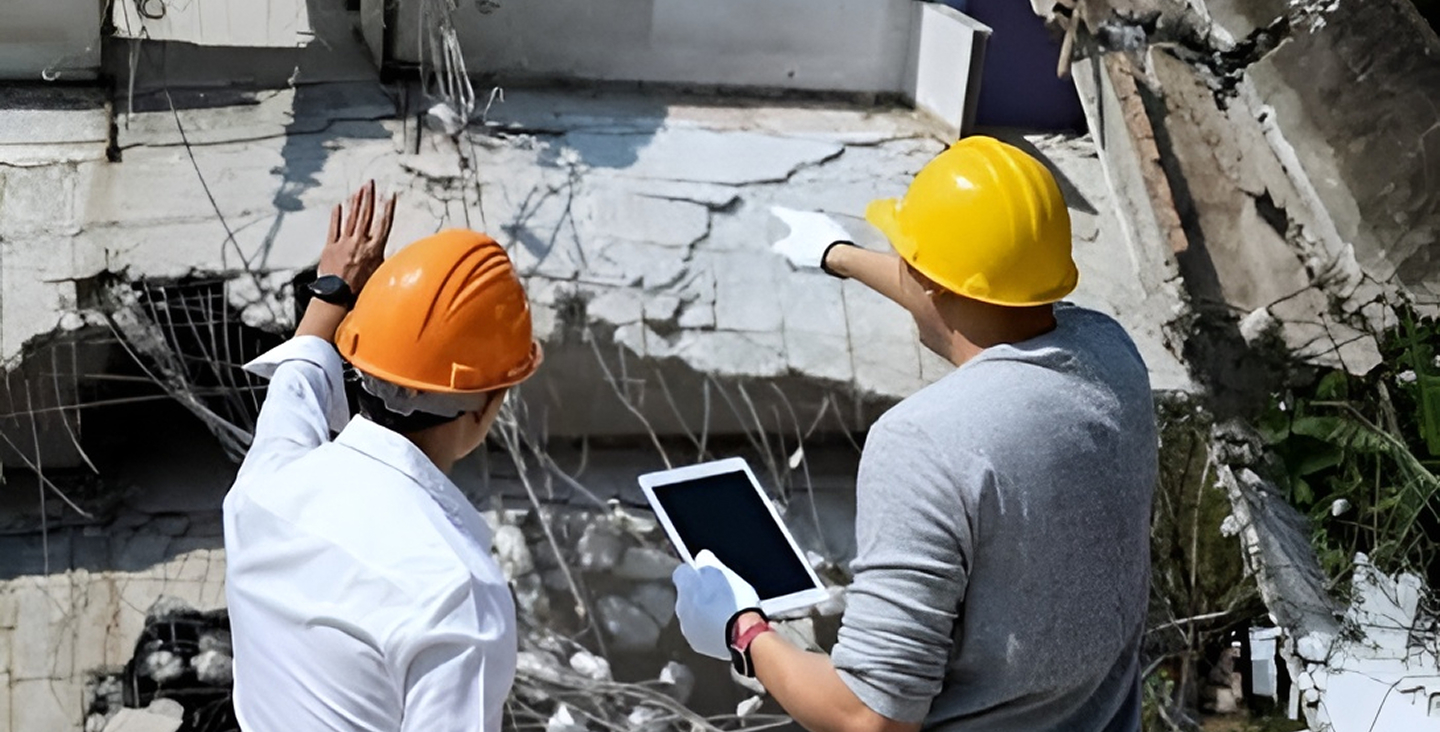
In any situation where the structure is found broken or collapsed, determining the cause of the damage is one of the most important tasks. The people responsible for such structures, such as the property owners, insurance companies, lawyers, and contractors, can use forensic engineering to find out the cause of the collapse or damage to the structure.
Structural collapses can be caused by many things, such as poor design, construction problems, poor-quality materials, environmental influences, and other external loads. Forensic engineers work to investigate the causes of the collapses and provide solutions for the same.
We at Prema Consulting Group perform comprehensive forensic engineering investigations to determine the cause of the problem.
What Is the Role of Forensic Engineering?
Forensic engineering involves using the principles of engineering in order to investigate problems related to damage, failures, and poor performance of buildings and their structures. The main aim of forensic engineering is to establish what happened and why it caused the problem.
Forensic engineers evaluate evidence, review documents, perform tests, and assess structural behavior in order to provide answers to questions, including:
- Why did the structure fail?
- Was the damage caused by flaws in the structure’s design and construction?
- Have environmental factors contributed to the failure of the structure?
- Has there been proper maintenance of the structure?
- Is it possible to prevent the structure from failing?
Common Structural Failures That Are Investigated
Structural failures may arise in either brand-new or old structures. The following are some of the most common structural failures that are investigated by structural engineers:
Foundation Failure
Issues like settlement, movement of soil, poor drainage, and poorly designed foundations can cause structural instability.
Building Collapse
Partial or full building collapse needs to be investigated to find out the cause of the problem and to assign liability.
Structural Cracking
Significant cracking in walls, floors, beams, and columns could be an indication of structural problems.
Water Damage
Exposure to water for a long period may cause weakening of structural elements.
Roof Failure
Roof failure could be caused by overload, poor design, deterioration, or extreme weather conditions.
Parking Structure Failure
Structural problems like corrosion and spalling of concrete, among others, may lead to parking structure failure.
Structural Failure Investigation Process
There is an investigation process that is systematic in order to arrive at conclusive results regarding structural failures.
The Site Inspection
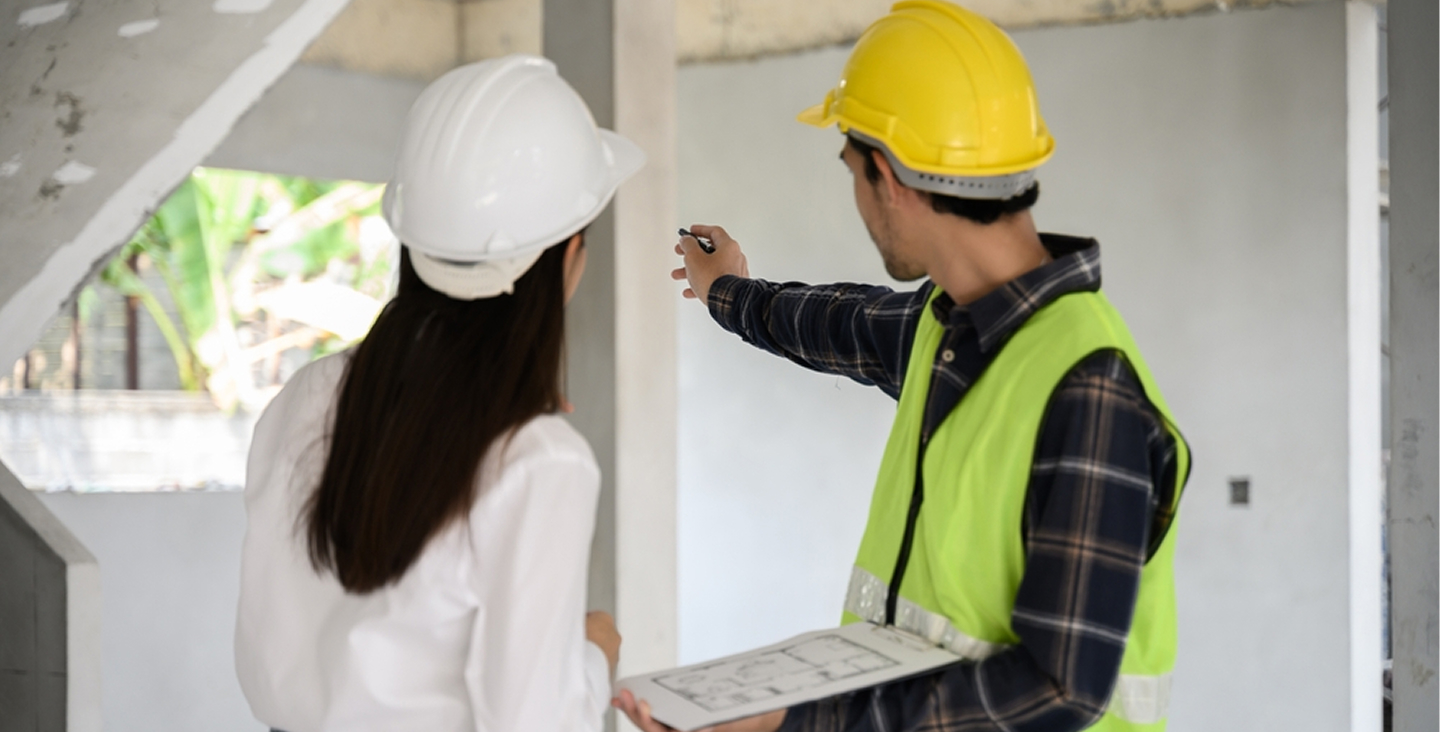
Site inspection marks the beginning of the entire investigation process. In this process, forensic engineers examine the failed structure and record observations.
At this point, the engineers normally:
- Take photos of the damages
- Make measurements of the structural elements
- Document crack patterns
- Evaluate any safety issues
Note any evidence that needs to be preserved.
Evidence Collection and Documentation
Physical evidence can sometimes be essential in determining what led to the failure.
Forensic engineers may collect:
- Samples of concrete
- Structural steel components
- Samples of soil
- Fasteners and connections
- Samples of material fragments
Review of Design and Construction Records
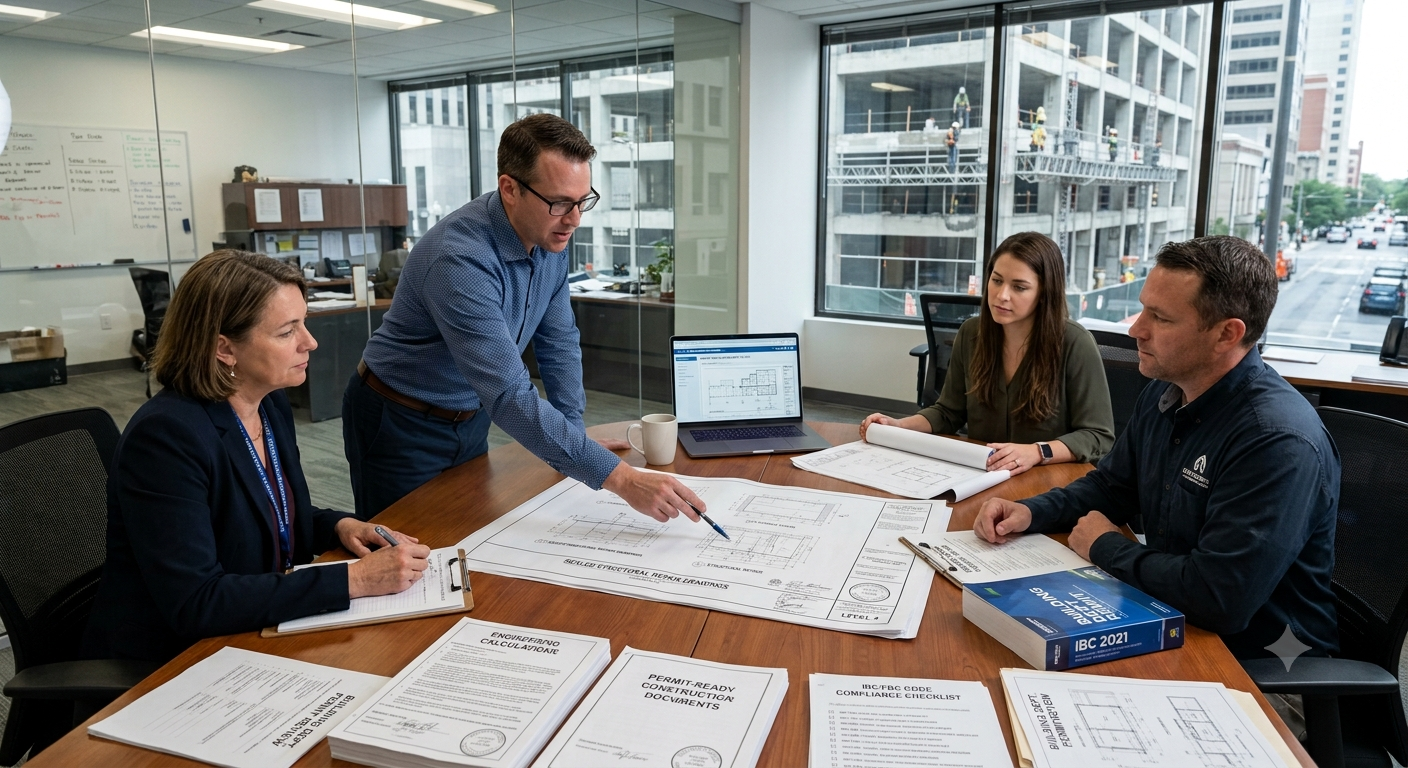
One of the crucial stages in forensic engineering analysis is project document review.
The engineers consider the following:
- Structural plans
- Design calculations
- Building permits
- Inspection reports
- Construction records
- Maintenance records
Comparison of existing conditions with design requirements frequently shows inconsistencies leading to structural failures.
Testing of Material and Lab Tests
Those materials that have shown any failure tend to be tested to confirm if they have met the required specifications.
These tests may include:
- Concrete compression test
- Metallurgical test
- Test for corrosion
- Chemical test
- Non-destructive test
Lab tests help detect any hidden defects.
Structural Behavior Analysis and Engineering Evaluation
Following the evidence collection phase, forensic engineers use calculation and modeling techniques to analyze the structure’s behavior.
Some of the tasks involved may include:
- Load analysis
- Stress analysis
- Finite element analysis
- Code checking
- Failure mode analysis
It aims at assessing how the structure behaved under different loads and situations before the failure occurred.
Root Cause Identification
One of the primary objectives in an analysis of a structural failure case study is to find out the root cause.
In most instances, structural failures occur due to several factors instead of one particular problem. Engineers analyze all the pieces of evidence collected to ascertain the following:
- Main causes
- Contributing causes
- Failure sequence
- Duty of care
Expert Reporting and Suggestions
The last step is to compile a comprehensive engineering report.
A report usually contains:
- Findings from the investigation
- Photographs
- Engineering assessment
- Conclusions about causes
- Suggestions for repair
- Risk reduction measures
Such reports are commonly referred to by property owners, insurance companies, lawyers, contractors, and government departments.
Issues Associated with Forensic Engineering Investigations
Forensic engineering investigations related to structural failure might face some complications because of the following reasons:
Insufficient Evidence
Sometimes, important evidence can be lost, destroyed, or changed due to an accident.
Many Reasoning Factors
Sometimes, failures occur due to multiple reasons.
Time-Dependent Conditions
Some weather conditions and further degradation could impact the quality of evidence.
Legal and Insurance Issues
The results should be technically correct, objective, and defensible in a legal or insurance forum.
Experienced forensic engineers know about these issues and use appropriate investigation procedures.
The Importance of Forensic Engineers
Proper structural failure analysis needs unique knowledge about structural systems, material science, construction laws, and other engineering aspects. A forensic engineer has that. They study the issues in detail, and the detailed study not only tells about what went wrong but also assists in avoiding such failures in the future.
Forensic engineers offer:
- Independent technical evaluations
- Based on evidence, conclusions
- Expert witnesses
- Insurance claims handling
- Structural repair and remediation
- Risk reduction
These engineers help to make proper decisions after structural failure incidents.
Prema Consulting Group’s Structural Failure Investigation Process
As a professional company, Prema Consulting Group uses expert forensic engineers to carry out detailed investigations for commercial, residential, industrial, and institutional buildings. With our investigative processes, we will use site inspection, engineering investigation, materials evaluation, and technical reports to determine why structural failures occurred and how to fix them.
We specialize in investigations of construction flaws, foundation problems, building damage and collapse investigations, among others.
Conclusion
Structural failure does not happen out of nowhere; there is always a clue or a factor that triggers it. Forensic engineers discover the root cause of structural failure through inspections, documentation, tests, and engineering analyses.
A structural failure investigation can assist property owners, insurance companies, lawyers, and builders in determining what caused the issue and how to address the problem. By conducting a structural failure forensic engineering investigation, organizations can minimize their liability and ensure safe operation.
FAQs
Forensic engineers investigate damaged or failed structures to identify the reason behind them and provide their conclusions regarding them.
Structures such as buildings, bridges, parking structures, retaining walls, industrial facilities, foundation structures, and others are investigated by forensic engineers.
Structural failures usually occur due to various reasons, including bad design, faulty construction, material failure, corrosion, lack of proper maintenance, and extreme environmental conditions.
It depends on the complexity of the case and other factors involved.
A report usually contains site inspections, engineering analysis, test results, root cause determination, and repair recommendations.
Yes. Forensic engineers normally assist in making insurance claims in their reports.
Yes. Findings from investigations are used in construction disputes, litigation, and as evidence in court.
Tests conducted include concrete tests, metallurgical tests, corrosion tests, non-destructive testing, and laboratory tests.
Root cause analysis is done to determine the causes of failure so as to carry out repairs and avoid similar failures.
Prema Consulting Group offers forensic engineering experts, complete structural evaluations, extensive reporting, and unbiased analysis to assist clients during difficult failure investigations.



Our Related Services
Need Expert Forensic Engineering & Building Assessment Insights?
Get our accurate, evidence-based analysis to identify root causes, assess structural integrity, and make confident decisions.
Get in Touch →