

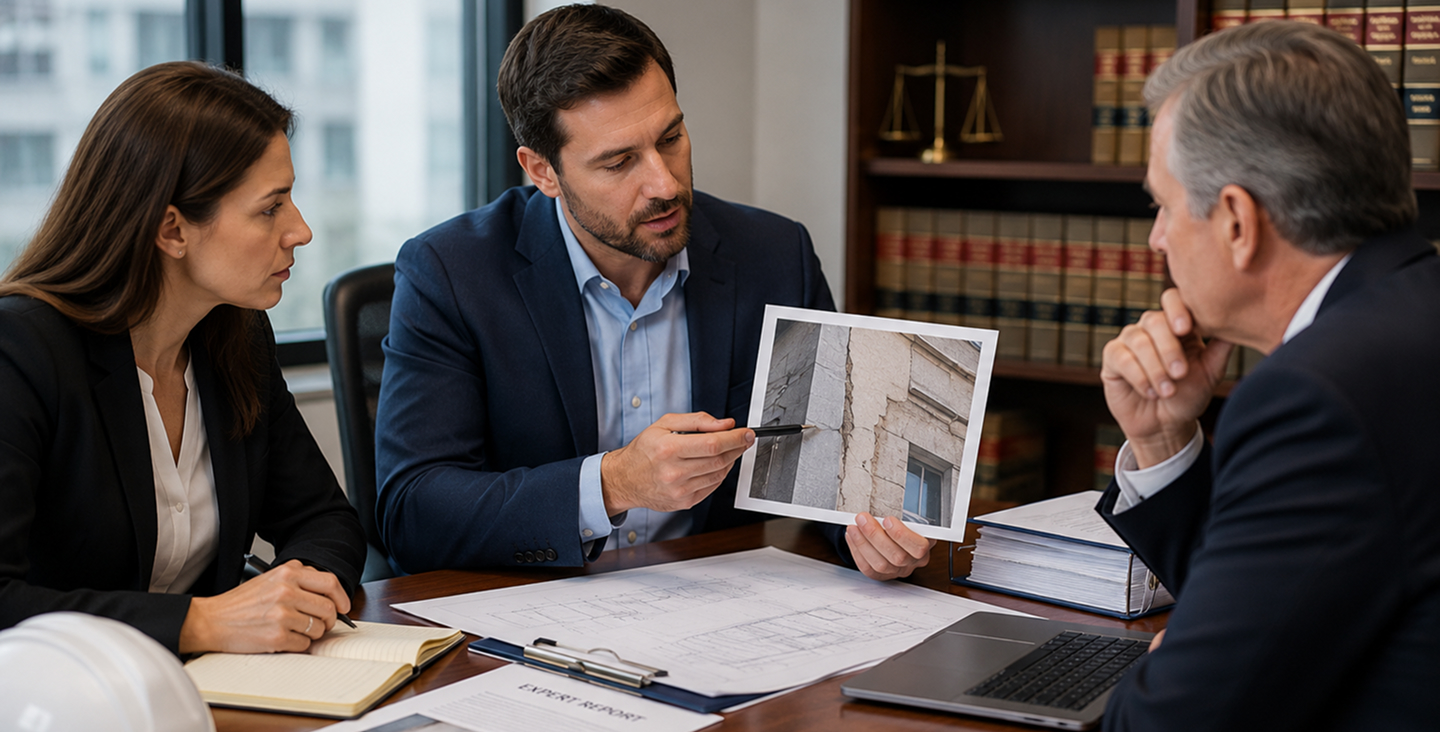
Role of Forensic Engineers in Litigation Support
When a legal dispute involves a damaged building, a structural failure, or a construction problem that nobody can agree on, the conversation eventually hits a wall. That is exactly where forensic engineers come in.
Everyone in that room brings a different piece of the picture. The attorney understands the legal landscape. The claims adjuster has spent time on the file. The property manager knows what the building has been through. But explaining what actually happened to the structure, how the failure developed, and whether the reported cause holds up against what the physical evidence shows — those are engineering questions, and they require a very specific kind of technical background to answer with any credibility.
Forensic engineers come to every assignment without a conclusion already in mind. The work is about examining the facts, holding them up against engineering principles, and producing a technically supported account of what the evidence actually shows. In litigation, that matters concretely. A cracked wall or a leaking roof can look like a straightforward problem until closer examination reveals that several causes are plausible, and the legal process cannot reach a well-grounded resolution until someone with the right qualifications works through each of those possibilities in a disciplined way.
Why Forensic Engineers Matter in Litigation
Any litigation involving physical damage reaches a point where someone has to interpret what the evidence means from an engineering standpoint. Legal teams bring real skill to building and presenting a case, but explaining the mechanics of how a building component failed, identifying what conditions set that failure in motion, and demonstrating what the physical record actually shows requires a discipline that sits outside the legal field entirely.
Forensic engineers help address questions such as:
- What failed and the manner in which it failed
- When the damage most likely occurred
- What conditions contributed to the failure
- Whether the damage is consistent with the reported cause
- Whether alternative causes are technically supportable
- What technical standards are applicable to the situation
Without credible, well-supported answers to those questions, legal teams and claims professionals are carrying a significant gap in their understanding of the technical side of the dispute, and that gap tends to show up at the moments when it matters most.
How Forensic Engineers Support the Litigation Process
Litigation support moves through defined stages, each one building the foundation for a technical opinion that can withstand serious examination when it is challenged.
Evidence Review
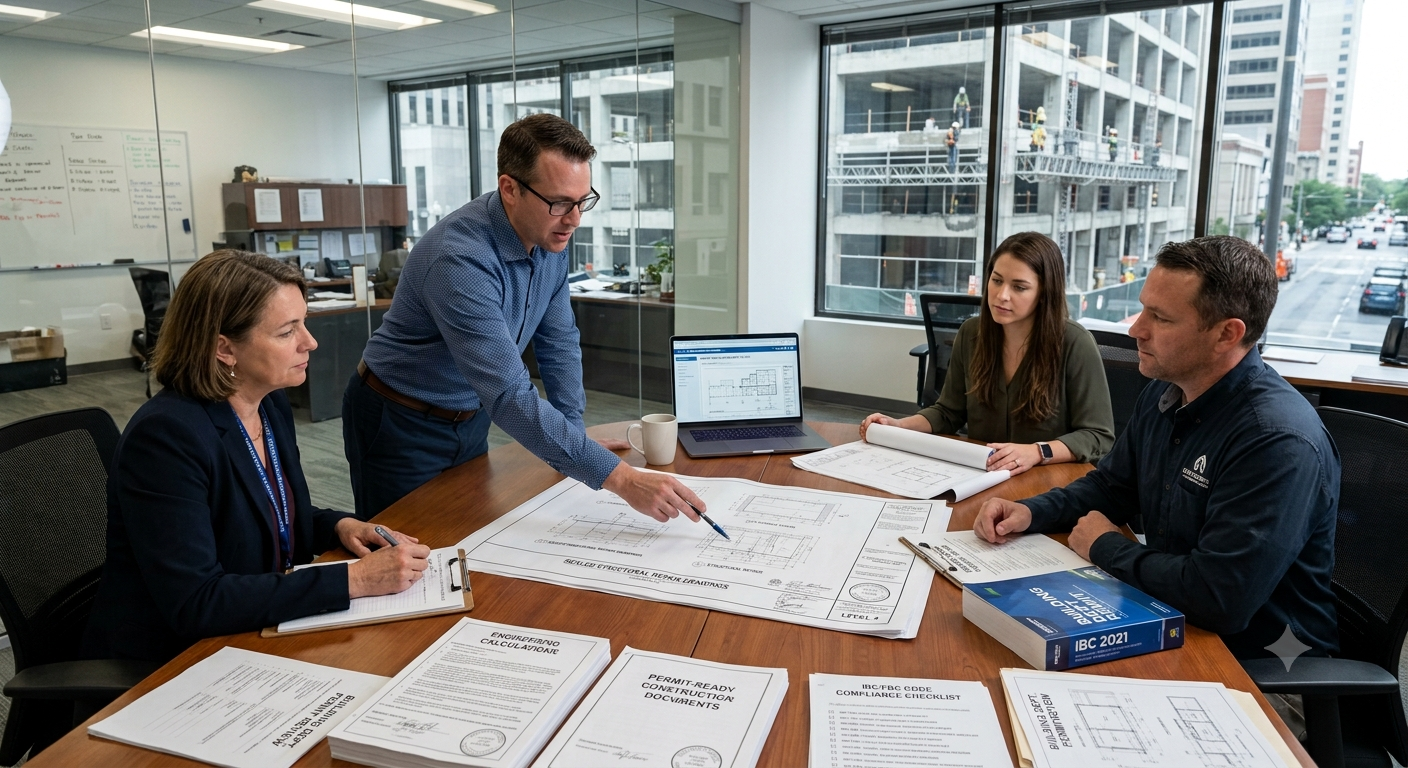
Everything starts with what has been documented. Inspection photographs, construction drawings, repair records, claim files, contracts, maintenance logs, weather data, and prior reports all get reviewed carefully before anyone visits the property. That review builds a timeline, shows what is on record, identifies where documentation is missing or incomplete, and clarifies what still needs to be verified through a physical inspection before any conclusions take shape.
Site Inspection
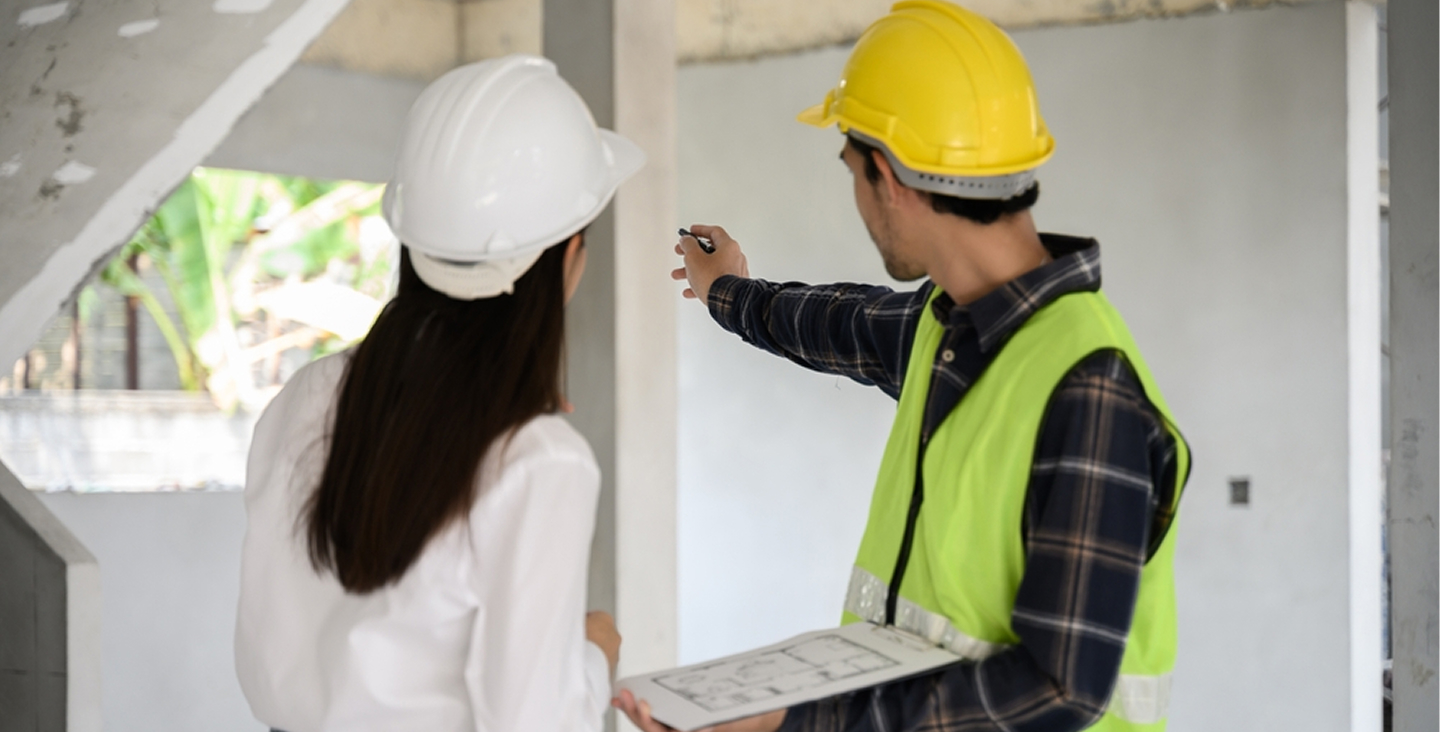
Records provide context, but they do not capture the full picture of what a property shows in person. The site inspection is where the engineer examines conditions directly, takes measurements, documents visible evidence in detail, and compares what the site actually shows against what the available records describe. When those two things diverge, that divergence is often where the most useful technical information surfaces.
Causation Analysis
In the vast majority of property-related litigation, causation is the question around which everything else revolves. The existence of damage is rarely the point of contention. What is contested is why the damage exists, and that is a considerably more complex question to answer than it might appear from the outside. A roof leak could originate from a weather event, a flashing failure, improper installation practices, drainage that was never designed adequately, material deterioration that accumulated over the years, or a repair that was carried out incorrectly. The engineer evaluates each of those possibilities against the physical evidence and identifies which explanation the facts genuinely support.
The Role of Expert Witness Engineering
Certain matters reach a stage where technical opinions must be communicated formally within a legal proceeding. This is where expert witness engineering becomes the specific focus of the work. The engineer may produce written reports, address the findings put forward by opposing technical experts, support attorneys preparing for depositions, or provide testimony at a hearing or trial.
This part of the work makes simultaneous demands on two different capabilities. The technical analysis has to be rigorous and defensible. The communication of that analysis has to be clear enough for people without engineering backgrounds — judges, juries, claims professionals, attorneys, and business decision-makers — to follow the reasoning and understand why the conclusions are supported by the evidence.
Professional independence has to be preserved throughout the entire process. The opinion rests on documented evidence, accepted engineering methodology, direct field observations, and professional judgment developed through years of practice. An expert whose conclusions appear to reflect the preferences of whoever retained them rather than the weight of the evidence loses standing in the proceeding quickly, and that standing is not something that gets recovered easily once it has been called into question.
What a Litigation-Ready Engineering Report Includes
Every conclusion in a report prepared for litigation has to connect back to documented evidence, direct site observations, or verifiable data. Any assertion that goes beyond what the evidence genuinely supports introduces a vulnerability into the technical position rather than reinforcing it.
A well-prepared litigation report typically includes:
- Assignment scope
- Documents reviewed
- Site observations
- Photographic documentation
- Testing or measurement details, where applicable
- Applicable codes or standards
- Cause and origin analysis
- Limitations of the review
- Clear technical conclusions
Prema Consulting Group structures every report so that findings stay connected to field observations, supporting documentation, and engineering reasoning throughout the entire document — not only in the sections where conclusions are formally stated.
Common Litigation Matters That Need Engineering Review
Forensic engineering support is relevant across a wide range of dispute types. The nature and scope of any given review depend on the property, the type of damage, and the specific technical questions the legal matter needs to be answered.
Construction Defect Claims
Construction defect matters can reach across workmanship, design, materials, drainage, waterproofing, structural performance, and code compliance, sometimes involving several of these areas within the same dispute. The engineer determines whether the identified condition connects to a construction defect, a maintenance failure, a design problem, environmental exposure, or another factor — and that determination is frequently what the entire technical side of the dispute comes down to.
Storm and Catastrophe Damage
After significant weather events — hurricanes, high winds, hail, or flooding — disputes over cause and timing are common. Engineering review draws a clear technical line between damage attributable to the reported event and conditions that were present before the weather arrived, including pre-existing deterioration, aging materials, and damage with an entirely separate origin.
Structural and Building Envelope Failures
These matters can involve roofs, walls, windows, foundations, framing, balconies, facades, and exterior assemblies across a building. They generally call for detailed examination of the original design intent, the installation methods used in the field, the maintenance history over the building’s life, how the materials performed over time, and the nature of the external forces the system encountered.
How an Objective Perspective Matters in Litigation Support
Objectivity is not a procedural formality in forensic engineering — it is what gives the work its value in a legal context. Determining legal liability, making coverage decisions, and shaping litigation strategy are responsibilities that belong to others in the process. The forensic engineer’s contribution is an independent technical opinion built on what the evidence shows, and that opinion has to hold the same regardless of which party commissioned the work.
A defensible technical opinion needs to be traceable to:
- Documented records from the case file
- Direct observations made during the site inspection
- Recognized engineering standards
- Testing data, where applicable
- Technical reasoning presented in a way that can be clearly followed and evaluated
A technical opinion that cannot be supported through those elements is unlikely to survive the scrutiny of deposition or trial. When a forensic opinion appears shaped by a preferred outcome rather than the evidence, its credibility in the proceeding deteriorates, and recovering from that position while a matter is still in progress is an extremely difficult thing to do.
When Legal and Claims Teams Should Involve an Engineer
Engineering support delivers the most value when it enters the picture early — before physical conditions change, before repairs alter what the site shows, and before time and activity complicate the documentary record. Early involvement allows evidence to be preserved properly, gives direction to documentation efforts, and builds a technically grounded foundation before the legal matter advances into stages where gaps in the technical record become harder to address.
Engineering support is typically needed when the dispute involves:
- Cause of damage or failure origin
- Construction quality concerns
- Repair scope disagreements
- Building performance questions
- Code-related issues
- Conflicting technical opinions between parties
For enterprise teams handling multiple properties or managing concurrent disputes that share overlapping technical issues, early engineering involvement also supports a consistent technical position across the whole portfolio. Building that consistency from the start is a far more manageable undertaking than trying to reconcile independently developed positions after each matter has already progressed on its own trajectory.
Conclusion
Physical evidence does not explain itself. Forensic engineers are the people who perform that work — going through the available documentation, conducting site inspections, working through causation in a methodical way, preparing reports built on technical reasoning, and standing behind those findings when they are challenged in a legal setting.
For legal teams, insurance professionals, property managers, and enterprise organizations working through building-related disputes, having that technical foundation in place is what allows progress to happen with confidence. The right engineering support takes a complex physical record and converts it into findings that are clear, documented, and defensible for everyone who needs to rely on them.
Prema Consulting Group brings an evidence-led approach to every litigation support assignment. Professional independence, disciplined documentation, and engineering reasoning built to hold up under rigorous examination are what make forensic work genuinely useful when a matter’s outcome depends on the technical findings being credible and sound.
FAQS
Forensic engineers review technical evidence in disputes involving property damage, structural issues, construction defects, or system failures. They examine available records, conduct direct property inspections, analyze possible causes, and prepare technical opinions that give legal, insurance, and claims teams a sound basis for the decisions they need to make.
Not in every situation. A forensic engineer may conduct a complete technical analysis without participating in any formal legal proceeding. When their opinion is required at a deposition, hearing, or trial, they take on an expert witness engineering role, which may involve formal report preparation, supporting attorneys through deposition preparation, or providing direct testimony depending on the specific demands of the matter.
The presence of damage does not establish what produced it. A forensic engineer works through site conditions, available records, observed damage patterns, and applicable engineering principles to identify the explanation that the evidence most clearly supports — arrived at independently of what any particular party in the dispute would prefer the finding to show.
As early in the process as the situation allows. When a dispute is likely to turn on technical facts involving failure origin, construction quality, storm damage, building performance, water intrusion, or structural movement, having an engineer engaged from the beginning preserves evidence, strengthens the documentary record, and avoids the complications that accumulate when technical review is delayed until later stages.
A litigation report has to be organized, clearly written, and supported by evidence at every stage of the analysis. It needs to convey the assignment scope, the documents considered, what was observed during the site inspection, how the analysis was conducted, where limitations in the review exist, and what conclusions the evidence supports — presented in language that readers without a technical background can follow and rely upon.



Our Related Services
Need Expert Forensic Engineering & Building Assessment Insights?
Get our accurate, evidence-based analysis to identify root causes, assess structural integrity, and make confident decisions.
Get in Touch →