

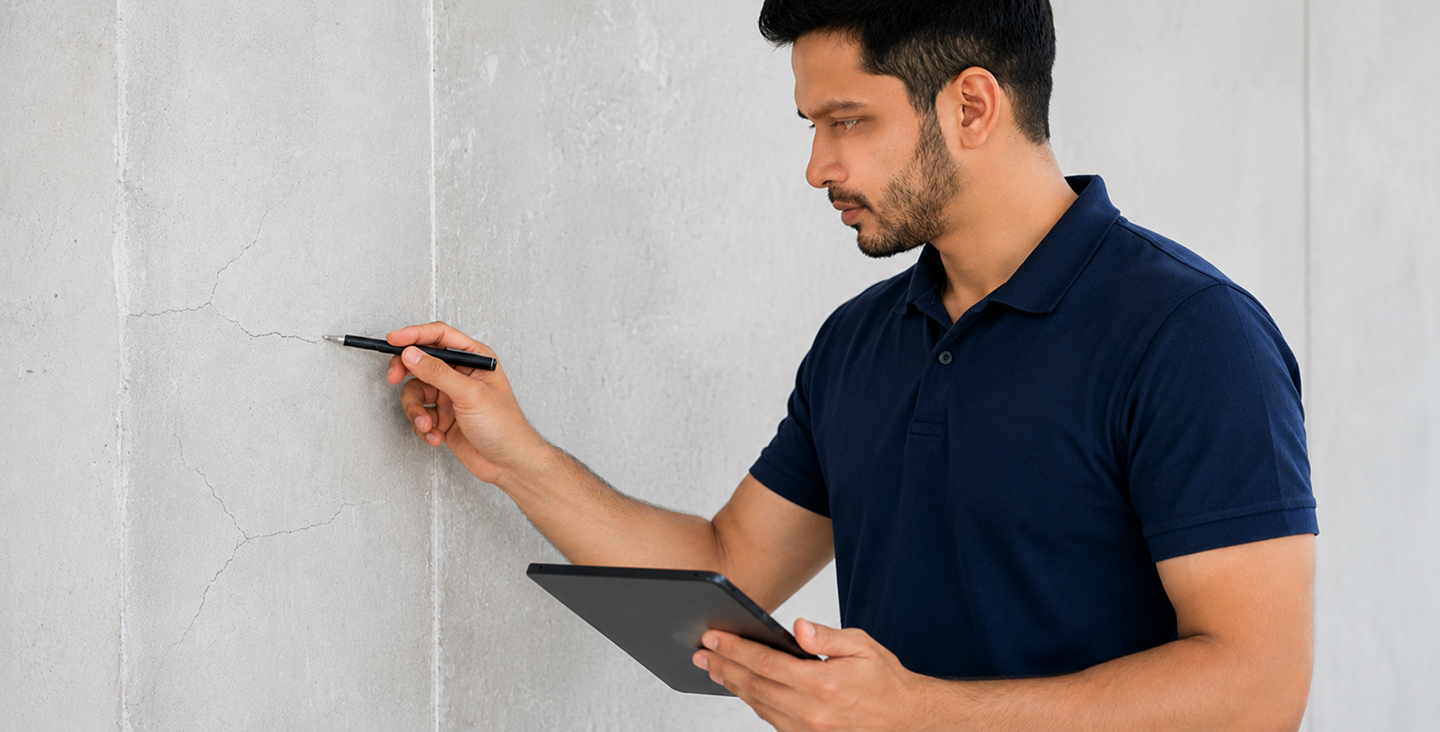
Construction Defect Investigations Explained
Construction problems tend to look obvious before the real investigation begins. What appears straightforward on the surface often tells a very different story once the technical review gets underway.
For example, water does not wait around where it enters a building. It travels, sometimes quite far, before it shows up somewhere visible. Cracks form for reasons that have nothing to do with what they look like on the surface. Also, drainage problems buried below grade can cause damage that appears nowhere near the actual source. This is the reality of construction defects, and it is exactly why a casual walkthrough rarely gets you to the right answer.
Forensic engineering services are built around this problem. They identify the cause, extent, and technical background of construction defects across residential, commercial, and industrial buildings.
The blog discusses how forensic engineering services identify construction defects and translate them into understandable, accurate reports.
What is a Construction Defect Investigation?
Simply put, it is a technical review of a building problem. It includes what happened, where it happened, and why it most likely happens.
Some issues are probably right there in front of you — wall cracks, roof leaks, water staining across a ceiling. Others are completely out of sight, hiding behind wall assemblies, under flooring, inside roof systems, or below grade, where nobody has thought to look. A thorough investigation can identify both types of defects.
Here is something important about how a real investigation works. It does not open with an assumption. It opens with observation. Engineers assess the damage, building systems, construction records, and site conditions before drawing any conclusions.
What Are Construction Defects?
Construction defects are flaws or failures that affect how a building component performs in terms of safety, durability, and basic functionality.
They show up for a range of reasons, like poor workmanship on site, incorrect installation of a system, errors in the original design, materials unsuitable for the application, unplanned executions, and lack of coordination among work processes.
Common construction defects include:
- Foundation cracks
- Roof leaks
- Window and door leaks
- Water intrusion
- Concrete cracking or spalling
- Poor site drainage
- Structural movement
- Wall separation
- Defective waterproofing
- Improper flashing
- Exterior cladding problems
- Flooring failures
Not every building problem is a construction defect. Some damage can be traced to age, weather events, maintenance that never happened, soil movement, or changes made to the building after construction was completed. A proper investigation is what separates those possibilities from real construction problems.
Key Goals of a Construction Defect Investigation
Every construction defect investigation is built around a set of core questions. These drive the entire process from start to finish.
What condition exists?
Before anything else, the reported problem gets identified and documented in detail. Cracks, leaks, staining, movement, corrosion, deterioration, or wrong materials — all get recorded properly before any analysis begins.
Where is the defect located?
Whether the issue is isolated to one spot or shows up in multiple areas changes the picture significantly. A problem in one location might point to a local installation failure. The same type of damage repeating across several areas often suggests something is wrong with an entire system, not just one trade’s work.
What caused the condition?
This is the core of what the investigation is trying to answer. Engineers work through the available facts and determine whether the condition connects back to design, workmanship, materials, maintenance history, environmental exposure, or something else. Nothing gets assumed. Everything gets traced.
What should be done next?
Depending on what the investigation turns up, the findings may also point toward specific repair needs, additional testing, ongoing monitoring, or further evaluation before any physical work begins.
Common Areas Reviewed during Construction Defect Investigations
Construction defects can occur in almost any part of a building.
Roof Systems
Roof defects tend to involve inadequate slope design, damaged membranes, flashing errors, failed sealants, penetrations that were handled improperly, or drainage problems that were never properly resolved. Roof leaks are too difficult to trace because water almost always enters at one location and surfaces somewhere completely different.
Building Envelope
The building envelope, comprising exterior walls, windows, doors, cladding, sealants, weather barriers, and flashing, is the building’s first line of defense against the outside. When defects show up in this system, water, air, and moisture find their way in through paths that are not at all obvious from the inside.
Foundations and Structural Components
Foundation cracks, slab movement, framing distress, and wall displacement all need detailed technical review rather than a quick visual assessment. Engineers look at crack patterns, load paths, soil conditions, drainage history, and any signs of movement that have developed over the life of the building.
Waterproofing and Drainage
These defects create long-term moisture problems that rarely get better on their own without intervention. Basements, balconies, roofs, retaining walls, and below-grade spaces throughout a building are all common locations where poor waterproofing and drainage defects eventually show themselves.
Interior Finishes
Conditions like cracked drywall, stained ceilings, warped flooring, moisture concerns tied to mold, and separated trim, etc., look like minor problems on the surface. However, in many cases, they are symptoms pointing to something deeper going on beneath the surface.
How the Investigation Process Works
The exact steps in a construction defect investigation change depending on the building, the damage type, and what information is actually available. But the overall process follows a consistent structure.
Scope Review
The engineer starts by defining what actually needs to be looked at. Reported problem, affected areas, property type, purpose of the investigation — all of that gets established upfront. A clearly defined scope is what keeps the review focused and prevents conclusions from wandering further than the evidence supports.
Document Review
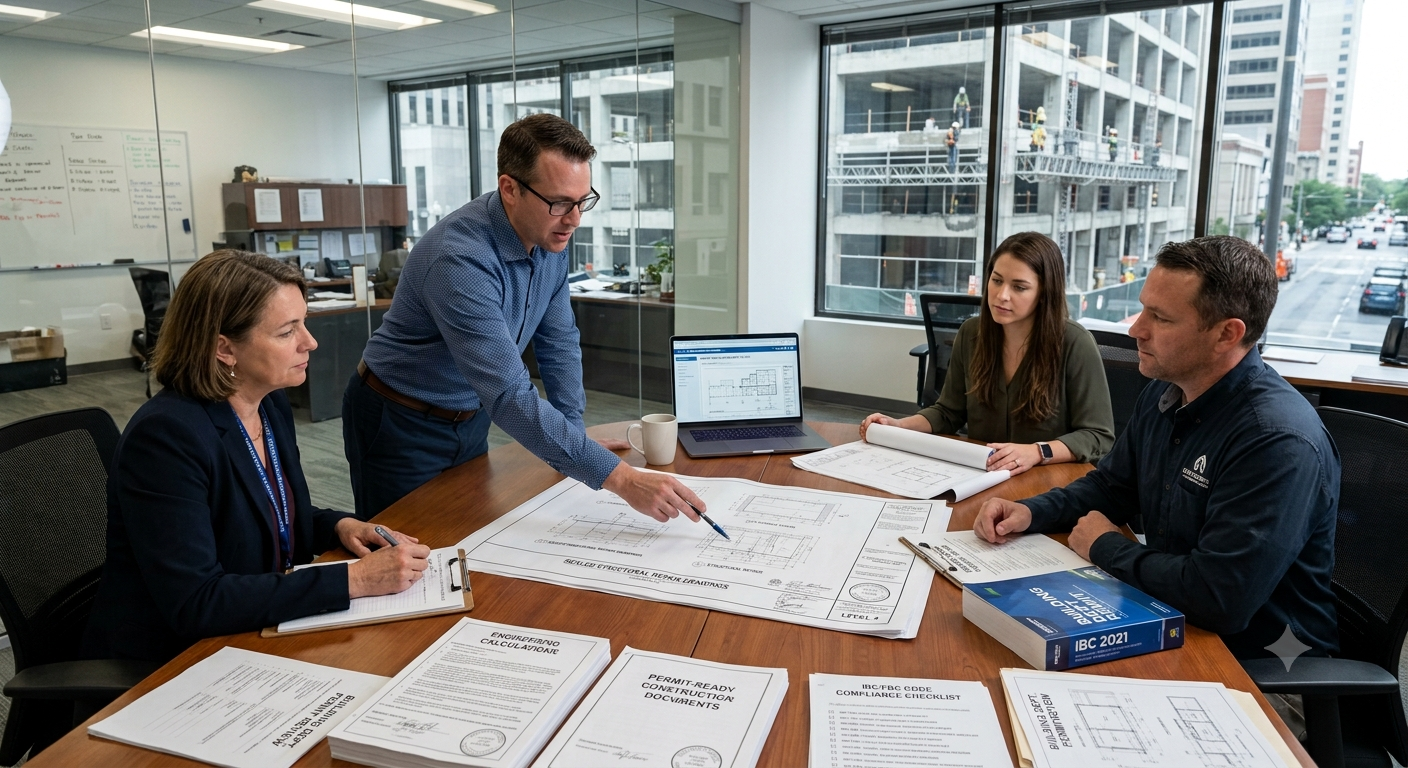
Available documents get reviewed before or after the site visit, depending on what can be accessed. Drawings, specifications, permits, inspection records, repair records, maintenance logs, photographs, and prior reports all go into this. Comparing what the construction was supposed to look like against what was actually built often reveals more than the site visit does on its own.
Site Inspection
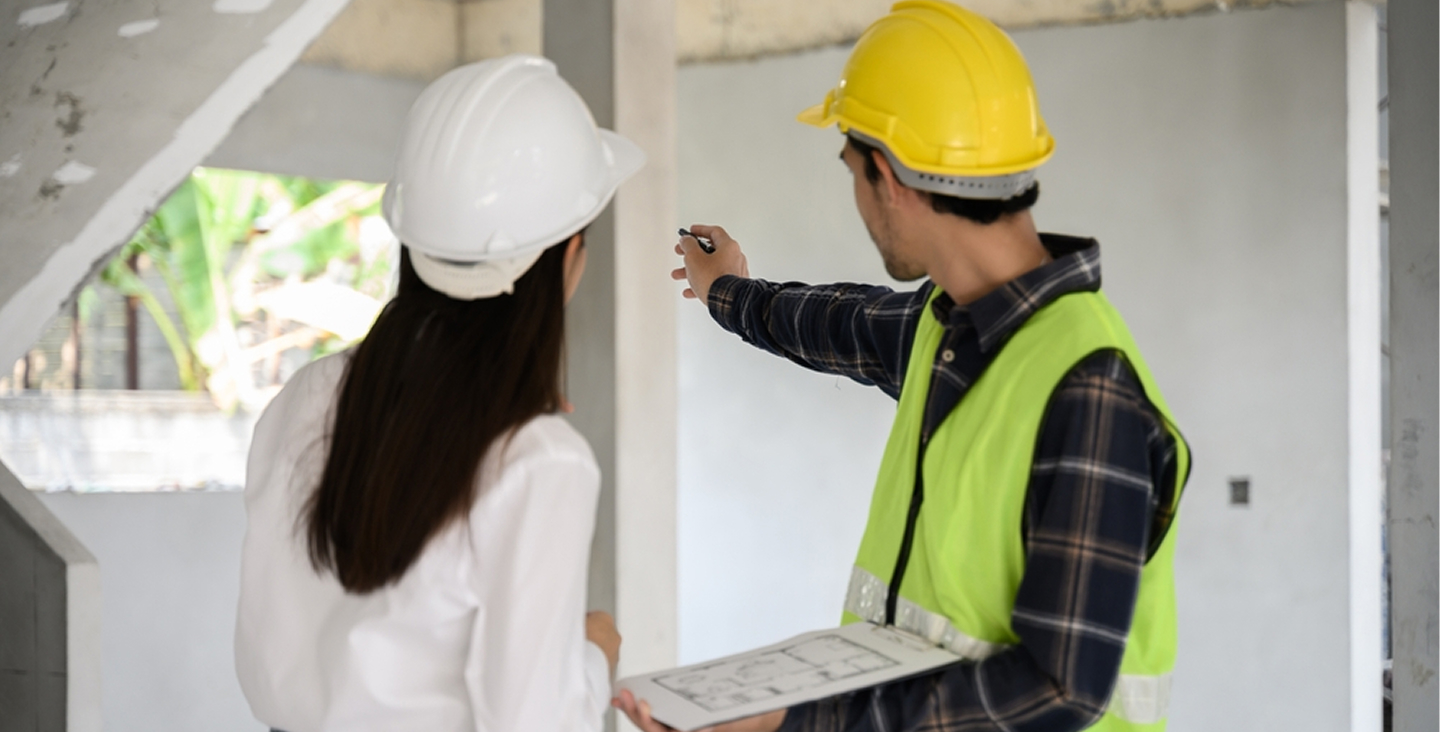
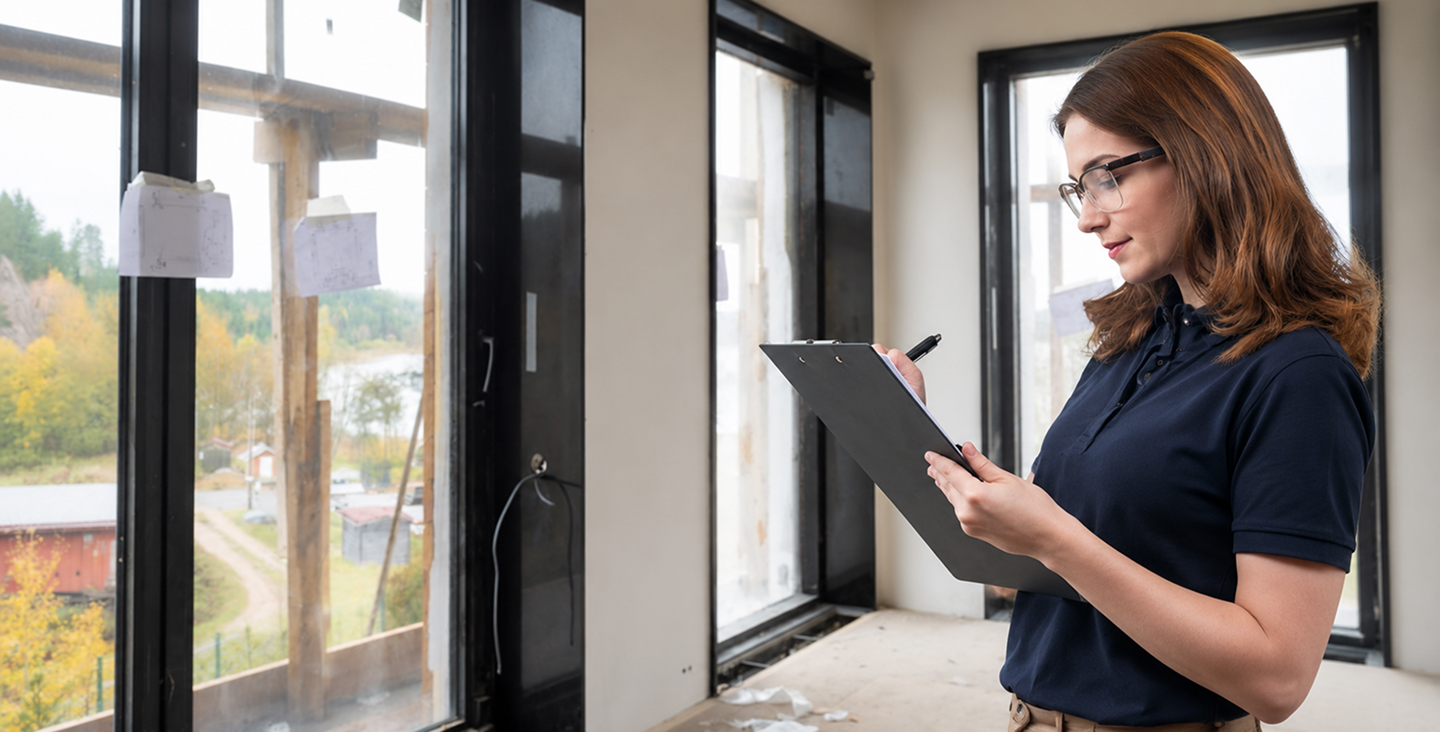
On-site, the engineer looks at the damage and the surrounding building systems directly. Photographs, measurements, moisture readings, crack mapping, level readings, and visual review of related areas all happen here. Sometimes, limited openings into walls or assemblies are needed to get eyes on conditions that cannot be evaluated from the surface.
Technical Analysis
After the site visit, all the evidence is reviewed together. Field observations get connected to construction documents, engineering principles, how materials actually behave, and what the site conditions show. This is where the most supportable cause of the defect gets identified — not the most convenient one, the most supportable one.
Reporting
Everything gets organized into a technical report. A genuinely useful report explains what was reviewed, what was actually observed, and which conclusions the evidence supports, rather than simply stating what seemed plausible.
Role of Forensic Engineering Services
Forensic engineering services are the technical foundation that construction defect investigations depend on. They explain building failures, damage patterns, and performance problems through real engineering analysis — not visual impression, not assumption, not what the client needs to hear.
This matters for property owners, contractors, insurers, attorneys, and asset managers who need accurate technical information before making decisions with real financial and legal consequences.
Prema Consulting Group approaches every one of these matters with professional neutrality, structured documentation, and findings that go where the evidence leads rather than where any particular party wants them to go.
The Crucial Role of Engineering Consulting
Engineering consulting takes the technical findings and translates them into practical steps people can act on. Repair planning, scope development, risk review, claims evaluation, and documentation for litigation can flow from solid engineering consulting work.
The role is not to make the problem sound bigger than it is. The role is to explain what the evidence shows, clearly and without embellishment.
A well-run engineering consulting process cuts through the confusion that tends to pile up between what is visibly damaged, what possibly caused it, and what the technical review has actually confirmed.
What a Construction Defect Report Should Include
A construction defect report needs to be organized, clear, and easy enough to follow that someone reading it can actually use it. Vague language and unsupported opinions do not hold up when the report gets examined by someone looking for weaknesses.
A well-prepared report typically covers:
- Assignment background
- Property details
- Scope of review
- Documents reviewed
- Site observations
- Photographs
- Measurements or test results
- Technical analysis
- Cause discussion
- Limitations
- Recommendations, where appropriate
One thing a report must always do clearly is keep observations and opinions in separate lanes. What was physically found is one thing. What the engineer concluded from those findings is another. Mixing them together without flagging which is which creates confusion for everyone relying on the document and makes the findings harder to defend if they ever get challenged.
Why Objectivity Matters in Construction Defect Investigation
Construction defect investigations regularly sit right in the middle of repair costs, insurance claims, contractor responsibility questions, and litigation. The stakes attached to these situations are real, which means objectivity is not a preference — it is a requirement.
The engineer’s conclusions cannot be shaped to fit what a client wants to hear or to produce the outcome convenient for a particular party. The findings must follow the evidence.
That standard protects the credibility of the entire investigation. It also gives every party involved — owners, insurers, contractors, attorneys — a clear and complete picture of the actual condition without the uncertainty that comes from wondering whether the findings were steered in a particular direction.
Prema Consulting Group holds to this standard on every single assignment, keeping the work grounded in documented facts, technical standards, and reporting that stands up regardless of who is reading it or what they were hoping it would say.
Conclusion
Construction defect investigations exist to answer two vital questions: why did a building problem occur, and what evidence actually supports that answer. The investigations are most useful when their process is structured, neutral, and genuinely driven by technical review rather than first impressions or preferred outcomes.
Forensic engineering services involve a process that combines site observations, document review, engineering analysis, and clear reporting for property owners, insurers, attorneys, and contractors to actually work from.
When construction defects affect a property, a careful investigation provides the clarity that everyone involved needs to understand where responsibility lies and move forward with real information rather than assumptions.


Our Related Services
Need Expert Forensic Engineering & Building Assessment Insights?
Get our accurate, evidence-based analysis to identify root causes, assess structural integrity, and make confident decisions.
Get in Touch →