

What Is a Building Condition Assessment?
Introduction
As a property owner, facility manager, or real estate investor, there is one question that always keeps nagging at you – how can you be sure about the actual condition of your building? The building condition assessment will answer that question. The building condition assessment is the process through which you become aware of underlying problems, anticipate repairs, and develop budgeting plans. Whether you are managing a commercial, industrial, or residential building, knowing its condition is essential. This guide will give you insight into the building condition assessment process and explain how we can help you.
Building Condition Assessment Explained
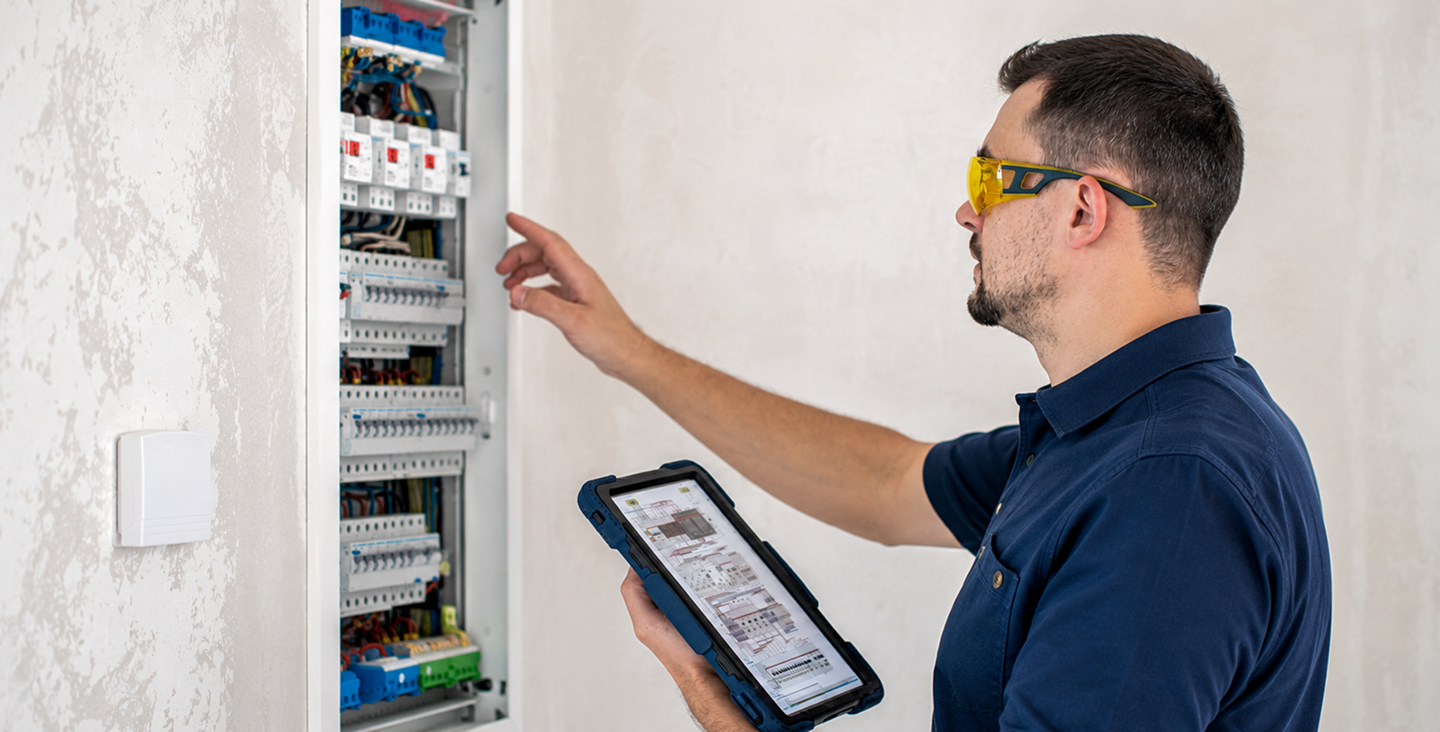
The building condition assessment is an extensive inspection and evaluation of a building’s systems, structure, and components. Engineers and inspectors assess roofs, walls, HVAC systems, electrical panels, plumbing, foundations, and other systems to determine their current operating condition, deficiencies, useful life, and whether repairs or replacements are needed. The final report includes photographs, estimated costs, and recommendations for remedial actions. This type of inspection is distinct from a basic property condition survey, as it goes beyond inspection to address capital planning and regulatory compliance. However, for commercial and industrial buildings, a building inspection process may take several days.
Difference Between Building Condition Assessment and Basic Property Condition Survey
The two terms are used synonymously, yet there are some differences. In the case of a property condition survey, it takes place when there is a need to do due diligence during a real estate transaction. This means that a lender or buyer needs a property condition survey to identify any hidden liabilities before completing a sale or purchase. In the case of a building condition assessment, it can be more about maintenance and future budgeting. However, both processes require similar methodologies, yet there will be some differences in the scope of work and final report formats. The property condition assessment covers issues such as environmental issues and compliance with regulations like the Americans with Disabilities Act, while a building condition survey pays more attention to the capital reserve study and deferred maintenance issues.
When is it Time to Undertake a Building Condition Assessment?
Time plays an important role in determining whether you should undertake a building condition assessment or not.
- Ensure that you do so when buying a new property in order to prevent buying something that may cost you a lot in the future. This process is usually required by lenders as part of the commercial loan underwriting process. It should be done by existing owners after every three to five years.
- Major improvements, renewing leases, or undertaking portfolio evaluation are also good reasons to carry out a building condition assessment.
- Increasing utility bills, maintenance issues, and complaints from tenants are other signs that you should consider.
Regulations have changed significantly in 2025 and 2026. So, to comply with the latest regulations and standards, a building condition assessment at regular intervals is crucial.
Our Building Condition Assessment Services from Prema Consulting Group
Prema Consulting Group provides building condition assessment services in the United States. Our licensed engineers and certified inspectors have years of experience in dealing with various commercial, industrial, and multi-family buildings. We conduct an assessment of the structure, mechanical equipment, roof, façade, compliance with accessibility requirements, and presence of hazardous substances. Every building assessment report we prepare comes complete with detailed findings, estimated costs, and a repair priority schedule according to your financial means. With sophisticated equipment, such as thermal imaging cameras, moisture meters, and drones, we find what other companies cannot see.
The Way in Which We Perform Building Condition Assessment: The Process
The first step in our inspection of buildings is a kickoff meeting where we outline the scope of work and the timelines and determine the client’s priority areas. This is followed by an examination of the premises and inspection of each of the accessible systems. Photographs are taken of defects, measurements are taken, and equipment is tested. In some cases, when dealing with complex systems, we conduct tests such as load testing, air quality testing, or even infrared scanning. We then analyze the information gathered, conduct research on the relevant codes, and estimate the cost of repairs based on the current market prices. A report is written that includes an executive summary, individual system results, and capital expenditure forecasts.
Why Hire Prema Consulting Group for Building Conditions Assessments?
You require an organization that can offer both engineering and commercial expertise. Prema Consulting Group offers both technical and practical services geared towards your satisfaction. Not only do we identify issues, but we also offer solutions to those identified problems. Prema’s reports are detailed, succinct, and customized depending on who the reader will be – lenders, boards of directors, or internal teams. The experts at Prema are knowledgeable about building codes for 2025 and 2026 and adhere to energy and safety standards at all times. Prema’s multidisciplinary team has expertise in structures, mechanics, electrical systems, and the environment under one roof.
Real-Life Benefits of Building Condition Assessment Services: A Case Study
A regional property management company was able to negotiate a credit of $200,000 in the process of property acquisition as a result of Prema’s building condition assessment services. A manufacturing company saved itself from a disastrous roof collapse as a result of the early warning of membrane deterioration provided through our services. Finally, a hospital complex created a ten-year capital plan for its facilities on the basis of Prema’s lifecycle analysis of their current condition. All of these results do not occur by accident. They are achieved by means of careful inspections, honest assessments, and sound advice. By engaging our consulting services, property owners, stakeholders, and asset managers will find a reliable advisor.
Conclusion
Investing in a property is one of the most important decisions in everyone’s life. So, whether it is your existing property, a property you are buying, or a building you are selling, a building condition assessment is a non-negotiable step. Because it saves property managers and stakeholders from future losses and hidden costs. Prema understands the significance of assessing property condition and therefore offers professional building condition assessments that combine technical expertise with practical guidance tailored to your building.



Our Related Services
Need Expert Forensic Engineering & Building Assessment Insights?
Get our accurate, evidence-based analysis to identify root causes, assess structural integrity, and make confident decisions.
Get in Touch →