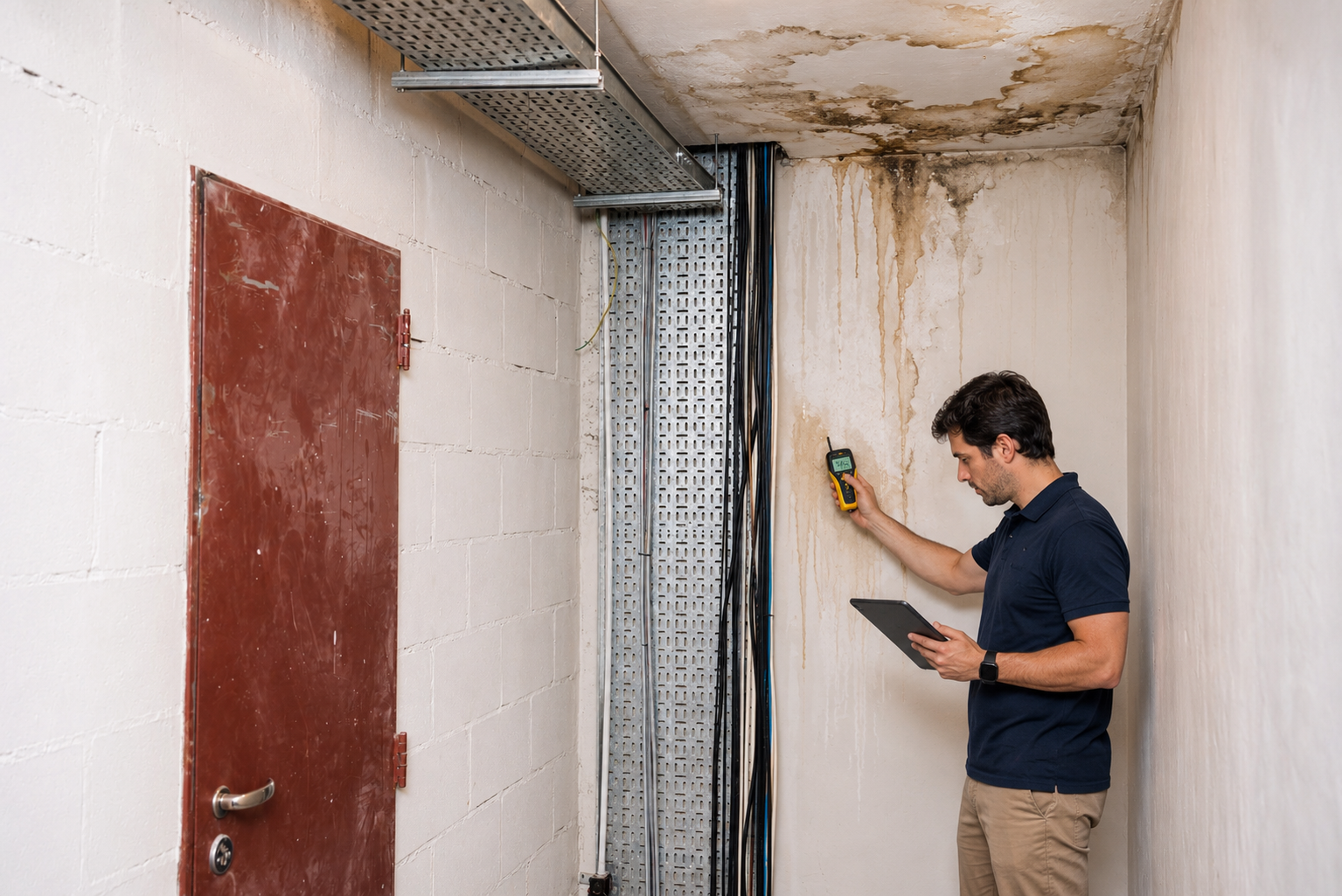

For condominium and cooperative boards, understanding milestone inspection Phase 1 vs Phase 2 helps with budgeting, resident communication and planning the work that may follow an inspection.
Phase 1 provides a visual structural assessment. Phase 2 is required when Phase 1 identifies substantial structural deterioration and provides further investigation of the affected conditions. [2]
The practical change for an association is the level of investigation and coordination required. A Phase 2 assignment may require targeted access, testing and a more detailed plan for evaluating distress. Boards should understand the findings before deciding how to organize follow-up work.
What Is the Purpose of a Florida Milestone Inspection?
A Florida-authorized architect or engineer performs the structural inspection; a team may work under a registered design professional in responsible charge. The purpose is not a building-code or firesafety-code compliance review. [1]
Confirm your building’s inspection requirements and schedule with the local enforcement agency. This article focuses on the differences between the two phases rather than the full eligibility and age-based deadline framework.
Phase 1 vs Phase 2 at a Glance
| Consideration | Phase 1 | Phase 2 |
| Inspection approach | Visual structural assessment | Further assessment, with testing as appropriate |
| When it applies | Initial milestone inspection phase | Required when Phase 1 identifies substantial structural deterioration |
| Association preparation | Records and inspection access | Additional access and testing coordination as needed |
| Follow-up planning | Review findings and recommendations | Clarify investigation, repair and monitoring next steps |
The statutory phase distinction is described in Section 553.899 and DBPR guidance. Association preparation needs depend on the actual assignment. [1, 2]
What Happens During Phase 1?
Phase 1 involves a visual examination of habitable and nonhabitable areas, including major structural components, and a qualitative assessment of structural conditions. [1]
Before the site visit, provide the inspection team with available records and explain known building concerns. Useful information includes:
- Structural drawings and previous inspection reports
- Maintenance records and repair documentation
- Locations of recurring leaks, corrosion or cracking
- Access restrictions and concealed structural areas
- Photographs showing changes over time
Ask the inspector which spaces must be accessed and how limitations will be documented. Arrange entry with residents, staff and other building owners where necessary.
After the inspection, review the report with the professional. Clarify which recommendations concern maintenance, which require additional investigation and whether Phase 2 is required.
What Triggers Phase 2?
Phase 2 requires substantial structural deterioration identified during Phase 1: substantial distress or weakness negatively affecting structural condition and integrity. Surface imperfections qualify only if the inspector determines they indicate that deterioration. [1]
Boards should avoid interpreting a photograph or individual symptom as a definitive finding. Ask the inspector to explain the structural significance, affected areas and reasons for the recommended investigation.
For example, if concrete distress is reported near a balcony connection, useful questions include what is known about the affected materials, what remains concealed and what information would help evaluate the connection. The specific findings determine the appropriate investigation.
What Changes During Phase 2?
Phase 2 may include destructive or nondestructive testing at the inspector’s direction. [2]
The association should request a clear investigation plan addressing:
- The technical questions the work will resolve
- Proposed investigation locations and access needs
- Potential disruption to residents and operations
- Responsibilities for opening and restoring finishes
- Specialist involvement where needed
- Deliverables and the anticipated investigation schedule
Testing should answer defined questions. Discuss how each proposed method will help evaluate the observed distress and how findings may affect subsequent recommendations.
Inspection, repair design and construction are separate project tasks. Clarify which services are included in the engagement and which will require additional scope or coordination.
Reports and Timing for Each Phase
Phase 1 must be completed by report submission to the local agency within 180 days after owners receive its written inspection notice. If Phase 2 is required, the professional must submit a progress report with a completion timeline within 180 days after submitting the Phase 1 report. This is not a universal Phase 2 completion deadline. [1]
Completed inspections produce a signed, sealed report and a separate summary. Report findings address structural deterioration, unsafe or dangerous conditions, repair recommendations and further inspection needs. Associations must distribute the summary within 45 days, post it conspicuously and publish the report and summary online when a website is required. [2]
Create a calendar that distinguishes inspection, reporting, owner communication and repair milestones. Confirm local procedures and required delivery methods rather than using the date of the site visit as the completion date.
Does Phase 1 Eliminate the Need for Repairs?
If no signs of substantial structural deterioration are found, Phase 2 is not required. Maintenance or repair recommendations can still result from Phase 1. [2]
Review every recommendation and record the responsible party, next action and proposed schedule. A finding that does not require Phase 2 still deserves an appropriate response.
Use the report to guide technical discussions with the inspection professional. Avoid describing it as a guarantee that every concealed condition has been evaluated.
What Associations Should Do After Phase 2
Repairs addressing substantial structural deterioration must commence within 365 days after receipt of the Phase 2 report; local requirements may be earlier. [2]
Meet with the inspection team to understand the recommended response. Identify the need for repair design, permits, contractor coordination or further evaluation. Address any urgent conditions promptly through the appropriate professionals and local authority.
Maintain an action record containing:
- Findings and associated recommendations
- Required submissions and communications
- Design and permitting responsibilities
- Repair milestones and supporting documentation
- Any follow-up evaluation or inspection needs
This gives future board members and managers a usable record of what was recommended and what was completed.
How Prema Supports Phase 1 and Phase 2 Milestone Inspections
Prema helps associations understand the engineering scope of Phase 1 and, where required, Phase 2 milestone inspections and the documentation or follow-up that may result from the findings.
At the start of an assignment, discuss the building’s inspection status, existing records and access arrangements. Clear expectations help boards coordinate the investigation and communicate the resulting next steps.
Primary Sources and Update Information
Requirements reviewed October 7, 2026. Verify current definitions, triggers, professional requirements and local procedures immediately before publication and during future updates.
[1] Florida Legislature, Section 553.899, Florida Statutes
https://www.leg.state.fl.us/Statutes/index.cfm?App_mode=Display_Statute&URL=0500-0599/0553/Sections/0553.899.html
[2] Florida Department of Business and Professional Regulation, Inspections
https://condos.myfloridalicense.com/inspections/
Discuss Your Milestone Inspection Needs
Prema supports Florida condominium and cooperative associations with qualified milestone inspection services, clear documentation and guidance on appropriate next steps within the project scope.
Frequently Asked Questions
Is Phase 2 required for every milestone inspection?
−No. Phase 1 findings determine whether Phase 2 is required. Review the inspector's conclusion and recommendations before planning further work.
Does every crack mean the building needs Phase 2?
+No. The inspector evaluates the significance of observed cracking in context. An individual symptom alone does not establish the required next step.
Does Phase 2 always involve opening walls or finishes?
+Testing and access needs depend on the conditions being investigated. Ask the professional to explain proposed methods and restoration arrangements before work begins.
What should the board ask when comparing proposals?
+Ask about qualifications, inspection scope, access, testing assumptions, deliverables and schedule. Clarify any separate scope for further investigation or repair design.
Our Related Services
Need Expert Forensic Engineering & Building Assessment Insights?
Get our accurate, evidence-based analysis to identify root causes, assess structural integrity, and make confident decisions.
Get in Touch →