
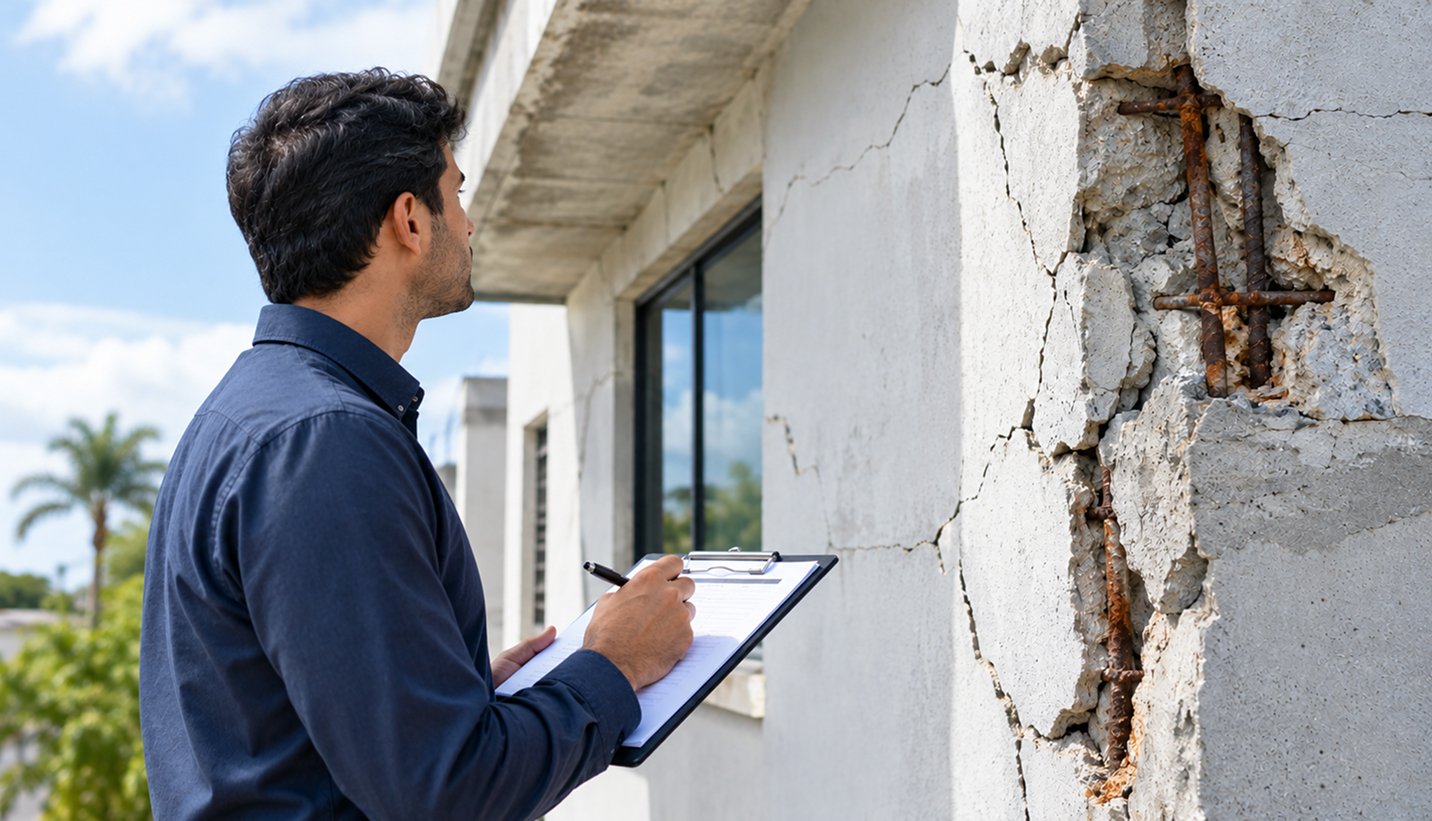
Indicators of Structural Damage That Warrant Engineering Evaluation in a Property Claim
7 Signs of Structural Damage that Warrant Engineering Evaluation in a Property Claim
Structural damage evaluations often require more than a visual observation of surface conditions. For claims professionals handling complex property losses, identifying potential structural concerns early can help determine when an engineering evaluation may be appropriate.
Structural conditions can develop from a variety of factors, including storm events, long-term deterioration, environmental exposure, construction conditions, settlement, and material performance issues.
An engineering evaluation helps assess observed conditions, document findings, and determine the technical significance of reported damage.
Why Structural Damage Indicators Require Careful Evaluation
Not every crack, movement, or visible defect indicates a structural concern. Building components naturally experience changes over time due to materials, environmental conditions, and normal performance.
However, certain indicators may warrant further engineering review, particularly when they involve:
- Structural movement
- Progressive deterioration
- Significant cracking patterns
- Corrosion of structural components
- Storm-related impacts
- Foundation or settlement concerns
A forensic engineering evaluation can help distinguish between conditions that are cosmetic, maintenance-related, or potentially structural in nature.
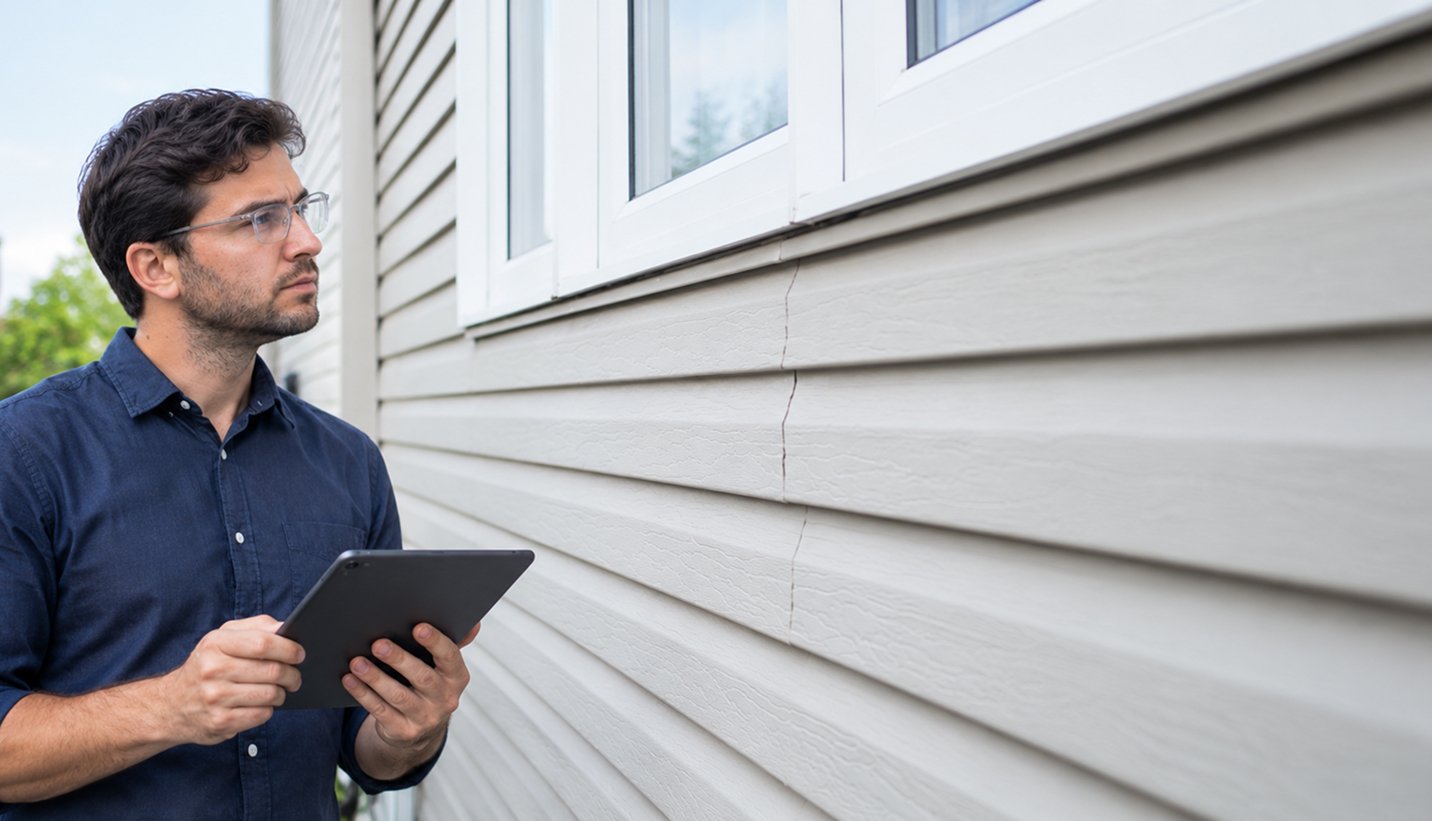
1. Significant or Developing Cracking Patterns
Cracks are among the most common indicators observed during property damage investigations. However, the location, size, pattern, and progression of cracking are important factors in determining significance.
Examples of cracking that may require engineering evaluation include:
- Cracks that continue to expand over time
- Cracks associated with structural components
- Horizontal or diagonal cracking patterns
- Cracking accompanied by movement or displacement
- Cracking following a significant storm event
Engineers evaluate cracking in context with the overall building condition, construction type, and available information.
2. Visible Structural Movement or Displacement
Movement in structural elements may indicate that additional evaluation is needed.
Potential indicators include:
- Uneven floors
- Misaligned doors or windows
- Visible displacement of structural components
- Separation between building elements
- Changes in alignment after a reported event
An engineer may evaluate whether observed movement is consistent with normal building behavior or whether additional investigation is appropriate.
3. Foundation Settlement or Differential Movement
Settlement can occur in many buildings due to soil conditions, drainage issues, construction factors, or other influences.
Potential indicators include:
- Uneven settlement across portions of a structure
- Separation at walls or building connections
- Cracking associated with foundation movement
- Changes in floor elevations
In Florida properties, soil conditions, moisture variations, drainage patterns, and construction characteristics can be relevant factors when evaluating settlement-related concerns.
A forensic engineering assessment considers observed conditions along with available property information to evaluate the significance of movement.
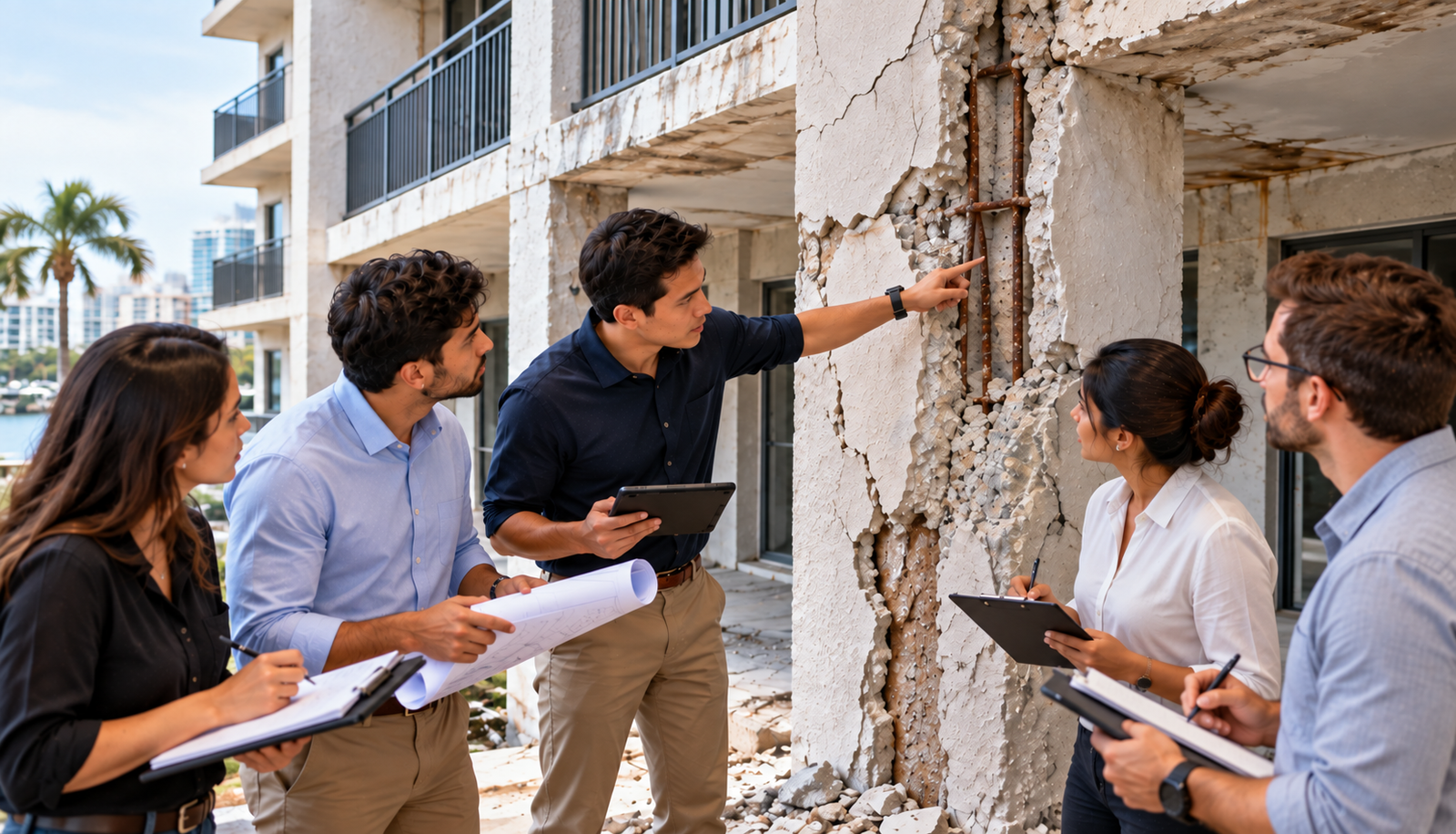
4. Corrosion of Structural Components
Florida’s environmental conditions can create challenges for certain building materials, particularly in coastal and high-humidity environments.
Potential corrosion-related concerns may involve:
- Reinforced concrete components
- Steel framing elements
- Metal connections and fasteners
- Exposed structural components
Coastal exposure, salt air, moisture intrusion, and long-term environmental conditions can contribute to corrosion processes.
An engineering evaluation can help document the extent of observed deterioration and assess its potential impact on structural components.
5. Storm-Related Structural Impacts
Florida properties may experience exposure to severe weather events, including high winds, heavy rainfall, and storm-related forces.
Following a storm event, claims professionals may encounter conditions such as:
- Damage to structural framing components
- Displacement of building elements
- Impact-related damage
- Roof-to-wall connection concerns
- Moisture-related effects associated with building openings
A forensic engineer evaluates the observed conditions, available documentation, and relevant building characteristics to provide technical findings regarding the damage observed.
6. Deterioration of Structural Materials
Over time, building materials may experience deterioration due to environmental exposure, aging, maintenance conditions, or other contributing factors.
Examples may include:
- Concrete deterioration
- Material degradation
- Loss of protective coatings
- Deterioration at connections or attachments
The presence of deterioration does not automatically indicate structural failure. Engineering evaluation helps determine the condition and significance of the observed materials.
7. Changes Following a Reported Damage Event
A property condition that changes after a specific event may require technical evaluation.
Claims professionals may consider engineering review when there are reports of:
- New cracking after a storm
- New movement or displacement
- Changes in structural alignment
- Increased deterioration following water exposure
- Concerns regarding building performance after an incident
An engineer can document current conditions and evaluate relevant factors associated with the reported loss.
Florida-Specific Considerations in Structural Damage Evaluations
Florida properties can present unique evaluation considerations due to:
- Coastal exposure
- Humidity and moisture conditions
- Storm activity
- Building age and construction methods
- Material deterioration over time
For example, corrosion concerns may be more relevant in coastal environments, while storm-related evaluations may require consideration of wind exposure, water intrusion, and affected structural systems.
A qualified forensic engineering evaluation considers the specific property, observed conditions, and available information rather than relying on general assumptions.
When Should Claims Professionals Request a Structural Engineering Evaluation?
An engineering evaluation may be appropriate when a claim involves questions regarding:
- The significance of observed damage
- Potential structural involvement
- Extent of deterioration
- Building movement or displacement
- Complex damage conditions
- Technical interpretation of property conditions
Early engineering involvement can provide documented technical information to support the claim evaluation process.
Supporting Property Claims With Forensic Engineering Analysis
Structural damage investigations require careful observation, technical analysis, and clear documentation.
Prema evaluates movement, cracking, corrosion, and deterioration to determine structural significance and support technically grounded damage evaluation.
By applying forensic engineering methods and documenting observed conditions, Prema Consulting Group assists claims professionals with complex property damage investigations throughout Florida.
Frequently Asked Questions
What are common signs of structural damage?
Common indicators may include significant cracking, structural movement, settlement concerns, corrosion, deterioration, and damage following a major event such as a storm.
Does every crack indicate structural damage?
No. Cracks can occur for many reasons, including normal material behavior, environmental conditions, and construction-related factors. Engineering evaluation may be needed to determine the significance of specific conditions.
Why is structural engineering evaluation important for property claims?
A structural engineering evaluation provides technical assessment of observed conditions and helps document findings related to potential structural concerns.
What Florida conditions can affect structural evaluations?
Florida evaluations may consider factors such as coastal exposure, moisture conditions, storm impacts, corrosion, building age, and construction characteristics.
Discuss an Assignment with Our Forensic Engineering Team
Prema evaluates movement, cracking, corrosion, and deterioration to determine structural significance and support technically grounded damage evaluation.
Our forensic engineering team provides claims professionals with documented investigations and clear technical reporting for complex property damage conditions.
Contact Prema to discuss a structural damage evaluation assignment.
Recent Blogs



Our Related Services
Need Expert Forensic Engineering & Building Assessment Insights?
Get our accurate, evidence-based analysis to identify root causes, assess structural integrity, and make confident decisions.
Get in Touch →