
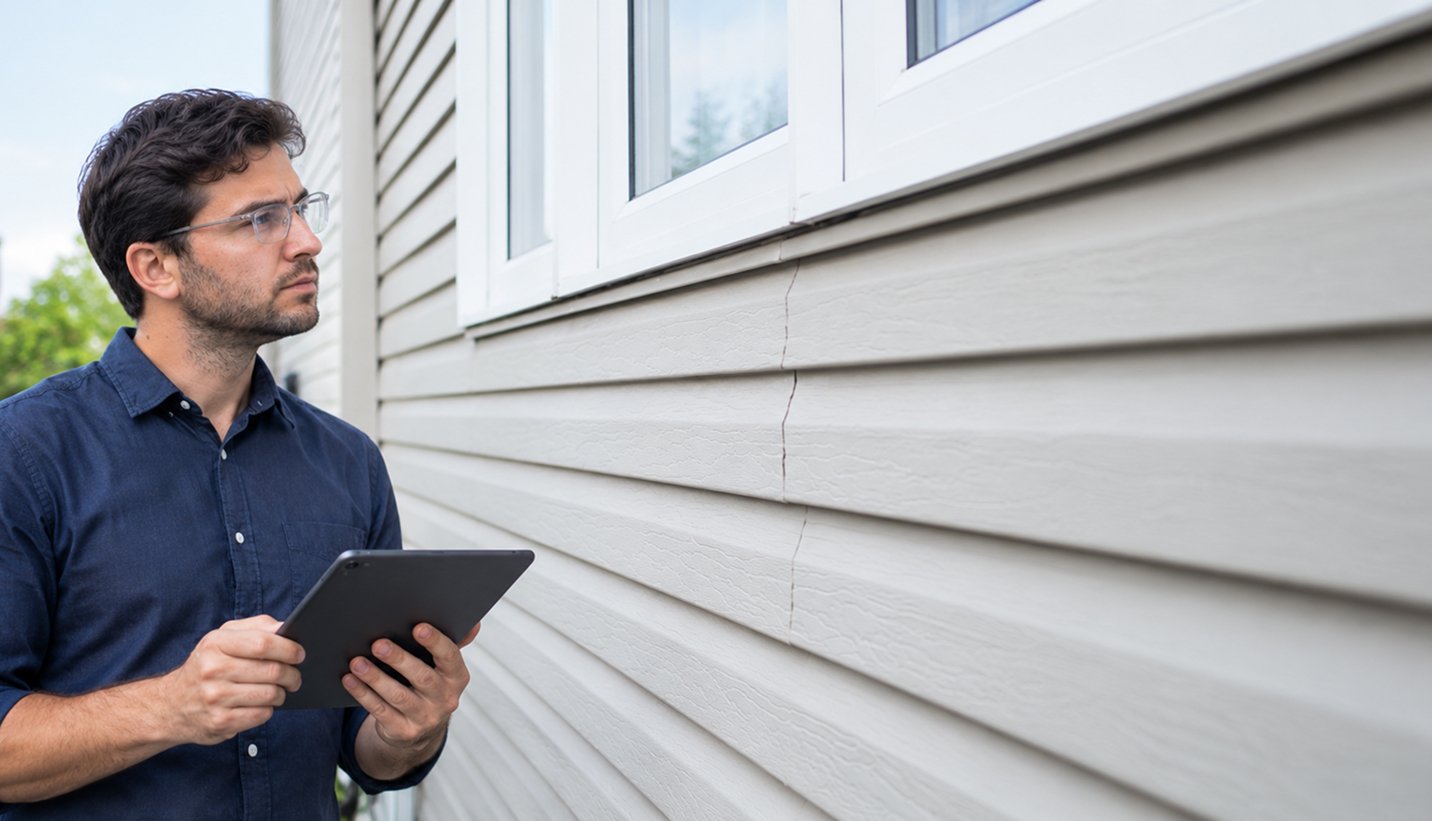
How Structural Failure Analysis Works in a Property Damage Investigation
Structural failures require careful technical evaluation to understand what occurred, how building components performed, and what factors may have contributed to the observed conditions.
For claims professionals handling complex property damage investigations, structural failure analysis provides an engineering-based process for evaluating damaged systems through field observations, technical analysis, and documented findings.
A forensic engineering evaluation does not rely on a single observation. Instead, engineers analyze multiple sources of information to develop a complete understanding of the structural condition and the factors involved.
What Is Structural Failure Analysis?
Structural failure analysis is the process of evaluating damaged or compromised structural systems to understand their condition, performance, and contributing factors.
The process may involve:
- Reviewing available documentation
- Inspecting affected areas
- Evaluating structural components and connections
- Analyzing forces and load paths
- Assessing material conditions
- Performing testing when appropriate
- Developing documented engineering conclusions
The objective is to provide a technically supported evaluation based on observed conditions and available information.
Step 1: Review Available Information and Project History
Before conducting fieldwork, engineers often review information related to the property and reported damage.
This may include:
- Building plans and drawings
- Previous inspection records
- Repair documentation
- Maintenance information
- Photographs or videos
- Reports from other professionals
- Information regarding the reported event
Understanding the background of the property helps establish context for the engineering investigation.
A building’s age, construction type, modifications, and previous conditions may all be relevant when evaluating structural performance.
Step 2: Conduct a Detailed Field Investigation
The field investigation is a critical part of the structural failure analysis process.
Engineers document observed conditions through:
- Visual examination
- Measurements
- Photographs
- Component evaluation
- Condition mapping
- Review of affected areas
The investigation focuses on identifying evidence related to the structural condition, including:
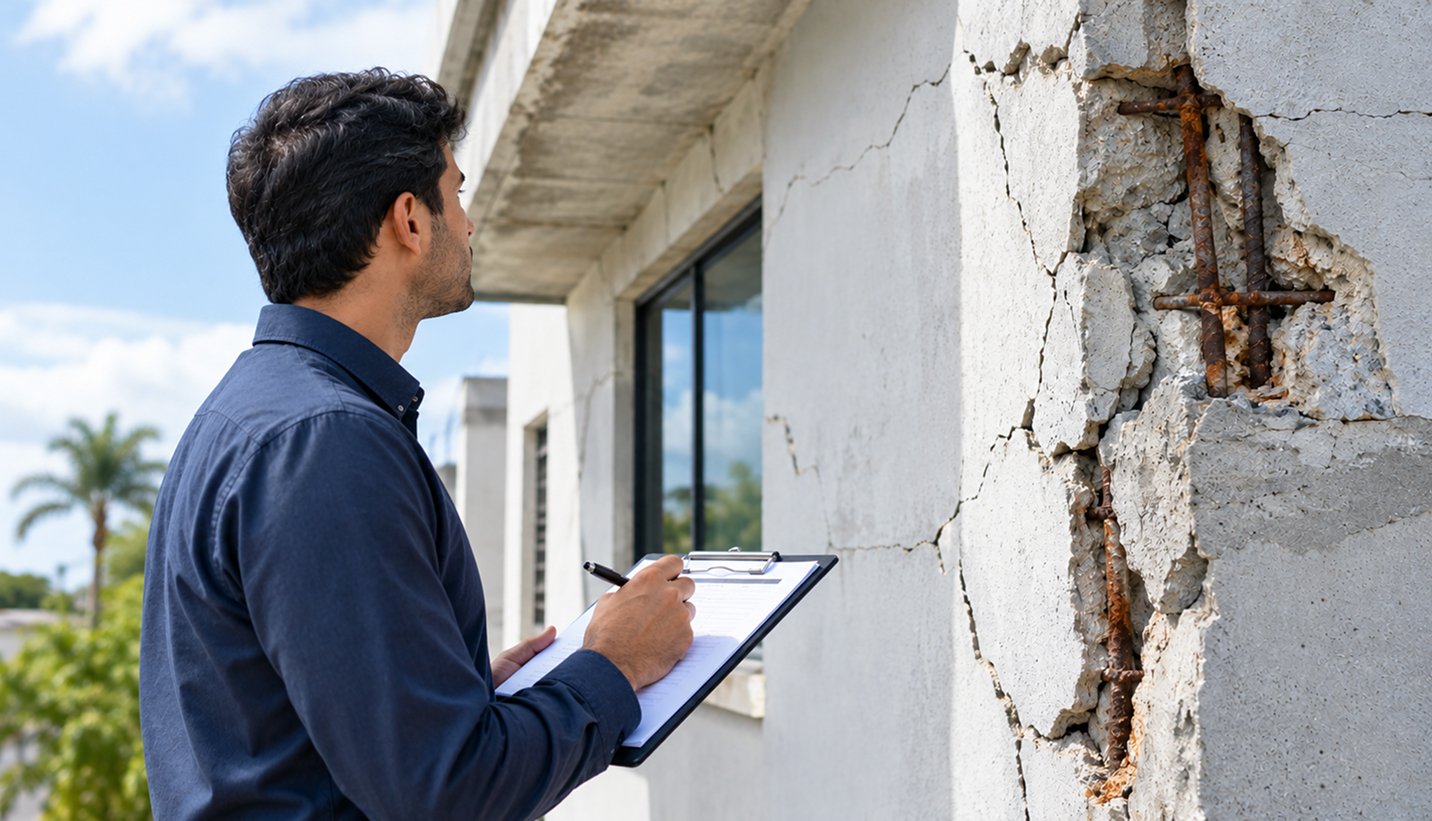
- Cracking patterns
- Material deterioration
- Displacement
- Deformation
- Connection conditions
- Signs of overstress or distress
Field evidence provides the foundation for further engineering analysis.
Step 3: Evaluate Structural Load Paths
Understanding how forces move through a structure is an important part of structural failure analysis.
A load path describes how structural forces transfer through building components, including:
- Roof systems
- Beams and columns
- Walls
- Connections
- Foundations
Engineers evaluate whether structural components are performing as expected and whether observed conditions may indicate changes in structural behavior.
For example, a storm-related investigation may require evaluation of how wind forces interacted with building components and connections.
Step 4: Analyze Material Conditions
Materials play an important role in structural performance.
Structural failure analysis may involve evaluating:
- Concrete conditions
- Steel components
- Wood framing
- Fasteners and connections
- Protective coatings
- Signs of deterioration
Material conditions may be affected by factors such as:
- Environmental exposure
- Moisture
- Corrosion
- Aging
- Construction conditions
In Florida properties, factors such as humidity, coastal exposure, and salt-air environments may be considered when evaluating deterioration-related conditions.
Step 5: Perform Testing When Appropriate
Depending on the assignment, additional testing may be used to support the engineering evaluation.
Potential evaluation methods may include:
- Material testing
- Moisture assessment
- Specialized inspections
- Non-destructive testing methods
- Additional engineering analysis
Testing is selected based on the specific questions involved and the information needed to evaluate the observed conditions.
Not every structural investigation requires testing. The appropriate approach depends on the property, damage conditions, and available evidence.
Step 6: Develop Engineering Analysis and Findings
After collecting field observations and supporting information, engineers analyze the available evidence.
The analysis may consider:
- Observed damage patterns
- Structural behavior
- Material performance
- Building configuration
- Environmental factors
- Available historical information
The findings are developed through documented engineering reasoning supported by the evidence available during the investigation.
Step 7: Prepare a Clear Technical Report
A structural failure analysis report should clearly communicate the investigation process and findings.
A technical report may include:
- Assignment scope
- Information reviewed
- Investigation methods
- Observed conditions
- Engineering analysis
- Supporting documentation
- Findings and limitations
For claims professionals, clear reporting helps provide a technical record of the engineering evaluation.
Common Causes Evaluated During Structural Failure Analysis
Structural failures can involve multiple contributing factors.
Engineering investigations may evaluate conditions related to:
Design and Construction Factors
Examples may include:
- Original design considerations
- Construction methods
- Material selection
- Installation conditions
Environmental Exposure
Examples may include:
- Storm impacts
- Moisture exposure
- Corrosion
- Coastal conditions
Aging and Deterioration
Examples may include:
- Material degradation
- Long-term wear
- Maintenance-related conditions
Structural Loading Conditions
Examples may include:
- Changes in loading
- Component performance
- Connection behavior
A forensic engineer evaluates the available evidence to understand the relationship between observed conditions and structural performance.
Why a Documented Engineering Process Matters in Property Claims
Structural failure investigations can involve complex technical questions. A structured evaluation process helps ensure that findings are based on documented observations and engineering analysis.
For claims professionals, a thorough structural failure analysis can provide:
- Clear documentation of conditions
- Technical understanding of structural behavior
- Support for claim evaluation decisions
- A reliable engineering record
Supporting Structural Failure Investigations With Forensic Engineering
Structural failure analysis requires experience in field investigation, engineering evaluation, and technical documentation.
Prema investigates structural failures using field evidence, load-path analysis, material evaluation, testing where appropriate, and documented technical reasoning.
By applying a disciplined forensic engineering process, Prema supports claims professionals evaluating complex structural damage conditions.
Frequently Asked Questions
What is structural failure analysis?
Structural failure analysis is an engineering process used to evaluate damaged structural systems, identify relevant conditions, and understand factors affecting structural performance.
What information is reviewed during structural failure analysis?
Engineers may review construction documents, photographs, inspection records, repair information, maintenance history, and field observations.
Does structural failure analysis always require testing?
No. Testing is considered based on the specific assignment requirements, observed conditions, and information needed to support the engineering evaluation.
Why is load-path analysis important in structural investigations?
Load-path analysis helps engineers understand how forces move through structural components and evaluate whether the system is performing as expected.
Discuss an Assignment with Our Forensic Engineering Team
Prema Consulting Group investigates structural failures using field evidence, load-path analysis, material evaluation, testing where appropriate, and documented technical reasoning.
Our forensic engineering team provides claims professionals with objective structural evaluations and clear technical reporting for complex property damage investigations.
Contact Prema to discuss a structural failure analysis assignment.
Recent Blogs




Our Related Services
Need Expert Forensic Engineering & Building Assessment Insights?
Get our accurate, evidence-based analysis to identify root causes, assess structural integrity, and make confident decisions.
Get in Touch →