

Complete Guide to Forensic Engineering Investigations
Introduction
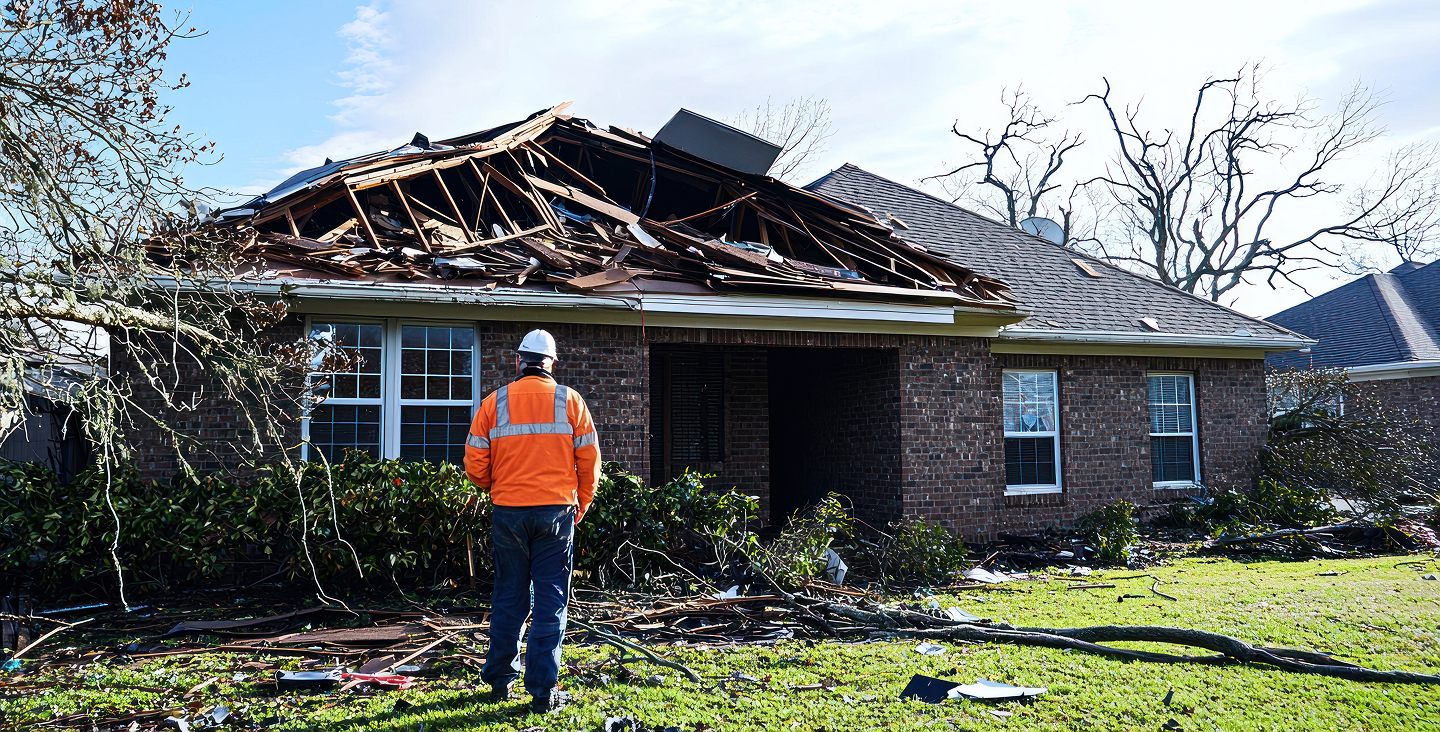
Whether a structure collapses, a piece of equipment breaks down, or some defects in the construction occur causing damage, determining how it happened becomes essential. In such cases, forensic engineering investigations become very important.
Forensic engineering investigation helps in understanding the underlying cause of the failure of structures, infrastructure, mechanical structures, or any other engineered asset. With their technical skills, scientific analysis, and field inspection, forensic engineers offer great insights.
In Prema Consulting Group, the process of forensic engineering investigation is done systematically to determine the cause and liability of the event and prevent the risks in future.
Forensic Engineering Investigations – What Are They?
Forensic engineering investigations consist of an investigation of any failure, accident, defect, or poor performance to discover the reasons for it.
The main purpose is to prove what happened based on evidence analysis and not on speculation. The investigations are usually carried out to examine:
- Structural failures
- Defects in buildings
- Disputes concerning construction
- Failures of mechanical equipment
- Damages due to fire and explosions
- Damages due to water leakage
- Foundation movement
- Performance problems of materials
The investigation results are clearly presented in forensic reports.
Why Do Forensic Engineering Investigations Matter?
Failures in engineering can lead to monetary losses, safety hazards, and even legal conflicts. Conducting an investigation ensures that all relevant parties have an understanding of the complete situation.
Advantages of Forensic Engineering Investigation:
- Determination of Root Cause of Failure
- Investigators identify the actual cause of the failure and not just its symptoms.
- Aiding Insurance Claims
- Investigation results help insurance companies review their claims objectively.
- Serving Legal Processes
- Opinions and results of forensic investigations are usually very important in legal processes.
- Designing better engineering structures for the future
The Procedure of Forensic Engineering Investigations
Case Review
The case is investigated based on the following sources of information:
- Incident reports
- Documents on construction
- Drawings from design
- Maintenance documentation
- Photos
- Statements from witnesses
This data serves as the core basis for the investigation.
Site Inspection
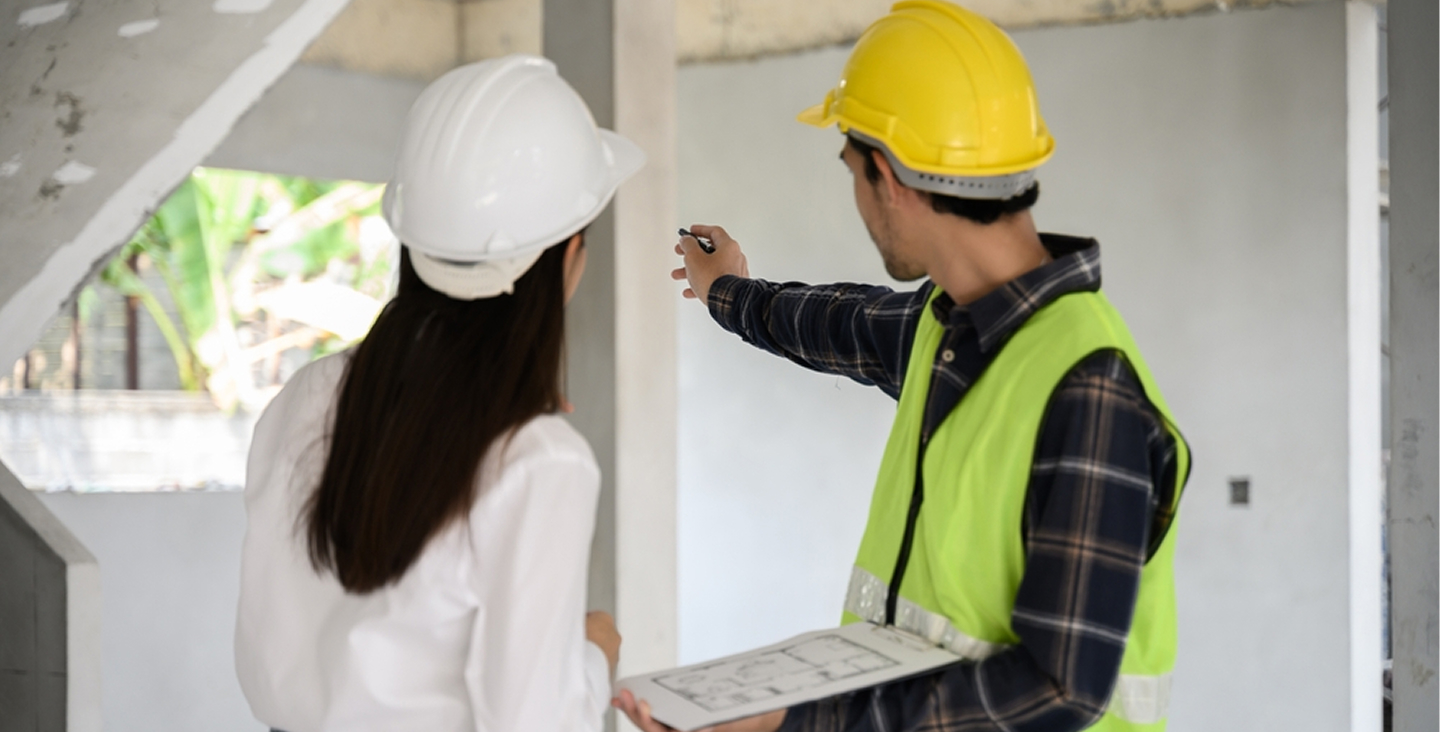
Site inspection allows engineers to document all the necessary information themselves.
In the course of site inspection, engineers can:
- Take measurements of the structure
- Make photos of damage patterns
- Take samples
- Study environmental conditions
- Inspect places of failures
Evidence Collection
The preservation of evidence forms a critical component in any forensic engineering study.
Evidence includes:
- Concrete samples
- Steel parts
- Soil samples
- Mechanical parts
- Building materials
Documenting findings in an appropriate manner ensures their accuracy and validity.
Engineering Failure Analysis
The subsequent step entails the process of engineering failure analysis.
Engineers analyze:
- Design faults
- Construction mistakes
- Material flaws
- Environmental effects
- Maintenance mistakes
- Operational mistakes
Advanced techniques and engineering mathematics are frequently utilized in the validation process.
Tests and Laboratory Analysis
In many instances, laboratory analysis helps support field investigations.
Some common laboratory tests include:
- Strength test of the material
- Corrosion test
- Metallurgical test
- Petrographic analysis of concrete
- Geotechnical test
These tests deliver scientific support to the findings of the investigation.
Cause Analysis
Once all pieces of evidence are analyzed, the engineers determine:
- Root cause
- Secondary cause
- Contributing cause
The aim is to find out the reasons for the failure.
Preparing Forensic Reports
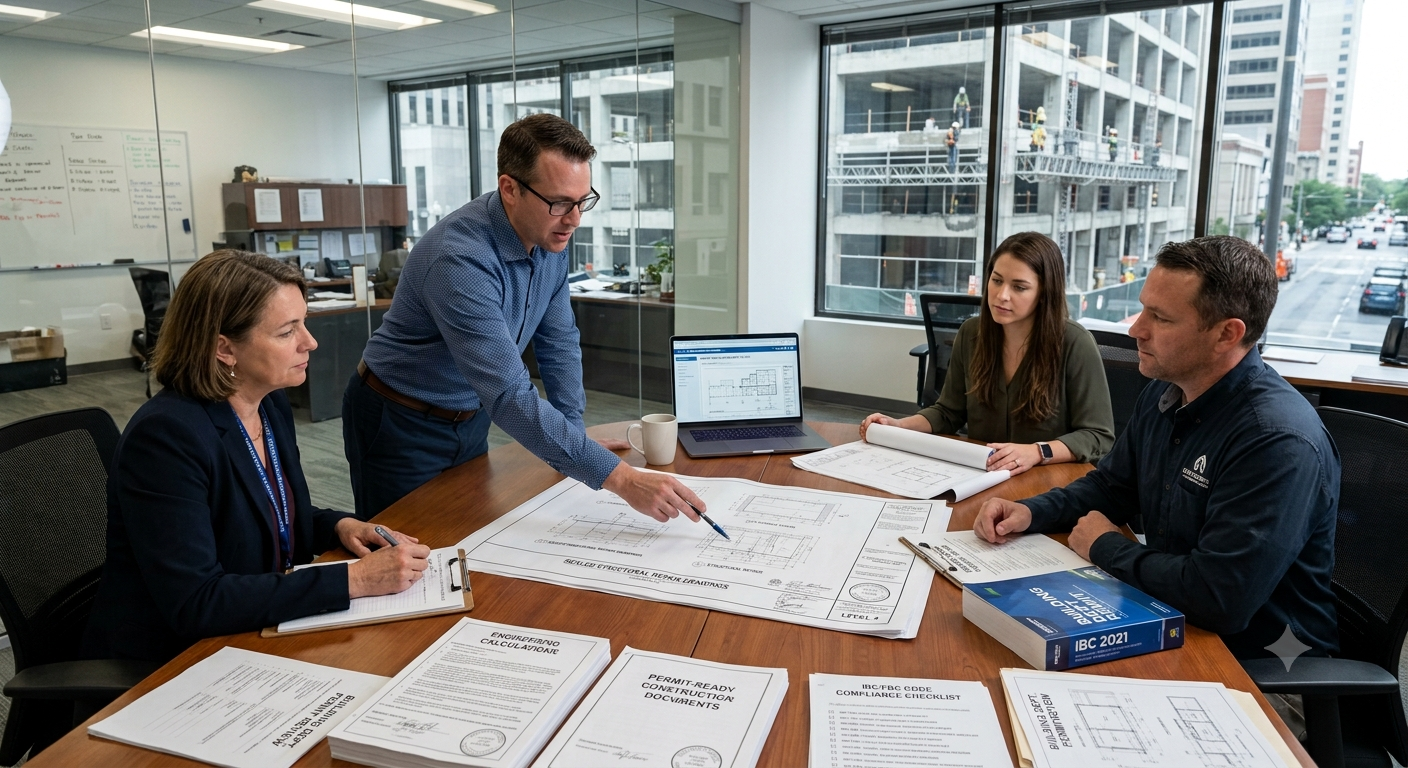
The findings are then compiled in thorough forensic reports.
A typical forensic report includes:
- Background
- Site inspection
- Engineering analysis
- Testing results
- Findings
- Recommendations by experts
Well-written forensic reports clearly convey technical information.
Common Types of Engineering Failures that Forensic Engineers Examine
Different types of structural failures that are examined under forensic engineering investigations include:
- Building failures
- Roof failures
- Wall failures
- Cracking problems
- Foundation Problems
Also, forensic engineers inspect diverse issues like:
- Foundation settlement
- Movement in soil
- Distressed foundation
- Construction Defects
The major causes behind the structural defects issues that are found with engineering failure analysis are:
- Poor workmanship
- Installation of material
- Code violation of buildings
- Failures in Mechanical Systems
The forensic reports clearly mention the root causes of certain events like:
- Failure of equipment
- Defect in manufacture
- Fatigue of the component
- Water Ingress Failures
Among a wide range of building issues, water-related engineering failures especially need extensive forensic examination.
Challenges in Forensic Engineering Investigation
Not all investigations are that simple for engineers. Some of the common challenges faced by forensic engineers include:
- Lack of documentation
- Tampered evidence
- Decayed structures
- Various factors affecting the investigation
- Environmental impact
However, skilled investigators use technical tactics and scientific methods to resolve such issues.
How Forensic Reports Assist in Decision-Making
Forensic reports prepared by professionals serve as an important source of information for different entities.
Building Owners
To understand their requirements for repairs and future prevention of problems.
Insurance Companies
To assess claims using objective technical information.
Lawyers
For backing up their claims using professional analysis.
Construction Companies and Developers
To improve their building processes and avoid future problems.
Selecting a Forensic Engineering Partner for Your Needs
When selecting an established forensic engineering company, it is important to take into consideration that your decision will have an impact on the investigation results.
It should have:
- Wide multi-disciplinary expertise
- Experience of carrying out investigations
- Good technical knolwedgge and qualifications
- Reporting practices
- Strong litigation support
Prema Consulting Group provides you with full forensic engineering investigations supported by excellent technical capabilities and forensic engineering failure analysis.
Conclusion
Forensic engineering investigations are vital to determining the cause of failure in structures, machinery, and construction. By conducting inspections, collecting evidence, performing engineering failure analysis, laboratory testing, and writing forensic reports, such investigations are geared towards providing solutions to issues of dispute or claims.
In the case of any problem from a building, machinery, or structural issue, engaging experts like those at Prema Consulting Group will guarantee accurate and professional forensic investigations.
FAQs
Forensic engineering investigation involves the examination of the failures, accidents, and defects and determining the causes behind them with the help of engineering and scientific methods.
Engineering failure analysis aims to uncover the cause of a failure of a structure, a system, or a component and avoid similar situations in the future.
Property owners, insurers, lawyers, contractors, developers, and government institutions usually hire forensic engineering specialists.
A forensic report usually includes site observations, evidence, engineering analysis, findings, conclusions, and recommendations.
It usually depends on the complexity of the case. However, most investigations may take from a couple of weeks to several months.
Yes, forensic engineers regularly serve as expert witnesses and help legal processes with their technical conclusions.
Structural failures, construction problems, foundation issues, equipment failures, fire damage, and moisture-related issues may require a forensic examination.
Forensic engineers can conduct site inspections, evidence gathering, testing, document review, and failure analysis to find out what is causing a failure.
The objective forensic report will help your insurance company estimate damages and find out the causes of a failure.
You should choose Prema Consulting Group because we provide professional forensic engineering investigation, failure analysis, and forensic reports.



Our Related Services
Need Expert Forensic Engineering & Building Assessment Insights?
Get our accurate, evidence-based analysis to identify root causes, assess structural integrity, and make confident decisions.
Get in Touch →