

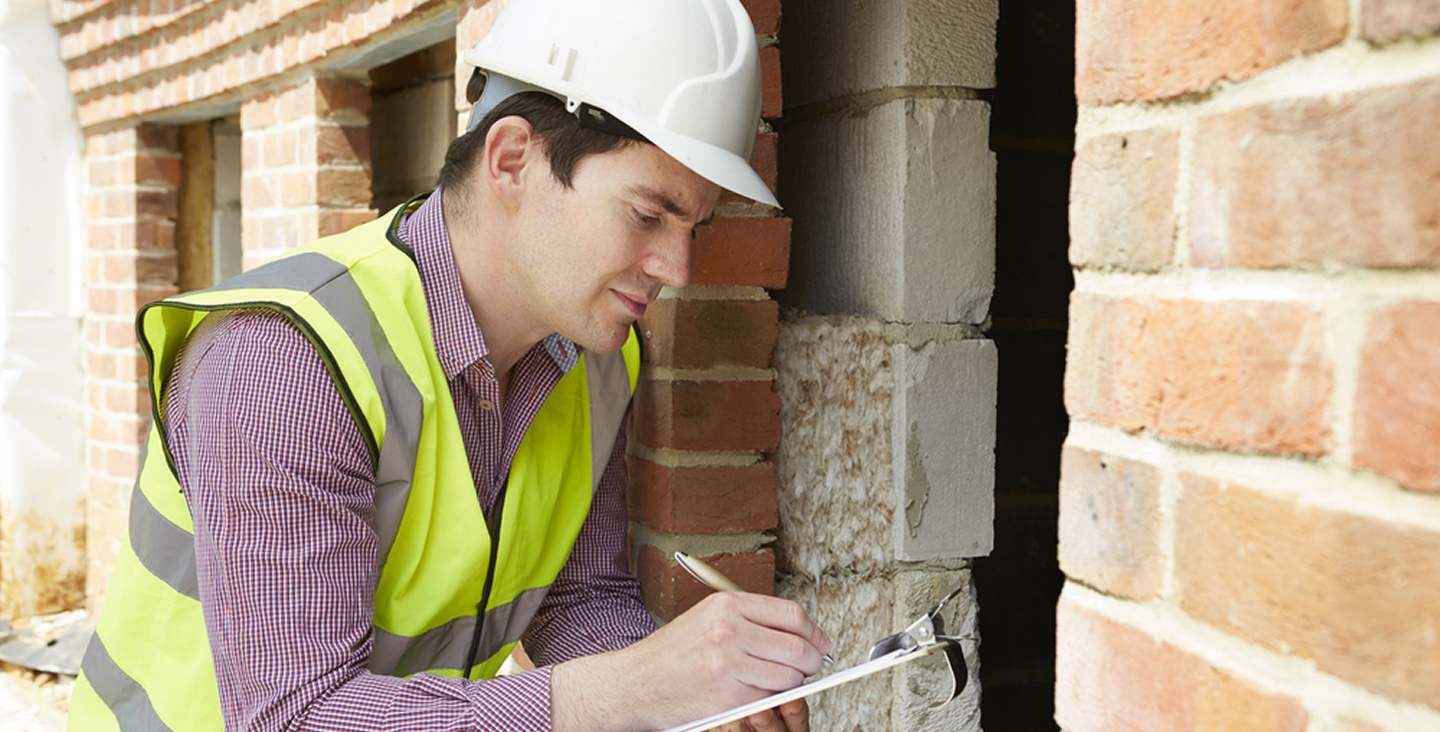
Understanding Building Recertification Requirements
Florida’s scenic coastline is not without consequence. While the views are breathtaking, the region’s climate can accelerate structural wear, making regular assessments not just recommended but essential. In certain Florida counties, most notably Miami-Dade and Broward, local ordinances require periodic building recertification inspections. These local programs are separate from the statewide Milestone Inspection requirements under Florida Statute Section 553.899.
This blog provides a clear overview of building recertification and what stakeholders must know to remain compliant and mitigate future risk.
What is Building Recertification?
Building recertification is a formal process that evaluates aging structures to verify their ongoing structural and electrical safety, as per Bill 4-D’s continued safe use requirements. These assessments must be conducted by licensed engineers or architects, who issue official reports to confirm the building’s condition. Building Recertification Services help ensure that structures remain fit for occupancy, despite age or environmental exposure. In counties like Miami-Dade and Broward, where recertification programs are mandated by ordinance, structural and electrical evaluations are critical to identifying risks early and planning corrective actions before failures occur.The Concerned Entities:
While statutory requirements vary by municipality, the responsibility for building recertification generally falls on:- Homeowners’ & Condominium Associations: To coordinate inspections, allocate budgets, and manage any repair timelines.
- Property Owners & Facility Managers: To initiate inspections and engage qualified professionals.
- Engineers & Technical Consultants: To perform evaluations and issue compliance-ready reports.
- Developers & Investors: To assess structural liabilities and factor recertification into due diligence processes.
Major Inclusions in the Recertification Process:
- Structural Inspection: Evaluating foundations, framing systems, balconies, load-bearing elements, and signs of structural degradation.
- Electrical Inspection: Assessing panels, wiring, grounding, and overall electrical system performance and safety (required in certain local programs, such as Miami-Dade and Broward).
- Formal Documentation: Issuing certified reports summarizing findings, highlighting any deficiencies, and outlining recommended repairs or further testing.
- Timely Submission: Delivering inspection results to the relevant jurisdiction or building department, as required by local code.
Building Recertification Requirements:
To ensure a smooth and timely recertification process:- Maintain Detailed Records: Including original construction dates, prior modifications, and past inspections.
- Engage Professionals Early: In jurisdictions with recertification ordinances, licensed Florida-based engineers or architects must conduct all formal assessments.
- Budget Proactively: Building owners and associations should allocate funds for inspections and any resulting remediation.
- Act on Findings Promptly: Address identified issues without delay, following professional recommendations.
- Keep Residents Informed: Transparency with tenants and unit owners helps manage expectations and maintain trust.
Why Recertification Adds Long-Term Value
Though regulatory compliance is a primary driver, recertification also delivers strategic benefits:- Sustained asset value and marketability
- Increased occupant safety and confidence
- Streamlined insurance approvals
- Reduced risk of unplanned disruptions or liabilities
Final Thoughts
As Florida’s building regulations evolve, recertification has become a cornerstone of responsible ownership and asset management. For property owners, consultants, and development firms, understanding these requirements is key to ensuring safety, avoiding penalties, and preserving property value. Prema Consulting Group specializes in guiding property owners and associations through every stage of the building recertification process, from inspections and regulatory documentation to repair coordination. Our engineering expertise and local knowledge help you meet requirements efficiently, avoid penalties, and protect your property’s value.Recent Blogs


Our Related Services
Need Expert Forensic Engineering & Building Assessment Insights?
Get our accurate, evidence-based analysis to identify root causes, assess structural integrity, and make confident decisions.
Get in Touch →