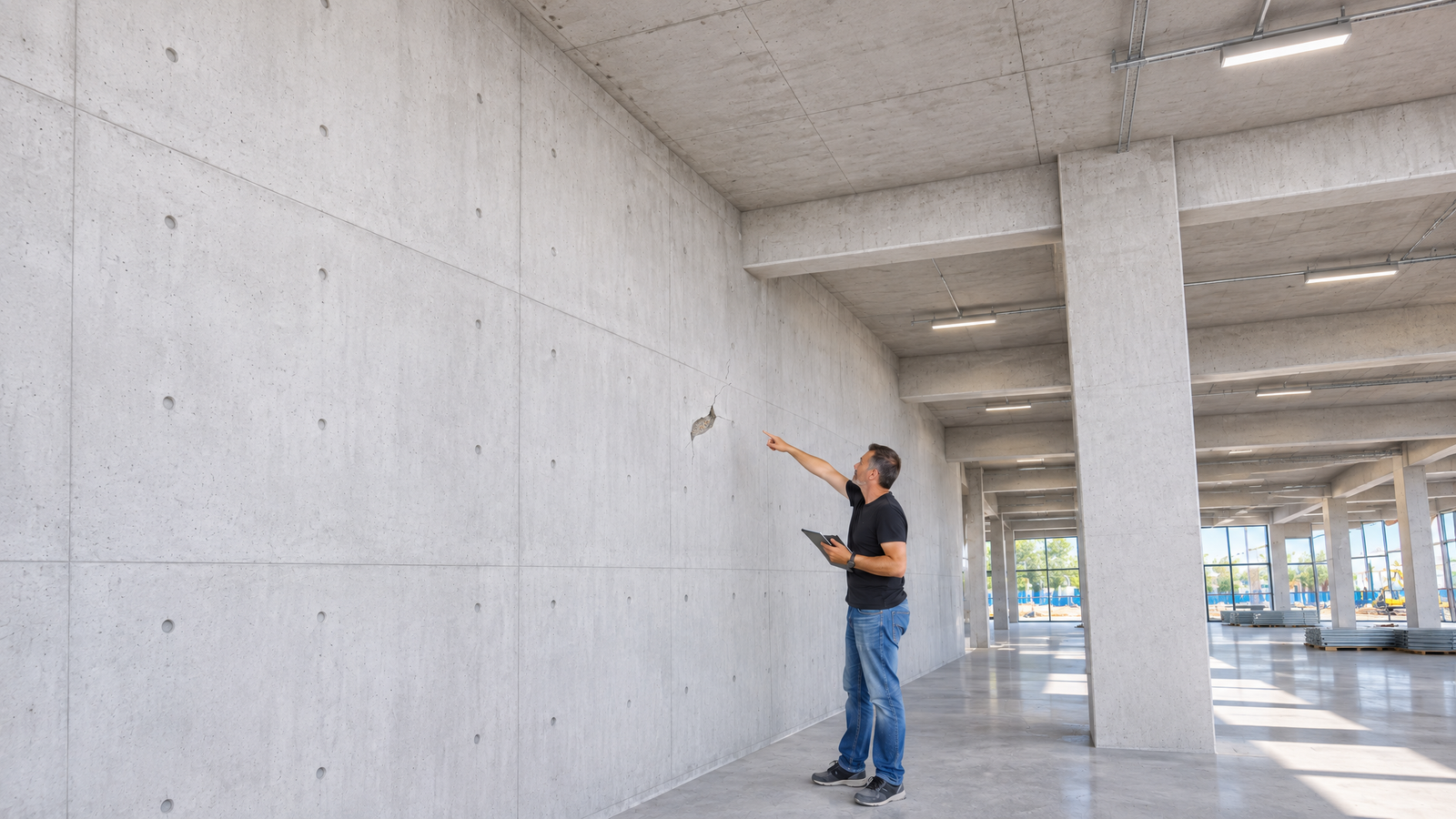
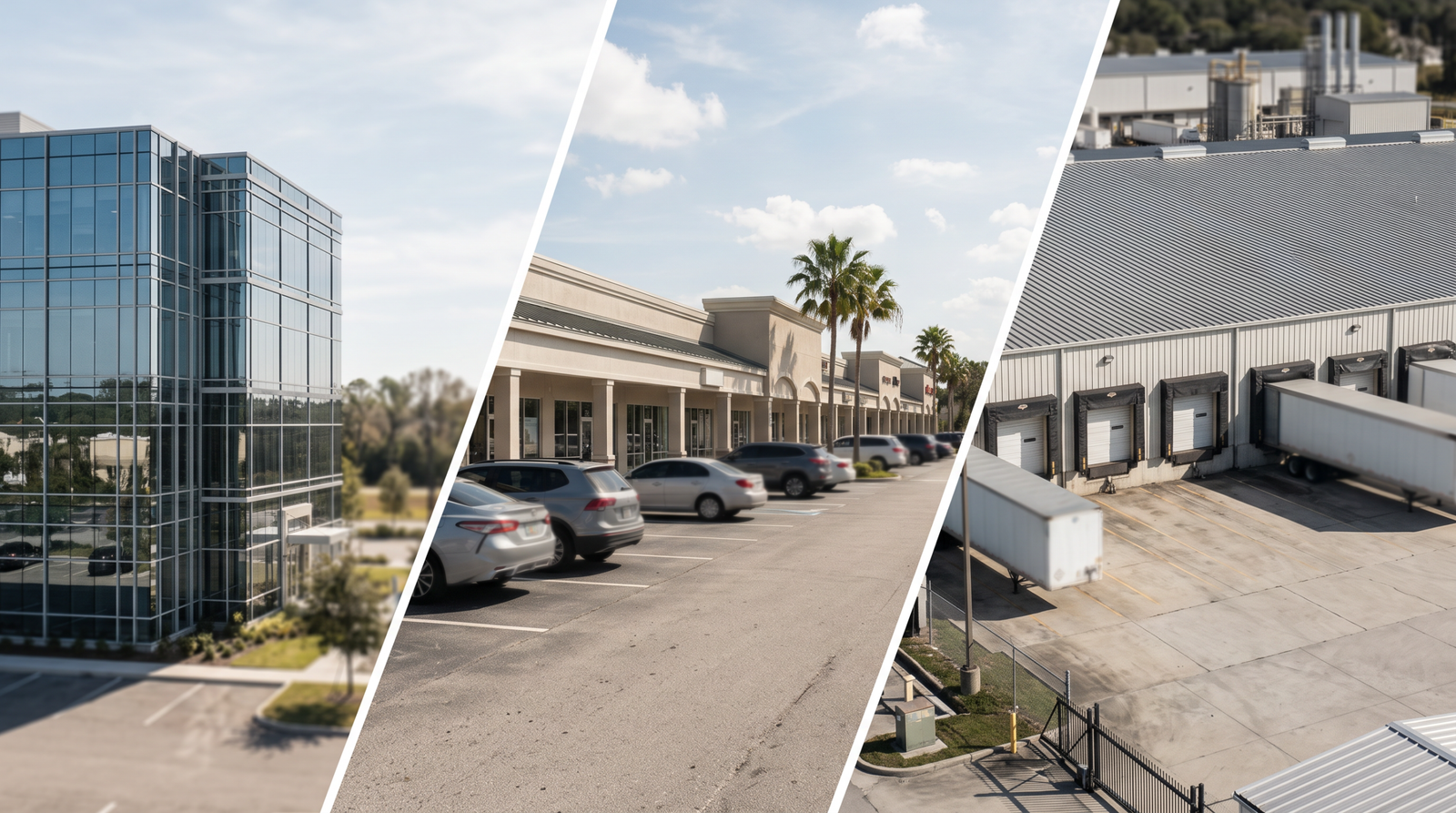
A property condition assessment helps commercial real estate teams understand the physical condition of a property and the repair needs that may affect ownership, operations or an upcoming transaction.
For owners, facility managers and asset managers, the value is practical: a documented overview of building and site conditions, significant deficiencies, and items that may need attention now or during a defined planning period.
A PCA combines observations with available records and information from people familiar with the property. Its usefulness depends on a clearly defined scope, adequate access and reporting that distinguishes observed conditions from issues requiring further investigation.
Prema Consulting Group performs PCAs that document observed building and site conditions, identify significant deficiencies and help clients understand near-term repair and capital-planning considerations.
What Is a Property Condition Assessment?
A property condition assessment, or PCA, is an evaluation of the physical condition of a commercial property’s buildings and site improvements. The resulting property condition report, often called a PCR, communicates findings and recommendations within the agreed scope.
ASTM E2018 provides a voluntary framework for a baseline PCA, including a walk-through survey, document review and interviews. The assignment should specify whether that framework applies and identify any additional services required.
A baseline assessment provides an overview of accessible conditions. A detailed investigation of a leaking wall, distressed foundation or malfunctioning mechanical system may require a separate scope and specialist involvement.
What Does a Commercial Property Condition Assessment Include?
The systems evaluated depend on the property type, assessment objectives and agreed scope. A warehouse, office building and retail center may have different equipment, operational demands and access limitations.
Site Improvements and Drainage
Site observations may address:
- Pavement, parking areas and sidewalks
- Site grading and visible drainage conditions
- Retaining walls and other site structures
- Exterior lighting and accessible site features
- Evidence of settlement, erosion or recurring water accumulation
These observations can identify repair needs and conditions that warrant further review. Visible drainage concerns do not, by themselves, establish subsurface conditions or underground utility performance.
Building Structure and Foundations
An assessment may document accessible framing, foundation indicators and visible structural distress, including cracking, displacement, corrosion or deterioration.
The report should explain when an observed condition warrants a focused structural evaluation. A walk-through PCA does not establish the capacity of every structural component or verify concealed construction.
Roofing and Building Envelope
Roofing and envelope observations may include:
- Roof coverings, flashings and accessible penetrations
- Roof drainage features
- Exterior wall finishes and visible deterioration
- Windows, doors, sealants and material transitions
- Evidence of leakage and prior repairs
Leak history provides useful context. A stain may identify an affected area without revealing the entry point, moisture pathway or full extent of concealed deterioration.
Mechanical, Electrical and Plumbing Systems
Depending on scope, the assessment may review accessible equipment, general condition, available age information and reported operational concerns.
This can help identify aging equipment and potential planning needs. Detailed diagnostics, performance testing, electrical load analysis or inspection of concealed piping should be specifically included when required.
Interior and Other Building Systems
Interior observations may document finish deterioration, moisture indicators and conditions affecting use. Elevators, fire protection systems and other specialized systems may be addressed through available records, observations or separate specialist evaluations, depending on the assignment.
A PCA should clearly state which systems were reviewed, the level of review and any exclusions.
How the Property Condition Assessment Process Works
Step 1: Define the Decision and Scope
The assessment should begin with the client’s intended use. Questions may include:
- Is the property being acquired, refinanced or retained?
- Is the objective to identify near-term repairs or develop a longer planning horizon?
- Are there known leaks, structural concerns or recurring equipment problems?
- Does a lender or other party require a particular report format?
- Are cost opinions or specialist evaluations needed?
Defining these requirements before the site visit helps align the assessment with the decisions it must support.
Step 2: Review Records and Property History
Useful information may include construction documents, roof and equipment records, maintenance logs, previous assessments, repair invoices and inspection reports.
Interviews with property personnel can help identify recurring leaks, service interruptions and repairs that are not apparent during a single visit. Reported information should be distinguished from conditions independently observed or verified.
Step 3: Observe Accessible Conditions
The walk-through documents the condition of the systems included in the assignment. Photographs, notes and location references create a record of significant findings.
Access matters. Occupied tenant spaces, locked equipment rooms, unsafe roof access or concealed assemblies can limit observations. The report should identify these limitations and explain when additional access is important to evaluating a concern.
Step 4: Evaluate Findings and Priorities
Findings are considered in relation to the affected system, apparent severity, operational implications and available history.
The evaluation may distinguish items requiring prompt attention from planned repairs, routine maintenance and issues needing further investigation. Priorities should explain the basis for action rather than relying on a condition label alone.
Step 5: Prepare the Property Condition Report
The report brings together observations, reviewed information, recommendations and assessment limitations. When cost opinions are included, the assumptions and planning period should be clear.
What Findings Should Owners Expect?
A useful report connects each significant condition to a practical next step. For example, recurring leakage near a roof-to-wall transition may support a targeted envelope investigation before a repair scope is selected.
Depending on the assignment, deliverables may include:
- A description of the property and assessed systems
- Photographs and locations of significant deficiencies
- Recommendations for repair, maintenance or additional evaluation
- Priorities for addressing identified conditions
- Opinions of probable costs for agreed categories of work
- Access limitations, exclusions and unresolved questions
Cost opinions are planning inputs. Actual costs depend on the developed scope, quantities, access, market conditions and contractor pricing. An assessment should avoid presenting a preliminary allowance as a construction bid.
How PCAs Support Commercial Real Estate Decisions
Acquisition and Due Diligence
A PCA can help a prospective owner understand physical conditions that may affect initial repair needs and future investment. Significant findings may support follow-up evaluations before transaction decisions are finalized.
Financing and Refinancing
When an assessment is requested for financing, the scope and deliverables should address the recipient’s requirements. A general condition overview may not satisfy a lender’s specific reporting or cost requirements.
Maintenance and Capital Planning
For an existing owner, the assessment can help organize repair needs across systems and planning periods. Roof deterioration, aging equipment and pavement distress may have different priorities and budget implications.
Recommendations should be coordinated with operating needs, available budgets and other planned projects. Engineering findings inform those decisions; ownership determines the investment strategy.
Portfolio and Asset Management
A consistent scope across properties can help asset managers compare findings and prioritize follow-up work. Comparisons are most useful when reports use similar system categories, planning periods and cost assumptions.
What a PCA Does Not Automatically Include
A baseline PCA has limits. Unless specifically added to the scope, it should not be treated as:
- A comprehensive structural analysis or certification of safety
- An invasive investigation of concealed assemblies
- A complete code, accessibility or regulatory compliance review
- An environmental site assessment
- Detailed equipment performance testing
- A repair design or contractor pricing package
An assessment may identify a concern that requires one of these services. The appropriate next step is to define the additional technical question and obtain the relevant evaluation.
When Additional Investigation Is Warranted
Further evaluation may be appropriate when the initial assessment identifies recurring water intrusion, significant cracking or movement, extensive deterioration, uncertain equipment condition or incomplete information about prior repairs.
For example, visible corrosion may warrant measurements and structural analysis to assess its significance. Repeated interior staining may warrant moisture mapping or targeted envelope testing to evaluate the source and extent.
Specialized work should address a defined question. It can then inform repair planning without assuming that accessible observations represent every concealed condition.
Environmental Exposure and Property Context
Local exposure and property history can affect assessment priorities. At a Florida property, reported wind-driven rain, coastal exposure or prior storm damage may justify closer attention to envelope interfaces, exposed metals and repair records.
These factors provide context rather than establish a cause. The assessment should consider the actual building system, documented history and conditions observed at the property.
How to Prepare for a Property Condition Assessment
Owners and property teams can support an efficient assessment by:
- Providing available plans, maintenance records and prior reports
- Identifying recurring problems and areas of concern
- Arranging access to roofs, equipment rooms and relevant tenant spaces
- Making knowledgeable property personnel available
- Confirming required deliverables and the intended planning period
Early coordination helps reduce avoidable gaps and allows the assessment team to identify where a separate investigation may be needed.
Supporting Property Decisions With Clear Engineering Findings
A property condition assessment is most useful when it explains the significance of observed conditions and connects findings to repair, maintenance or investigation priorities.
Prema documents building and site conditions and evaluates significant deficiencies to help commercial property teams understand near-term repair needs and capital-planning considerations. Clear reporting gives owners, facility managers and asset managers a technical basis for deciding what to address next.
Discuss Your Property Condition Assessment Needs
Prema Consulting Group performs PCAs that document observed building and site conditions, identify significant deficiencies and help clients understand near-term repair and capital-planning considerations.
Our team helps commercial owners, property and facility managers, and asset managers define an assessment scope suited to their property and objectives.
Contact Prema to discuss your property condition assessment needs.
Frequently Asked Questions
What is a property condition assessment for commercial real estate?
−A PCA evaluates the physical condition of a commercial property's buildings and site improvements within an agreed scope. Findings are documented in a property condition report to support decisions such as acquisition, maintenance and capital planning.
Does a PCA include repair cost estimates?
+It can include opinions of probable costs when specified in the assignment. The report should identify the work categories, assumptions and planning period covered. These opinions are not contractor bids.
Does a PCA identify all concealed defects?
+No. A baseline assessment relies largely on accessible observations and available information. Concealed conditions may require targeted testing, selective openings or other specialized investigation.
Is a PCA the same as a structural engineering investigation?
+No. A PCA provides a broader condition overview. A structural investigation addresses specific questions about structural behavior, deterioration or capacity and may involve more detailed analysis.
When should an owner obtain a property condition assessment?
+A PCA may be useful before an acquisition or refinancing, when establishing a maintenance and capital plan, or when an updated overview of property conditions is needed. The timing and scope should reflect the decision being made.
Our Related Services
Need Expert Forensic Engineering & Building Assessment Insights?
Get our accurate, evidence-based analysis to identify root causes, assess structural integrity, and make confident decisions.
Get in Touch →