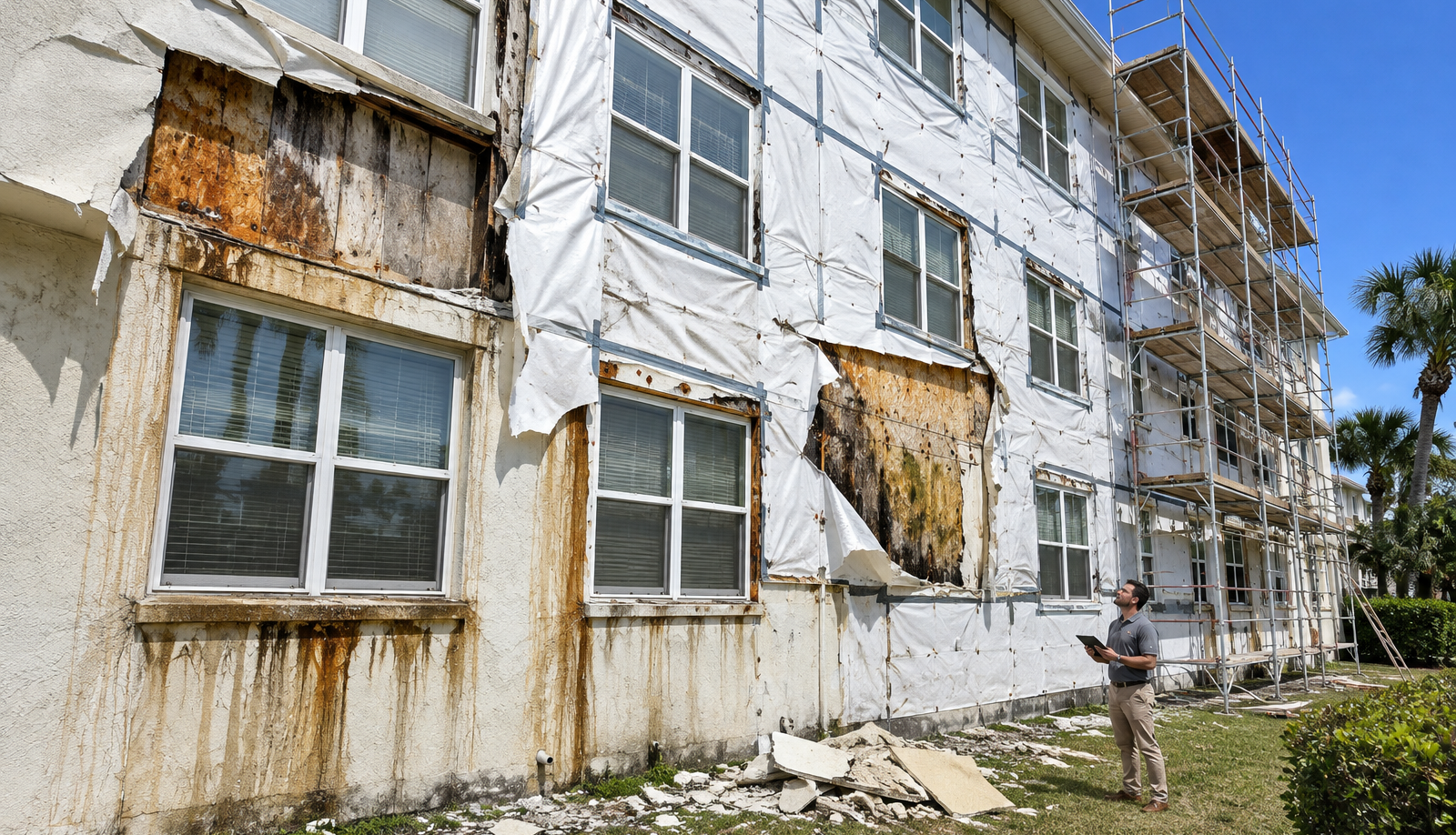
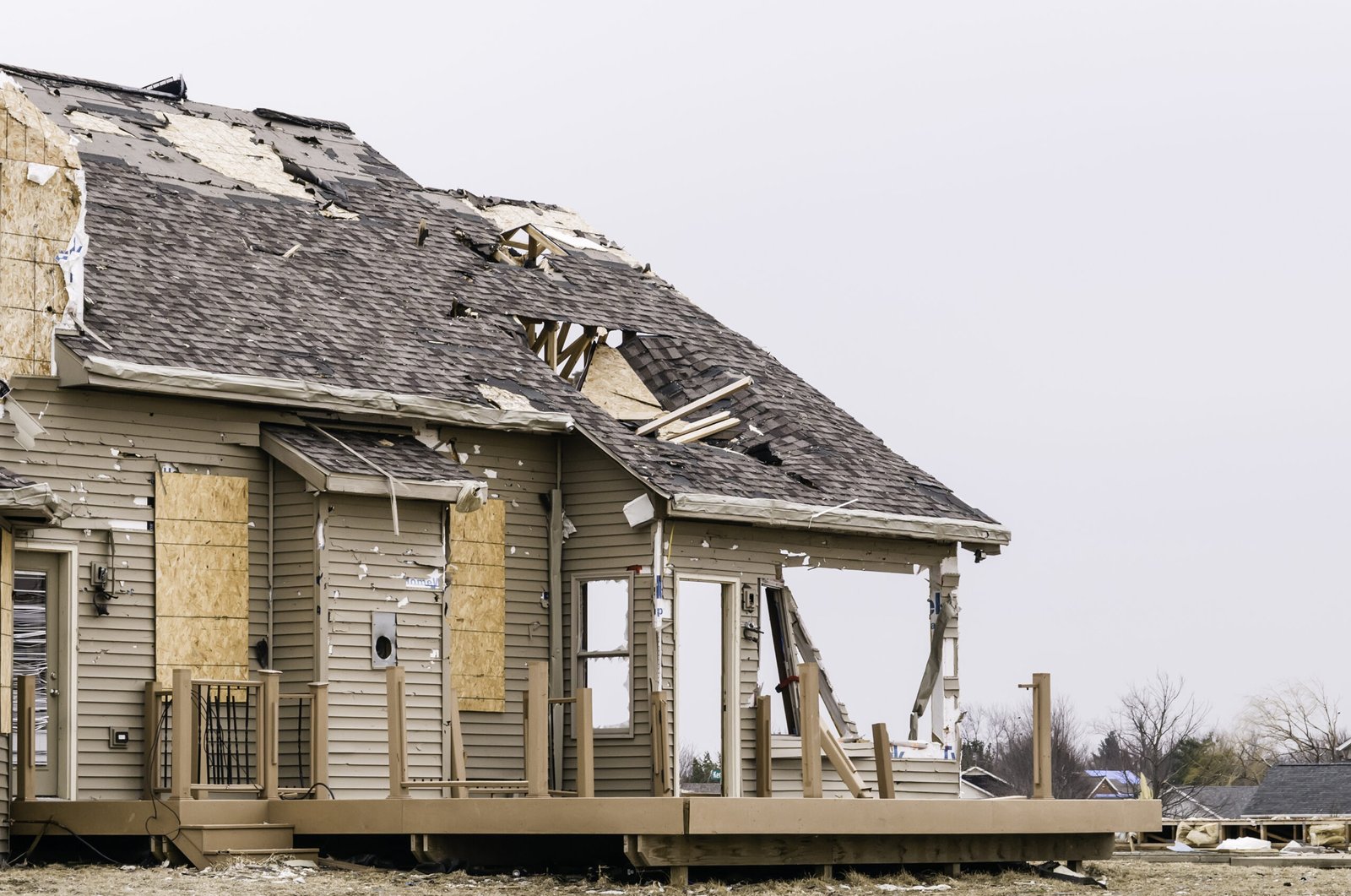
Construction defect disputes can turn on technical questions: what was built, how it performed, what caused the reported damage, and what work may be needed to address the condition.
A construction defect expert witness helps explain those questions through evidence and engineering analysis. Forensic engineers may support counsel with independent investigation, document review, testing strategy, repair evaluation, expert reporting, and testimony within their area of expertise.
The engineer’s role is to develop and explain supported technical opinions. Counsel addresses legal strategy and the legal significance of those findings. Retention by a party does not change the engineer’s obligation to evaluate the evidence objectively.
What Does a Construction Defect Expert Witness Evaluate?
The assignment depends on the allegations, affected systems, available evidence, and questions requiring resolution.
An engineering evaluation may address:
- Observed damage and suspected construction deficiencies
- The relationship between design documents and documented construction
- Physical causes and other contributing factors
- Effects on durability, serviceability, strength, or stability
- Documented extent and limits concerning concealed areas
- Technical feasibility and scope of proposed repairs
An observed deficiency and the cause of reported damage are separate questions. The engineer should explain whether and how the identified condition contributed rather than assume that any departure from a detail caused the loss.
Independent Technical Evaluation
An engineering opinion should follow the evidence rather than a preferred litigation outcome.
The investigation considers information that supports or challenges a proposed explanation, including alternative mechanisms, prior deterioration, maintenance, repairs, alterations, and environmental exposure.
The engineer distinguishes:
- Conditions directly observed
- Information reported by others
- Assumptions used in the analysis
- Conclusions supported by the available evidence
- Questions that remain unresolved
Where information is insufficient, the opinion should state the limitation. New evidence may warrant further analysis or a change in conclusions.
How Forensic Engineers Support Counsel
Document Review and Technical Chronology
Records help establish the intended design, documented construction, and history of reported conditions.
Useful materials may include:
- Plans, specifications, and approved revisions
- Submittals and product installation information
- Construction photographs and inspection records
- Testing reports and prior expert evaluations
- Maintenance, repair, and alteration records
- Dated photographs and reported histories
Engineers may help counsel identify missing technical records and organize a chronology. The date a symptom was reported does not necessarily establish when the underlying condition originated or when damage began.
Field Investigation and Evidence Documentation
Engineers document accessible conditions through photographs, measurements, field notes, and location mapping.
The scope may involve structural components, roofing, exterior wall interfaces, waterproofing, materials, or other systems within the investigator’s competence.
Documentation should identify inspected areas, prior repairs, relevant surrounding conditions, and components that remain concealed. A current inspection may not establish the property’s condition before mitigation or repair.
Testing Strategy and Additional Access
Testing should address defined technical questions. Engineers may help develop a plan explaining:
- Which question each method is intended to answer
- Why particular locations are selected
- What access, sampling, or specialist input is needed
- How conditions and samples will be documented
- What the method can establish and its limitations
Potential methods include selective openings, targeted water testing, material sampling, measurements, or monitoring, depending on the assignment.
Counsel coordinates the procedural arrangements for inspections and testing with the relevant parties. The engineer provides technical input and documents conditions before and during work that alters the evidence.
Results from one opening or sample do not automatically establish conditions throughout a building. The basis for broader interpretation should be explained.
Causation and Performance Analysis
Engineers evaluate proposed mechanisms against observations, records, test results, and the behavior of the affected system.
Analysis may include comparison with relevant project documents, manufacturer instructions, and technical requirements applicable to the work. The basis for selecting those criteria should be identified.
Several mechanisms may contribute to a condition. For example, an installation detail, subsequent deterioration, and a reported weather event may interact. The analysis should explain supported contributions and unresolved questions without assuming a single cause.
Repair Evaluation
A forensic engineer may evaluate whether a proposed repair addresses the supported damage mechanism and affected components.
Questions may include:
- Does the proposal reflect the documented extent?
- Does it address continuing deterioration or water entry?
- Are materials and connections compatible with the existing system?
- What performance must the repaired component achieve?
- Are access, sequencing, or temporary support constraints relevant?
- What additional investigation or design is needed?
Reviewing technical repairability does not automatically establish construction-ready details or a complete cost estimate. Repair design, estimating, and construction-phase services should be separately defined where required.
Technical repair findings also should not be presented as decisions about legal entitlement or the amount recoverable.
Expert Reports and Clear Technical Opinions
A useful expert report connects each opinion to its factual and analytical basis.
Depending on the assignment, it may explain:
- The technical questions evaluated
- Qualifications relevant to those questions
- Inspections, records, and testing considered
- Observed conditions and pertinent evidence
- Methods, calculations, and technical criteria used
- Supported opinions and alternative explanations evaluated
- Assumptions, access limits, and missing information
- Further work needed to resolve outstanding questions
Photographs, diagrams, and location maps can help explain the findings when they are accurate and tied to the evidence.
Counsel should communicate applicable reporting requirements and deadlines so the work can be planned accordingly. A well-documented report provides a technical foundation; it does not guarantee that an opinion will be accepted or that a particular outcome will follow.
Deposition and Trial Testimony Support
An engineer retained to testify may explain the investigation, methods, findings, and limitations in deposition or at trial, as appropriate to the assignment.
Preparation may include reviewing the records relied upon, checking calculations and exhibits, and discussing technical questions with counsel. Opinions should remain consistent with the evidence and the engineer’s expertise.
Clear testimony translates technical findings into understandable explanations without overstating certainty. The engineer should identify when a question extends beyond the opinion developed or the available evidence.
Legal responsibility, contractual interpretation, and litigation strategy remain separate from the engineer’s technical analysis.
Selecting the Right Engineering Expertise
Construction defect litigation may involve several building systems. Expertise should match the questions, rather than rely on the title “forensic engineer” alone.
Counsel may consider:
- Experience with the affected systems and materials
- Relevant investigation and analytical experience
- Credentials and licensure appropriate to the assigned work
- Ability to explain the basis and limits of opinions
- Availability for investigation, reporting, and testimony deadlines
- Potential conflicts involving the parties or project
Structural, envelope, roofing, materials, geotechnical, or mechanical and plumbing expertise may be needed depending on the matter. Where several disciplines participate, their scopes and the basis for combined conclusions should be clear.
When Florida Context Is Relevant
The core engineering process applies nationally. Florida-specific context should enter the analysis when it is relevant to the property, work, or assignment.
Examples include:
- Building requirements applicable to the work being evaluated
- Licensure considerations for the assigned engineering services
- Coastal exposure, moisture conditions, or reported storms
- Particular construction details and property history
The relevant requirements and exposure should be identified for the matter. Location alone does not establish a defect or a damage mechanism, and Florida-specific assumptions should not be applied to assignments elsewhere.
What Counsel Can Provide at the Start
Early technical review is more useful when the assignment questions and available evidence are clear.
Helpful information includes:
- Parties and project information for conflict review
- Allegations and the technical questions requiring evaluation
- Relevant documents and prior expert reports
- Available photographs, samples, and test results
- Known repairs, mitigation, or changes to site conditions
- Inspection access and anticipated testing needs
- Reporting, deposition, or trial deadlines
- The requested consulting, reporting, and testimony scope
The engineer can then identify evidence gaps, needed disciplines, and a proposed investigation approach. Scope may need adjustment as records or field findings develop.
Discuss Engineering Litigation Support
Prema Consulting Group supports counsel with independent technical investigation, document review, testing strategy, repair evaluation, expert reporting, and testimony support within the engineer’s area of expertise.
Our forensic engineering team helps attorneys and litigation teams understand supported physical causes, documented extent, performance implications, and the limitations of available evidence in construction defect matters.
Contact Prema to discuss engineering litigation support for a construction defect matter.
Frequently Asked Questions
What does a construction defect expert witness do?
−An engineering expert evaluates technical conditions and develops supported opinions within their expertise. The work may include investigation, records review, testing strategy, repair evaluation, reporting, and explanation of findings in testimony.
Does retaining an engineer mean the reported condition is a construction defect?
+No. The investigation evaluates whether a suspected deficiency is supported and how it relates to the reported damage. Findings may support, narrow, or challenge the proposed explanation.
Is testing required in every construction defect matter?
+No. Testing depends on the technical questions and available evidence. Additional methods may be appropriate when concealed details or competing explanations cannot be resolved through records and accessible observations.
Can the same engineer investigate conditions and evaluate repairs?
+Yes, where the work falls within the engineer’s competence and agreed scope. A technical repair evaluation does not automatically include construction-ready design, estimating, or construction-phase services.
Does every forensic engineering assignment include testimony?
+No. The engagement should define the requested services and anticipated role. Reporting and testimony needs should be discussed with counsel as the matter develops.
Need Expert Forensic Engineering & Building Assessment Insights?
Get our accurate, evidence-based analysis to identify root causes, assess structural integrity, and make confident decisions.
Get in Touch →