
Situation
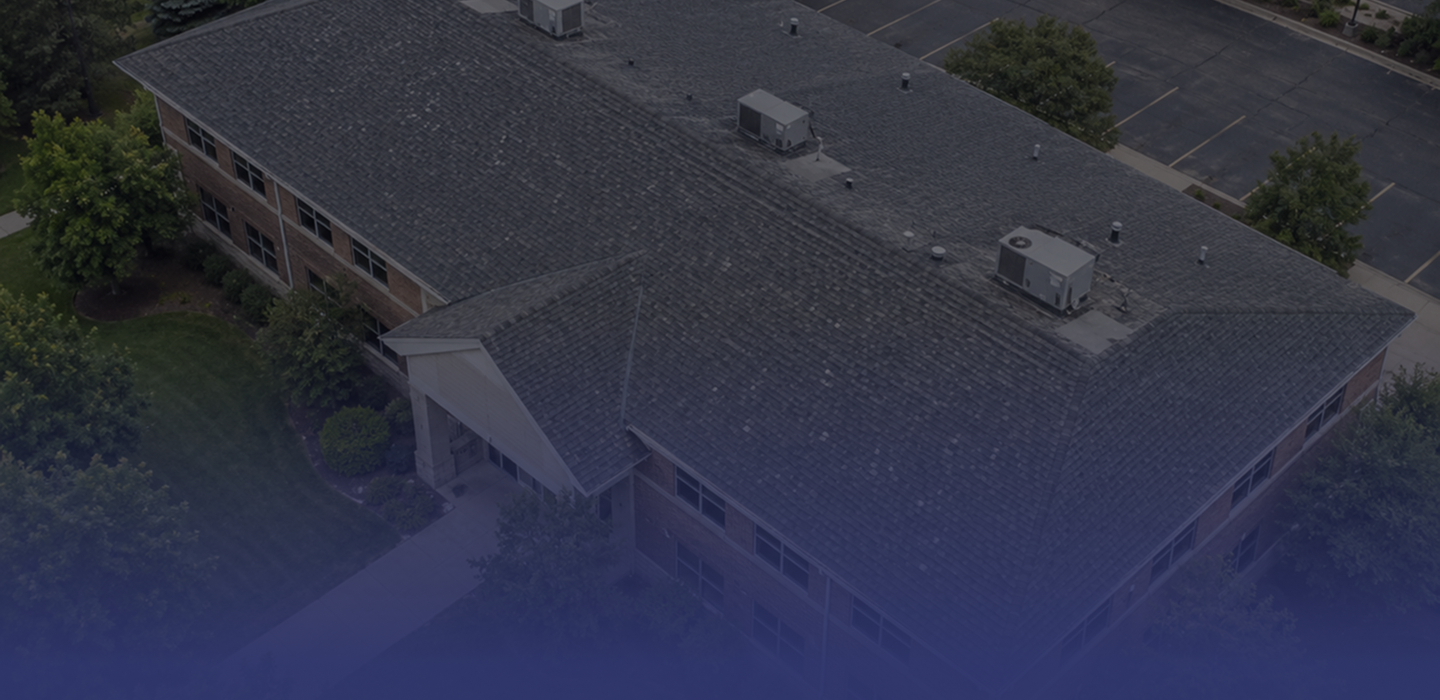
A large religious facility campus reported potential hail and wind-related roof damage following a severe weather even
Given the variety of roofing materials and reported storm conditions, the investigation required a disciplined evaluation to differentiate:
- Functional vs cosmetic damage
- Recent vs historical conditions
- Hail-related impacts vs non-storm-related deterioration
The investigation also required correlation of physical observations with weather history and collateral indicators to support evidence-driven conclusions.
Prema's Approach
Prema Consulting Group performed a structured forensic engineering investigation, including:
- Roofing System Assessment: Evaluation of asphalt shingles, metal roofing systems, fiberglass panels, and associated roof components for hail and wind-related impacts
- Collateral Indicator Analysis: Assessment of dents, punctures, granule displacement, fractures, and directional impact patterns across exterior building components
- Weather & Historical Data Review: Correlation of field observations with historical weather data, hail verification reporting, historical imagery, and prior site conditions
Observations
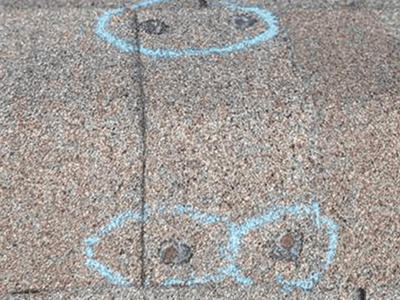
Granule displacement and localized
surface impact markings identified
on asphalt
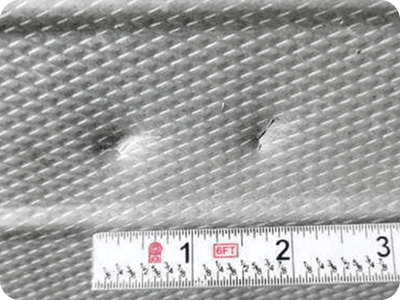
Localized denting observed on rooftop metal
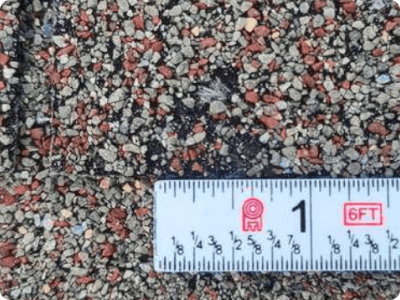
Close-up evaluation of localized
asphalt shingle impact markings and
surface conditions
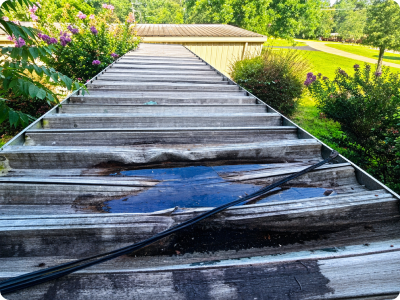
Multiple impact-related dents observed on rooftop metal surface with localized water accumulation
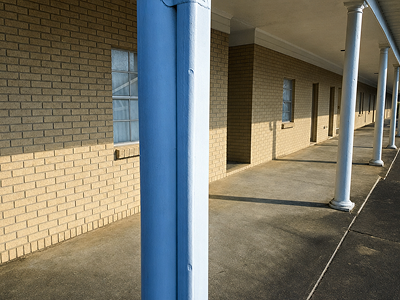
Several round or oval dents on the four downspouts on the southeast elevation
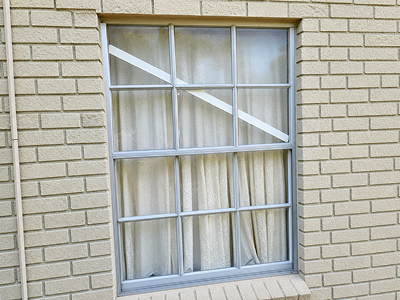
Fractures in the door frame and missing trim along the main entry door
Repair Strategy
Prema developed a structured engineering framework to support evaluation of:
- Functional repairability of impacted roofing components
- Areas requiring continued monitoring or maintenance
- Distinction between cosmetic conditions and reduced roofing performance
- Material-specific behavior across shingles, metal roofing systems, and fiberglass panels
- Long-term serviceability considerations associated with punctures, fractures, and coating conditions
Conclusions
Following the investigation, Prema concluded that:
- Roofing conditions varied significantly by material type and roof area
- Certain observed conditions were cosmetic in nature and did not reduce water-shedding capability
- Select fiberglass roofing components exhibited functional hail-related damage
- Weather history and collateral indicators were critical in correlating storm-related impacts
- Structured forensic evaluation helped differentiate storm-related damage from aging, wear, and unrelated conditions
Why This Matters
Hail investigations often involve a combination of cosmetic conditions, historical wear, material-specific vulnerabilities, and storm-related impacts. Visual assumptions alone may not provide sufficient basis to determine whether functional damage exists.
This case highlights the value of:
 Evidence-driven forensic methodology
Correlation of weather data with field observations
Material-specific roofing evaluation
Clear differentiation between cosmetic and functional conditions
Structured engineering communication
Disciplined, defensible reporting practices
Evidence-driven forensic methodology
Correlation of weather data with field observations
Material-specific roofing evaluation
Clear differentiation between cosmetic and functional conditions
Structured engineering communication
Disciplined, defensible reporting practices
By combining field observations, historical research, and weather analysis, Prema helped establish a clearer framework for evaluating roofing system conditions following a reported hail event.
Evaluating Engineering Partners?
We can provide representative redacted reports that demonstrate
our documentation approach, technical analysis structure, and
reporting methodology.