
Executive Summary
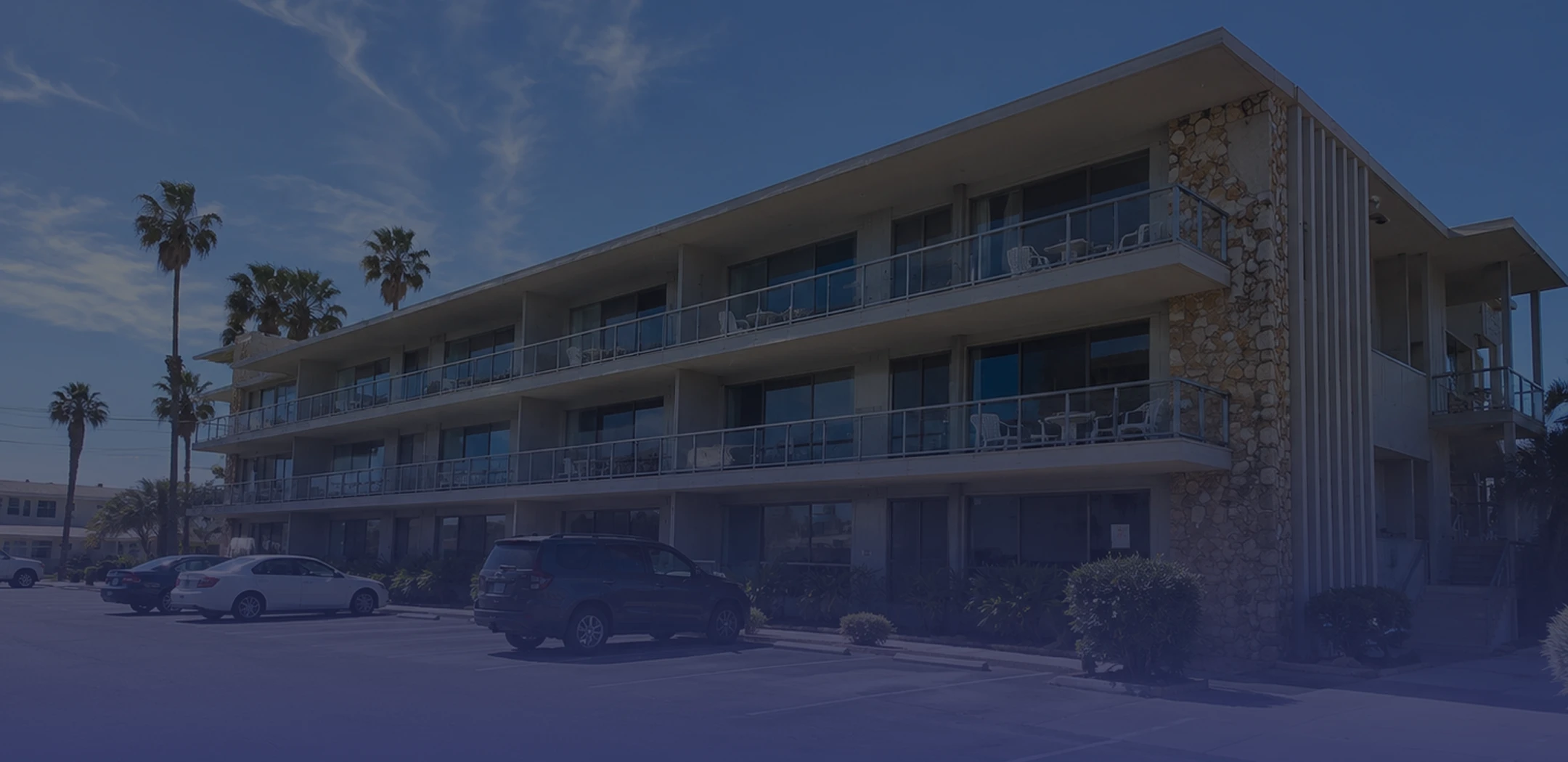
A representative Facility Condition Assessment (FCA) was performed for a multifamily residential community to evaluate the condition of roofing systems, building envelope components, balconies, garages, and other common elements following reported storm-related concerns and recurring moisture intrusion. The assessment distinguished cosmetic conditions from functional deficiencies, identified moisture-related deterioration requiring remediation planning, and established engineering priorities supporting capital planning, long-term asset preservation, and representative Engineer of Record services.
Situation
- Property ownership initiated a representative Facility Condition Assessment to evaluate reported storm-related damage, recurring moisture intrusion, and the long-term condition of major building systems throughout the community.
- Reported damages included cosmetic cracking at balcony ceilings, localized deterioration at fire pits, isolated wind displacement of less than one percent of garage roof shingles, and repeated moisture intrusion in garage ceilings and attic framing due to flashing deficiencies.
- The owner’s concerns centered on resident safety, habitability, and preventing escalation of moisture‑related deterioration.
Prema's Approach
The representative Facility Condition Assessment included systematic evaluation of roofing systems, balconies, garages, common areas, and building envelope components to identify conditions requiring targeted engineering investigation and long-term maintenance planning.
- Balcony and fire pit inspections to assess cracking and moisture intrusion
- Roof covering evaluation to document isolated wind damage
- Garage interior and attic framing assessment to identify moisture pathways and biological growth
Observations
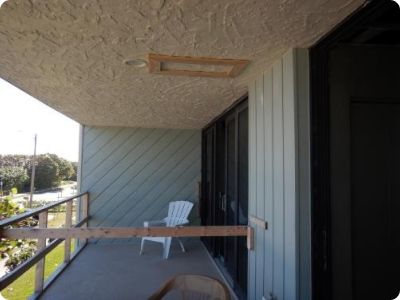
Cosmetic cracking on balcony ceiling without structural compromise
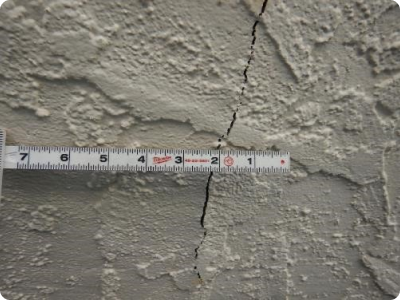
Cosmetic cracking on balcony ceiling
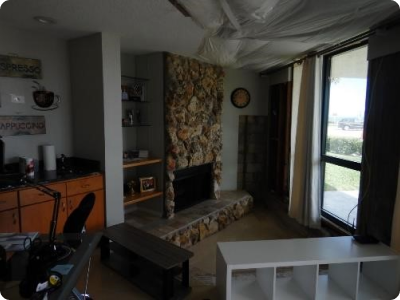
Ceiling, wall drywall, and floor coverings in the fire pit area partially removed
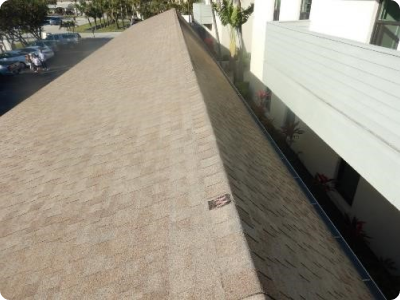
Isolated missing shingles above the garage
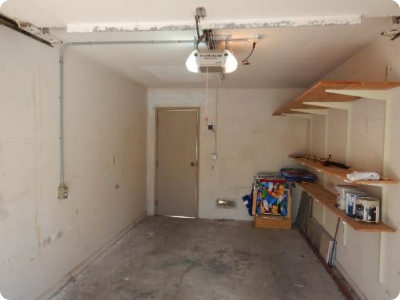
Light brown stains and a difference in finish were on the garage ceiling
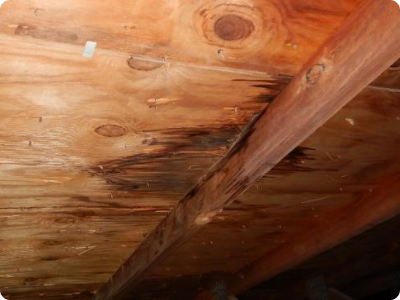
Dark brown stains were on the roof framing above the garage ceiling stains
Repair Strategy
- Moisture remediation and flashing repair: Repeated water intrusion in garage ceilings and attic framing was traced to age-related flashing deficiencies. Remediation requires sealing compromised flashing, repairing affected framing, and implementing moisture control measures to prevent biological growth. This ensures habitability and protects long-term structural performance.
- Roof shingle replacement: Less than one percent of shingles were displaced by wind. Localized replacement restores weatherproofing without requiring full roof replacement, balancing cost efficiency with functional repair.
- Balcony and fire pit repairs: Cracking at balcony ceilings and deterioration at fire pits were cosmetic, not structural. Repairs can be deferred or scheduled within routine maintenance cycles, allowing owners to prioritize functional issues first.
- Documentation for remediation planning: Detailed FCA records distinguish storm-related impacts from long-term deficiencies. This documentation supports representative Engineer of Record services by translating assessment findings into prioritized repair documents, phased implementation strategies, and long-term capital improvements.
Conclusions
- The FCA confirmed that most damages were cosmetic or age-related, with limited storm-related impacts. Functional issues such as moisture intrusion required remediation planning.
- Clear documentation enabled owners to prioritize safety, habitability, and long-term asset preservation.
Why This Matters
This case study demonstrates how FCA methodology supports:
 Supports proactive asset management and maintenance planning
Long-term performance and resident safety
Capital budgeting and deferred maintenance strategies
Engineering decision-making grounded in practical judgment
Supports proactive asset management and maintenance planning
Long-term performance and resident safety
Capital budgeting and deferred maintenance strategies
Engineering decision-making grounded in practical judgment
Evaluating Engineering Partners?
We can provide representative redacted reports that demonstrate
our documentation approach, technical analysis structure, and
reporting methodology.