
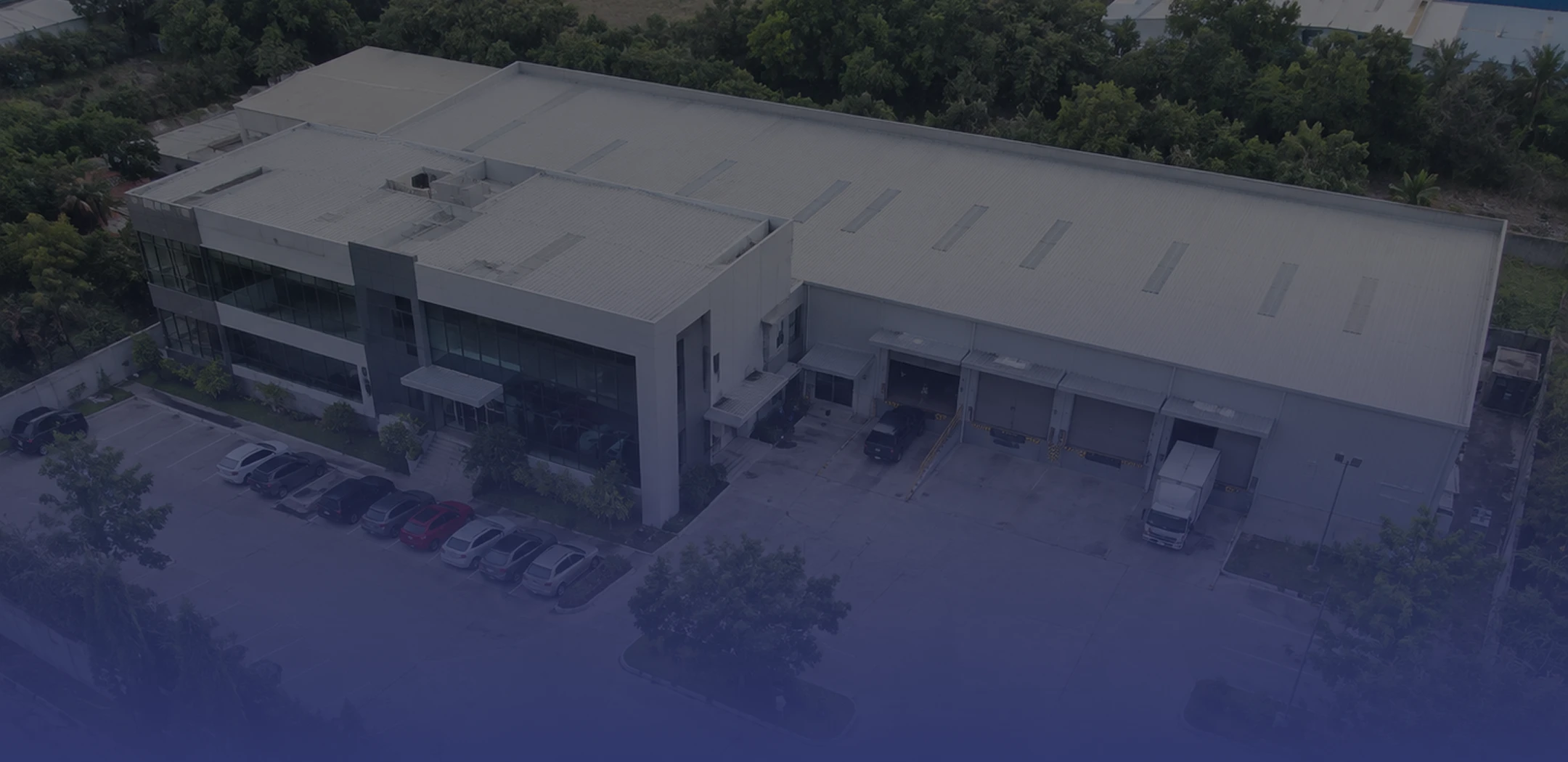
Executive Summary
The PCA evaluated a large industrial logistics facility to provide the property owner a clear understanding of current building conditions, deferred maintenance, and capital planning needs. The assessment documented the condition of major building systems and identified deficiencies across roof, structure, envelope, and mechanical/electrical/plumbing (MEP) systems. Findings highlighted areas requiring immediate attention, medium-term upgrades, and long-term capital investment. The study supported the owner in prioritizing repairs, extending useful life, and ensuring operational continuity while preserving asset value.
Situation
- The facility is a high-traffic logistics property with aging systems and evidence of deferred maintenance.
- The owner engaged Prema Consulting Group to perform a comprehensive Property Condition Assessment (PCA) to evaluate the condition of the industrial facility, identify maintenance priorities, support long-term capital planning, and inform future investment and asset management decisions.
- The PCA was structured to address both immediate operational concerns and long-term asset preservation.
Prema's Approach
- Conducted a full facility walkthrough and system-level evaluation.
- Documented deficiencies across roof, structure, envelope, and MEP.
- Assessed remaining useful life of major building components.
- Developed prioritized repair and replacement strategies based on engineering risk,operational impact, remaining useful life, and the owner’s capital investment objectives.
- Structured findings into actionable deliverables, including a Property Condition Assessment Report, deferred maintenance inventory, Capital Improvement Plan, repair prioritization, and implementation guidance supporting future Owner’s Representative Services and QA/QC oversight.
Observations
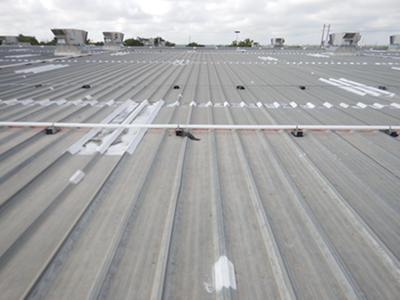
Overview of the roof facets showed prior repairs.
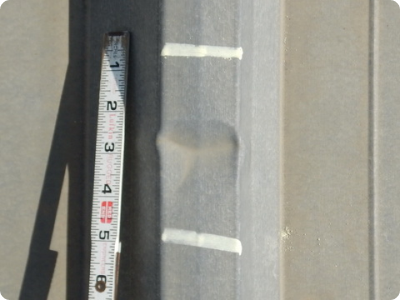
Several randomly spread and sized dents on the ribs of the metal roofing panels.
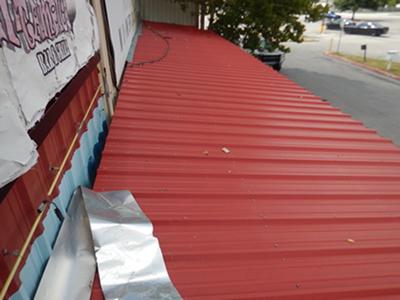
Loose, bent, and flipped metal flashing.
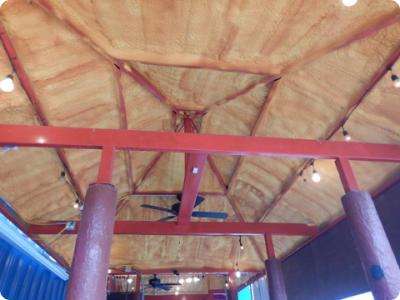
No displaced, fractured, loose, separated, or missing roof framing members.
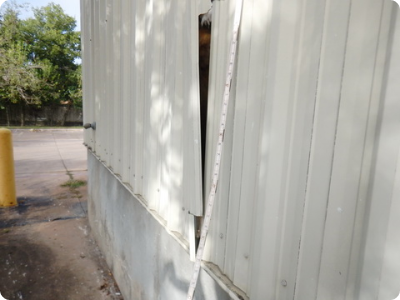
Randomly oriented fractures and separations on the metal siding.
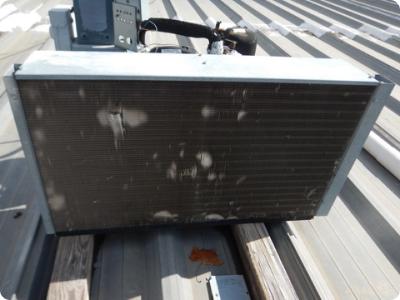
Randomly oriented, sized, and shaped dents on the aluminum fins of the rooftop Heating, ventilation, and air conditioning (HVAC) units.
Repair Strategy
- Roof repairs and phased replacement were prioritized based on observed deterioration, remaining service life, and operational impact to improve long-term weather resistance and reduce future maintenance requirements.
- Targeted building envelope repairs were recommended to improve moisture resistance, reduce air infiltration, enhance energy efficiency, and extend the long-term performance of the exterior enclosure.
- HVAC upgrades were prioritized to improve system reliability, reduce maintenance demands, and support uninterrupted facility operations.
- Electrical system modernization was recommended to improve system reliability, support operational continuity, and accommodate future facility needs as part of the overall Capital Improvement Plan.
Conclusions
- The facility remained operational and continued to support logistics functions effectively, but the assessment revealed deferred maintenance and system aging across the roof, envelope, and MEP systems.
- While the structural framing was serviceable, proactive monitoring was necessary to prevent deterioration.
- Without timely investment, these deficiencies would have compromised operational continuity, reduced energy efficiency, and diminished asset value.
- A phased repair and replacement strategy ensured resilience, efficiency, and long‑term preservation of the facility.
Why This Matters
The assessment provided ownership with a clear roadmap to address deferred maintenance and aging systems, ensuring operational continuity and asset value were preserved. By translating technical findings into actionable strategies, the study enabled informed decision‑making, prioritized capital investments, and safeguarded long‑term facility performance. This owner‑focused perspective ensured that the property remained resilient, efficient, and aligned with future operational demands.
For industrial owners and investors, a Property Condition Assessment also establishes a reliable engineering baseline that supports future property transactions, financing discussions, and long-term portfolio management decisions.
Evaluating Engineering Partners?
We can provide representative redacted reports that demonstrate
our documentation approach, technical analysis structure, and
reporting methodology.