
Executive Summary
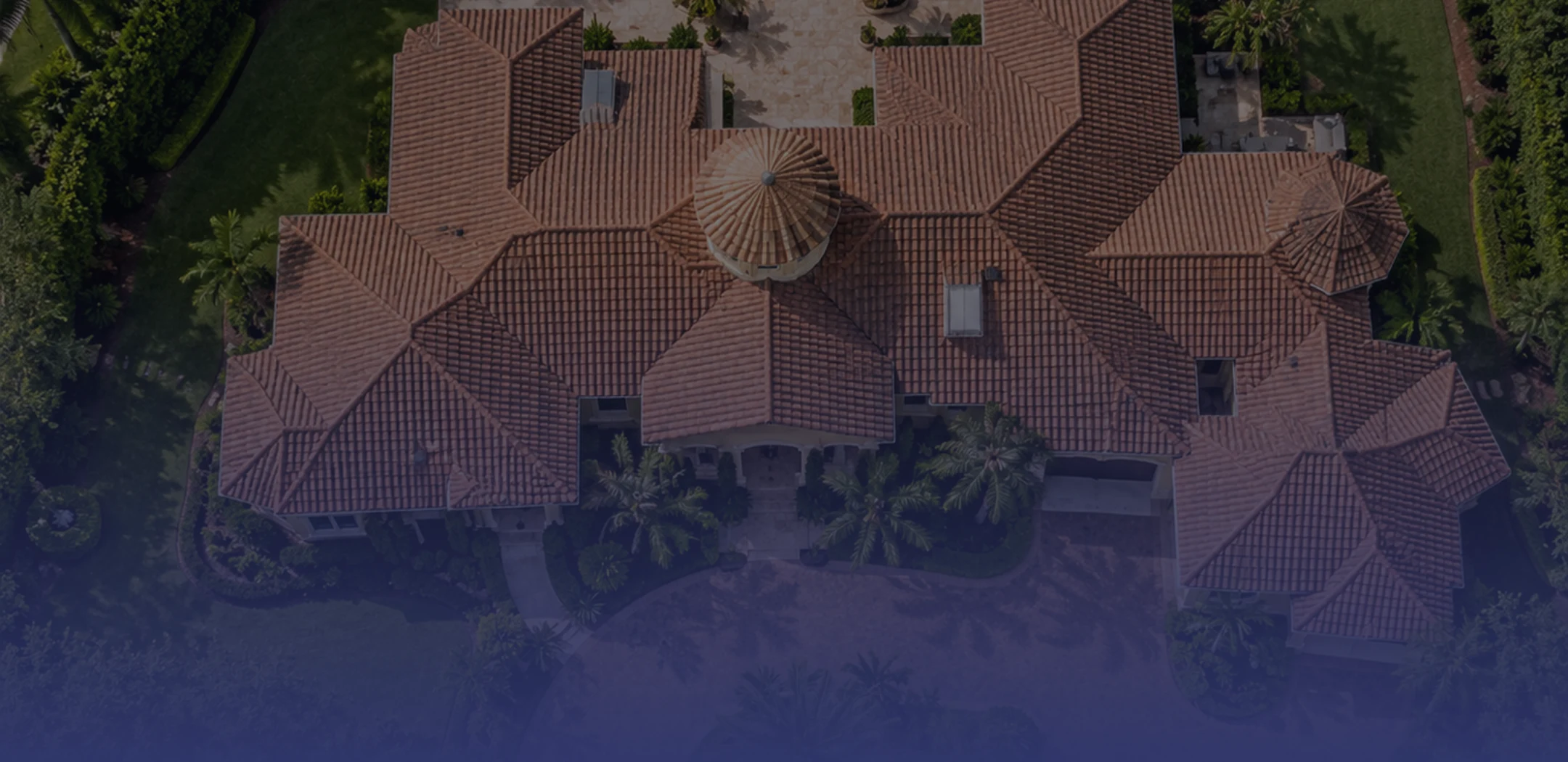
Hurricane losses often involve multiple damage mechanisms occurring simultaneously, making it important to distinguish between wind damage, flood impacts, rain intrusion, and pre-existing conditions. Following Hurricane Ian, a large coastal residence experienced roof, exterior, and interior damage requiring a detailed evaluation.
Through a structured forensic investigation, Prema differentiated storm-related damage from historical conditions, assessed roof repairability, and evaluated replacement tile availability.
This case highlights the importance of evidence-based damage interpretation and how clear separation of damage mechanisms can support informed repair planning, restoration decisions, and claim decision-making.
Key Challenges included:
Situation
- A large two-story coastal residence in Southwest Florida sustained damage during Hurricane Ian. Concerns were raised regarding roof damage, interior water intrusion, flood impacts, and the repairability of the existing concrete tile roof system.
- The residence experienced storm surge and flooding during the event, while high winds and heavy rainfall created concerns regarding wind damage and roof performance. Questions arose regarding the cause of the observed roof tile conditions, the extent of necessary repairs, and the availability of compatible replacement materials.
- Because multiple potential damage mechanisms were involved, the investigation required careful differentiation between wind damage, flood-related impacts, moisture intrusion, historical repairs, and pre-existing conditions.
Prema's Approach
Prema Consulting Group performed a structured forensic engineering investigation, including:
- Damage Evaluation:
- Assessment of exterior, roof, and interior conditions following Hurricane Ian
- Evaluation of flood-related impacts, wind effects, and moisture intrusion.
- Weather and Historical Analysis:
- Review of NOAA weather data, USGS high-water mark information, FEMA flood mapping, and historical imagery.
- Evaluation of prior repairs and historical roof conditions.
- Roof Assessment:
- Evaluation of concrete tile roof conditions and fracture patterns.
- Assessment of roof repairability under applicable Florida Building Code provisions.
- Investigation of replacement tile availability.
Observations
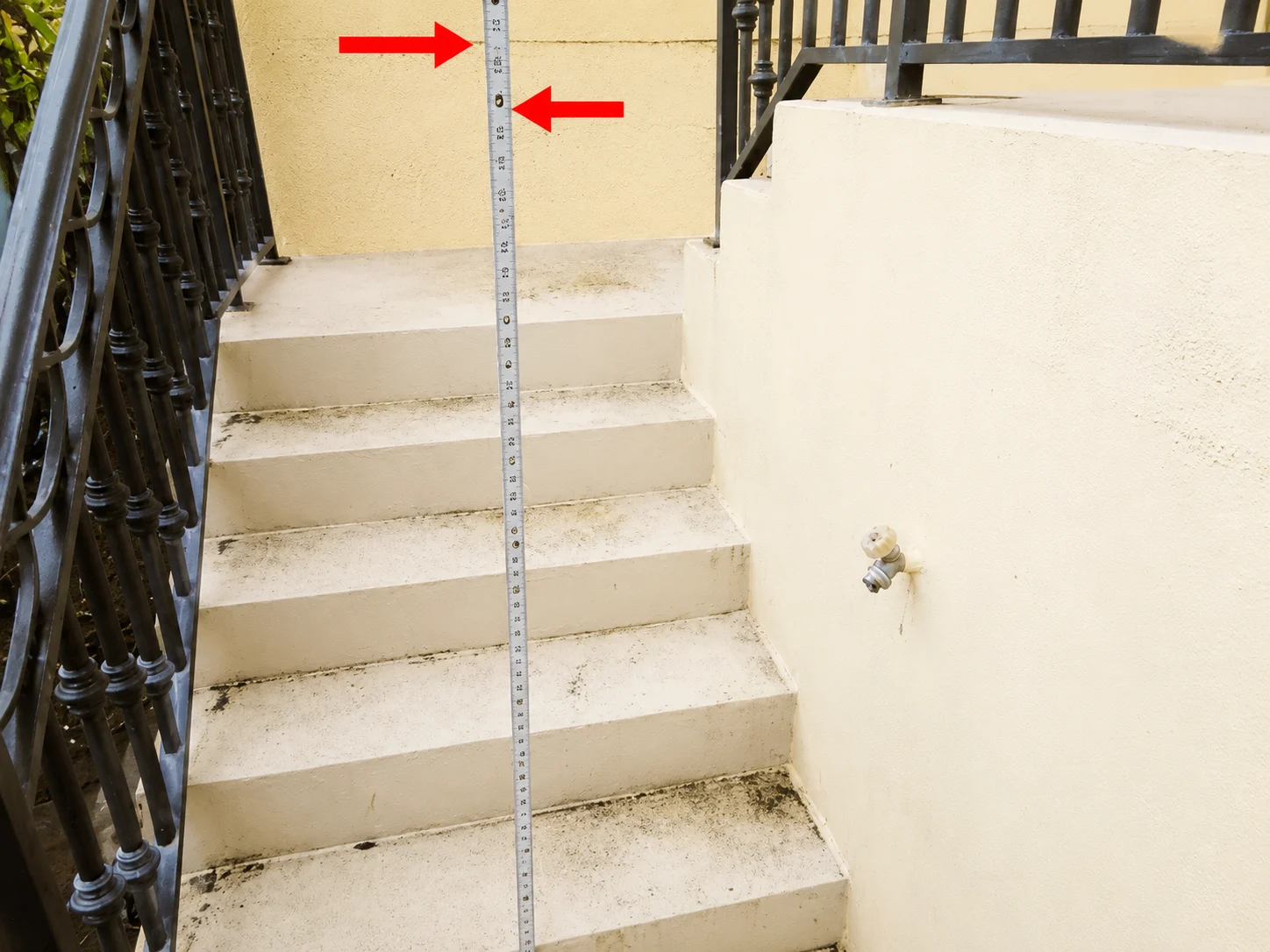
High-water marks along the exterior rear walls of the residence
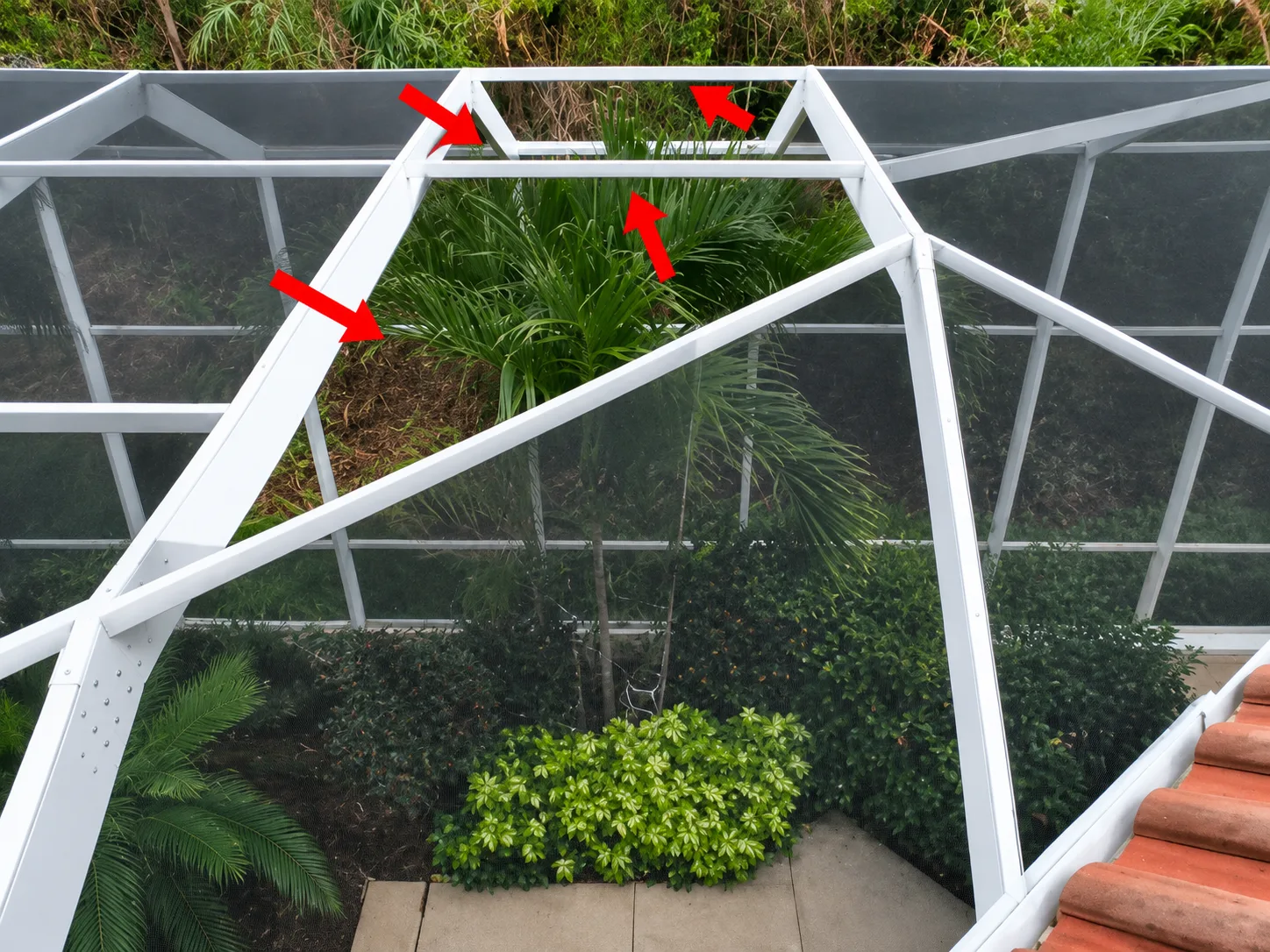
Randomly torn and missing screens of the rear wall and roof of the pool enclosure
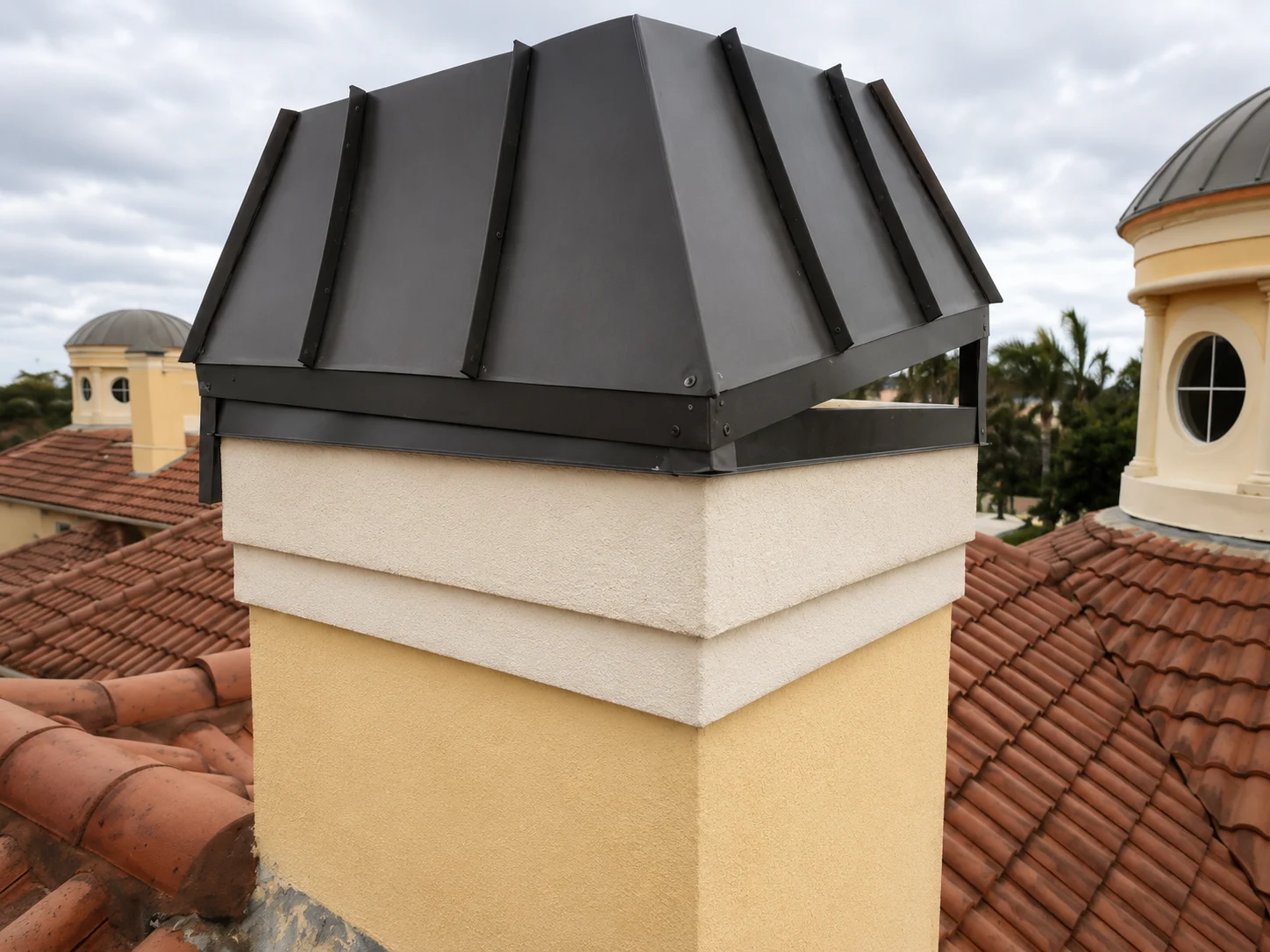
Chimney metal crown at the leftmost chimney stack randomly displaced from its original position
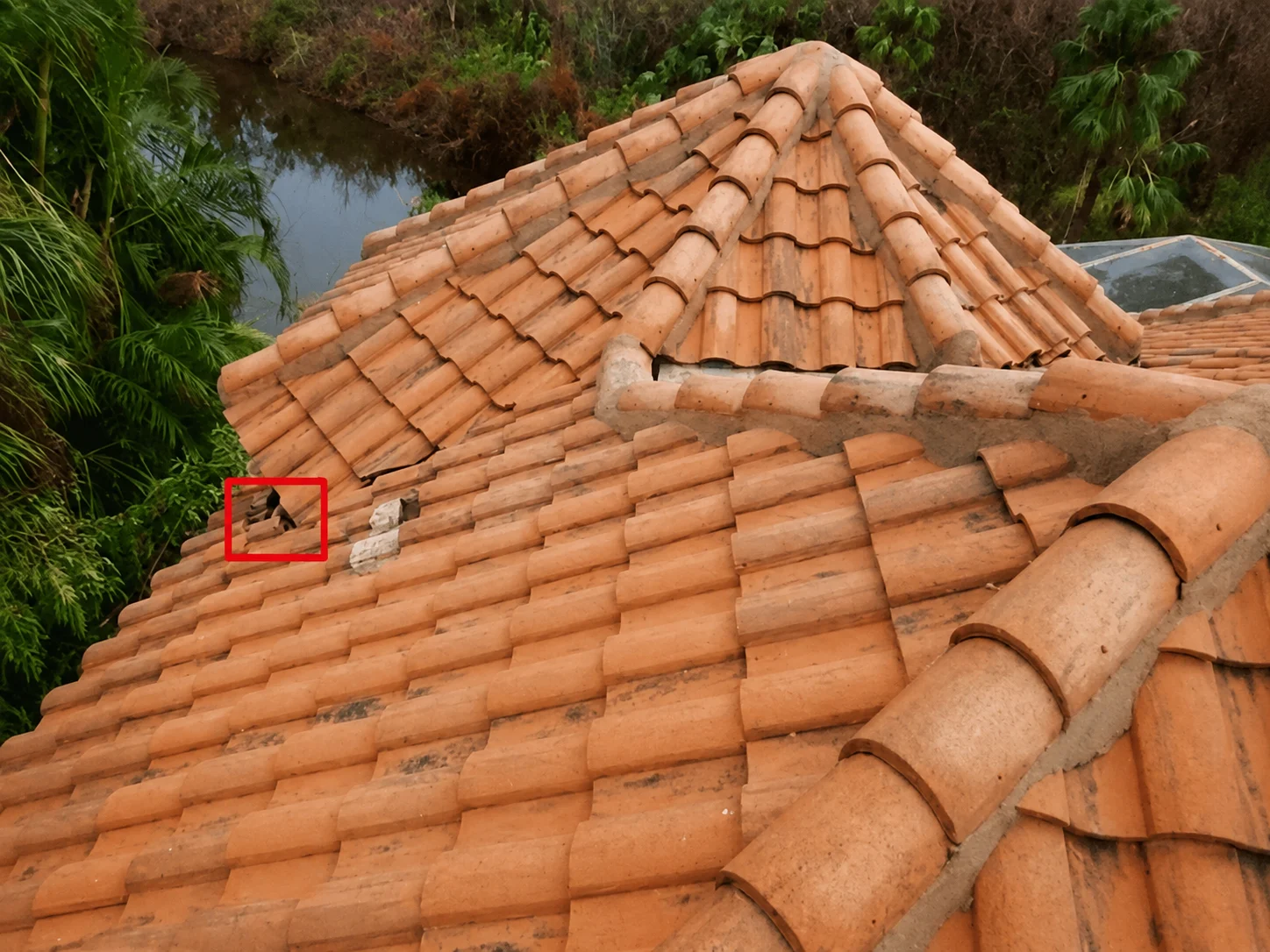
Localized wind-related tile displacement
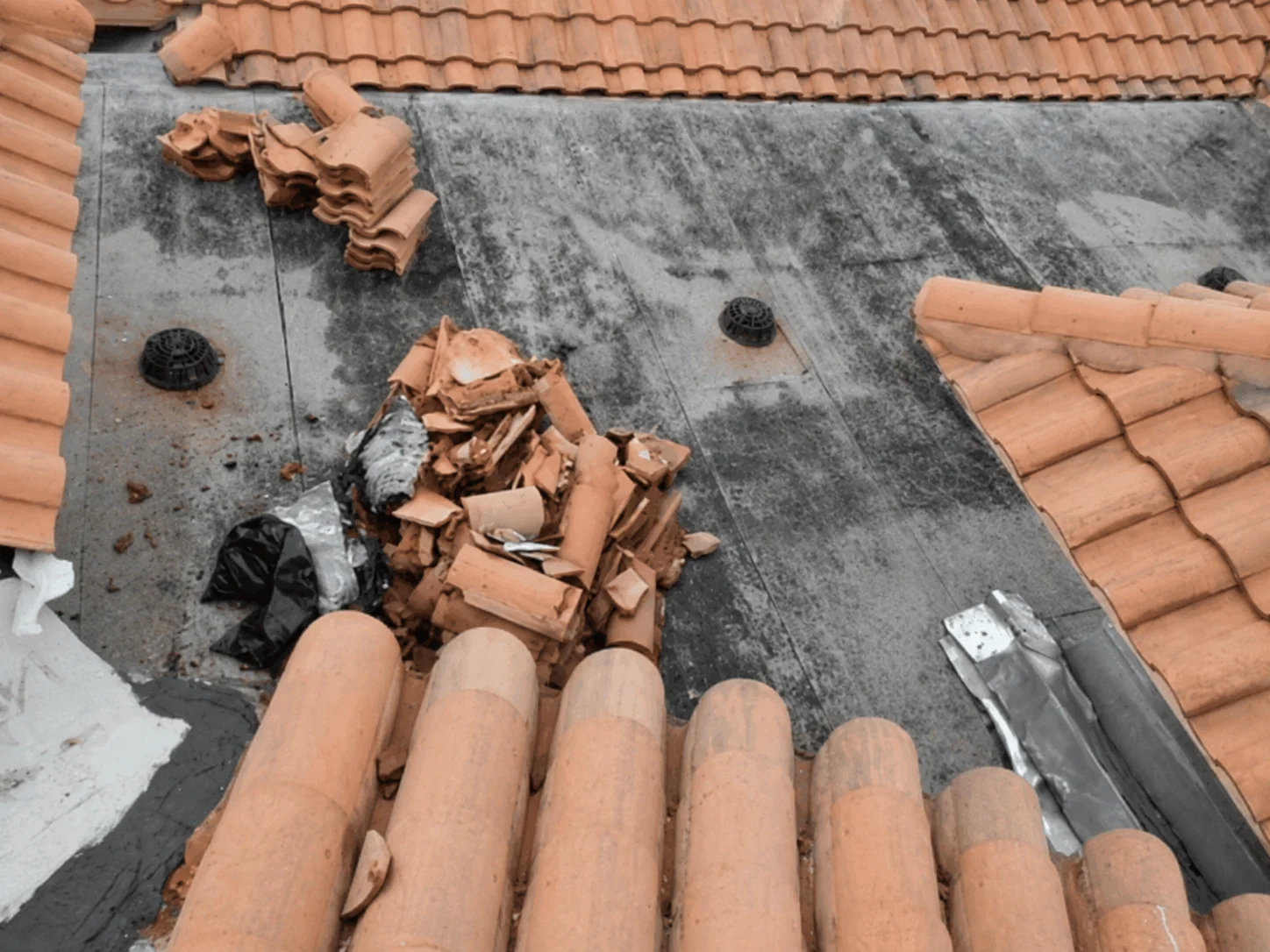
Tiles removed from a valley and stacked on the mod-bit covered facet
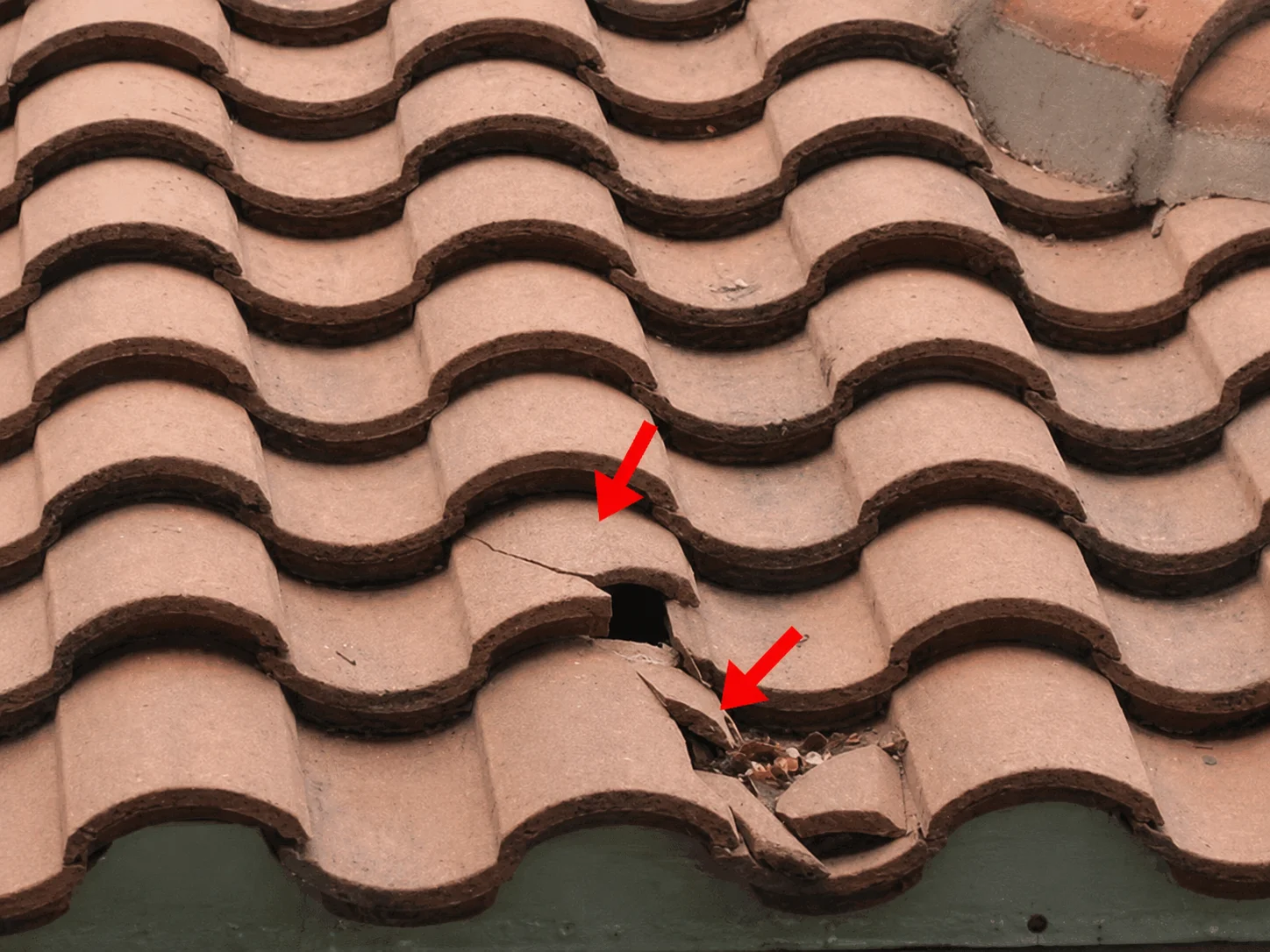
Randomly oriented fractures in field tiles
Prema also evaluated historical repairs and differentiated previously existing conditions from hurricane-related damage through site observations, weather data, historical imagery, and engineering analysis.
Repair Strategy
Prema developed a code-informed framework for repair and restoration, including:
- Replacement of damaged pool enclosure screens and the displaced chimney crown.
- Individual replacement of isolated storm-damaged concrete roof tiles.
- Reinstallation of the displaced ridge-cap tile.
- Repair of flood-affected interior building materials.
- Evaluation of moisture-related ceiling finishes associated with wind-driven rain.
- Verification of replacement tile compatibility using salvaged or specialty-sourced materials.
The extent of storm-related roof damage was determined to affect less than 25 percent of the individual roof section, allowing localized repairs under applicable Florida Building Code provisions.
Conclusions
Following a comprehensive evaluation, Prema concluded that:
- Portions of the residence experienced flooding associated with Hurricane Ian.
- Select exterior components sustained wind-related damage.
- Isolated roof tiles were affected by wind and wind-borne debris.
- Many additional tile fractures were consistent with foot traffic and historical conditions rather than storm-related forces.
- Interior finishes at the first floor were affected by floodwater.
- Moisture staining at the stairway ceiling was consistent with rain intrusion associated with heavy rainfall and winddriven rain, rather than a storm-created roof opening.
- The storm-damaged roof areas could be repaired without requiring replacement of the entire roof section.
- Similar replacement tiles remained available through specialty suppliers and salvage inventories.
Why This Matters
Hurricane losses often involve a combination of wind damage, flood impacts, moisture intrusion, historical repairs, and age-related conditions. Differentiating these mechanisms is essential for effective repair planning and informed decisionmaking.
This case highlights the value of:
 Evidence-driven forensic methodology.
Integration of weather data and site observations.
Objective differentiation between storm-related and pre-existing conditions.
Code-based roof repairability evaluations.
Material availability assessments.
Clear engineering communication supporting complex property claims.
Evidence-driven forensic methodology.
Integration of weather data and site observations.
Objective differentiation between storm-related and pre-existing conditions.
Code-based roof repairability evaluations.
Material availability assessments.
Clear engineering communication supporting complex property claims.
This investigation helped establish a clearer understanding of the observed conditions and provided a practical framework for repair and restoration.
Evaluating Engineering Partners?
We can provide representative redacted reports that demonstrate
our documentation approach, technical analysis structure, and
reporting methodology.